Refrigerated trailers are seen parked at the site of a makeshift morgue being built in New York, Wednesday, March 25, 2020. (AP Photo/Mary Altaffer)
New York City could start burying its dead in city parks if the mortality rate from coronavirus doesn’t decline soon, according to City Council Health Committee Chair Mark Levine.
“Soon we'll start ‘temporary interment’. This likely will be done by using a NYC park for burials (yes you read that right). Trenches will be dug for 10 caskets in a line,” Levine tweeted on Monday, adding that “it will be tough for NYers to take.”
Just as the number of COVID-19 infections has overwhelmed New York City hospitals, the number of deaths has begun to overwhelm the death care infrastructure, including the city’s system of morgues and now, it would seem, cemeteries. To supplement existing city- and hospital-owned morgues, the Office of the Chief Medical Examiner (OCME) purchased 45 refrigerated trucks to act as temporary morgues on top of 85 supplied by the Federal Emergency Management Agency (FEMA). According to Levine, most of those temporary morgues are now full and families with loved ones who have passed away due to COVID-19 are struggling to find funeral homes and cemeteries that will handle their deceased.
“Grieving families report calling as many as half a dozen funeral homes and finding none that can handle their deceased loved ones. Cemeteries are not able to handle the number of burial requests and are turning most down,” he wrote.
The councilmember’s comments attracted quite a bit of attention on Monday, earning more than 1,500 retweets and 1,800 likes, prompting Levine to clarify his earlier claims. In a later tweet, he called interment in city parks a “contingency” that wouldn’t be necessary if the death rate drops enough.
New York City Mayor Bill de Blasio told the New York Times that although the city has the ability to temporarily bury the dead if needed, the city was “not at the point that we’re going to go into that.” Cuomo pleaded ignorance of the plan altogether, saying that he’d heard “a lot of wild rumors,” but never anything about burials in city parks, according to the Times.
Aja Worthy-Davis, an OCME spokesperson, said the city is only conducting city burials at Hart Island in the Bronx for now.
Reports out of overwhelmed countries like Italy and Ecuador detail coffins awaiting burial in churches and on streets, and horror stories of families living with deceased loved ones, sometimes for days, because of an overwhelmed death care system.
“The goal is to avoid scenes like those in Italy, where the military was forced to collect bodies from churches and even off the streets,” Levine wrote on Monday.
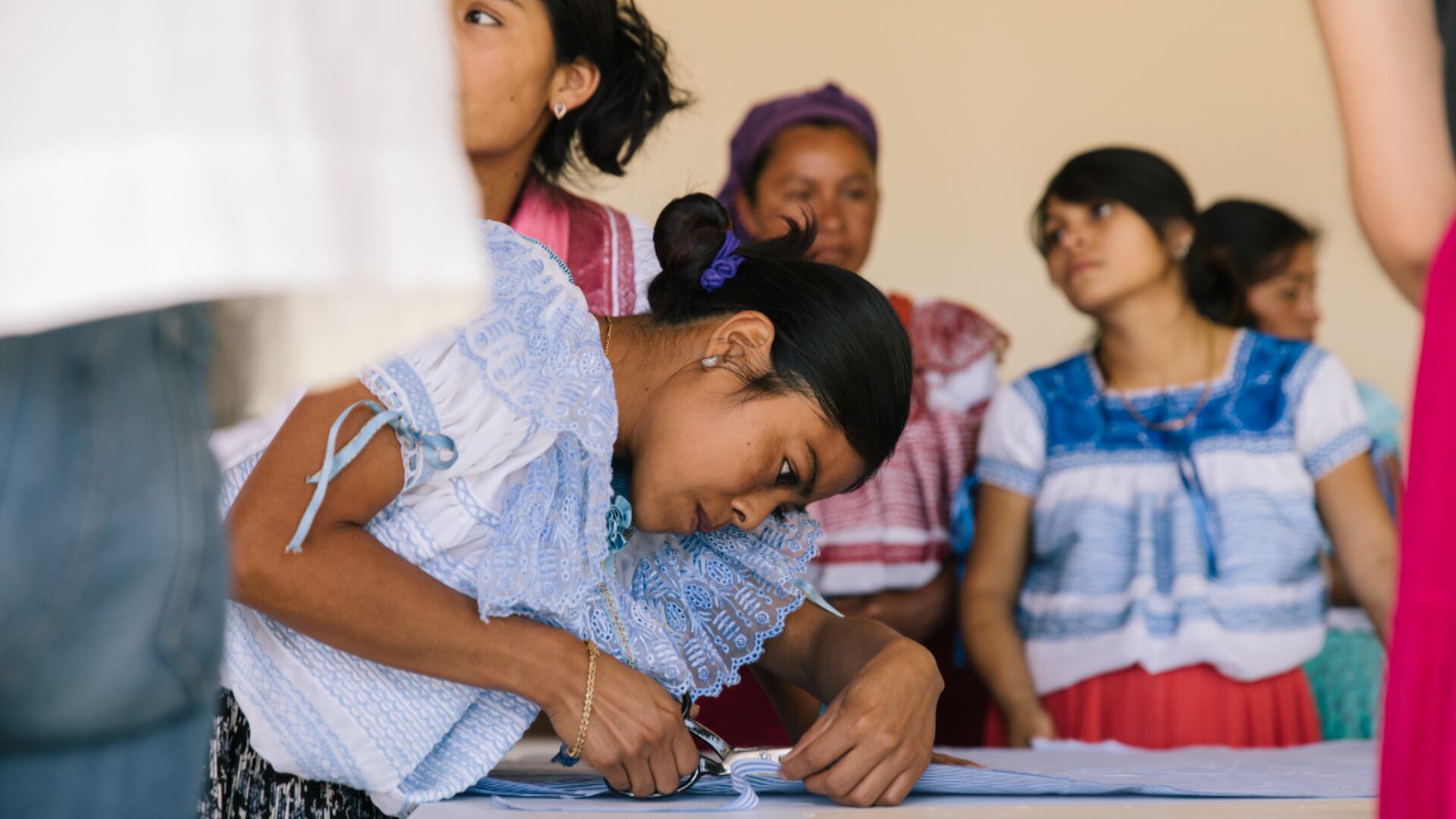
On this episode of ChedHER: Founder and CEO at Allara Health discusses how she's creating a platform for women with Polycystic Ovary Syndrome or PCOS; General Manager of the Run/Train Business Unit at Puma breaks down how Puma is approaching a hybrid work model, and ways to empower women in the workplace; Founder and CEO of Mi Golondrina explains how she's empowering over 600 artisans from Mexico.
On this episode of Cheddar Innovates: Gardenuity CEO breaks down how gardening can improve your wellbeing; Augmedix CEO discusses how this technology is helping doctors fight burnout; Cheddar gets a look at Curiosity Stream's 'Suppressed Science.'
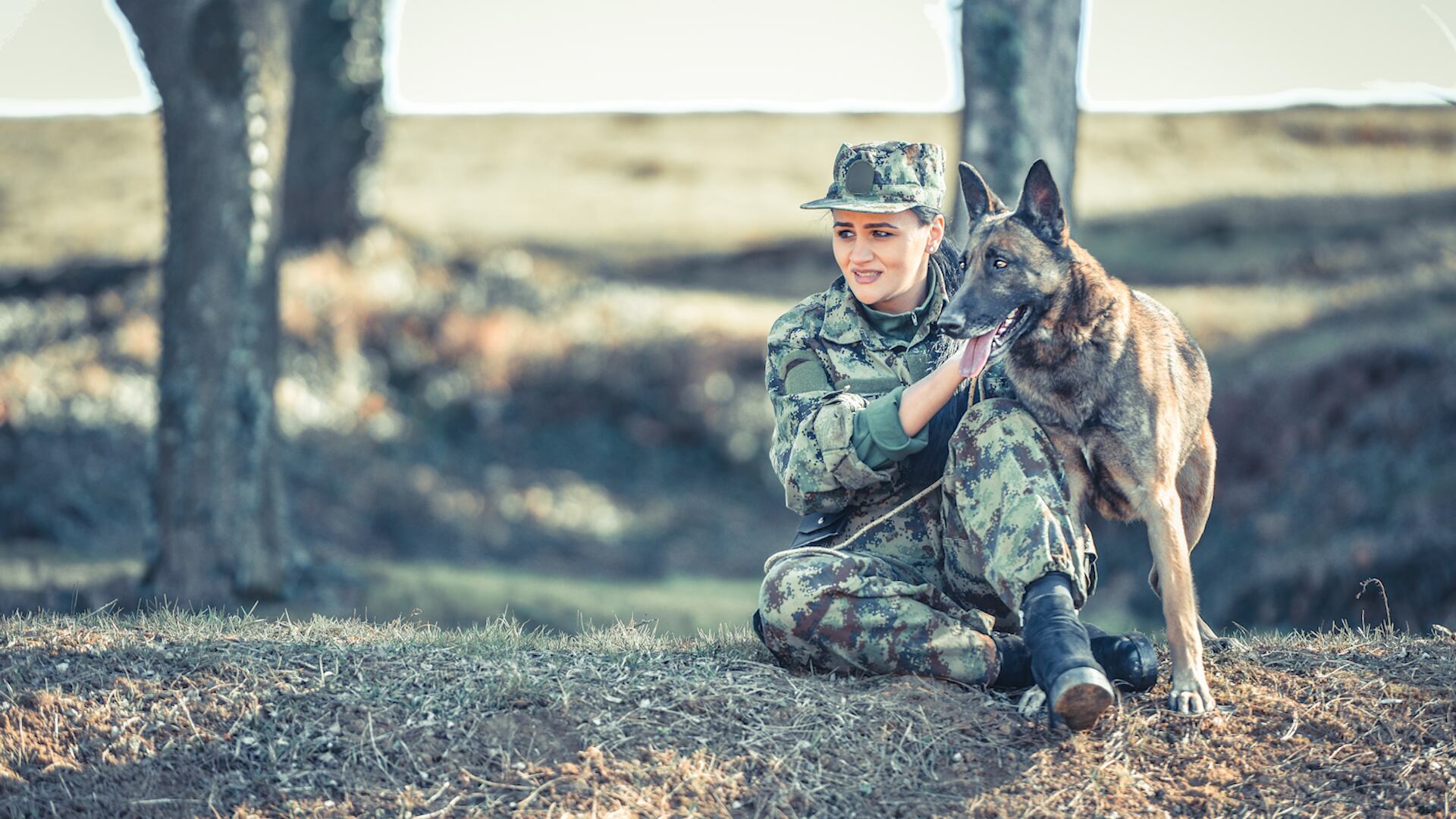
Sheila Goffe, VP of Government Relations of the American Kennel Club, joins Cheddar Reveals to discuss the efficacy of police, military, and other working dogs, and how they're trained.
On this episode of Cheddar Reveals, Sheila Goffe, VP of Government Relations of the American Kennel Club, discusses the efficacy of police, military, and other working dogs, and how they're trained. Paul Mundell, Executive Director of the American Service Dog Access Coalition, breaks down why emotional support, therapy, and service dogs are important; Cheddar gets a look at Curiosity Stream's 'Secrets of a Dog's Nose.'
On this episode of ChedHER; Amanda Carlson Phillips, Senior Vice President of Exos' performance team, breaks down how wellness programs can fight burnout; Deena LaMarque Piquion, Chief Marketing Officer at Xerox, explains why and how women should stop saying 'sorry' so often;
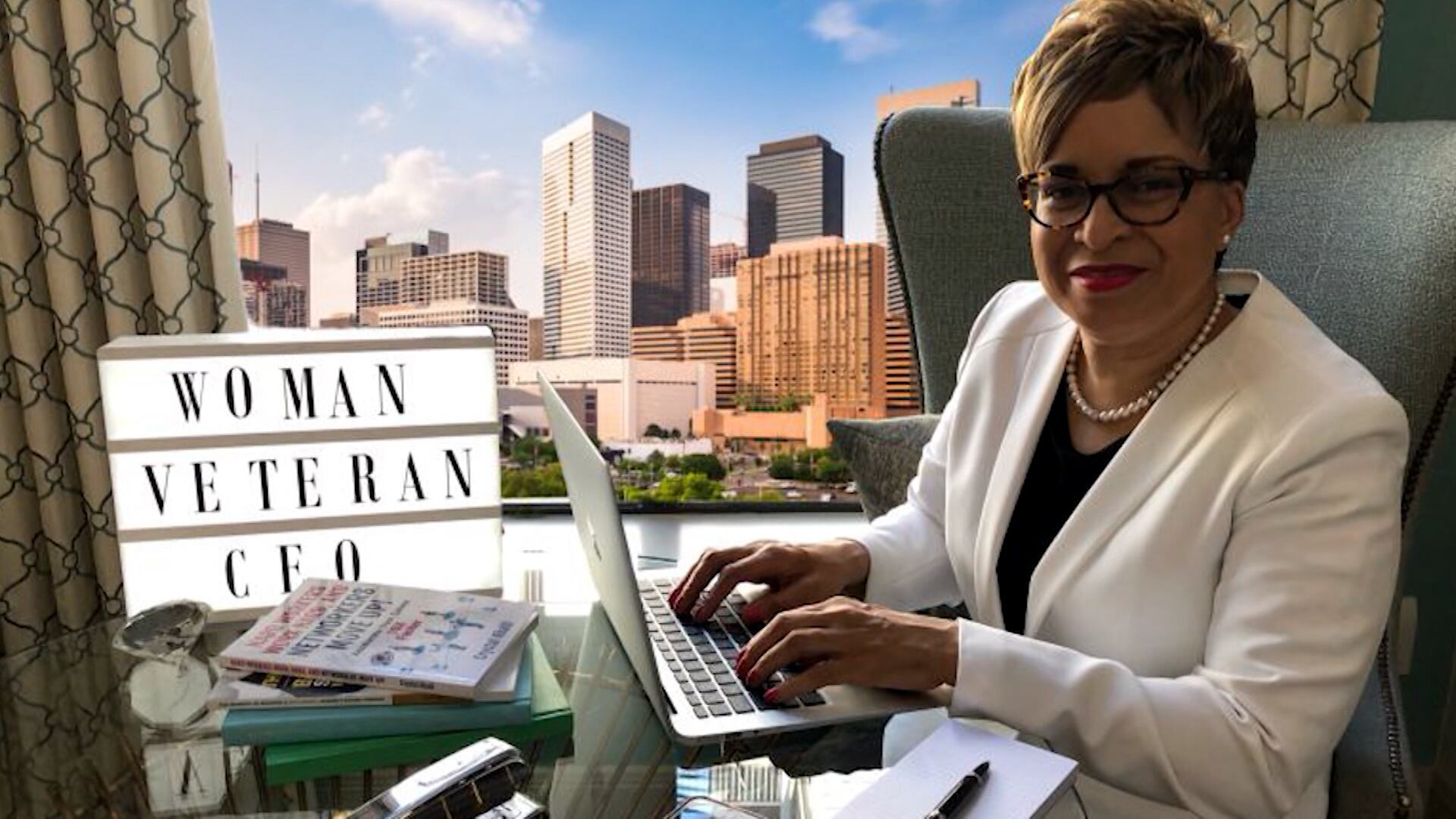
Marylyn Harris, President of Harrland Healthcare Consulting, talks about how her experience in the military prepared her for a cybersecurity career, and how she's paving the way for women of color in the industry.
On this episode of Cheddar Innovates: Atom Limbs CEO breaks down how the Atom Touch prosthetic is different from other prosthetics on the market; CEO & Chief Scientific Officer of MyMD explains how the MYMD-1 is on track to be the first FDA-approved drug to treat aging and age-related diseases; A look at Curiosity Stream's 'The Future of Warfare.'
On this episode of Cheddar Reveals Clay Routledge, Professor of Business and author of "Nostalgia: A Psychological Resource", discusses the psychology of nostalgia: why we have it, and why it may be good for our mental health; Patrick Metzger, Writer and Technologist, breaks down how nostalgia has influenced pop culture, why it remains in a trend loop for every generation, and why that trend is likely never going to end; Cheddar gets a look at Curiosity Stream's 'The Year That Rocked the World.'
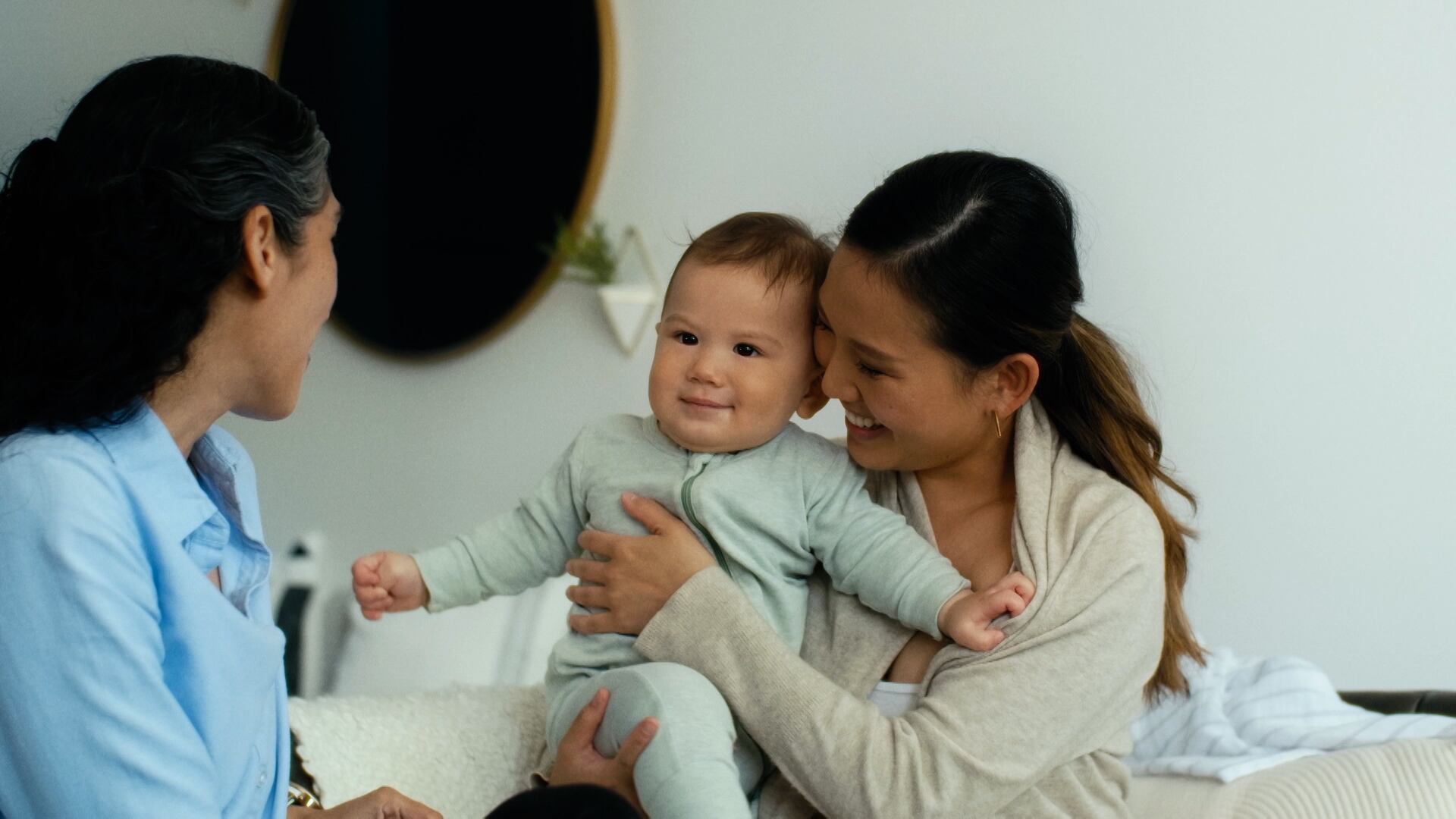
On this episode of ChedHER: CEO of The Lactation Network breaks down how they are expanding access to lactation support for families nationwide; CEO of Vanta explains the importance of a security team for startups; Midwest Divison Area Manager at JPMorgan Chase discusses the perks of having a business mentor.
On this episode of ChedHER we hear from the CEO of Incredible Health on how she's breaking the bias this women's history month, a bestselling author gives us tips on how to create new post-pandemic habits, and we learn just how critical a business consultant can be.