Cashless transactions are on the rise worldwide, expected to account for more than $200 billion in North America in 2022, but refusing to accept cash transactions excludes vulnerable New Yorkers, Councilman Ritchie Torres told Cheddar Monday. That is why he sponsored a bill to ban cashless transactions in the Big Apple.
"Cashless businesses might seem benign on the surface, but I'm concerned that it could represent institutionalized racism in practice," Torres said.
He said 25 percent of city dwellers are unbanked or underbanked and those individuals are "disproportionately people of color, disproportionately low income." Some immigrants may not have the documentation needed to set up bank accounts or qualify for credit cards, he said, and some individuals experiencing homelessness may not have a permanent address.
New York City became the third major city, joining San Francisco and Philadelphia, to pass a measure banning brick and mortar stores and restaurants from refusing cash. Under the regulation, businesses face fines of up to $1,500 for refusing cash.
Torres said businesses can use something like a Metrocard machine, which converts cash to a card to enter the subway, to "preserve the flow of electronic transactions." Although, unlike the city's Metrocard machines which charge a dollar for a card, businesses will have to provide the service for free.
"Whatever your reasons, the best argument against cashless businesses is consumer choice," he said.
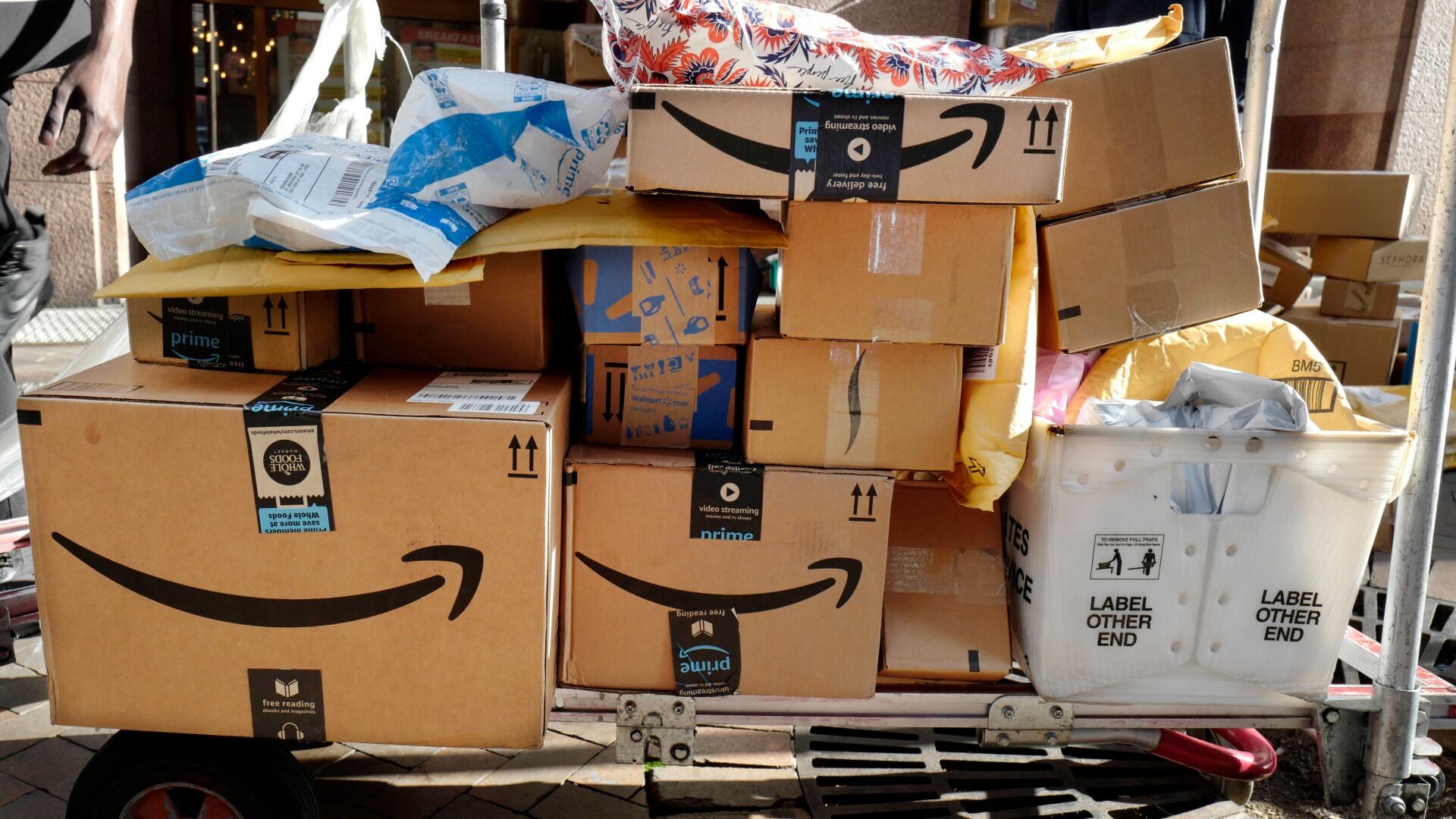
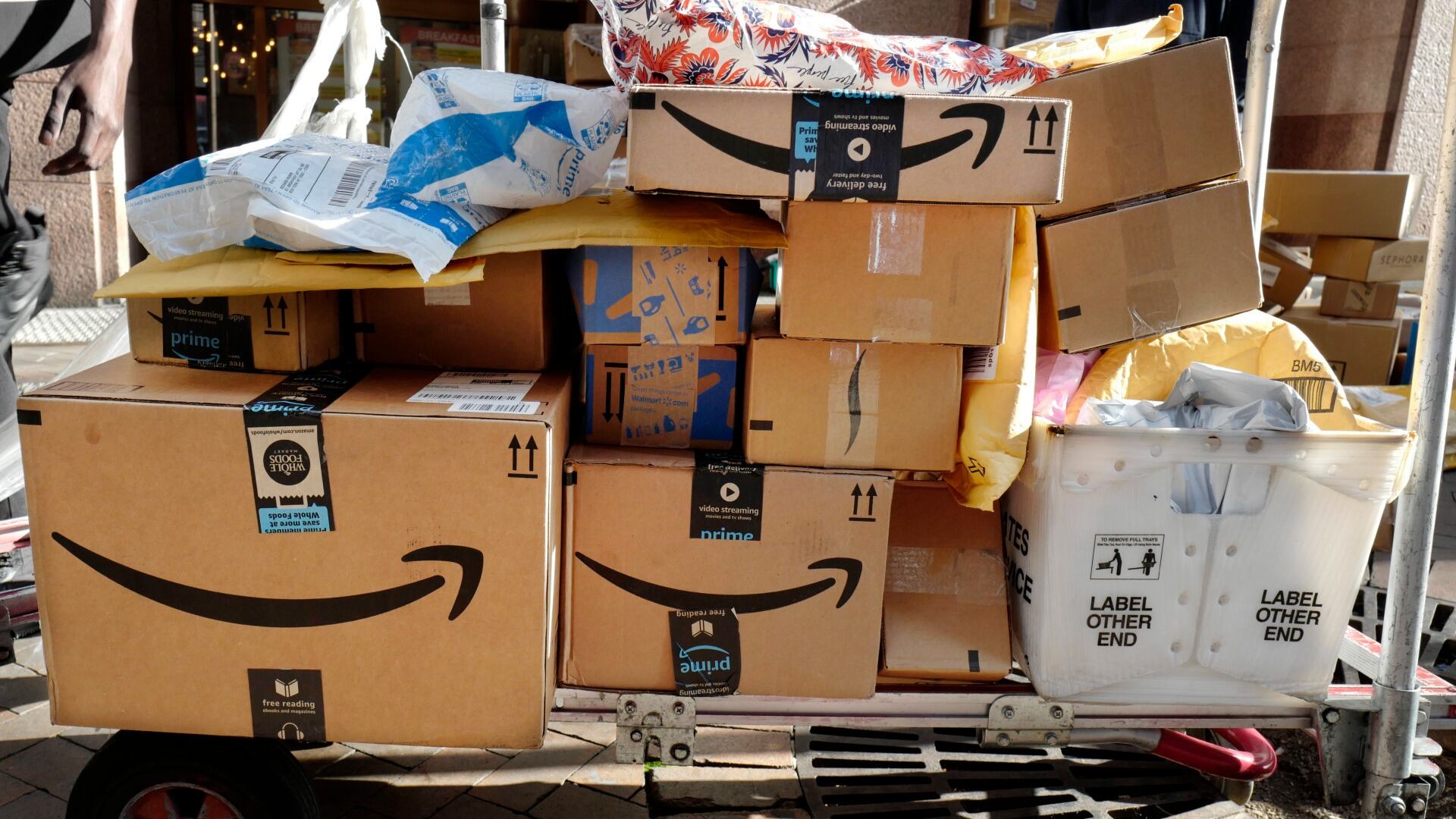
Amazon was sued Wednesday by Federal Trade Commission for what it called a years-long effort to enroll consumers without consent into its Prime program and making it difficult for them to cancel their subscriptions.
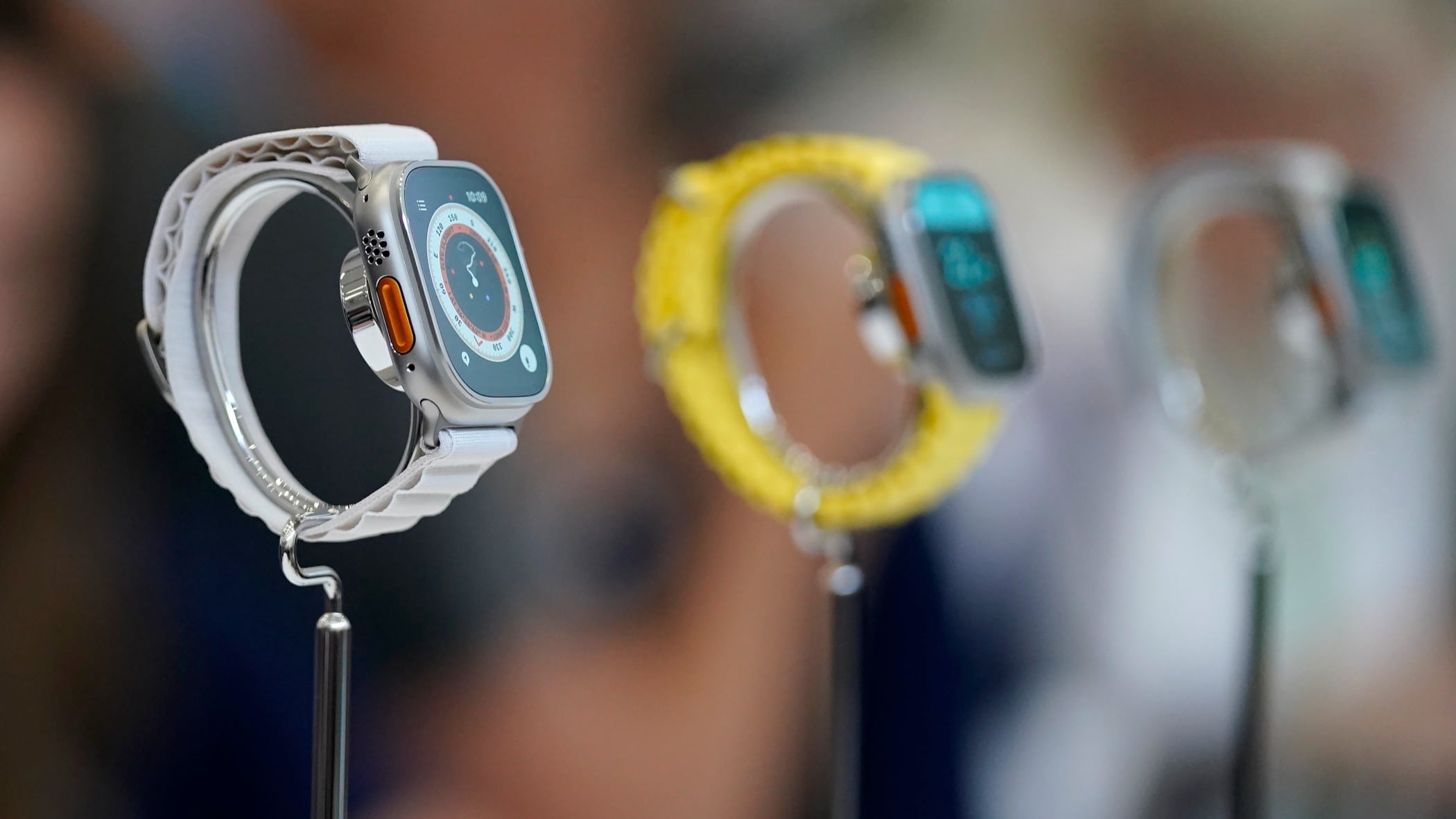
A 29-year-old Cincinnati woman was awakened by her Apple Watch, which alerted her about an elevated heart rate, prompting her to head to a doctor who notified her of a blood clot.
Anheuser-Busch's top marketing executive Marcel Marcondes addressed the ongoing boycott of Bud Light after protests over the company's partnership with trans influencer Dylan Mulvaney.
UPS recently announced it would equip delivery trucks with air conditioning. Dr. Douglas Casa, CEO of Korey Stringer Institute at the University of Connecticut, spoke with Cheddar News on the dangers of heat stroke and how workers can keep themselves safe from extreme weather.
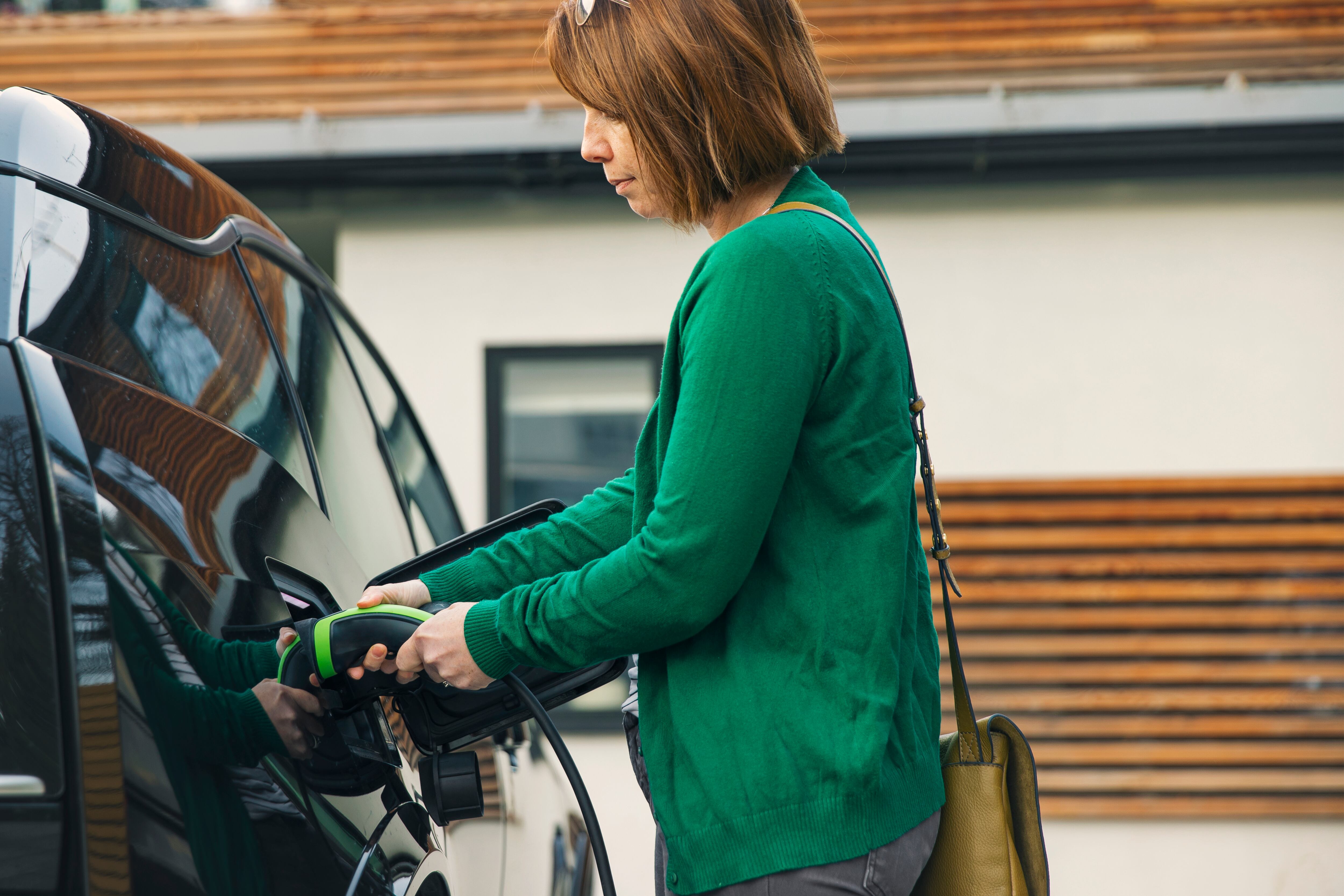
The push for clean energy is igniting an interest in electric vehicles but charging EVs continues to be a concern for consumers looking to save. Brian Moody, executive editor with Autotrader, joined Cheddar News to discuss how people can make home-charging more affordable.