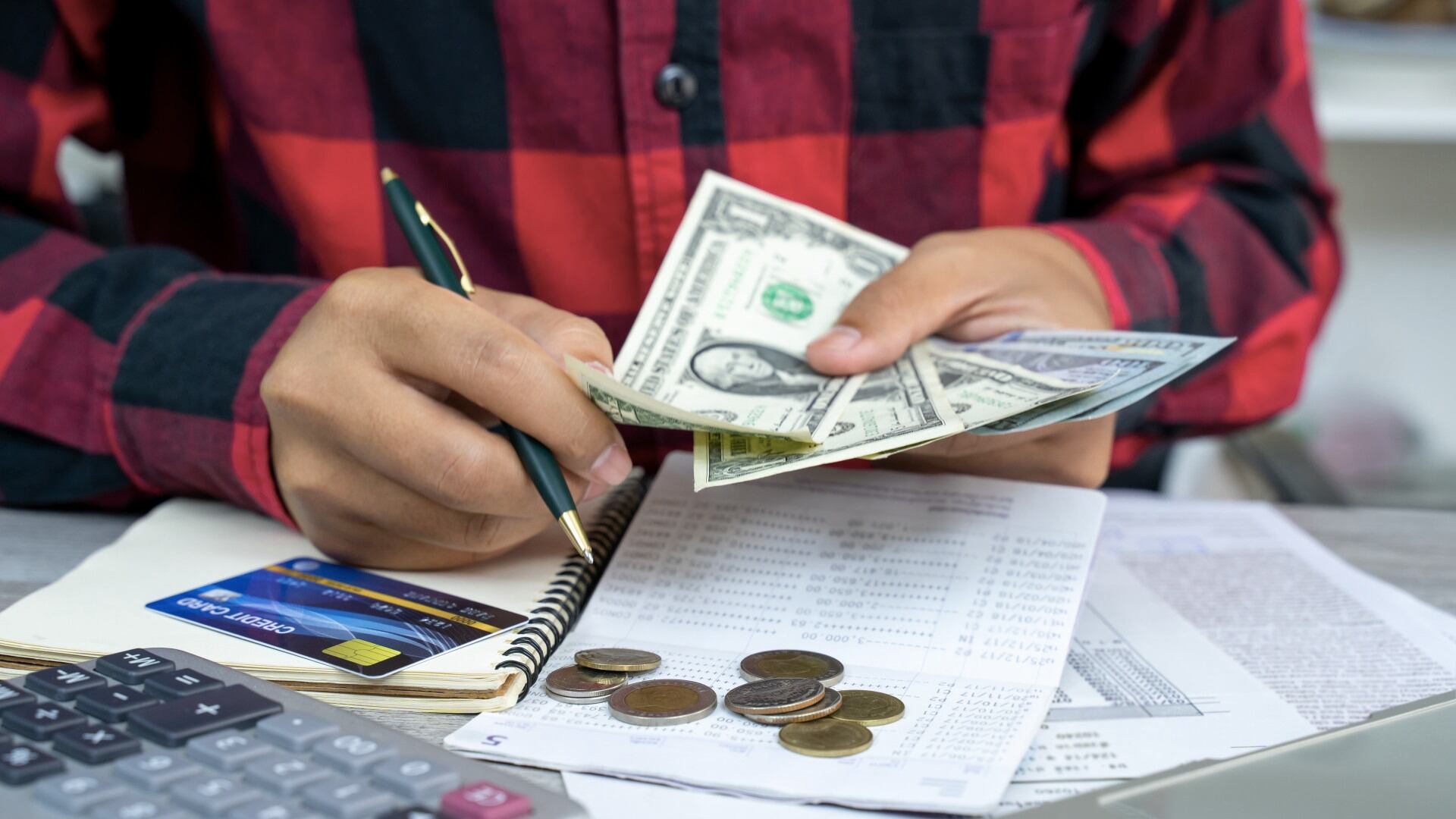
Cashless transactions are on the rise worldwide, expected to account for more than $200 billion in North America in 2022, but refusing to accept cash transactions excludes vulnerable New Yorkers, Councilman Ritchie Torres told Cheddar Monday. That is why he sponsored a bill to ban cashless transactions in the Big Apple.
"Cashless businesses might seem benign on the surface, but I'm concerned that it could represent institutionalized racism in practice," Torres said.
He said 25 percent of city dwellers are unbanked or underbanked and those individuals are "disproportionately people of color, disproportionately low income." Some immigrants may not have the documentation needed to set up bank accounts or qualify for credit cards, he said, and some individuals experiencing homelessness may not have a permanent address.
New York City became the third major city, joining San Francisco and Philadelphia, to pass a measure banning brick and mortar stores and restaurants from refusing cash. Under the regulation, businesses face fines of up to $1,500 for refusing cash.
Torres said businesses can use something like a Metrocard machine, which converts cash to a card to enter the subway, to "preserve the flow of electronic transactions." Although, unlike the city's Metrocard machines which charge a dollar for a card, businesses will have to provide the service for free.
"Whatever your reasons, the best argument against cashless businesses is consumer choice," he said.
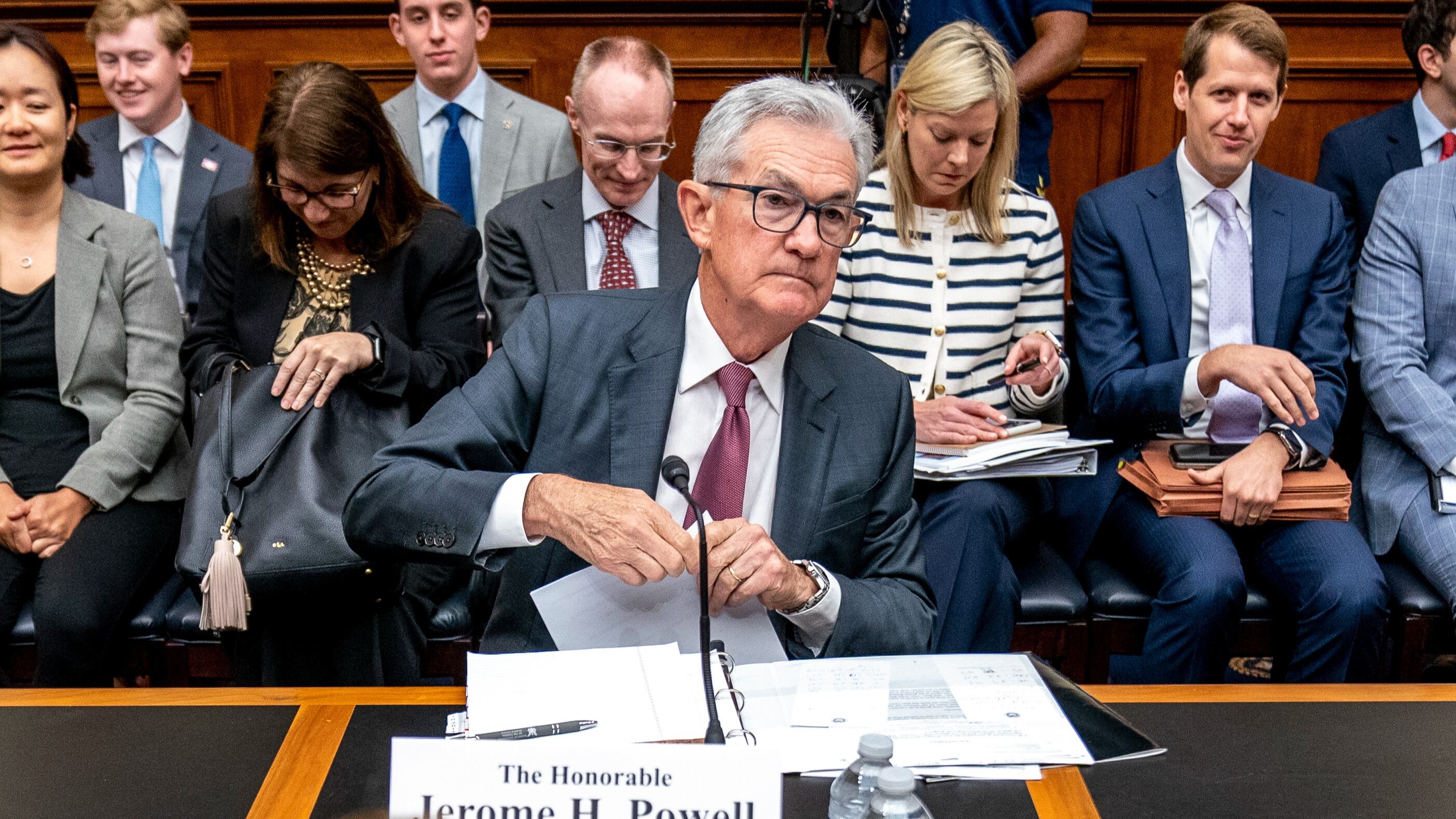
In his second day of testimony before the Senate Banking Committee, Federal Reserve Chair Jerome Powell reiterated that the board is considering more interest rate hikes.
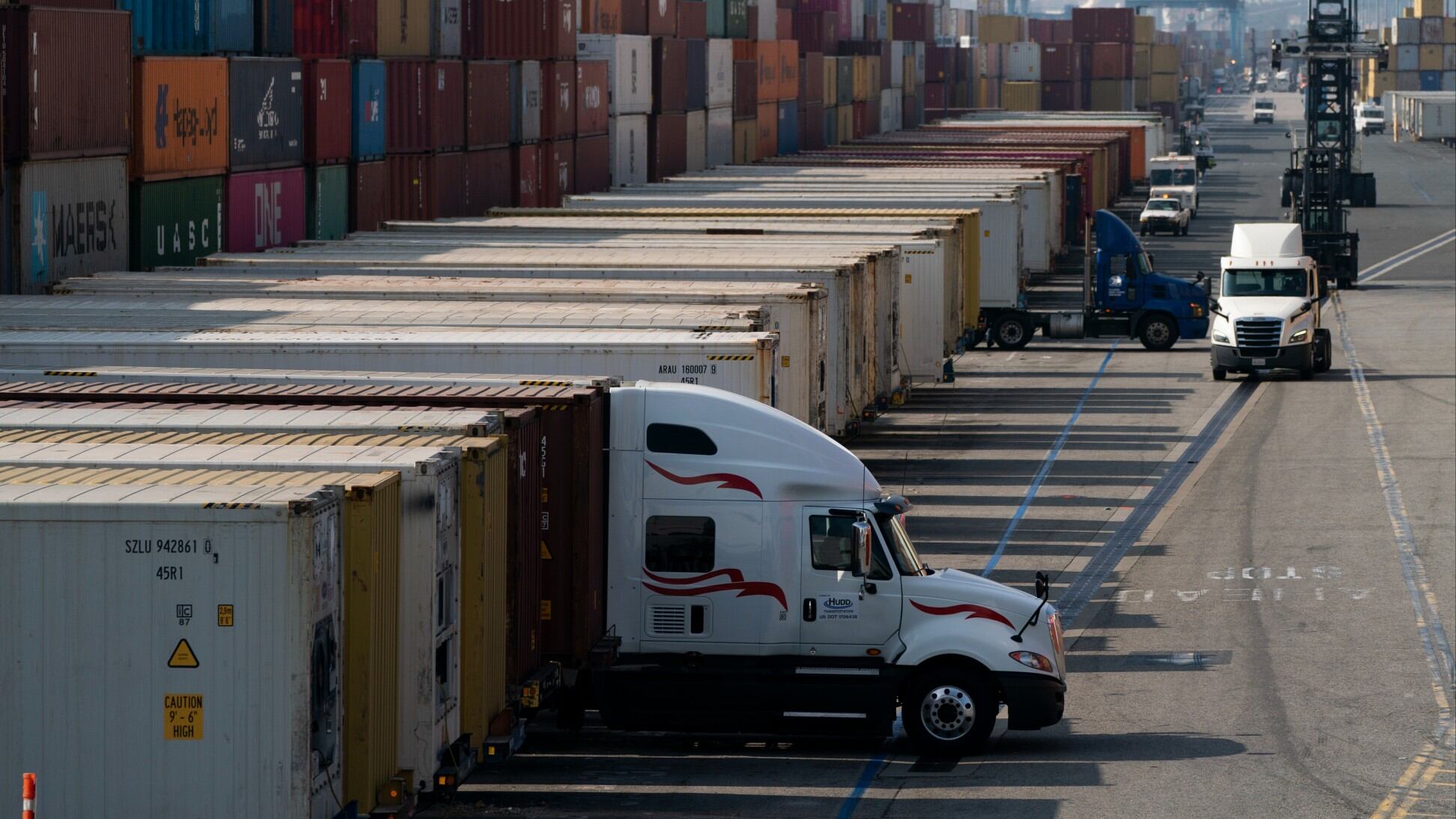
The government will require heavy trucks and buses to include automatic emergency braking equipment within five years, the federal traffic safety agency said Thursday, estimating it will prevent nearly 20,000 crashes save at least 155 lives a year.
The Food and Drug Administration on Thursday said it has sent warning letters to dozens of retailers selling fruit- and candy-flavored disposable e-cigarettes, including the current best-selling brand, Elf Bar.
Whether your credit card has declined or if you had difficulty splitting a bill at an outing, those awkward financial moments can get the best of us. Bobbi Robell, founder of Financial Wellness Strategies and author of "Launching Financial Grownups," joined Cheddar News to provide tips on how to handle those tense situations.
With inflation in the United States still excessive, most Federal Reserve officials expect to raise interest rates further this year, Chair Jerome Powell told a House committee Wednesday.
For the first time, U.S. regulators on Wednesday approved the sale of chicken made from animal cells, allowing two California companies to offer “lab-grown” meat to the nation's restaurant tables and eventually, supermarket shelves.