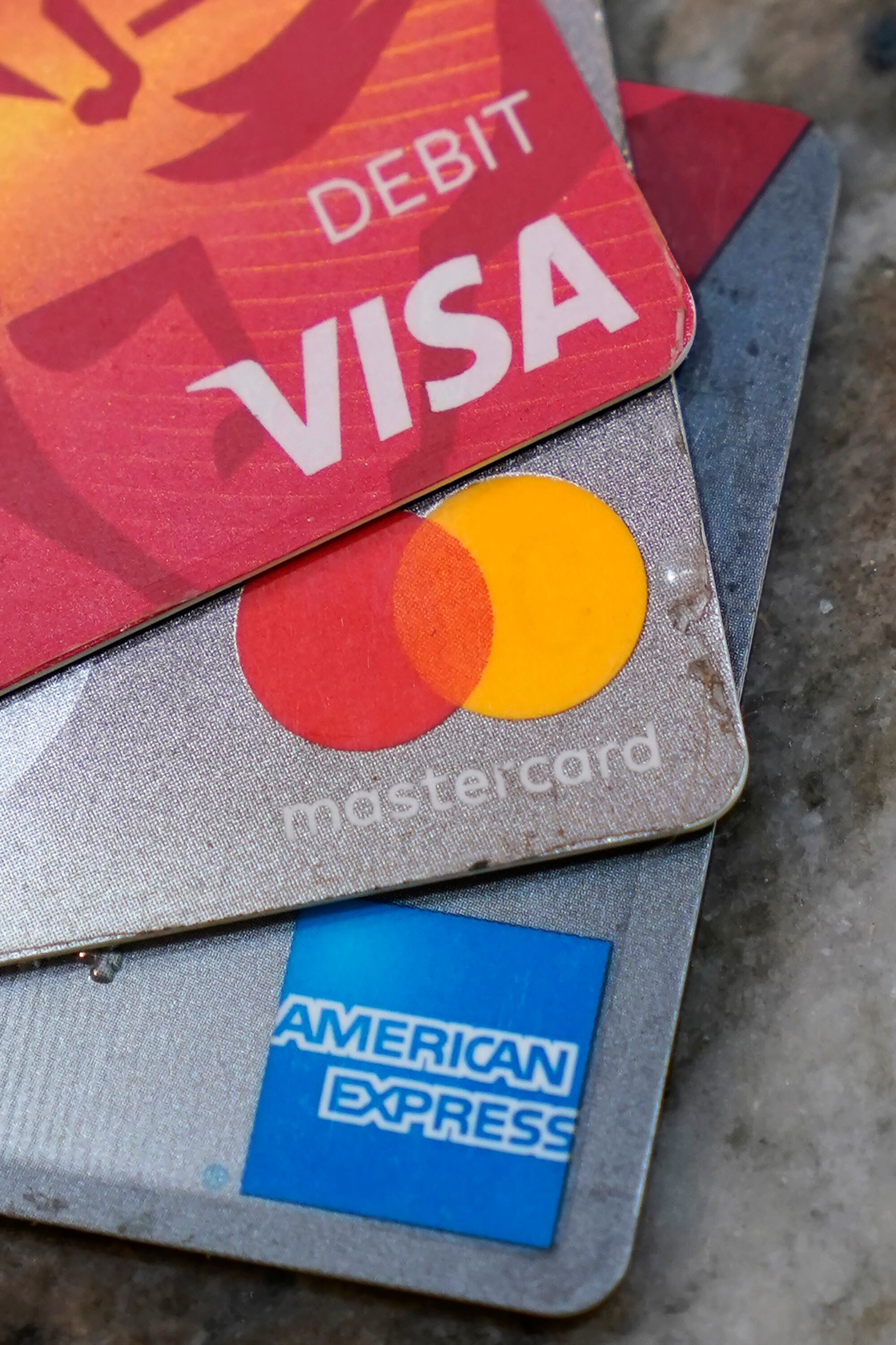
Cashless transactions are on the rise worldwide, expected to account for more than $200 billion in North America in 2022, but refusing to accept cash transactions excludes vulnerable New Yorkers, Councilman Ritchie Torres told Cheddar Monday. That is why he sponsored a bill to ban cashless transactions in the Big Apple.
"Cashless businesses might seem benign on the surface, but I'm concerned that it could represent institutionalized racism in practice," Torres said.
He said 25 percent of city dwellers are unbanked or underbanked and those individuals are "disproportionately people of color, disproportionately low income." Some immigrants may not have the documentation needed to set up bank accounts or qualify for credit cards, he said, and some individuals experiencing homelessness may not have a permanent address.
New York City became the third major city, joining San Francisco and Philadelphia, to pass a measure banning brick and mortar stores and restaurants from refusing cash. Under the regulation, businesses face fines of up to $1,500 for refusing cash.
Torres said businesses can use something like a Metrocard machine, which converts cash to a card to enter the subway, to "preserve the flow of electronic transactions." Although, unlike the city's Metrocard machines which charge a dollar for a card, businesses will have to provide the service for free.
"Whatever your reasons, the best argument against cashless businesses is consumer choice," he said.
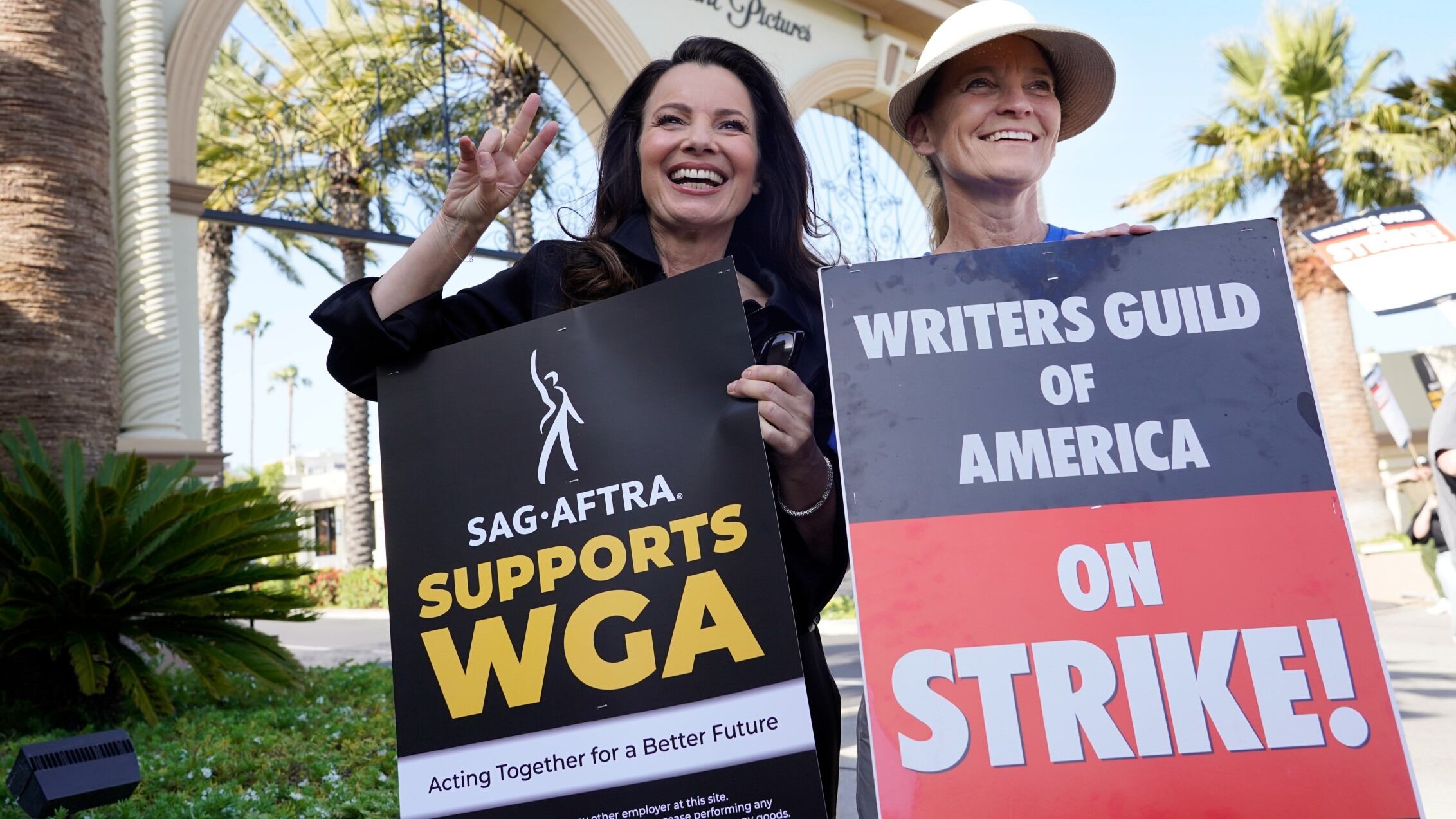
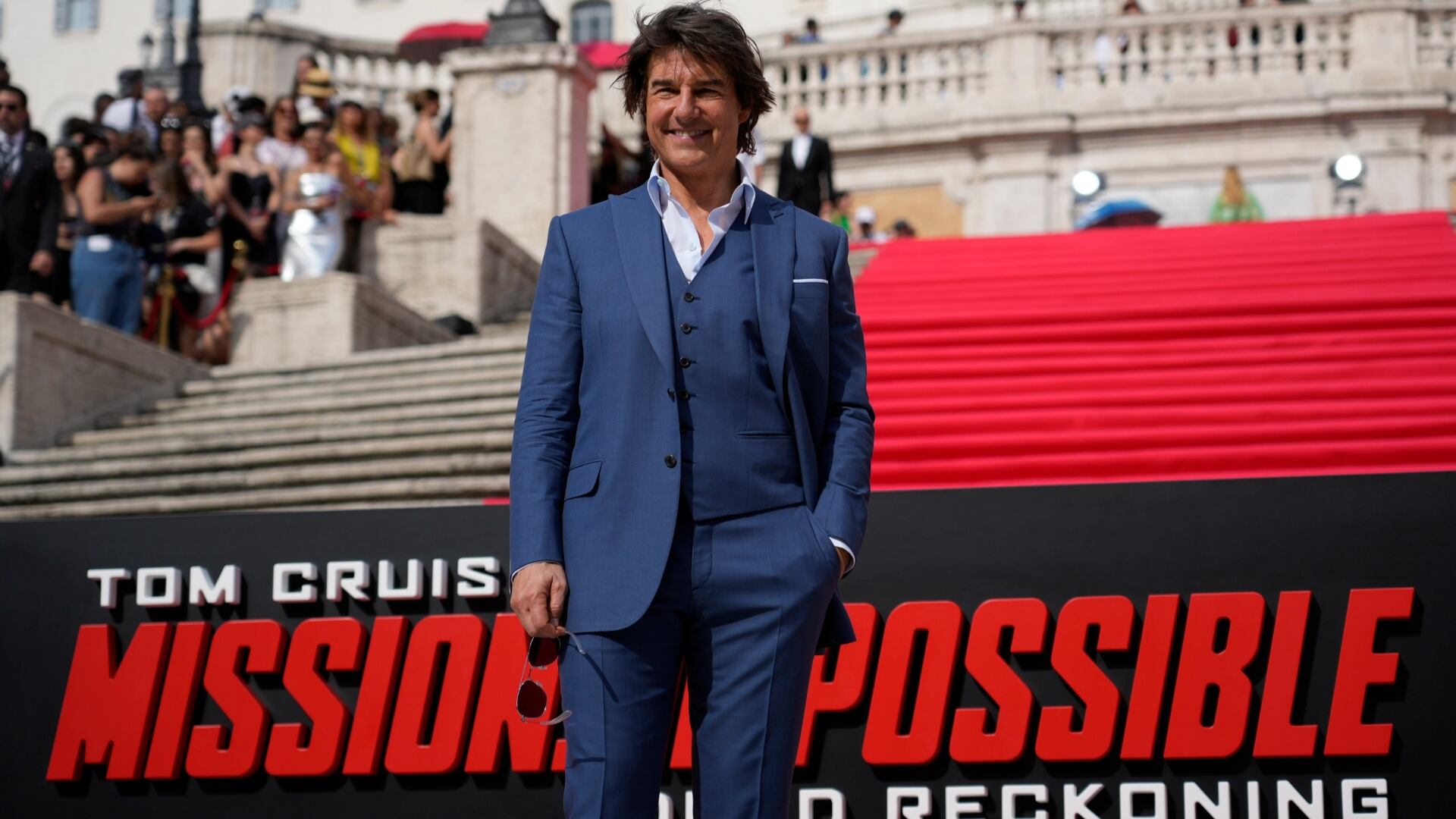
Unionized Hollywood actors on the verge of a strike have agreed to allow a last-minute intervention from federal mediators but say they doubt a deal will be reached by a negotiation deadline late Wednesday.
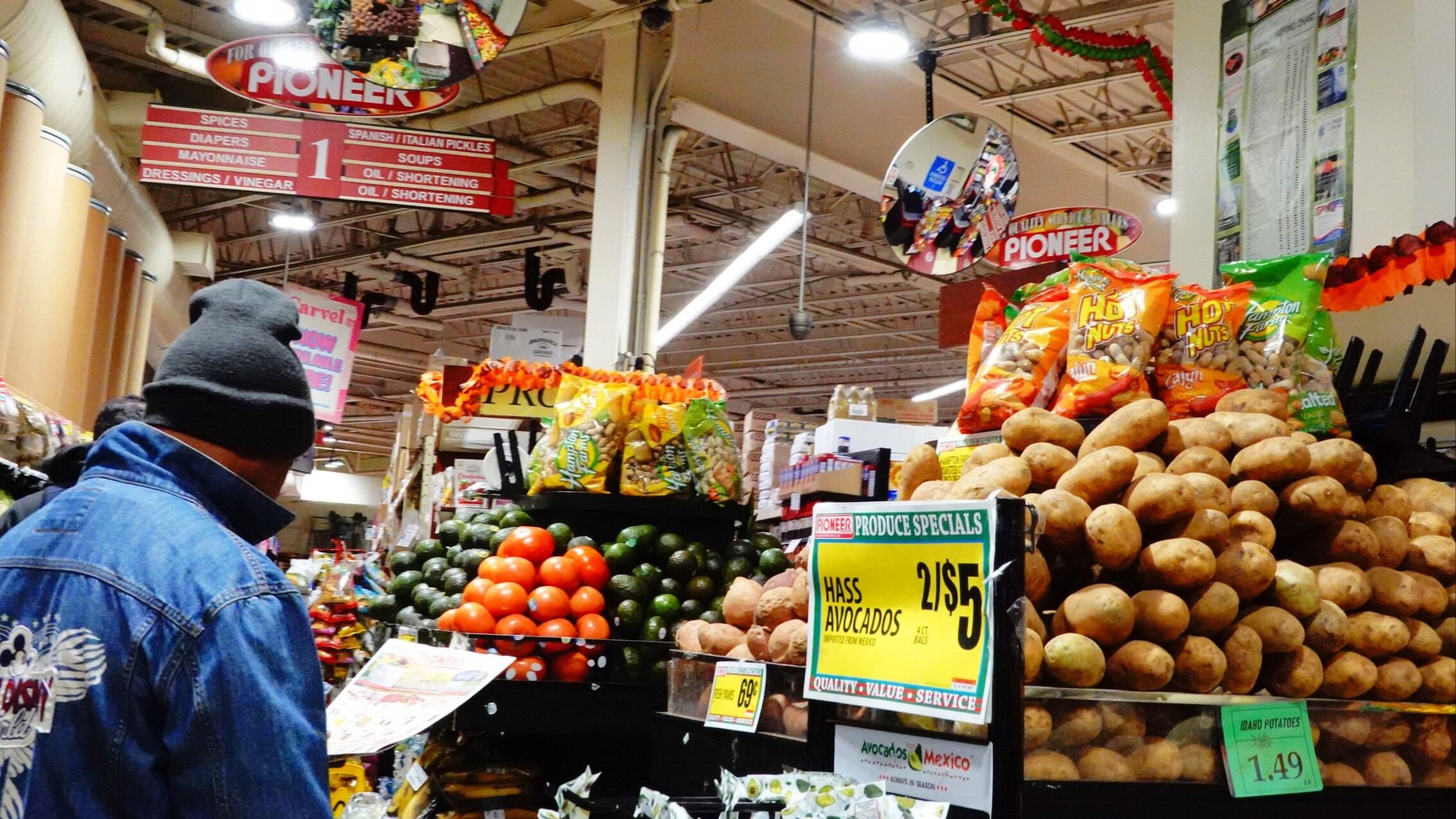
Squeezed by painfully high prices for two years, America’s households have gained some much-needed relief with inflation reaching its lowest point since early 2021 — 3% in June compared with a year earlier — thanks in part to easing prices for gasoline, airline fares, used cars and groceries.
A federal judge has handed Microsoft a major victory by declining to block its looming $69 billion takeover of video game company Activision Blizzard. Regulators sought to ax the deal saying it will hurt competition.
Bank of America will reimburse customers more than $100 million and pay $150 million in fines for “double-dipping” on overdraft fees, withholding reward bonuses on credit cards and opening accounts without customer consent.