Cashless transactions are on the rise worldwide, expected to account for more than $200 billion in North America in 2022, but refusing to accept cash transactions excludes vulnerable New Yorkers, Councilman Ritchie Torres told Cheddar Monday. That is why he sponsored a bill to ban cashless transactions in the Big Apple.
"Cashless businesses might seem benign on the surface, but I'm concerned that it could represent institutionalized racism in practice," Torres said.
He said 25 percent of city dwellers are unbanked or underbanked and those individuals are "disproportionately people of color, disproportionately low income." Some immigrants may not have the documentation needed to set up bank accounts or qualify for credit cards, he said, and some individuals experiencing homelessness may not have a permanent address.
New York City became the third major city, joining San Francisco and Philadelphia, to pass a measure banning brick and mortar stores and restaurants from refusing cash. Under the regulation, businesses face fines of up to $1,500 for refusing cash.
Torres said businesses can use something like a Metrocard machine, which converts cash to a card to enter the subway, to "preserve the flow of electronic transactions." Although, unlike the city's Metrocard machines which charge a dollar for a card, businesses will have to provide the service for free.
"Whatever your reasons, the best argument against cashless businesses is consumer choice," he said.
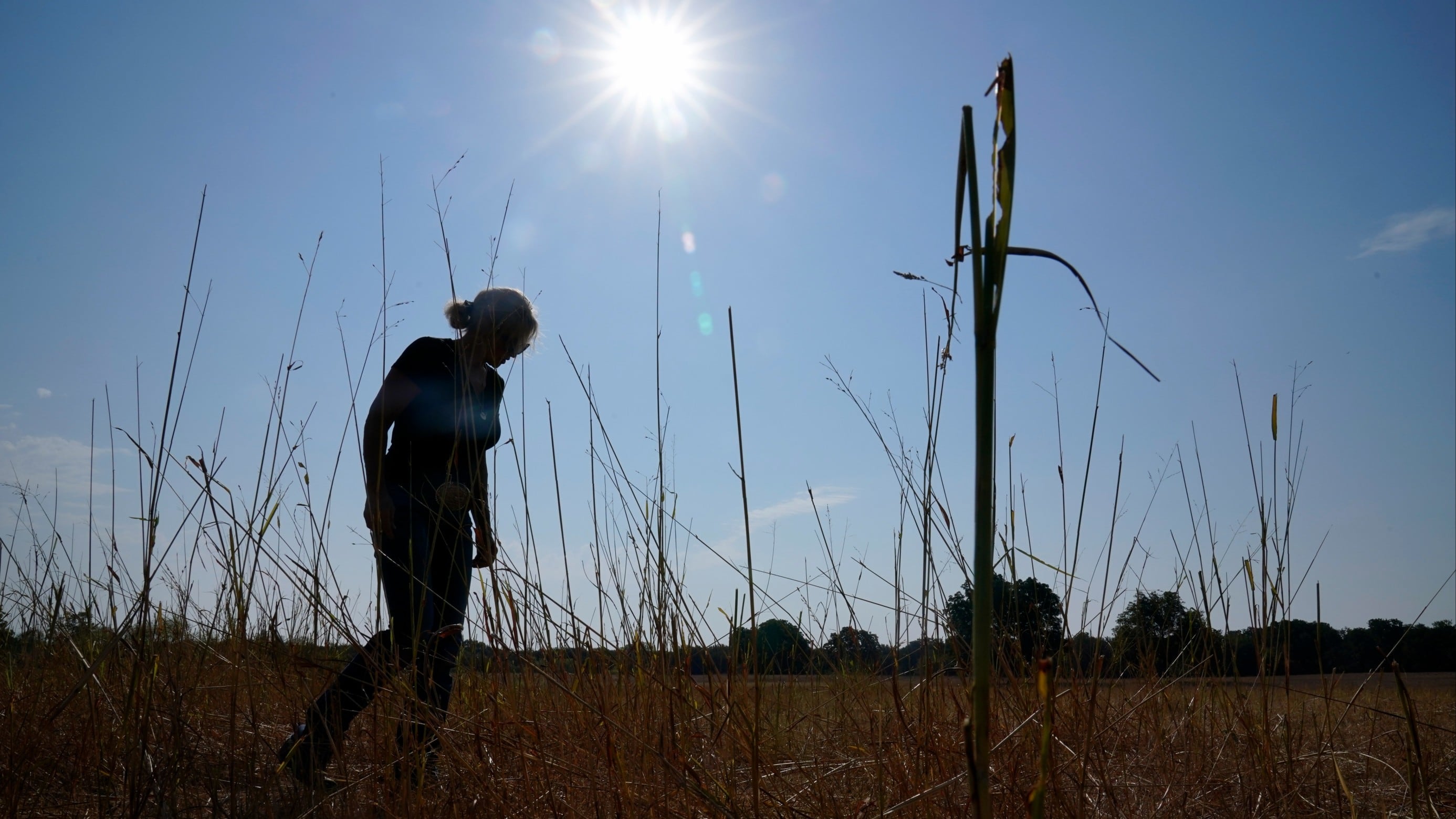
Irrigation might have saved Jackson's hay, but she and her husband rejected the idea about 10 years ago over the cost: as much as $75,000 for a new well and all the equipment. But now — with an extended drought and another U.S. heat wave this week that will broil her land about an hour northwest of Dallas for days in 100-degree-plus temperatures — Jackson said she is “kind of rethinking.”
Children’s advocacy groups including Fairplay and Common Sense Media are asking the Federal Trade Commission to investigate Google, saying the tech giant serves personalized ads to kids on YouTube despite federal law prohibiting the practice.
U.S. regulators on Wednesday announced a settlement with the company that runs Dollar Tree and Family Dollar aimed at improving worker safety at thousands of the bargain stores across the country.