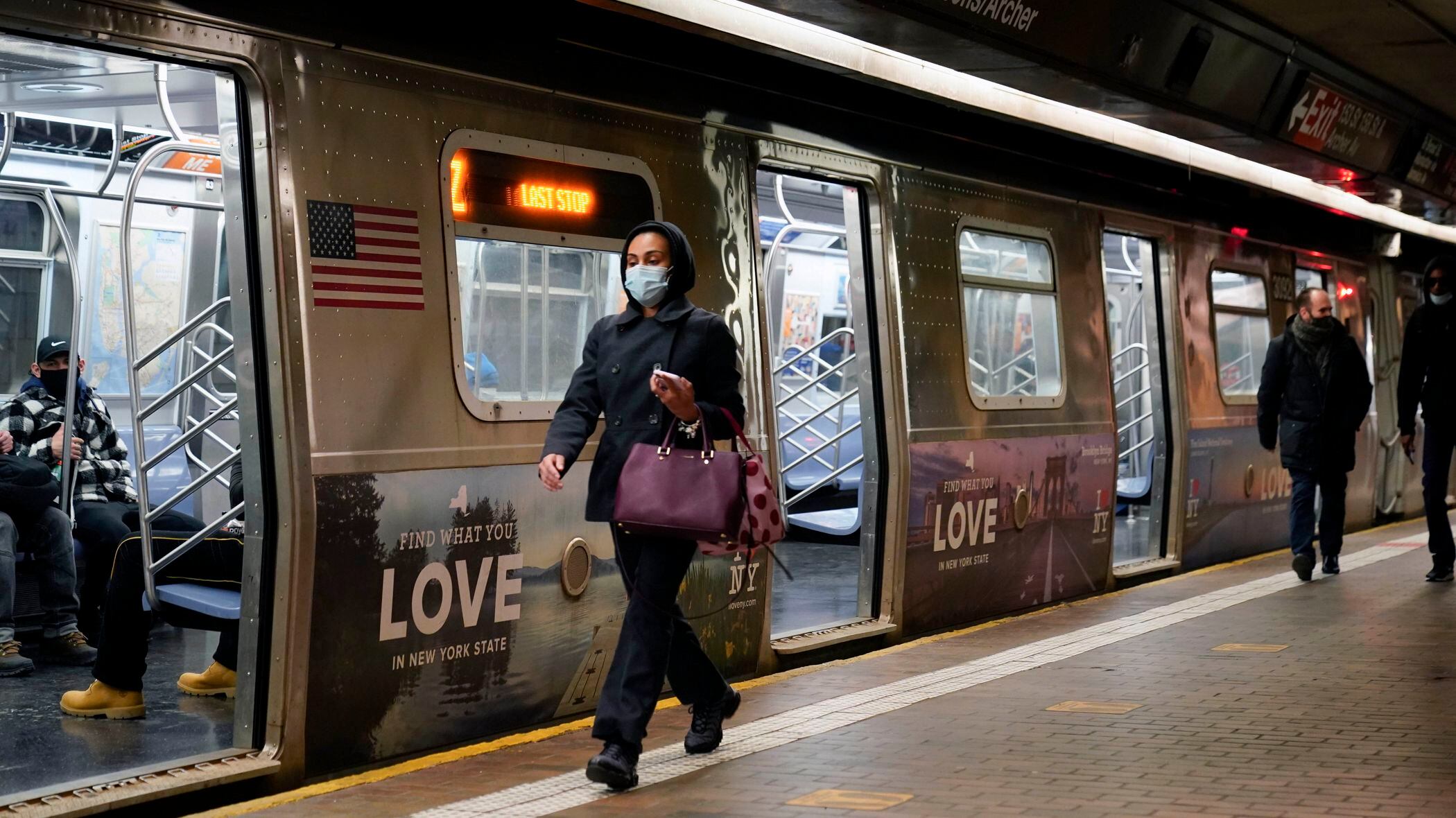
Patrons move through the Jamaica Center subway station Thursday, April 22, 2021, in the Queens borough of New York.
Hackers infiltrated computer systems for the Metropolitan Transportation Authority in New York, setting off a scramble to counter a potentially crippling cyberattack against North America’s largest transit system, MTA officials confirmed on Wednesday.
The officials said in a statement that that agency received an alert from the FBI and other federal agencies saying three of its 18 computer systems were put at risk.
The MTA insisted that it quickly shut down the attack. It said a follow-up forensic analysis also found that no sensitive information was stolen and that rail service for millions of riders each day and other operations were never compromised or disrupted.
“Importantly, the MTA’s existing multi-layered security systems worked as designed, preventing spread of the attack and we continue to strengthen these comprehensive systems and remain vigilant as cyberattacks are a growing global threat,” said Rafail Portnoy, the MTA’s chief technology officer.
The cyberattack was first reported on Wednesday by The New York Times, citing an internal document that was not made public. It was suspected that the breach had links to China, according to the Times.
A statement from the MTA did not mention China. There was no immediate response to requests for comment from the Department of Homeland Security, which is investigating the case.
The MTA systems appear to have been attacked on two days in the second week of April and continued at least until April 20, the Times reported. Hackers gained to systems used by New York City Transit — which oversees the subway and buses — and also the Long Island Rail Road and Metro-North Railroad, according to the MTA document, the newspaper said.
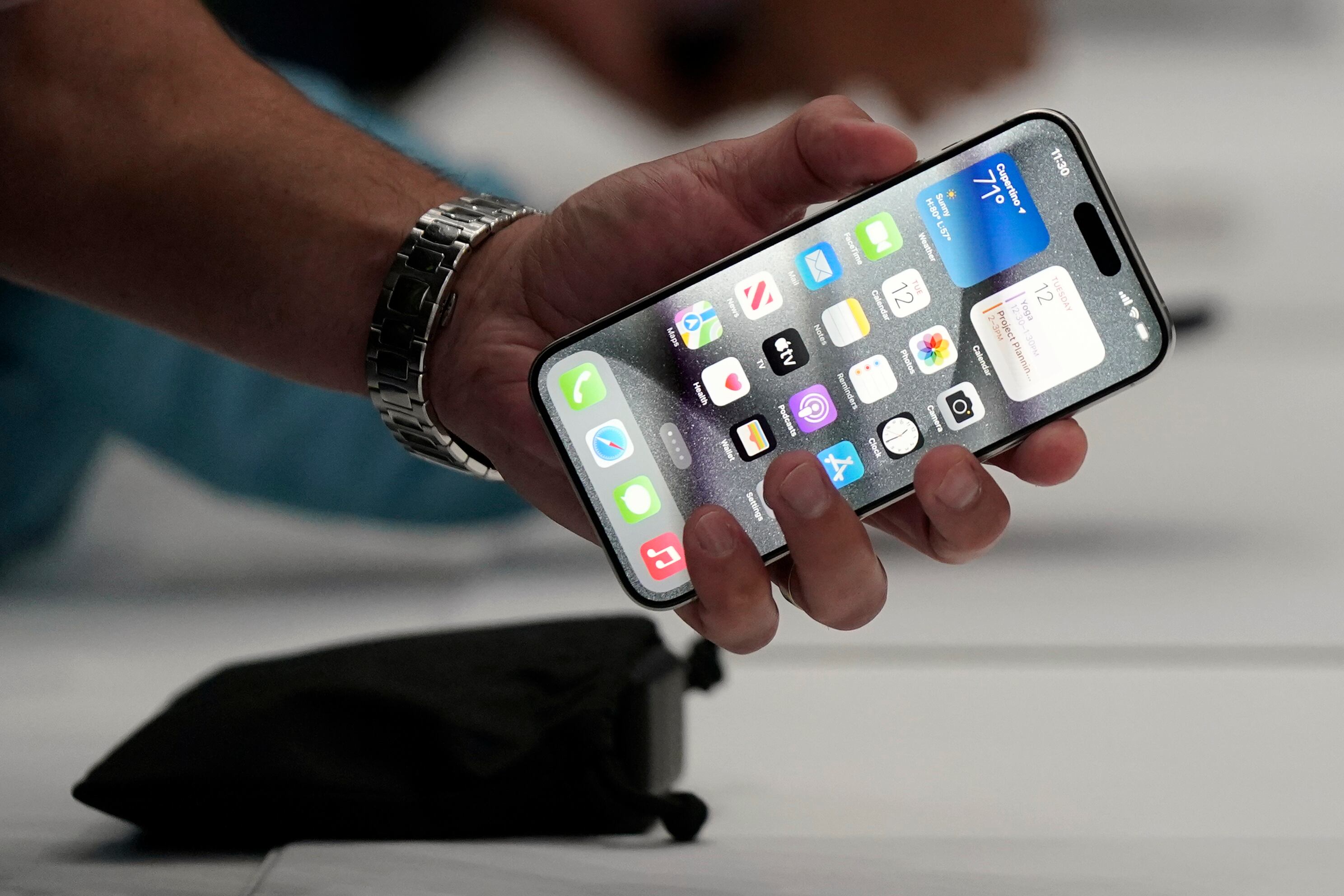
Apple has rolled out an update to its operating system this week with a feature called Stolen Device Protection. It makes it a lot harder for phone thieves to access key functions and settings, and users are being urged to turn it on immediately.
The U.S. economy grew at an unexpectedly brisk 3.3% annual pace from October through December as Americans showed a continued willingness to spend freely despite high interest rates and frustrating price levels.
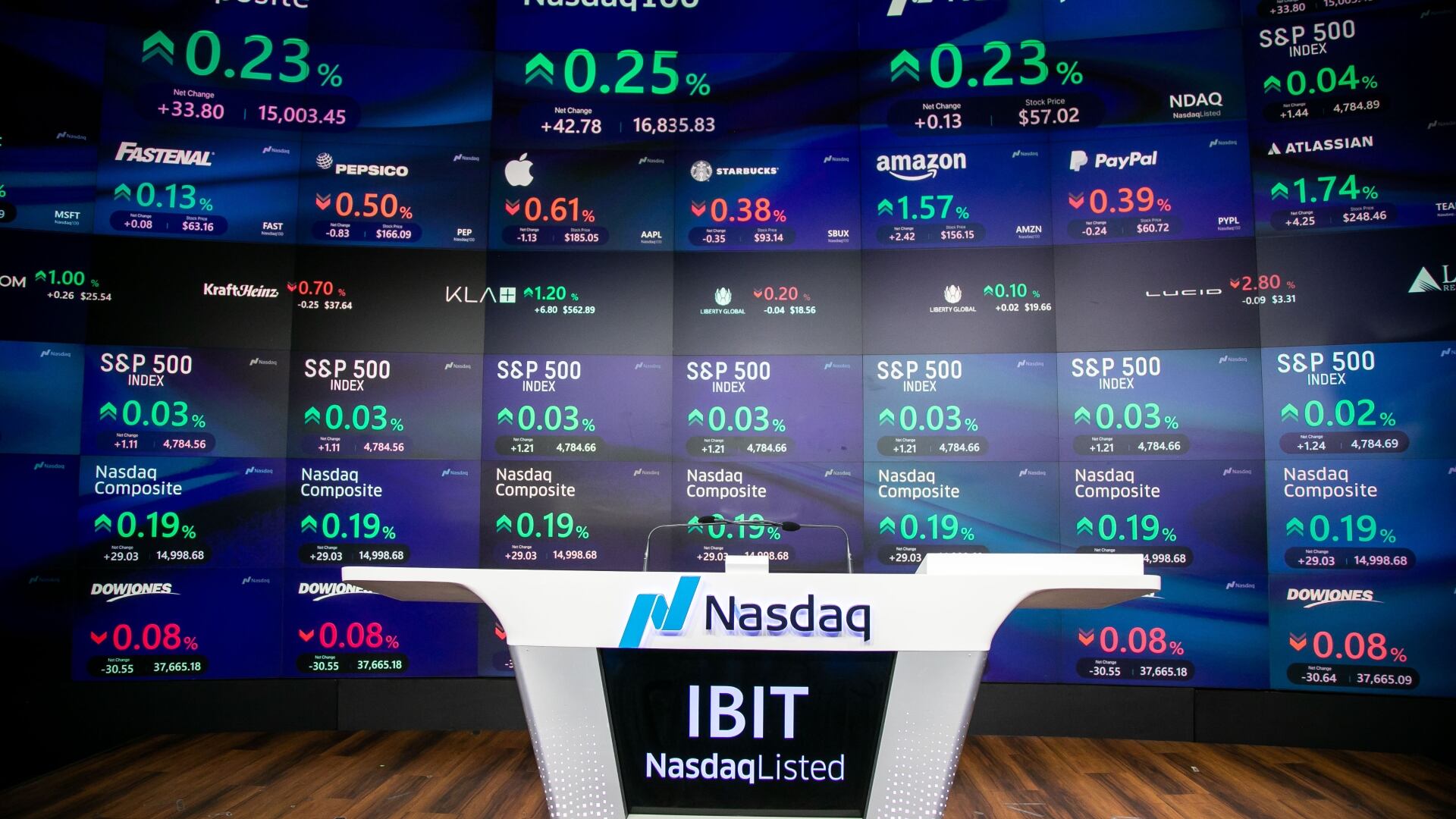
Alan Becker, CEO and Investment Adviser Representative at Retirement Solutions Group and RSG Investments, shares his thoughts on the latest GDP data plus why he's not sold cryptocurrency as a long-term asset.
The Biden administration wants to ban another type of bank “junk fee," targeting fees that are typically charged by banks when a transaction is declined in real time.
Al Root, senior writer at Barron’s, breaks down everything expected from Tesla’s earnings report, from Elon Musk’s demands from the board to why the market has been looking for affordable EV options.
Online retailer eBay Inc. will cut about 1,000 jobs, or an estimated 9% of its full-time workforce. The announcement follows similar moves by other tech companies that ramped up hiring during the pandemic while people spent more time and money online.
Tony Drake, CFP at Drake and Associates, LLC shares thoughts on whether the record gains in technology will broaden to other sectors, the risks of the Fed keeping interest rates higher for too long, and the health of the U.S. consumer.