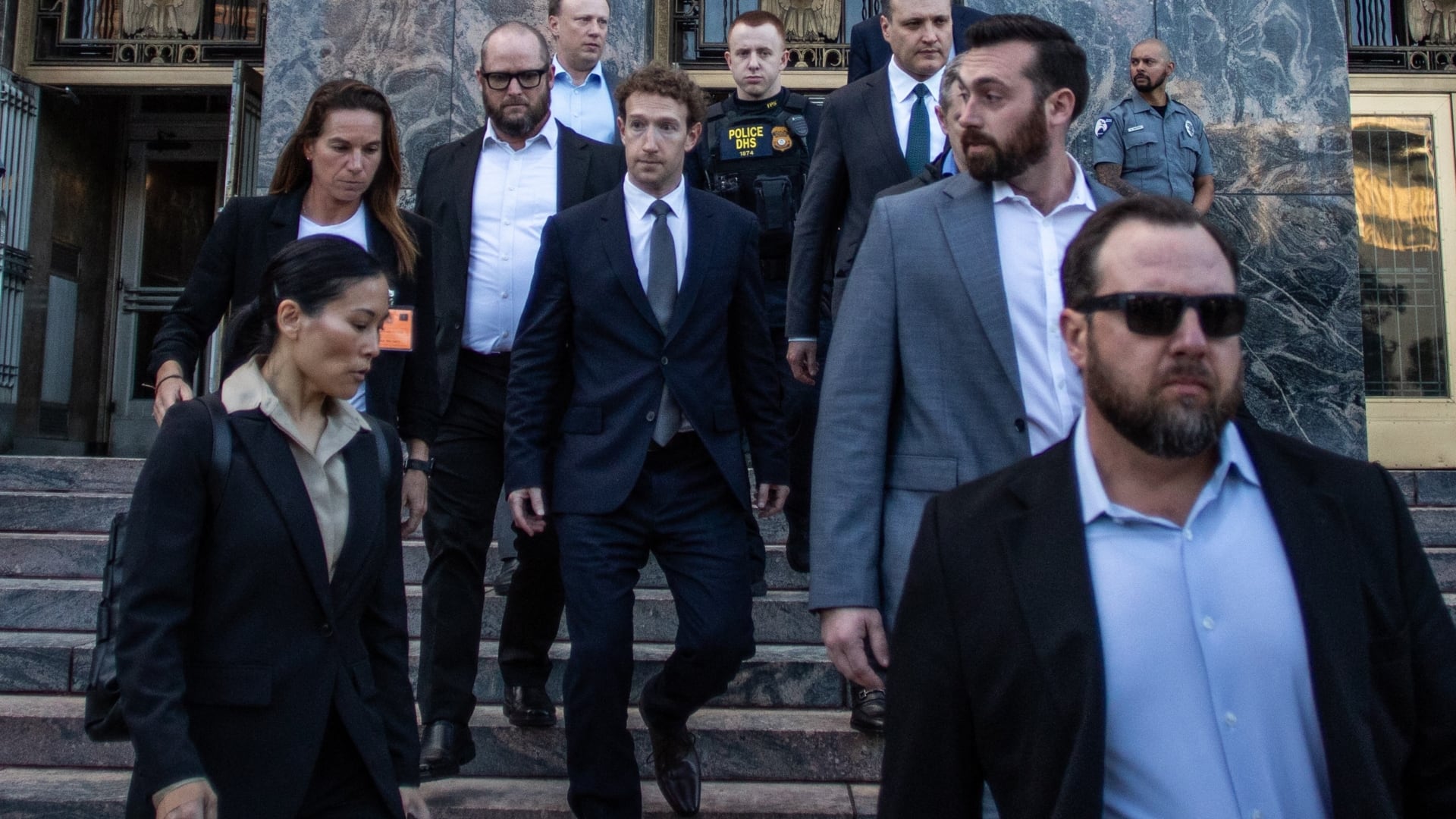
*By Alex Heath* Questions still linger over who was behind the coordinated misinformation campaign on Facebook ahead of the U.S. midterm elections. “Facebook does not want to make an attribution yet,” Kevin Roose of The New York Times told Cheddar on Wednesday. “They have not definitively said this is Russia or this isn’t Russia.” On Tuesday, Facebook disclosed that it had removed 32 accounts and pages that were involved in “coordinated inauthentic behavior.” The accounts organized real-world events around hot-button issues, like a sequel to last year’s deadly white supremacist rally in Charlottesville, Virginia. One of the pages, called "Resisters,” created a Facebook event for a protest in Washington that was scheduled to take place next week. “Facebook is clearly taking the threat of foreign-led disinformation campaigns very seriously,” Theresa Payton, former White House CIO under President George W. Bush, told Cheddar on Wednesday. “Russian operatives and other operatives around the globe that want to meddle in elections have been changing their tactics to learn how to hide in plain site. This is just a drill, what’s going on going into the midterm elections.” Facebook says that it’s in the early stage of investigating who is behind the coordinated effort. The social network recently began notifying members of the Justice Department and says it has been working with the FBI to investigate the activity. Meanwhile, Facebook continues to deal with the fallout of the Cambridge Analytica scandal, which exposed the data of millions of Facebook users. The company said on Tuesday that it had cut off access to “hundreds of thousands of inactive apps that have not submitted for our app review process.” For more on this story, [click here](https://cheddar.com/videos/facebook-still-unsure-whos-behind-latest-political-influence-campaign).

Share:
More In Technology
Universal Music and AI song generator Udio partner on new AI platform
Universal Music Group and AI platform Udio have settled a copyright lawsuit and will collaborate on a new music creation and streaming platform. The companies announced on Wednesday that they reached a compensatory legal settlement and new licensing agreements. These agreements aim to provide more revenue opportunities for Universal's artists and songwriters. The rise of AI song generation tools like Udio has disrupted the music streaming industry, leading to accusations from record labels. This deal marks the first since Universal and others sued Udio and Suno last year. Financial terms of the settlement weren't disclosed.
Microsoft deploys a fix to Azure cloud service that’s hit with outage
Microsoft says users of its Azure cloud portal may be not be able to access Office 365, Minecraft or other services due to issues with its global content delivery network services. The tech company posted a note to its Azure status page that its teams are currently deploying a fix to address the outage.
What to know about the Amazon cloud outage
An internet outage on Monday morning highlights the reliance on Amazon's cloud services. This incident reveals vulnerabilities in the concentrated system. Cloud computing allows companies to rent Amazon's infrastructure instead of building their own. Amazon leads the market, followed by Google and Microsoft. The outage originated in Northern Virginia, the biggest and oldest cloud hub in the U.S. This region handles significantly more data than other hubs. Despite the idea of spreading workloads, many rely on this single hub. The demand for computing power, especially for AI, is driving a construction boom for data centers.
Sex is a big market for the AI industry. ChatGPT won’t be the first to try to profit from it
OpenAI has announced that ChatGPT will soon engage in "erotica for verified adults." CEO Sam Altman says the company aims to allow more user freedom for adults while setting limits for teens. OpenAI isn't the first to explore sexualized AI, but previous attempts have faced legal and societal challenges. Altman believes OpenAI isn't the "moral police" and wants to differentiate content similar to how Hollywood differentiates R-rated movies. This move could help OpenAI, which is losing money, turn a profit. However, experts express concerns about the impact on real-world relationships and the potential for misuse.
Load More