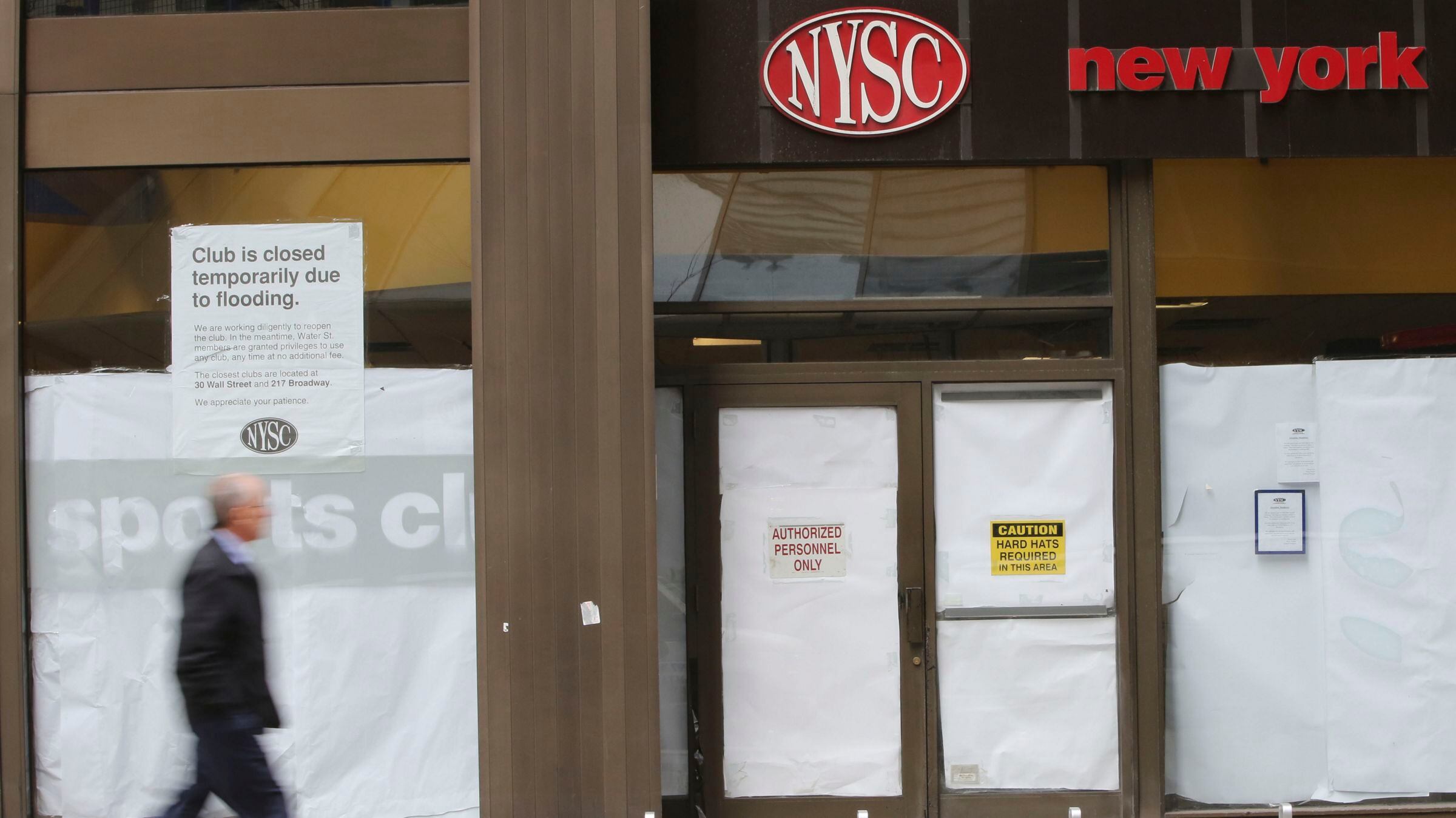
In this Feb. 7, 2013 photo, a man walks past a shuttered New York Sports Club on Water St. in New York. Town Sports International Holdings Inc., the owner of New York Sports Club and Lucille Roberts filed for Chapter 11 bankruptcy Monday, Sept. 14, 2020, as gym operators struggle to keep afloat amid nationwide shutdowns. (AP Photo/Mary Altaffer, File)
By Damian J. Troise
The company that runs New York Sports Club and Lucille Roberts gyms filed for bankruptcy protection with COVID-19, still prevalent in man parts of the U.S., gutting membership rolls at fitness companies nationwide.
Gold's Gym sought bankruptcy protection in May and 24 Hour Fitness Worldwide filed for bankruptcy in June. Many companies, including Planet Fitness, furloughed workers in order to conserve cash.
Town Sports International Holdings Inc., which also operates Washington Sports Club and Total Woman Gym and Spa, said Monday that it can no longer pay its debts.
The company lost $136 million during the first quarter this year, only a fraction of which included state- and city-mandated shutdowns of retail shops, gyms, salons, restaurants, and bars. By the end of the three-month reporting period, 95 percent of Town Sports' clubs had been closed.
Town Sports operates 185 clubs and serves 580,000 members, mostly in the Northeast.
Gyms have been allowed to reopen at a fraction of their capacity in some regions like the Northeast. Those who do go to gyms in New York City are required to wear a mask at all times and gyms can only operate at one-third capacity. Group fitness classes are still not permitted.
Yet with more than 33,000 COVID-19 related deaths in New York, most of them in New York City, thousands of one-time gymgoers have taken their routines outdoors, or to their own homes.
Home fitness company Peloton reported a 172 percent surge in revenue during its most recent quarter and it doubled its subscribers. Bike shops in New York, as well as most outdoor fitness gear sellers, have been largely cleared out.
The Chinese government causing quite a stir after urging families to stock up on essentials ahead of winter months amid a global energy crisis and supply chain woes disruptions. Keith Krach, the former Under Secretary of State and former DocuSign Chairman and CEO, joined Cheddar News to discuss.
It's earnings season for the hospitality industry, with Marriott, MGM, Booking Holdings, and Hyatt all set to report on November 3. The stakes are high as investors look for signs that travel is returning after months of pandemic-related disruptions. Hilary Kramer, chief investment officer for Kramer Capital Research, joined Cheddar to explain why the industry still has a long way to go when it comes to recovering from the pandemic.
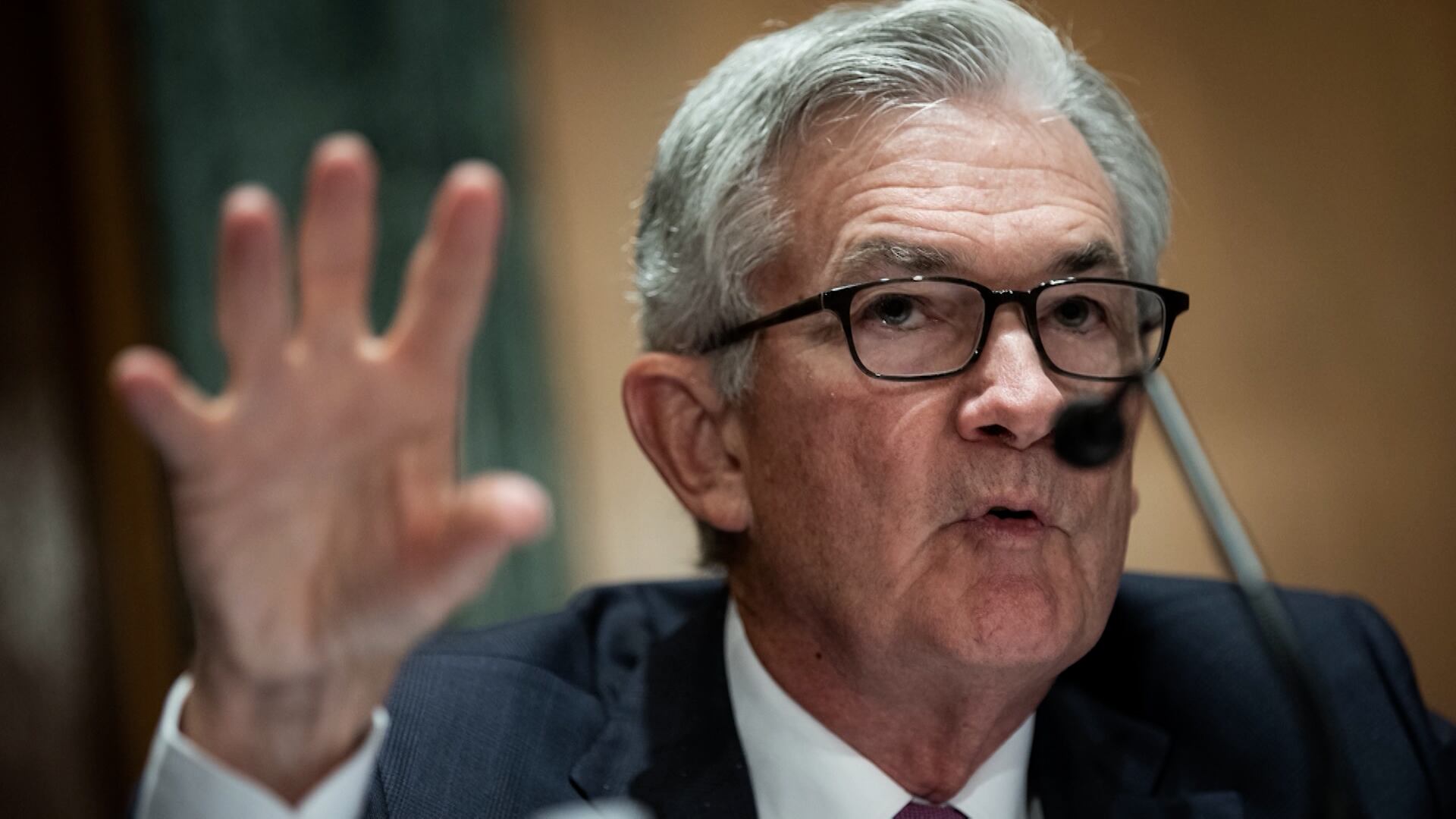
The Federal Reserve announced it would begin tapering asset purchases in mid-November and that it would keep interest rates low. Stocks hit a record high on the announcement. Dan Eye, Head of Asset Allocation & Equity Research at Fort Pitt Capital Group, joins Cheddar News' Closing Bell to discuss the Fed news, as well as Q3 earnings season.
Both the S&P 500 and Nasdaq hit new highs Thursday, with investors keeping an eye on strong economic data, and tech stocks boosting the Nasdaq. The Dow closed lower, but hovered near a record. Brandon Pizzurro, Director of Public Investments at GuideStone Capital Management, joins Cheddar News' Closing Bell to discuss today's close, Q3 earnings season so far, and 2022 outlook amid Fed announcements.
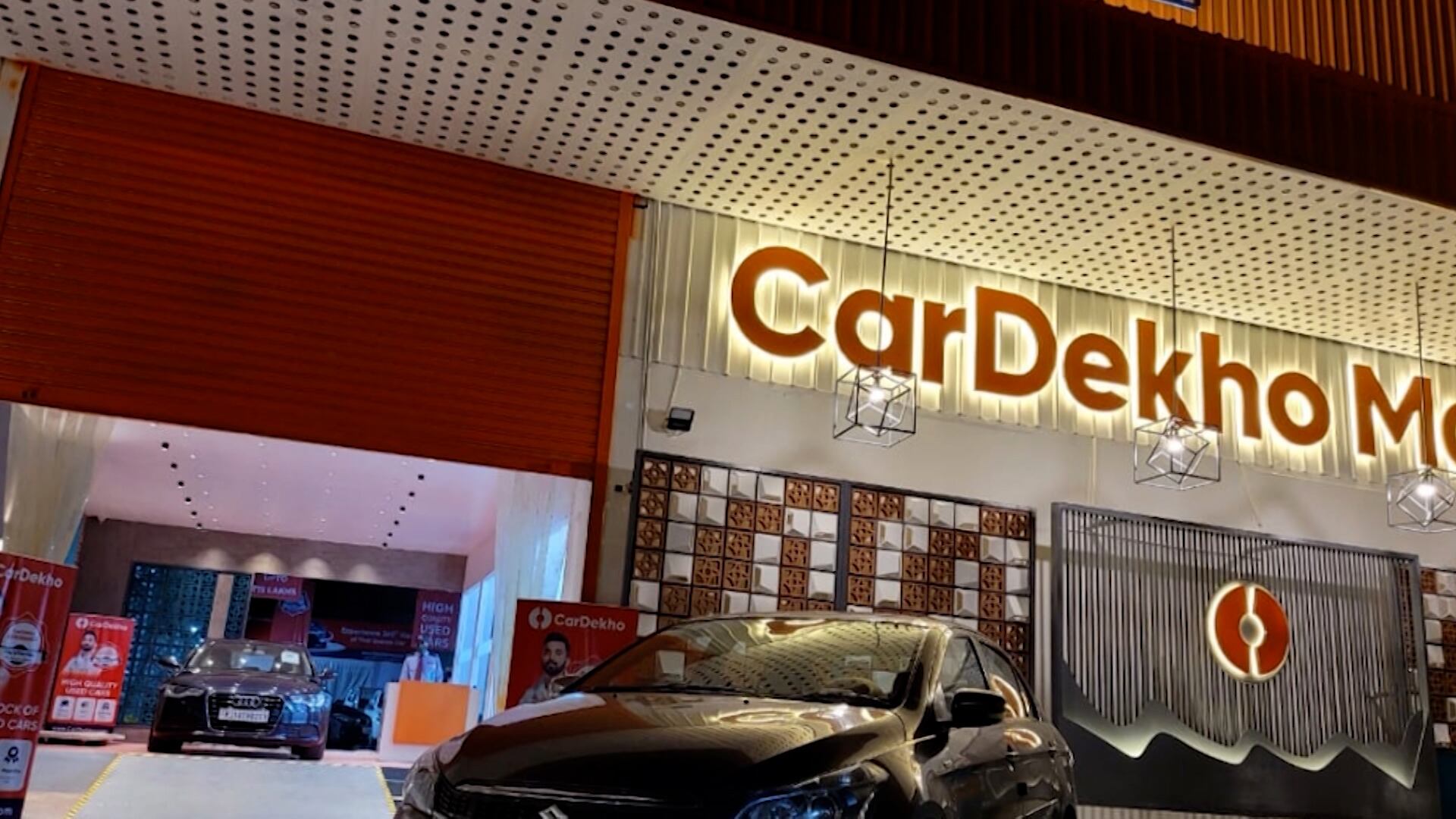
The largest car search platform in India, Cardekho, recently raised $250 million in what the company calls a pre-IPO round led by leapfrog investments. The funding bumps CarDekho above unicorn status with a $1.2 billion valuation. The company currently has a catalogue of more than 3,000 pre-owned cars for online purchases and hopes to expand with the new funding. Partner and co-head of South Asian investment for LeapFrog Stewart Langdon joins Cheddar News' Closing Bell to discuss.
E-scooter company Bird made its public debut on the New York Stock Exchange on Thursday. CFO Yibo Ling joined Cheddar to discuss what made the company launch a SPAC IPO now. Ling noted one of the deciding factors was the need to scale the business to help take "gas-guzzling cars off the road" by growing into more locations. "A large portion of our proceeds will go to fund expansion into these new geographies," he said.