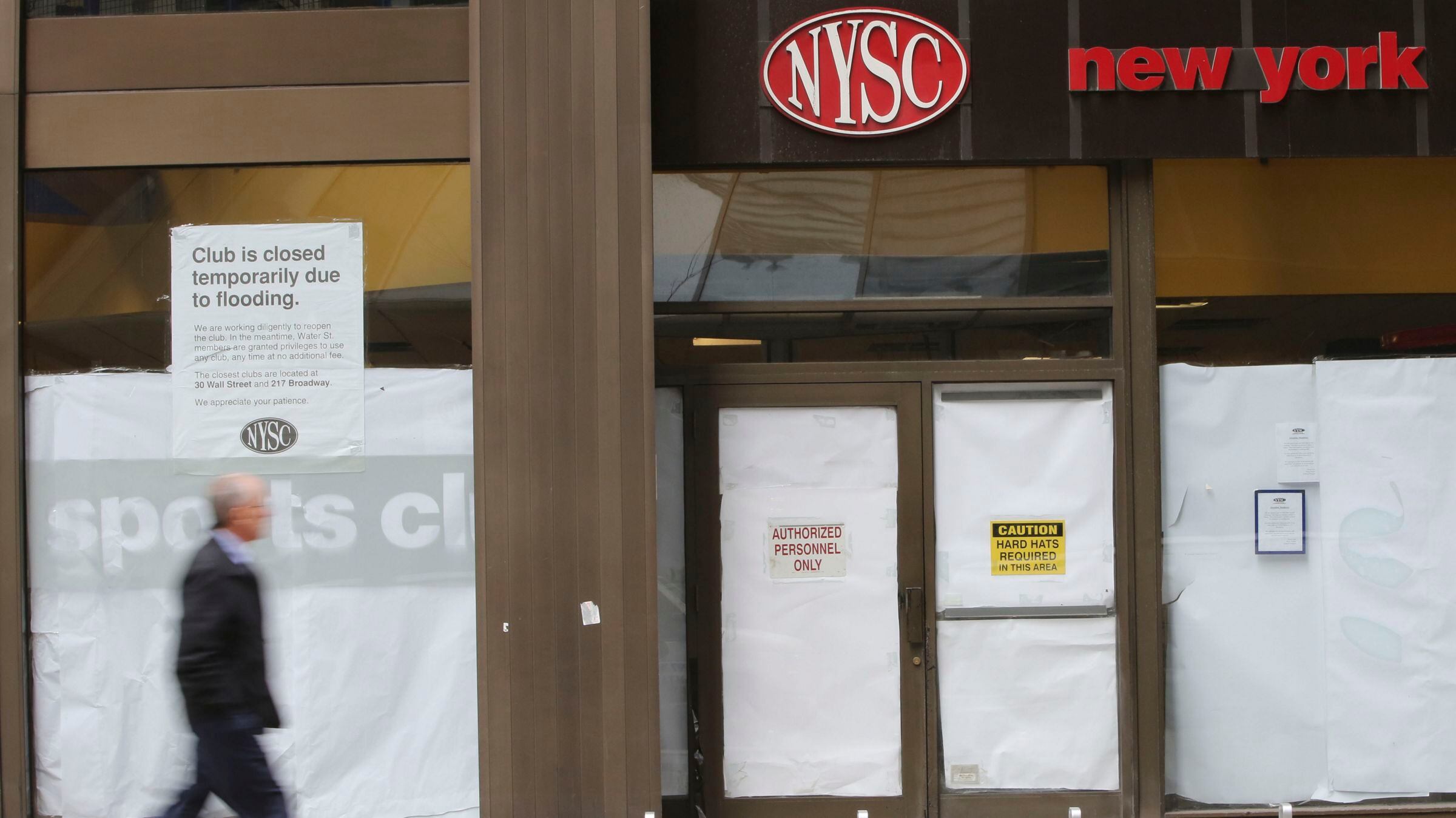
In this Feb. 7, 2013 photo, a man walks past a shuttered New York Sports Club on Water St. in New York. Town Sports International Holdings Inc., the owner of New York Sports Club and Lucille Roberts filed for Chapter 11 bankruptcy Monday, Sept. 14, 2020, as gym operators struggle to keep afloat amid nationwide shutdowns. (AP Photo/Mary Altaffer, File)
By Damian J. Troise
The company that runs New York Sports Club and Lucille Roberts gyms filed for bankruptcy protection with COVID-19, still prevalent in man parts of the U.S., gutting membership rolls at fitness companies nationwide.
Gold's Gym sought bankruptcy protection in May and 24 Hour Fitness Worldwide filed for bankruptcy in June. Many companies, including Planet Fitness, furloughed workers in order to conserve cash.
Town Sports International Holdings Inc., which also operates Washington Sports Club and Total Woman Gym and Spa, said Monday that it can no longer pay its debts.
The company lost $136 million during the first quarter this year, only a fraction of which included state- and city-mandated shutdowns of retail shops, gyms, salons, restaurants, and bars. By the end of the three-month reporting period, 95 percent of Town Sports' clubs had been closed.
Town Sports operates 185 clubs and serves 580,000 members, mostly in the Northeast.
Gyms have been allowed to reopen at a fraction of their capacity in some regions like the Northeast. Those who do go to gyms in New York City are required to wear a mask at all times and gyms can only operate at one-third capacity. Group fitness classes are still not permitted.
Yet with more than 33,000 COVID-19 related deaths in New York, most of them in New York City, thousands of one-time gymgoers have taken their routines outdoors, or to their own homes.
Home fitness company Peloton reported a 172 percent surge in revenue during its most recent quarter and it doubled its subscribers. Bike shops in New York, as well as most outdoor fitness gear sellers, have been largely cleared out.
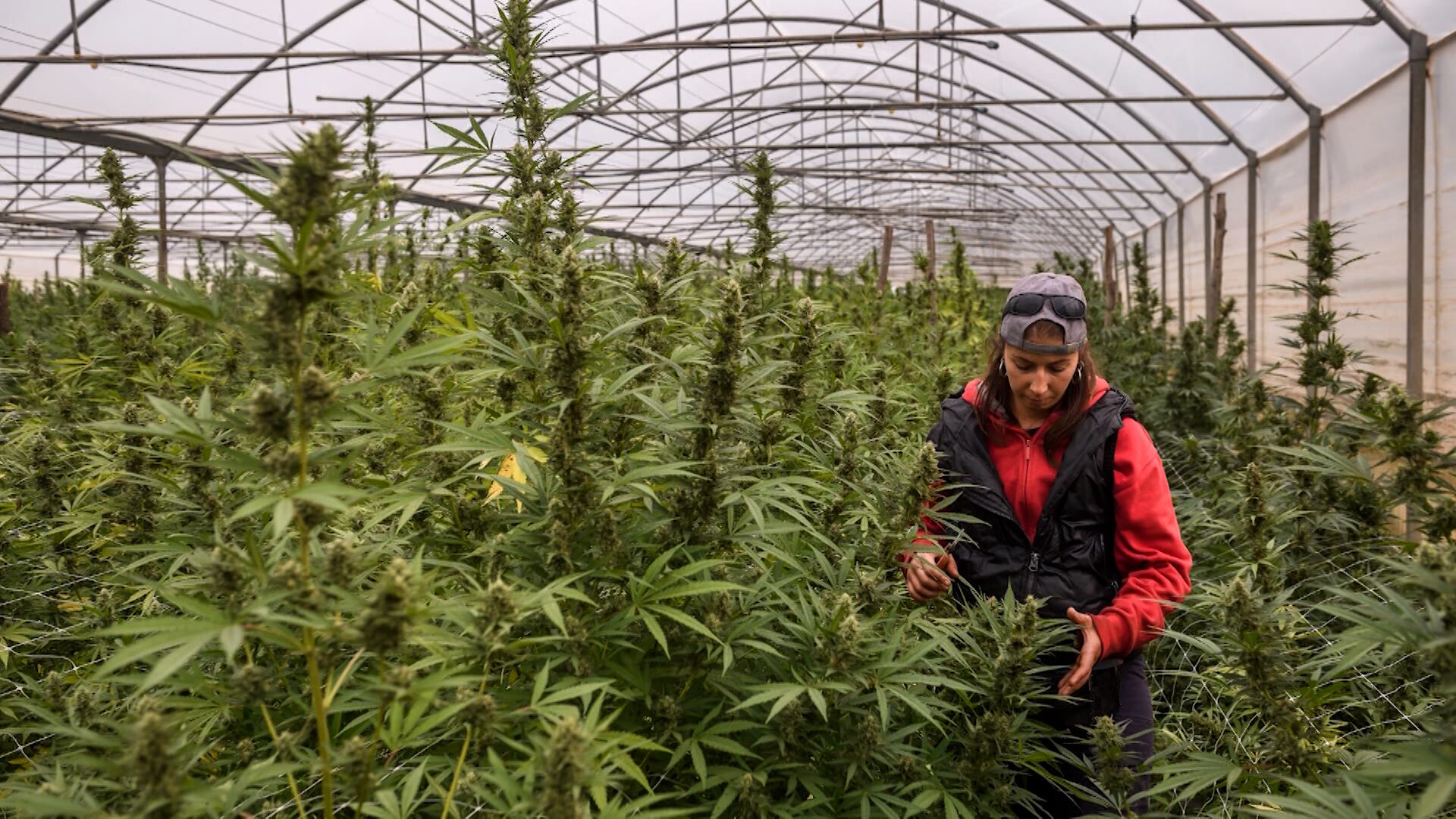
Cheddar's Chloe Aiello has our cannabis year-in-review, breaking down how several states legalized adult recreational use and greenlit medicinal use in 2021. She noted that while a cannabis legalization and decriminalization bill was introduced in Congress this year, potential FDA involvement in the industry, as well as a 25 percent excise tax, killed any chance the bill had of moving forward. Aiello also speculated that some form of cannabis reform could be rolled out in 2022, as the midterm elections draw closer.
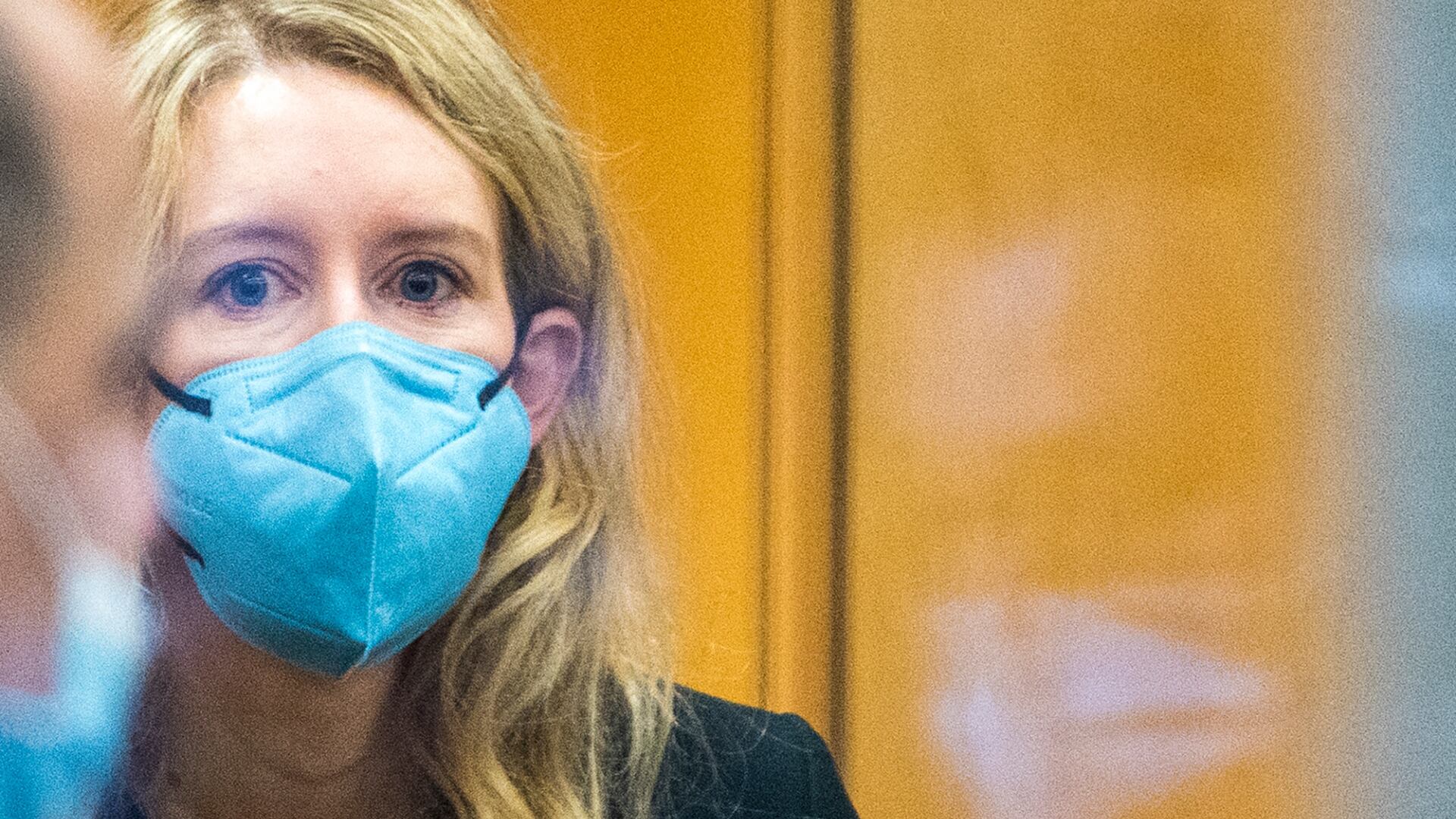
Jurors in the trial against Theranos CEO Elizabeth Holmes have entered day six of deliberations. Holmes is accused of lying to investors about the functionality of a newly developed blood-testing technology. Andrew George, partner at Baker Botts, joined Cheddar to break down key points in the case and what the jury might be considering during their deliberations. He also noted that the rest of Silicon Valley, including Holmes' business partner, Ramesh "Sunny" Balwani, who is facing identical charges, is closely watching the outcome of deliberations — as it could set the tone for future regulations and Balwani's own trial.
While slumps within the crypto market have typically correlated with major developments, such as China's crypto crackdown or Tesla reversing course on accepting bitcoin, the current slide is coming at a time when the stock market is at or near record levels. Reporter Alex Vuocolo talks about the role of the crypto derivatives market in bitcoin's latest price drop, as well as the future of sustainability in the space.
According to researchers, the state of California's cap-and-trade program is currently being undermined by forest fires caused primarily by climate change. Over the past few years, trees that were set aside for the program have been releasing carbon as they continue to burn in fires. Climate Researcher and Policy Director at CarbonPlan Danny Cullenward, joined Cheddar to discuss more.
Daniel Folkman, senior vice president of business at Gopuff, joined Cheddar to talk about the company's year of hypergrowth in 2021, particularly amid the COVID-19 pandemic, and what consumers can expect from the quick delivery market in 2022. He noted that the company's delivery sector performed at a high level this year but its e-commerce business is still in its infancy, with less than 10 percent of customers purchasing items sold by Gopuff. Folkman also talked about production expansion, including freshly-made pizza and milkshakes that people can order along with their cleaning supplies.