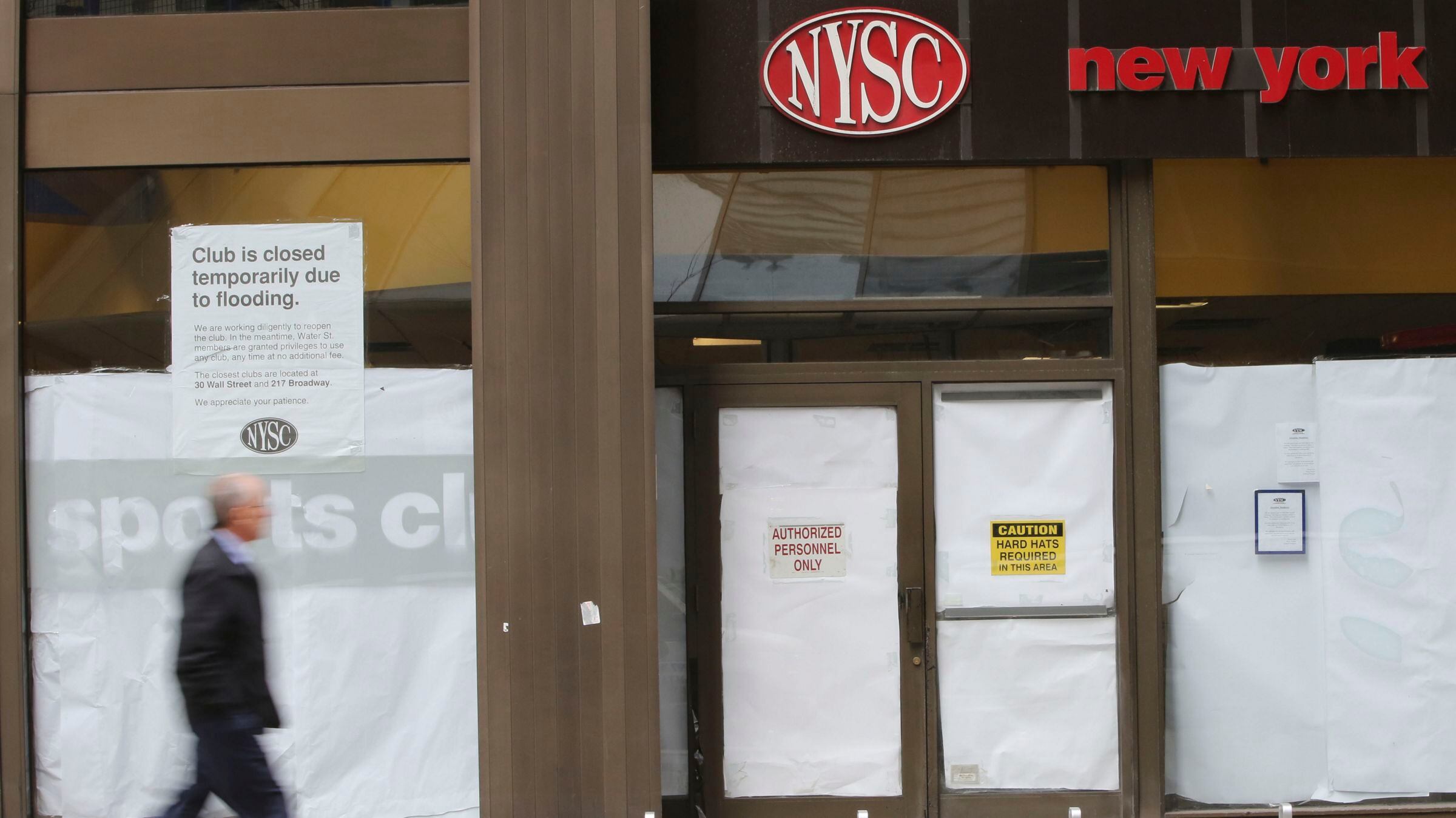
In this Feb. 7, 2013 photo, a man walks past a shuttered New York Sports Club on Water St. in New York. Town Sports International Holdings Inc., the owner of New York Sports Club and Lucille Roberts filed for Chapter 11 bankruptcy Monday, Sept. 14, 2020, as gym operators struggle to keep afloat amid nationwide shutdowns. (AP Photo/Mary Altaffer, File)
By Damian J. Troise
The company that runs New York Sports Club and Lucille Roberts gyms filed for bankruptcy protection with COVID-19, still prevalent in man parts of the U.S., gutting membership rolls at fitness companies nationwide.
Gold's Gym sought bankruptcy protection in May and 24 Hour Fitness Worldwide filed for bankruptcy in June. Many companies, including Planet Fitness, furloughed workers in order to conserve cash.
Town Sports International Holdings Inc., which also operates Washington Sports Club and Total Woman Gym and Spa, said Monday that it can no longer pay its debts.
The company lost $136 million during the first quarter this year, only a fraction of which included state- and city-mandated shutdowns of retail shops, gyms, salons, restaurants, and bars. By the end of the three-month reporting period, 95 percent of Town Sports' clubs had been closed.
Town Sports operates 185 clubs and serves 580,000 members, mostly in the Northeast.
Gyms have been allowed to reopen at a fraction of their capacity in some regions like the Northeast. Those who do go to gyms in New York City are required to wear a mask at all times and gyms can only operate at one-third capacity. Group fitness classes are still not permitted.
Yet with more than 33,000 COVID-19 related deaths in New York, most of them in New York City, thousands of one-time gymgoers have taken their routines outdoors, or to their own homes.
Home fitness company Peloton reported a 172 percent surge in revenue during its most recent quarter and it doubled its subscribers. Bike shops in New York, as well as most outdoor fitness gear sellers, have been largely cleared out.
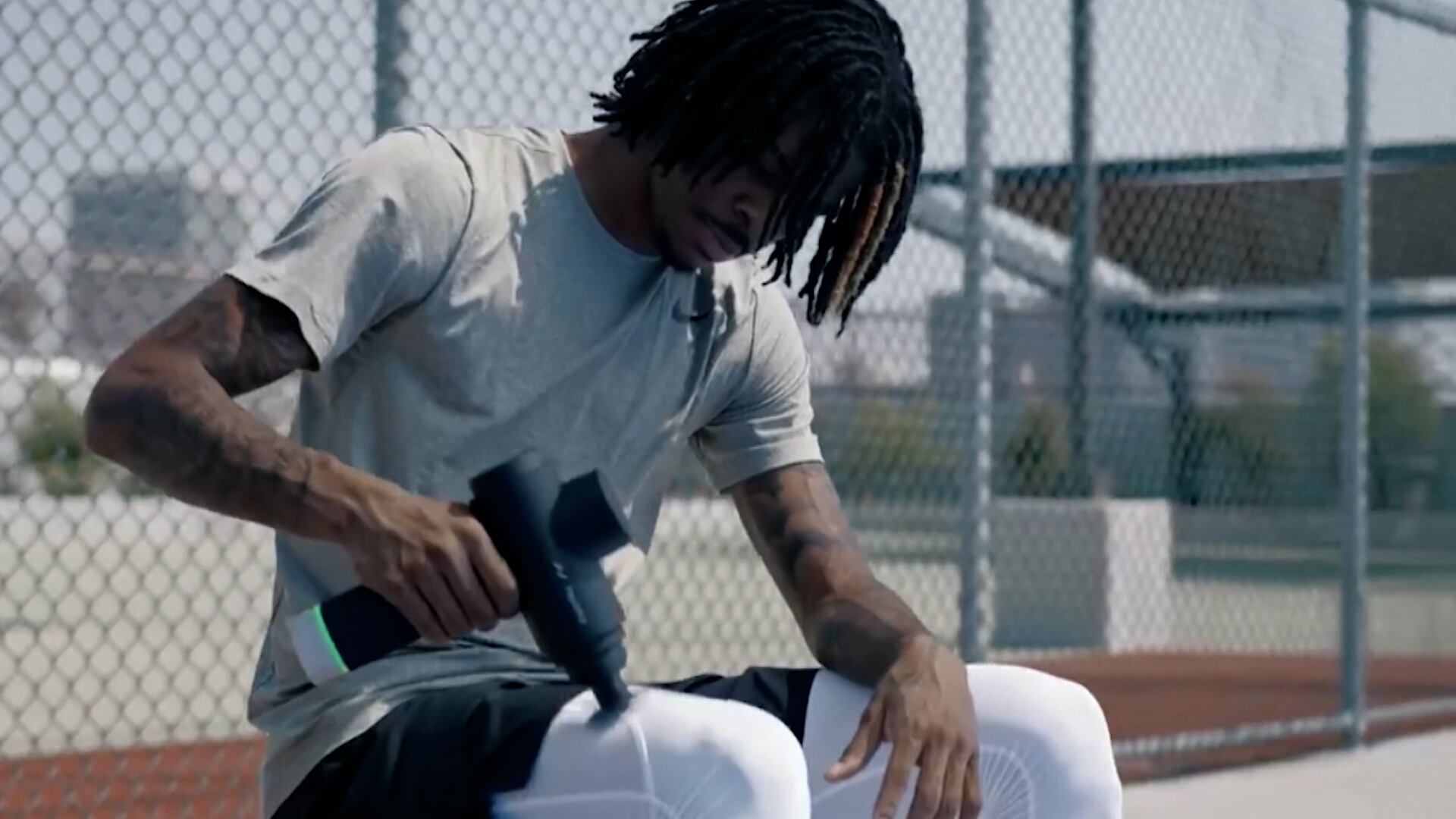
Hyperice is a technology company that specializes in physical recovery for athletes, and it's now partnering with the NFL. Christian McCaffrey, Carolina Panthers running back and Hyperice athlete-investor, and Jim Huether, Hyperice CEO, joined Cheddar News to discuss the partnership. "It's definitely for both for performance and for recovery, as somebody who plays a brutal sport and have to go through some of the unfortunate realities of injury," McCaffery said of the products. "You're always fighting for that 0.1 percent difference between winning and losing and and the little things and every second matters."
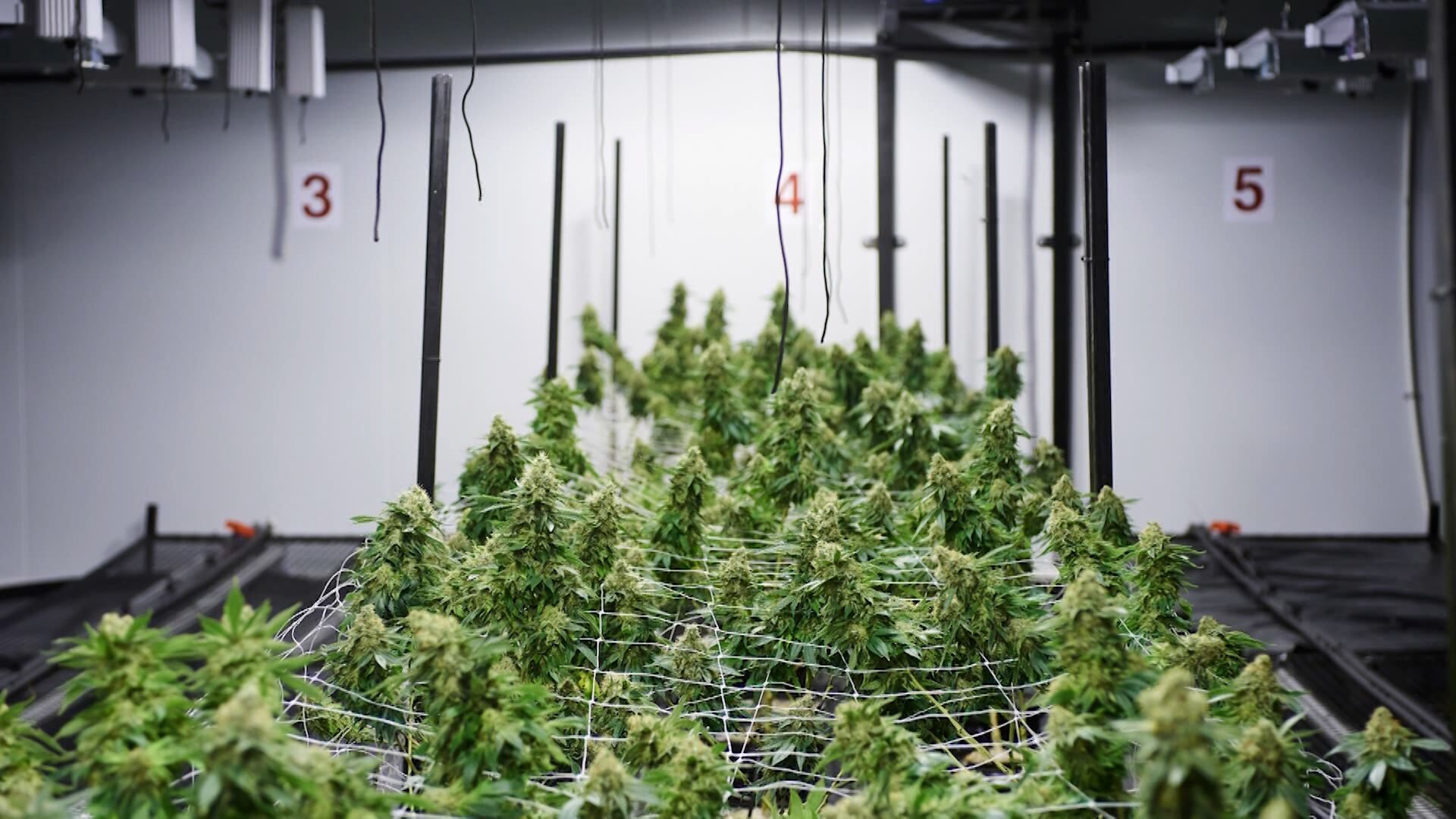
Aurora Cannabis showed a beat on sales for its quarterly earnings report, a positive sign despite a loss of $59 million. CEO Miguel Martin, joined Cheddar Movers to discuss its latest earnings and prospects for future growth. "If you look at our core businesses, they've all had a great quarter, so steady as we go. Our transformation plan is absolutely on track and we feel really good about where the company's going," he said. "Our balance sheet has never been stronger." Martin also discussed entering the U.S. market and the prospects for the medical marijuana market.
Elon Musk announced that he expects Starship to reach orbit in 2022. The SpaceX CEO delivered updates about the largest space vehicle to be constructed from its Texas facility. Jim Cantrell, CEO and co-founder at Phantom Space, joined Cheddar News to talk about the future of Starship. "I've always done wrong by betting against Elon," he said. "The one thing that I find very curious is it launches 100 metric tons into space, and last year, in the entire year, we launched 750. So, you know, with about seven launches, he could launch every satellite on Earth."
Shares of Astra fell after the aerospace company announced a failure to deliver its NASA satellite payload mid-launch, resulting in its stock price plummeting to the point where trading had to be halted twice.
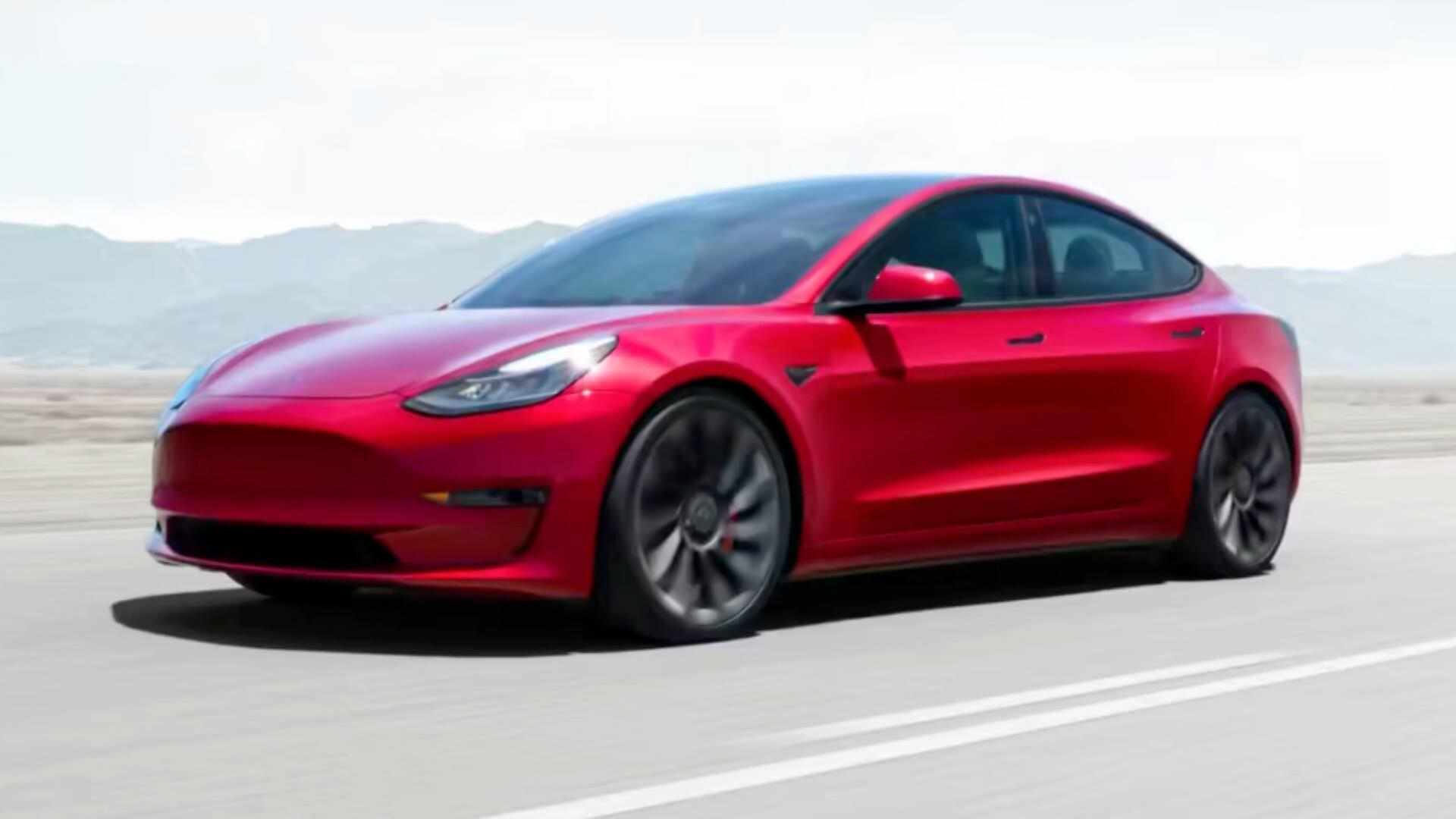
Amid a string of recalls for their electric cars, Tesla is also facing a lawsuit over workplace discrimination. The electric automaker is being accused by California’s Department of Fair Employment and Housing of a pattern of racial discrimination against Black workers. Caleb Silver, Editor-in-Chief at Investopedia, joined Cheddar News to discuss the numerous technical and safety issues that led to the recalls and the allegations of systemic racist abuse at its Fremont plant. "Tesla disputes these claims, but still you can’t avoid the pattern," he said.