Senator Kirsten Gillibrand (D-New York) has been very vocal about what she thinks needs to be done to battle the economic fallout from the coronavirus crisis.
The senator told Cheddar Monday that postal banking will be able to serve more people during the pandemic, specifically low-income families, who may be unbanked.
"It was instrumental in getting us out of the Depression because post offices were able to sell bonds and it made a difference because it allowed more low-income people to have bank accounts," Gillibrand said.
The senator envisions the U.S. Postal Service re-introduce postal banking through its 30,000 locations in a return to a program that served those impacted the most during the Great Depression, a plan to save both the USPS and economically disadvantaged detailed in an op-ed for The New York Times.
On Friday, President Trump had threatened to withhold aid from the USPS if it doesn't dramatically increase its shipping prices for online retailers. Sen. Gillibrand alleged that his choice to block aid was "fundamentally" related to his resistance to mail-in voting for the November election.
"He is absolutely fighting this because he thinks he will win only if less people are able to vote, which is obviously very cynical and not what we expect from a president," she said.
Previously, a fellow Democrat, New York Governor Cuomo, had criticized Gillibrand and Sen. Charles Schumer, also of New York, for failing to provide enough aid to struggling states like their own, but Gillibrand said they have started negotiating the COVID 4 package that will be geared toward state and local governments.
"Our goal is to allow more cities and states access to federal bailout money," she said. "Hopefully, in this next bill, which will begin in the House and Speaker Pelosi can author it, we will be able to send more money to get the states out of these terrible holes that they can't possibly get out of on their own."
The senator also has an idea for a "health force" job-training program that would put unemployed people to work in the fight against COVID-19 and allow more communities to get tested.
"We would allow for one million workers to be trained in the next two months to do this contact tracing along with testing," Gillibrand said. "We could actually be in the communities testing everyone. If we did that, that's how we can reopen society and schools in the fall."
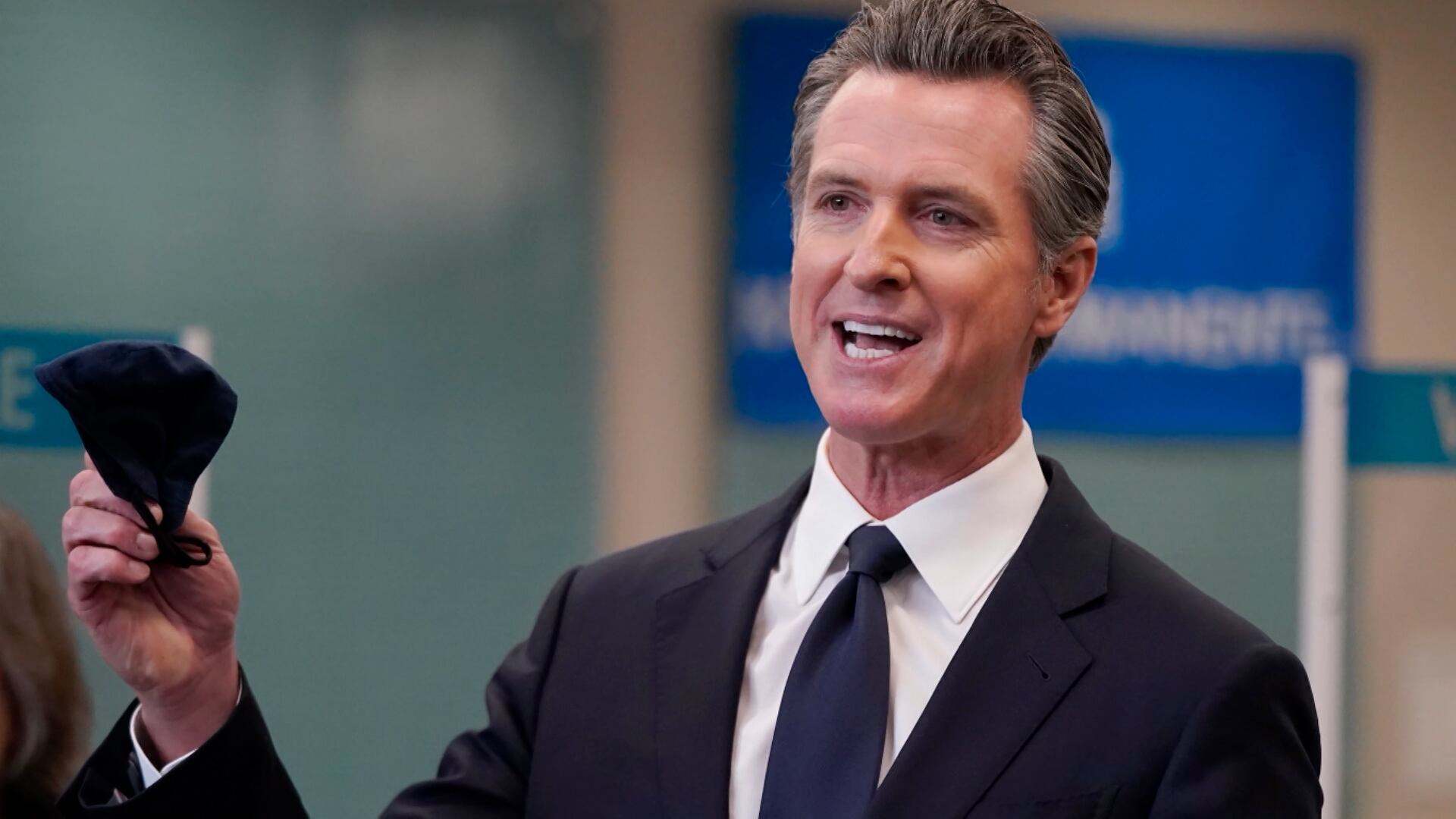
California Governor Gavin Newsom is projected to keep his job. Around two-thirds of the votes have been reported, and roughly 64% of those votes are in favor of keeping Newsom as their governor.
Daniel Strauss, senior political correspondent at The New Republic, joined Cheddar's Opening Bell to discuss more about what Newsom's win means to both political parties moving into Midterm elections season.
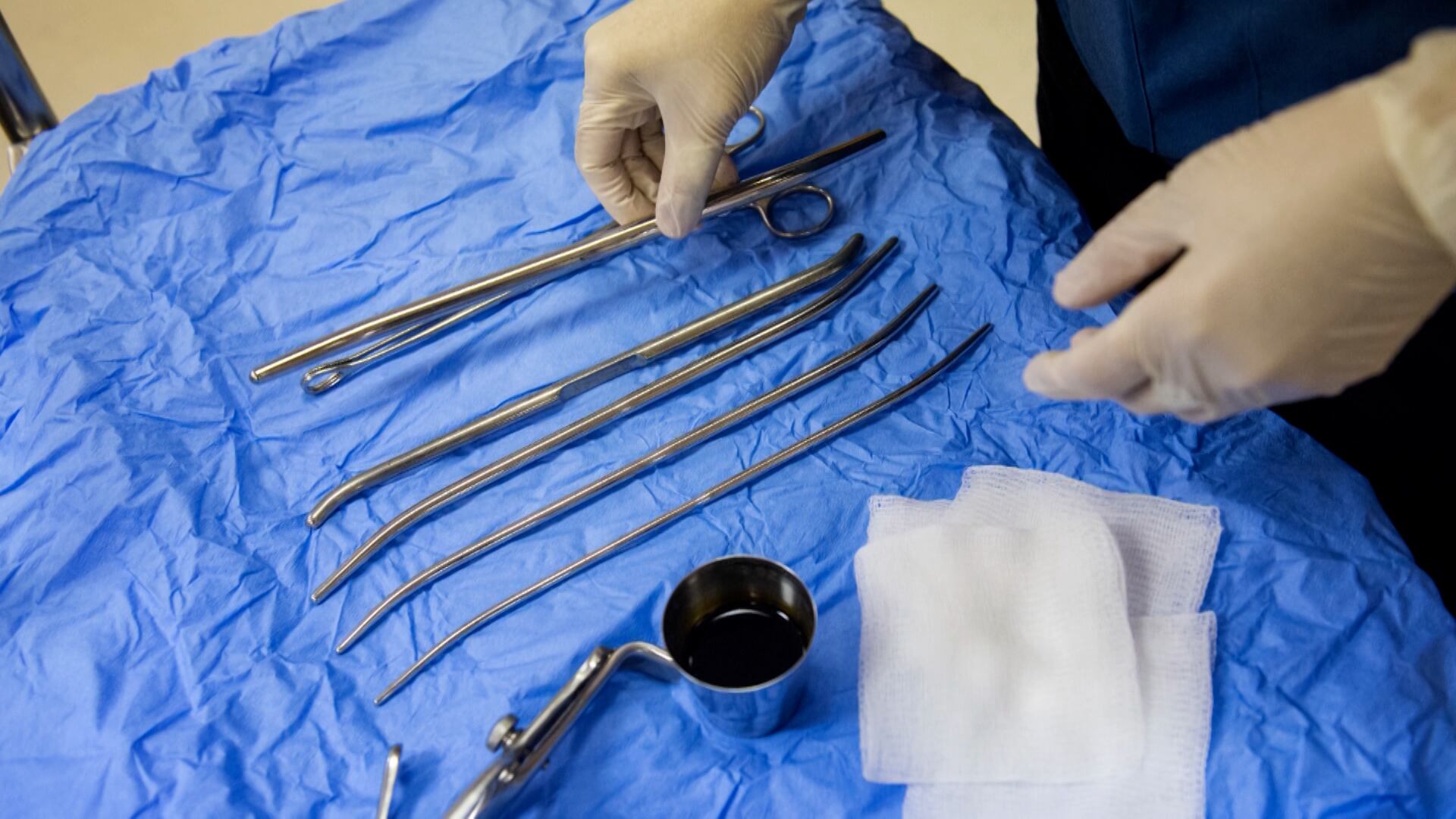
The Department of Justice is suing Texas over the state's new abortion law that prohibits abortions after six weeks, well before many women even know they're pregnant. The lawsuit argues the law is unconstitutional under long-standing Supreme Court precedent. It was filed last week in federal court in Texas, but could go all the way to the high court within weeks. Josh Blackman, a constitutional law professor at South Texas College of Law Houston, discusses the DOJ lawsuit and what it could mean for other abortion laws across the country.
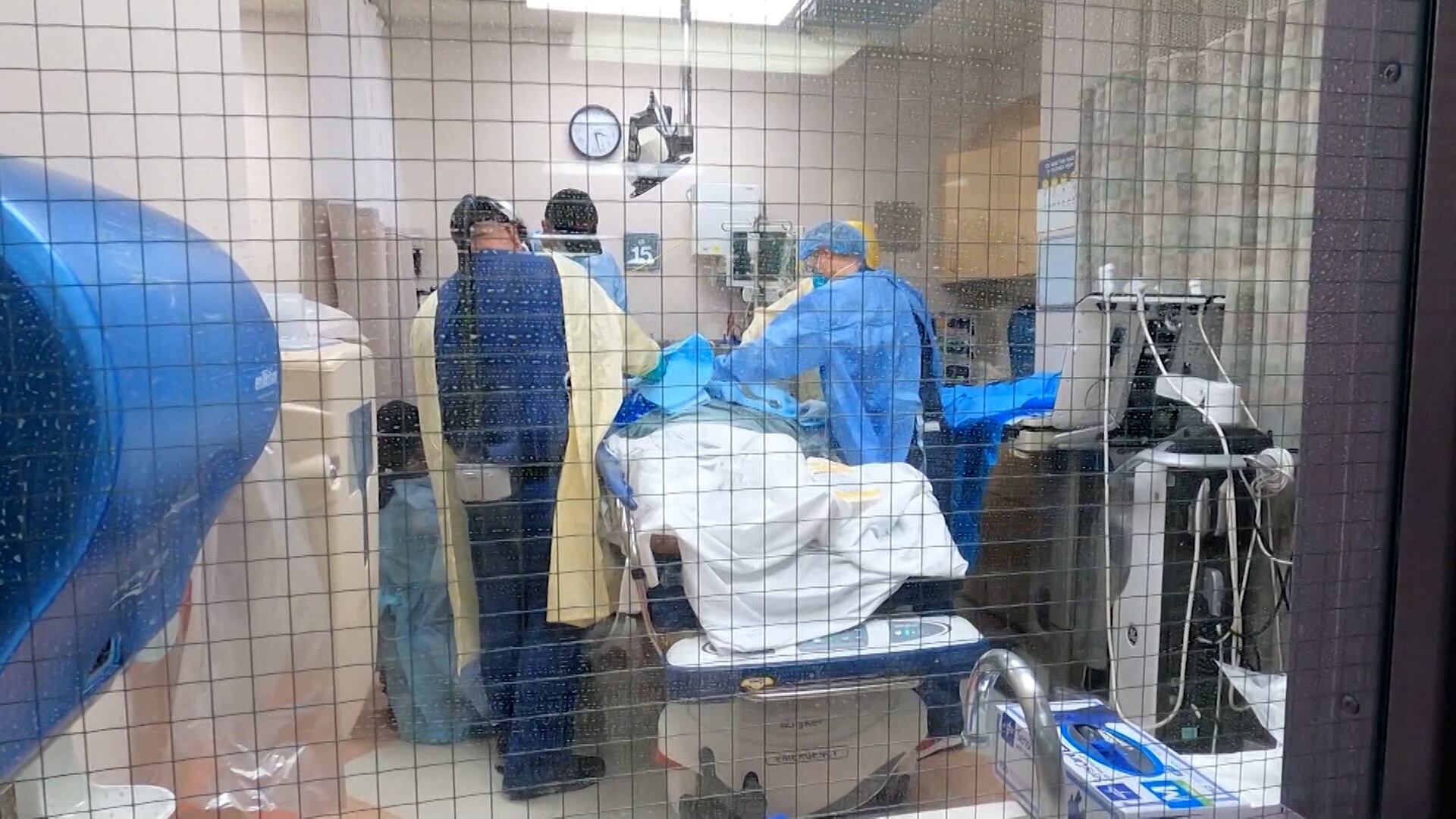
26 states have now fully vaccinated more than half of their population with Vermont, Connecticut, and Massachusetts fully vaccinating at least two-thirds of their residents. These three states are among the ones with the lowest new Covid-19 cases per capita, but in states with low vaccination rates, hospitals are filling up again.
Dr. Rob Davidson, ER doctor and executive director of Committee to Protect Health Care, joined Cheddar's Opening Bell to discuss more.
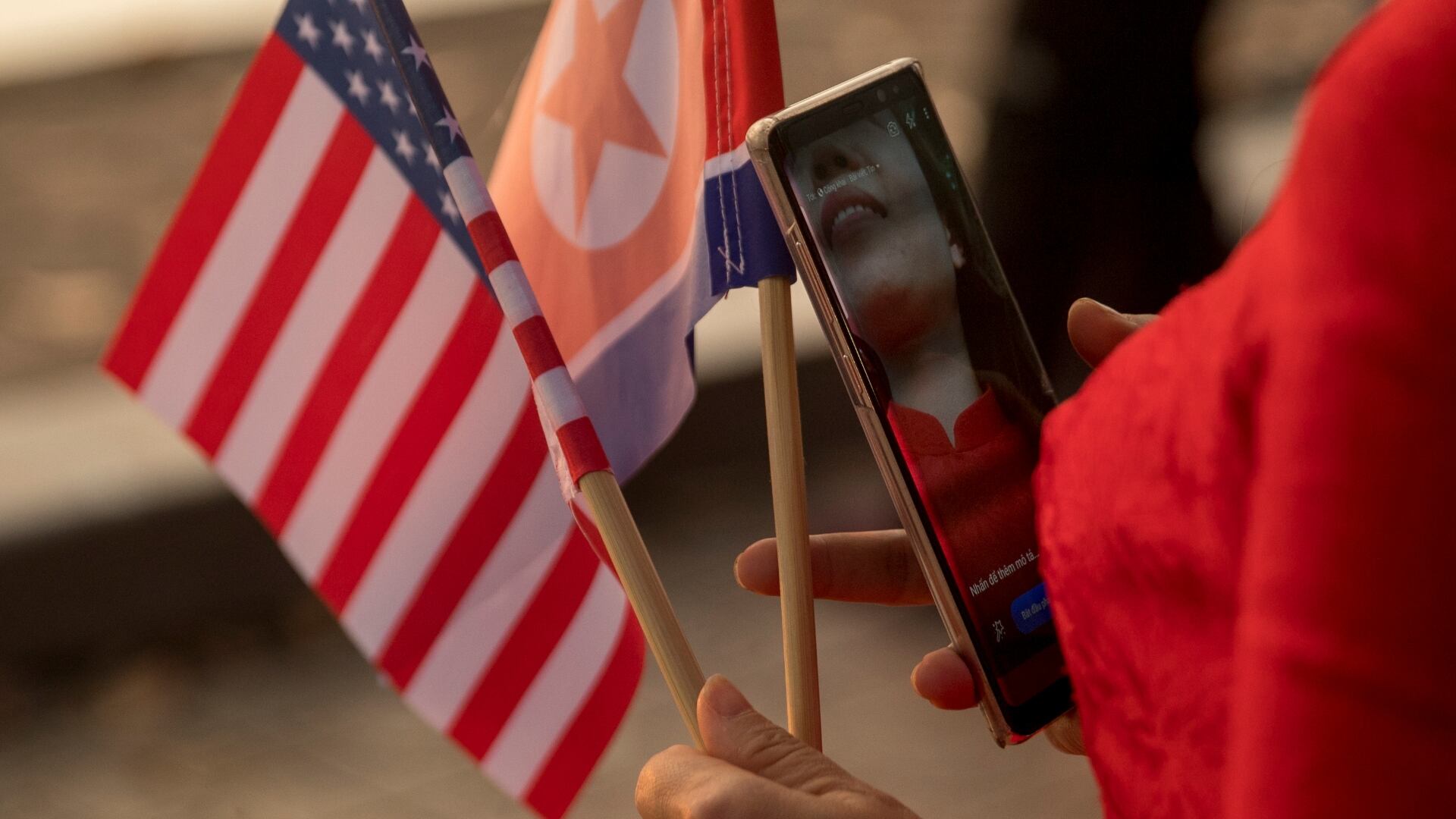
The Biden Administration has officially extended a ban on a Trump-era policy that prohibits traveling with a U.S. passport to North Korea. The extension is expected to last until August 2022. The ban was initially enforced after the death of Otto Warmbier, who entered a vegetative state while in North Korean custody. Advocates against the ban argue that it has caused crippling impacts on Korean Americans who have not been able to reunite with their families back home. Senior Fellow at The Foundation For Defense of Democracies Anthony Ruggiero joined Cheddar's News Wrap to discuss more.