Senator Kirsten Gillibrand (D-New York) has been very vocal about what she thinks needs to be done to battle the economic fallout from the coronavirus crisis.
The senator told Cheddar Monday that postal banking will be able to serve more people during the pandemic, specifically low-income families, who may be unbanked.
"It was instrumental in getting us out of the Depression because post offices were able to sell bonds and it made a difference because it allowed more low-income people to have bank accounts," Gillibrand said.
The senator envisions the U.S. Postal Service re-introduce postal banking through its 30,000 locations in a return to a program that served those impacted the most during the Great Depression, a plan to save both the USPS and economically disadvantaged detailed in an op-ed for The New York Times.
On Friday, President Trump had threatened to withhold aid from the USPS if it doesn't dramatically increase its shipping prices for online retailers. Sen. Gillibrand alleged that his choice to block aid was "fundamentally" related to his resistance to mail-in voting for the November election.
"He is absolutely fighting this because he thinks he will win only if less people are able to vote, which is obviously very cynical and not what we expect from a president," she said.
Previously, a fellow Democrat, New York Governor Cuomo, had criticized Gillibrand and Sen. Charles Schumer, also of New York, for failing to provide enough aid to struggling states like their own, but Gillibrand said they have started negotiating the COVID 4 package that will be geared toward state and local governments.
"Our goal is to allow more cities and states access to federal bailout money," she said. "Hopefully, in this next bill, which will begin in the House and Speaker Pelosi can author it, we will be able to send more money to get the states out of these terrible holes that they can't possibly get out of on their own."
The senator also has an idea for a "health force" job-training program that would put unemployed people to work in the fight against COVID-19 and allow more communities to get tested.
"We would allow for one million workers to be trained in the next two months to do this contact tracing along with testing," Gillibrand said. "We could actually be in the communities testing everyone. If we did that, that's how we can reopen society and schools in the fall."
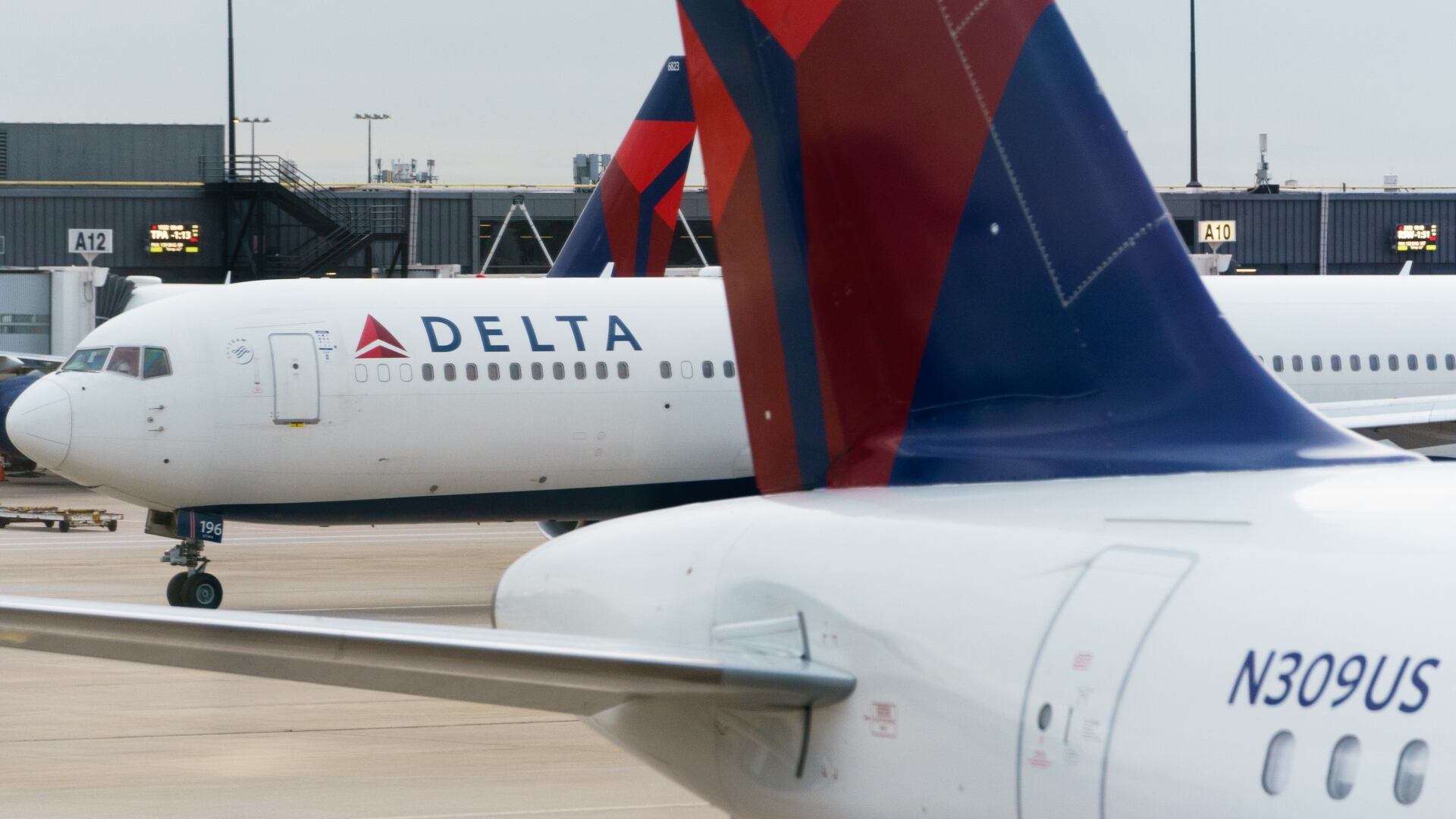
The airline industry says it is contending with staff shortages that threaten to hamper operations amid the COVID resurgence, andDelta Airlines CEO Ed Bastian called on the CDC to revise its guidance for vaccinated workers who test positive from a 10-day quarantine to just five. Chuck Liberman, chief investment officer and managing partner at Advisors Capital Management LLC, joined Cheddar to talk about the current guidance on isolation and why he believes the omicron variant calls for more relaxed guidance given its reportedly mild symptoms.
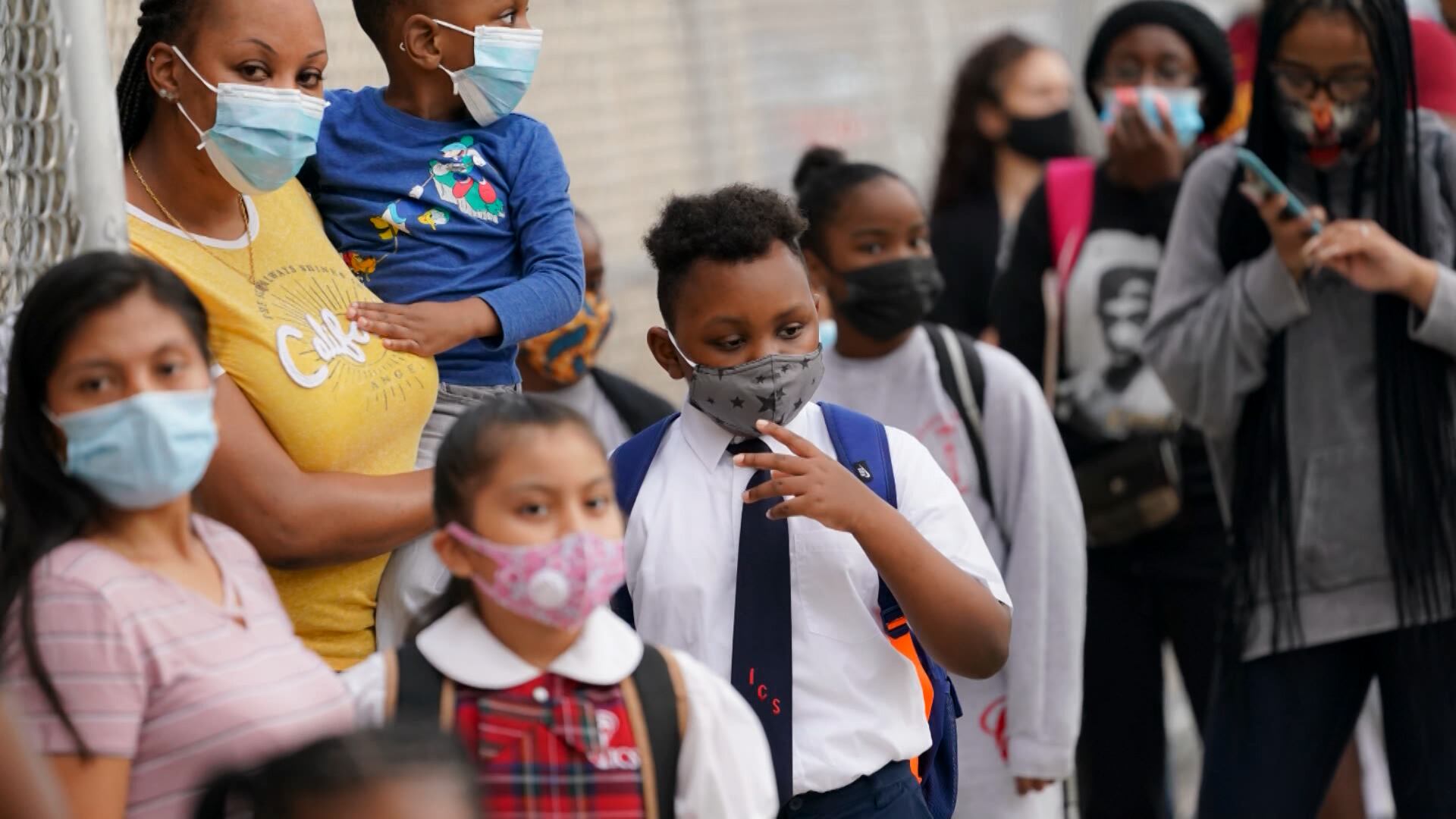
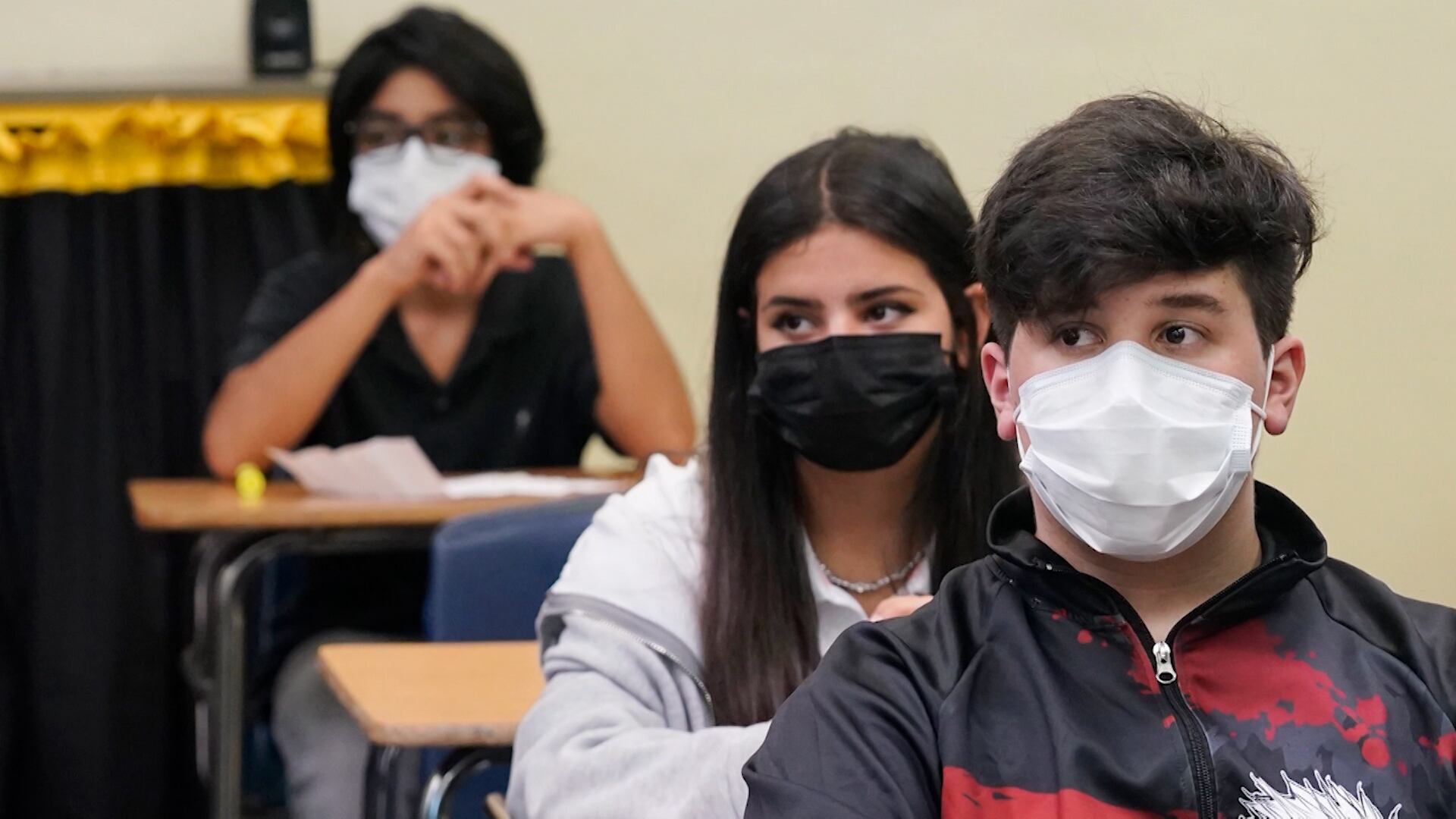
Schools are shutting down in droves as the highly contagious omicron variant surges across the country. Denisha Merriweather, director of public relations and content marketing at the American Federation for Children, an advocacy organization for vouchers and tax credits for school choice, joined Cheddar's "Opening Bell" to discuss the impact of remote learning on children. She argued that school districts have to be more proactive about the steps they are taking to engage students, and if they are unable to form better teaching methods, parents should be able to find alternative schools.
The boys discuss President Biden's plans to send out free rapid tests as the testing supply chain starts to buckle ahead of the holidays. Also, why aren't Americans having more babies, and The Matrix returns.
With the Build Back Better plan essentially out of the picture, economists are highlighting what the country might lose without the provisions designed to strengthen it. Among other things, this includes no more monthly payments for tens of millions of families, no universal Pre-K for 6 million children a year, and no billions of dollars in tax incentives for climate initiatives. Grace Segers, staff writer for The New Republic, joined Cheddar to discuss the various impacts on the economy without President Biden's spending bill.
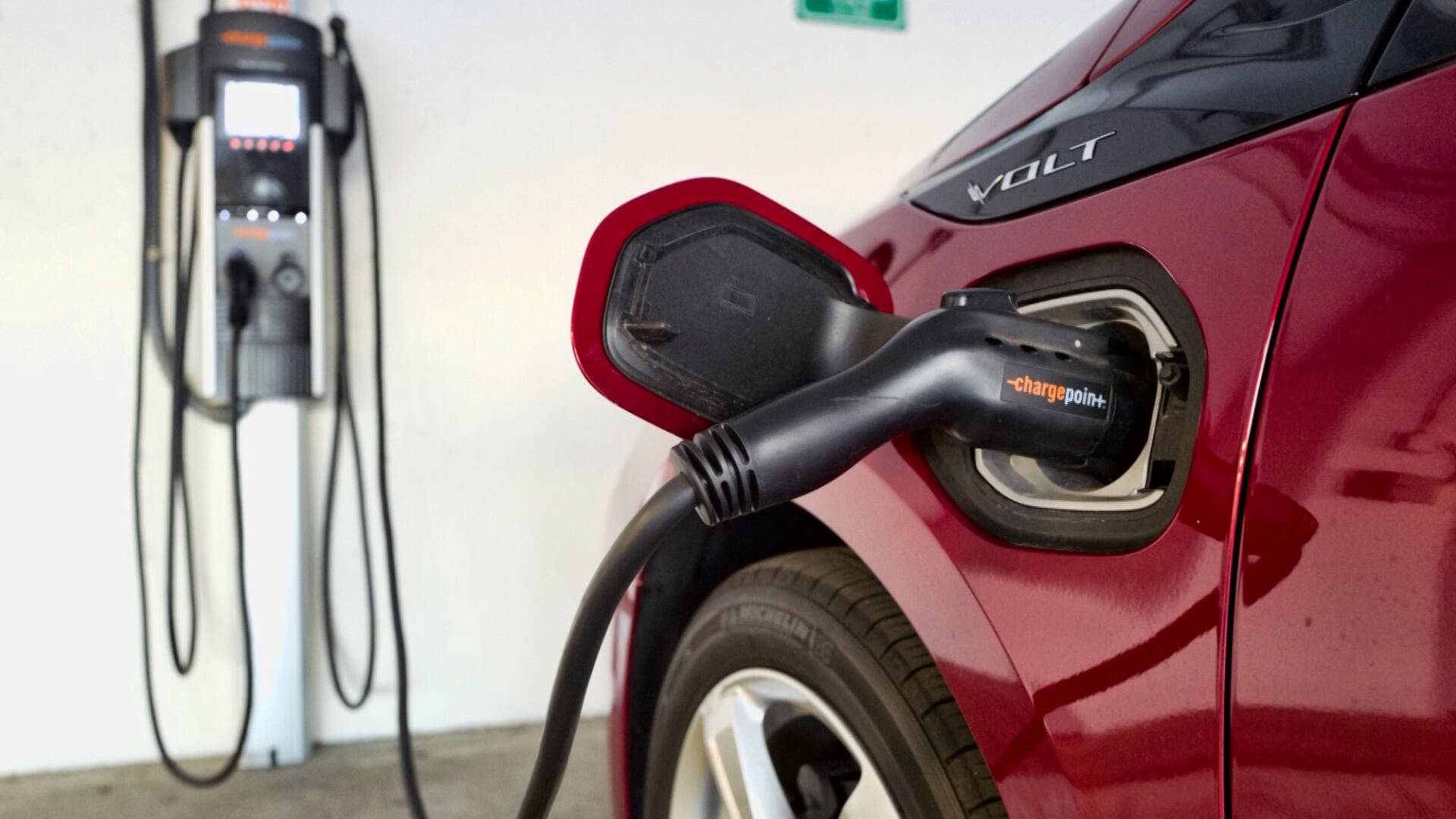
Electric vehicle companies took a tumble Monday after Senator Joe Manchin killed Biden's 'Build Back Better' plan. Shares of Tesla, Lucid, and Rivian all fell rapidly as the plan had included significant incentives for the growing EV sector. Rich Steinberg, former executive at Nissan, BMW and Electrify America joined Cheddar's Opening Bell to discuss.
Michael Robinson, Chief Technology Strategist at Money Map Press, joins Cheddar News' Closing Bell, where he explains why small and mid-cap stocks heating up during Tuesday's session is a very good sign for a stock market that ended the day's session sharply higher.
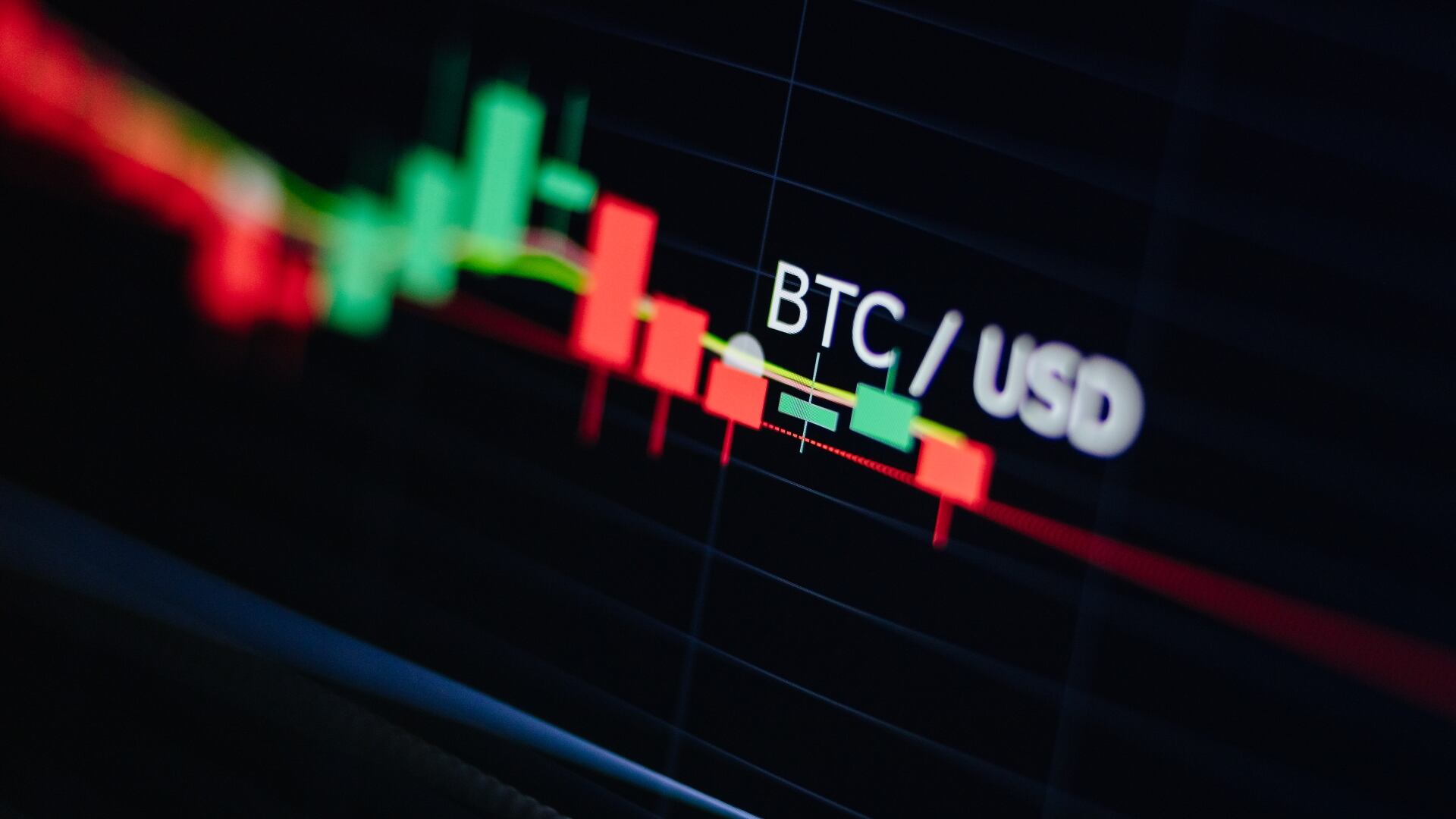
Coming off a 2021 campaign where the prices of Bitcoin, Ether, and other cryptocurrencies reached unpreceded levels, Bitwise Asset Management CIO Matt Hougan and OpenNode Co-Founder & CTO João Almeida join Cheddar News' Crypto Craze: The Year of the Token to discuss the ways the crypto market can soar even higher in 2022.