Senator Kirsten Gillibrand (D-New York) has been very vocal about what she thinks needs to be done to battle the economic fallout from the coronavirus crisis.
The senator told Cheddar Monday that postal banking will be able to serve more people during the pandemic, specifically low-income families, who may be unbanked.
"It was instrumental in getting us out of the Depression because post offices were able to sell bonds and it made a difference because it allowed more low-income people to have bank accounts," Gillibrand said.
The senator envisions the U.S. Postal Service re-introduce postal banking through its 30,000 locations in a return to a program that served those impacted the most during the Great Depression, a plan to save both the USPS and economically disadvantaged detailed in an op-ed for The New York Times.
On Friday, President Trump had threatened to withhold aid from the USPS if it doesn't dramatically increase its shipping prices for online retailers. Sen. Gillibrand alleged that his choice to block aid was "fundamentally" related to his resistance to mail-in voting for the November election.
"He is absolutely fighting this because he thinks he will win only if less people are able to vote, which is obviously very cynical and not what we expect from a president," she said.
Previously, a fellow Democrat, New York Governor Cuomo, had criticized Gillibrand and Sen. Charles Schumer, also of New York, for failing to provide enough aid to struggling states like their own, but Gillibrand said they have started negotiating the COVID 4 package that will be geared toward state and local governments.
"Our goal is to allow more cities and states access to federal bailout money," she said. "Hopefully, in this next bill, which will begin in the House and Speaker Pelosi can author it, we will be able to send more money to get the states out of these terrible holes that they can't possibly get out of on their own."
The senator also has an idea for a "health force" job-training program that would put unemployed people to work in the fight against COVID-19 and allow more communities to get tested.
"We would allow for one million workers to be trained in the next two months to do this contact tracing along with testing," Gillibrand said. "We could actually be in the communities testing everyone. If we did that, that's how we can reopen society and schools in the fall."
Inflation remains hot as the January PPI has increased by 1 percent, twice what analysts had been expecting with a jump of 9.7 over the year. Beth Ann Bovino, the U.S. chief economist, for S&P Global Ratings, joined Cheddar News to discuss the rapid pace of inflation alongside higher wages, predicting the Federal Reserve will act quickly and forcefully this year. "They haven't changed their forecast, yet, that's gonna come out soon. But we expect that a March rate hike is basically pretty much baked in the cake," she said. "We think six rate hikes in total for 2022."
For black history month, Cheddar is highlighting black business leaders who are driving the need for representation forward. On February 10, the U.S. Chamber of Commerce hosted an event called 'Developing the Black-Owned Business Ecosystem.' The virtual event was organized under the lobbying group's two initiatives -- the Equality of Opportunity Initiative, and the Coalition to Back Black Businesses. The event highlighted the developments needed to develop more black-owned businesses in the U.S. Dr. Anthony Wilbon, Dean of the School of Business at Howard University, joined Cheddar News' Closing Bell to discuss his experience as a speaker at the event.
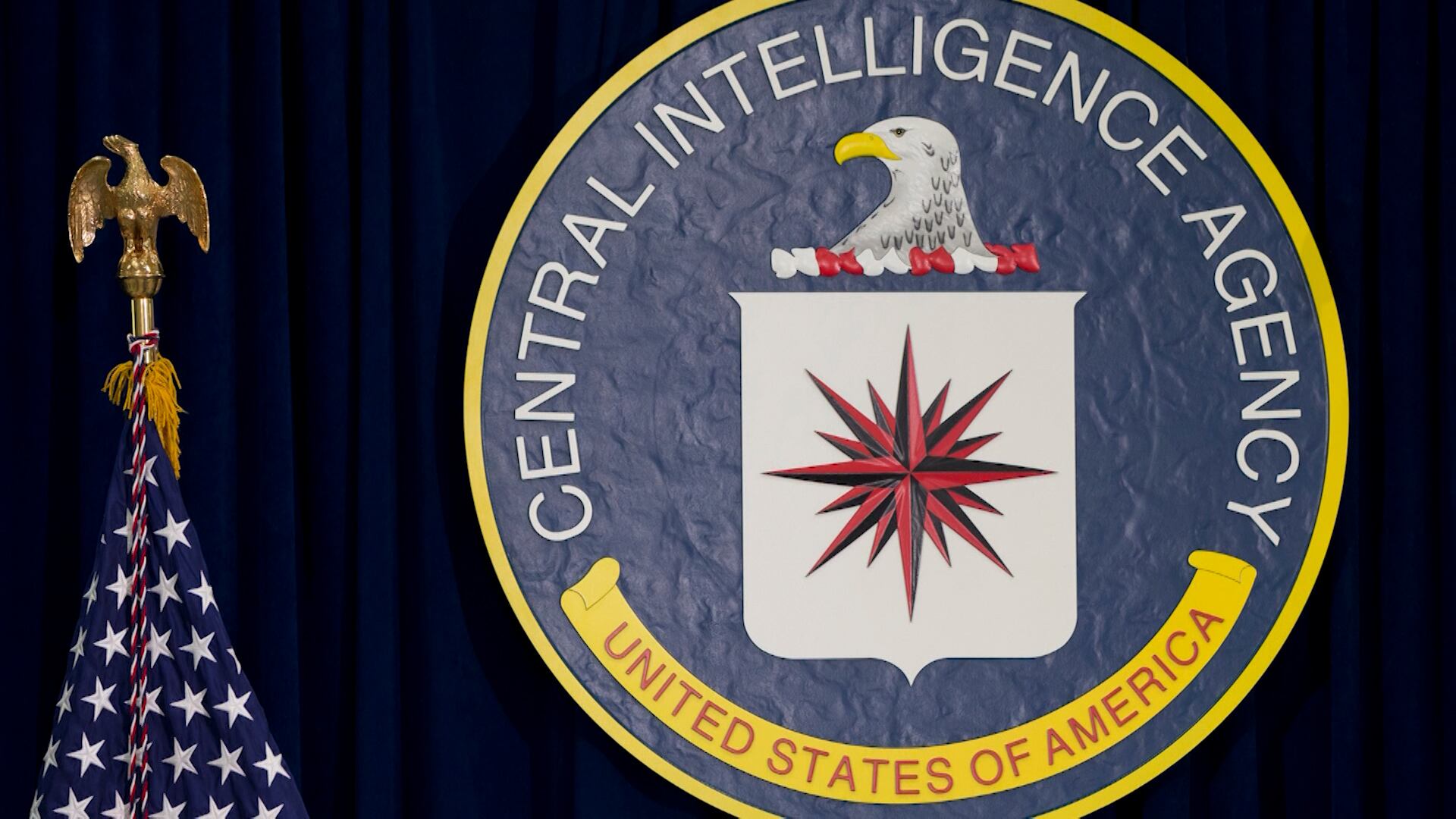
A newly declassified letter by senators Ron Wyden and Martin Heinrich claimed the CIA. has been conducting a Secret Surveillance Program which has been collecting a bulk of data from American citizens. The letter which was written in April of 2021 urges the CIA to come clean about the kind of data it collects and how many Americans have been impacted. According to these two senators, the program did not have the safeguards of congressional oversight.
Art Hogan, Chief Market Strategist at National Securities, joined Cheddar News' Closing Bell, where he says investors are taking a wait-and-see approach when it comes to the situation between Russia and the Ukraine and elaborates on the impact higher oil prices stemming from the conflict would have on the market.
Last week, Senators Ron Wyden of Oregon and Martin Heinrich of New Mexico, Democrats on the Senate Intelligence Committee, wrote a a letter airing concerns that the CIA is collecting the data of American citizens without their consent. The lawmakers fear that the program might be exploiting private data. Morgan Wright, the chief security advisor at cybersecurity firm SentinelOne, joined Cheddar News to discuss the ramifications of the letter. "We don't have all the dots in one place to connect them," said Wright, cautioning against jumping to conclusions.
Russian President Vladimir Putin and his Foreign Minister Sergey Lavrov said that diplomacy is still possible, while U.S. officials warn that an attack on Ukraine is imminent. Cheddar News speaks with James Astill, Washington bureau chief of The Economist on the latest developments in Eastern Europe.
As the number of Russian troops rose to 130,000 along its Ukrainian border, hopes for a diplomatic solution remain among world leaders. Jason McMann, head of geopolitical risk analysis at Morning Consult, joined Cheddar News to break down the fluid situation. "We saw signs pointing towards an increase in tensions between Ukraine and Russia, whereas today we're seeing some signs that the Russian government may be willing to continue down a path of diplomatic negotiations to try and find some sort of non-military solution," he said.
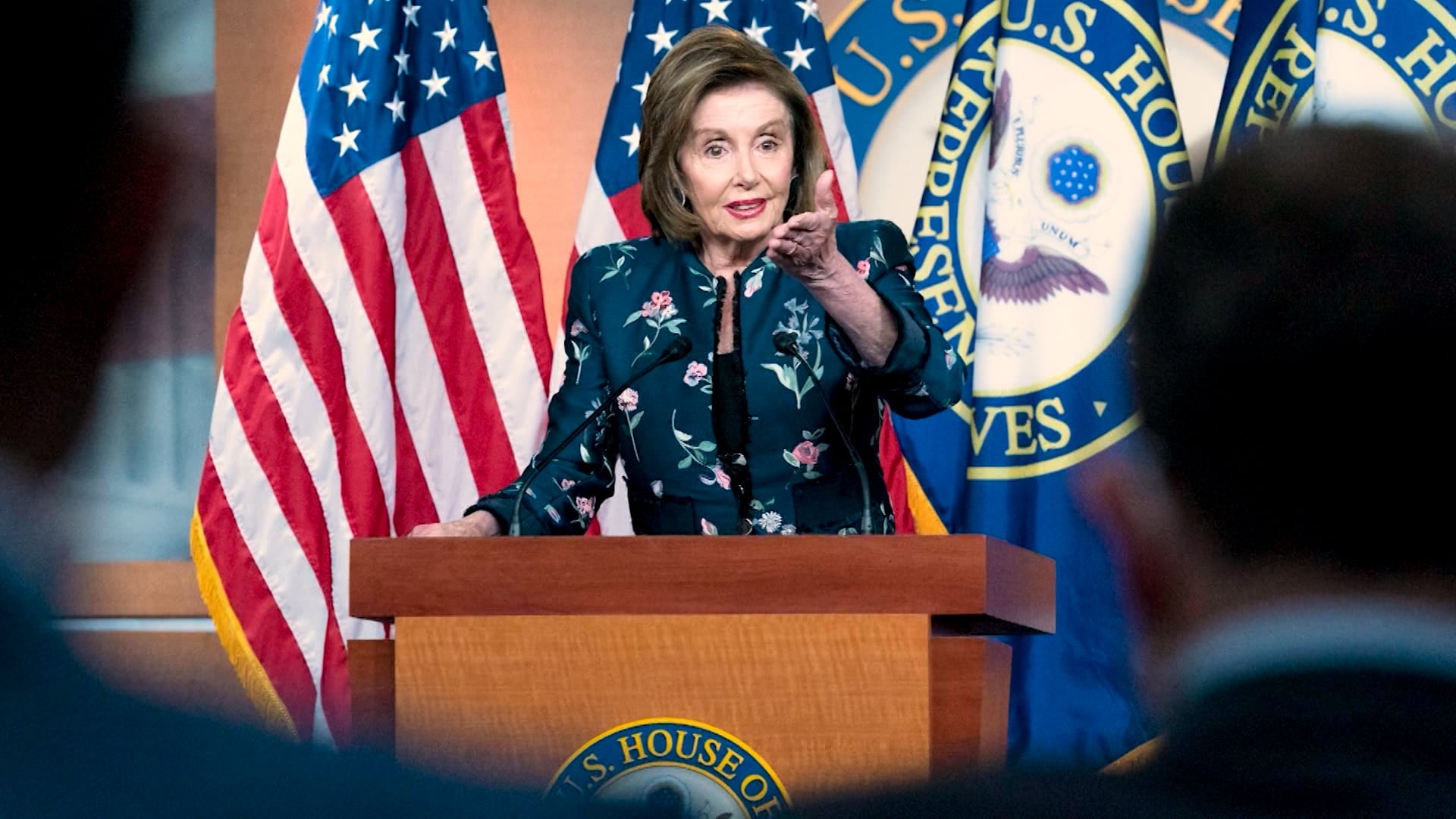
Nancy Pelosi and House Democratic leaders are now planning to amend the stop trading on congressional knowledge act, otherwise known as the 'Stock' Act. This 2012 law governs how members disclose the purchase or sale of stocks and amending it would close a loophole, eliminating the trading of individual stocks by members of congress. Pelosi has consistently opposed a ban on stock trading by lawmakers and congressional staff...so what's changed? Kedric Payne, Vice President of Campaign Legal Center, joins Cheddar News to discuss.
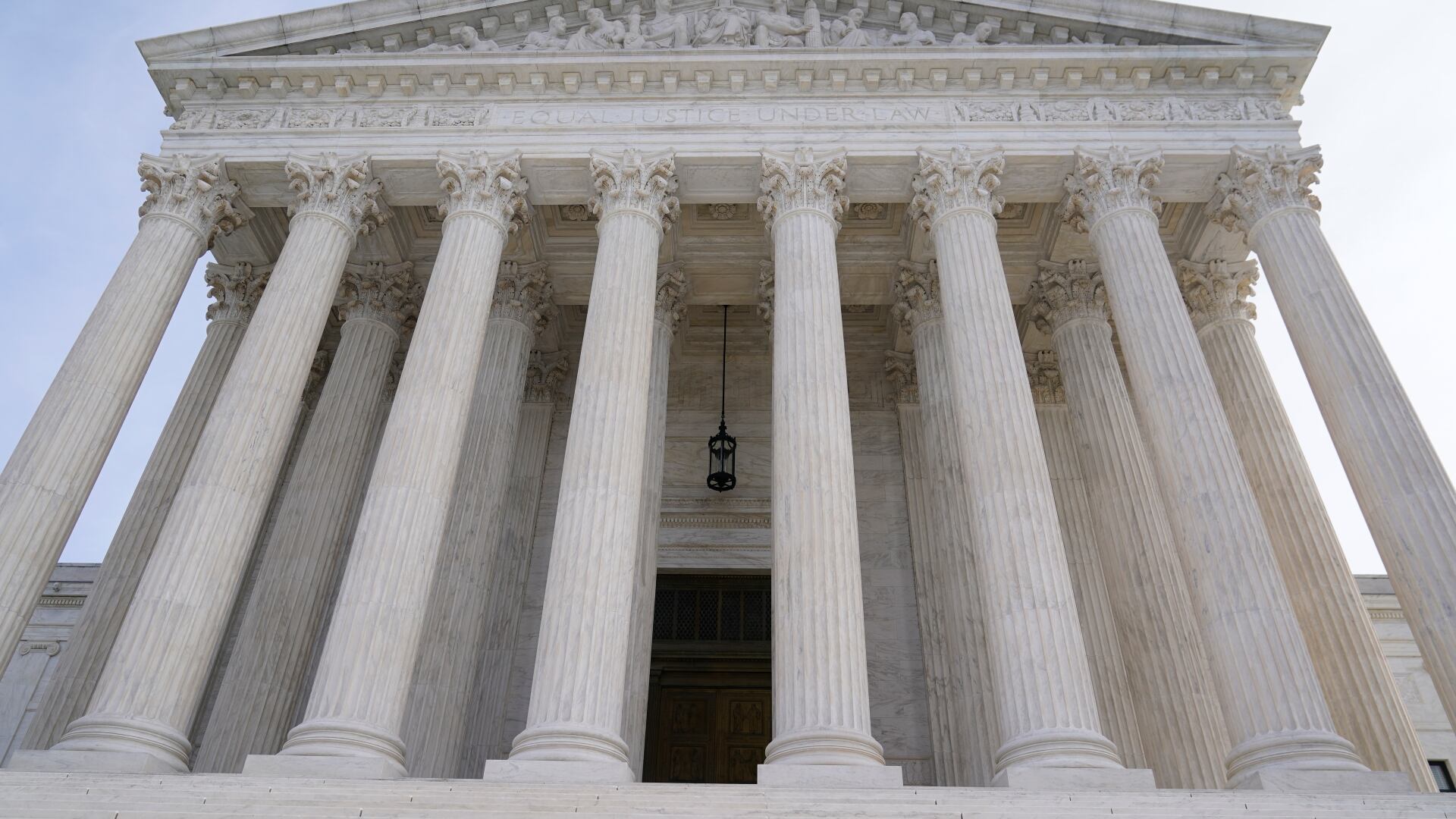
In a 5-4 vote, the U.S. Supreme Court allowed for a controversial new version of the Alabama congressional map to remain in place. The lower court had previously ordered that the state must redraw that congressional map because it violates the Voting Rights Act by diluting the political power of Black voters. Redistricting expert Yurij Rudensky joins Cheddar News to weigh in.