Senator Kirsten Gillibrand (D-New York) has been very vocal about what she thinks needs to be done to battle the economic fallout from the coronavirus crisis.
The senator told Cheddar Monday that postal banking will be able to serve more people during the pandemic, specifically low-income families, who may be unbanked.
"It was instrumental in getting us out of the Depression because post offices were able to sell bonds and it made a difference because it allowed more low-income people to have bank accounts," Gillibrand said.
The senator envisions the U.S. Postal Service re-introduce postal banking through its 30,000 locations in a return to a program that served those impacted the most during the Great Depression, a plan to save both the USPS and economically disadvantaged detailed in an op-ed for The New York Times.
On Friday, President Trump had threatened to withhold aid from the USPS if it doesn't dramatically increase its shipping prices for online retailers. Sen. Gillibrand alleged that his choice to block aid was "fundamentally" related to his resistance to mail-in voting for the November election.
"He is absolutely fighting this because he thinks he will win only if less people are able to vote, which is obviously very cynical and not what we expect from a president," she said.
Previously, a fellow Democrat, New York Governor Cuomo, had criticized Gillibrand and Sen. Charles Schumer, also of New York, for failing to provide enough aid to struggling states like their own, but Gillibrand said they have started negotiating the COVID 4 package that will be geared toward state and local governments.
"Our goal is to allow more cities and states access to federal bailout money," she said. "Hopefully, in this next bill, which will begin in the House and Speaker Pelosi can author it, we will be able to send more money to get the states out of these terrible holes that they can't possibly get out of on their own."
The senator also has an idea for a "health force" job-training program that would put unemployed people to work in the fight against COVID-19 and allow more communities to get tested.
"We would allow for one million workers to be trained in the next two months to do this contact tracing along with testing," Gillibrand said. "We could actually be in the communities testing everyone. If we did that, that's how we can reopen society and schools in the fall."
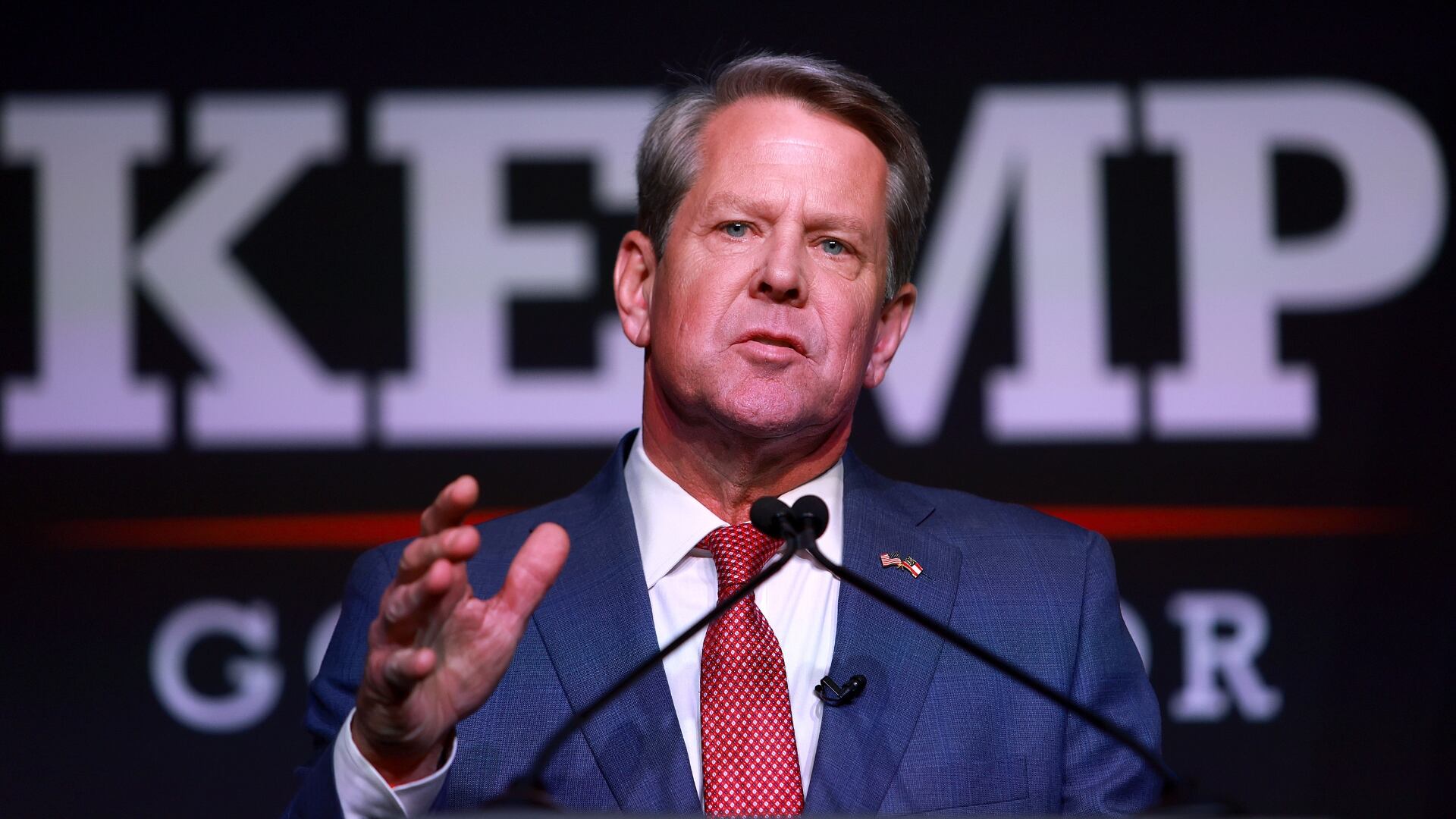
Cheddar Politics takes a deeper look at the takeaways from the Georgia primary elections on Tuesday. Georgia Public Broadcasting's local and state politics reporter, Stephen Fowler, joins us to discuss the limits of Trump endorsements and break down what the outcome in each race means.
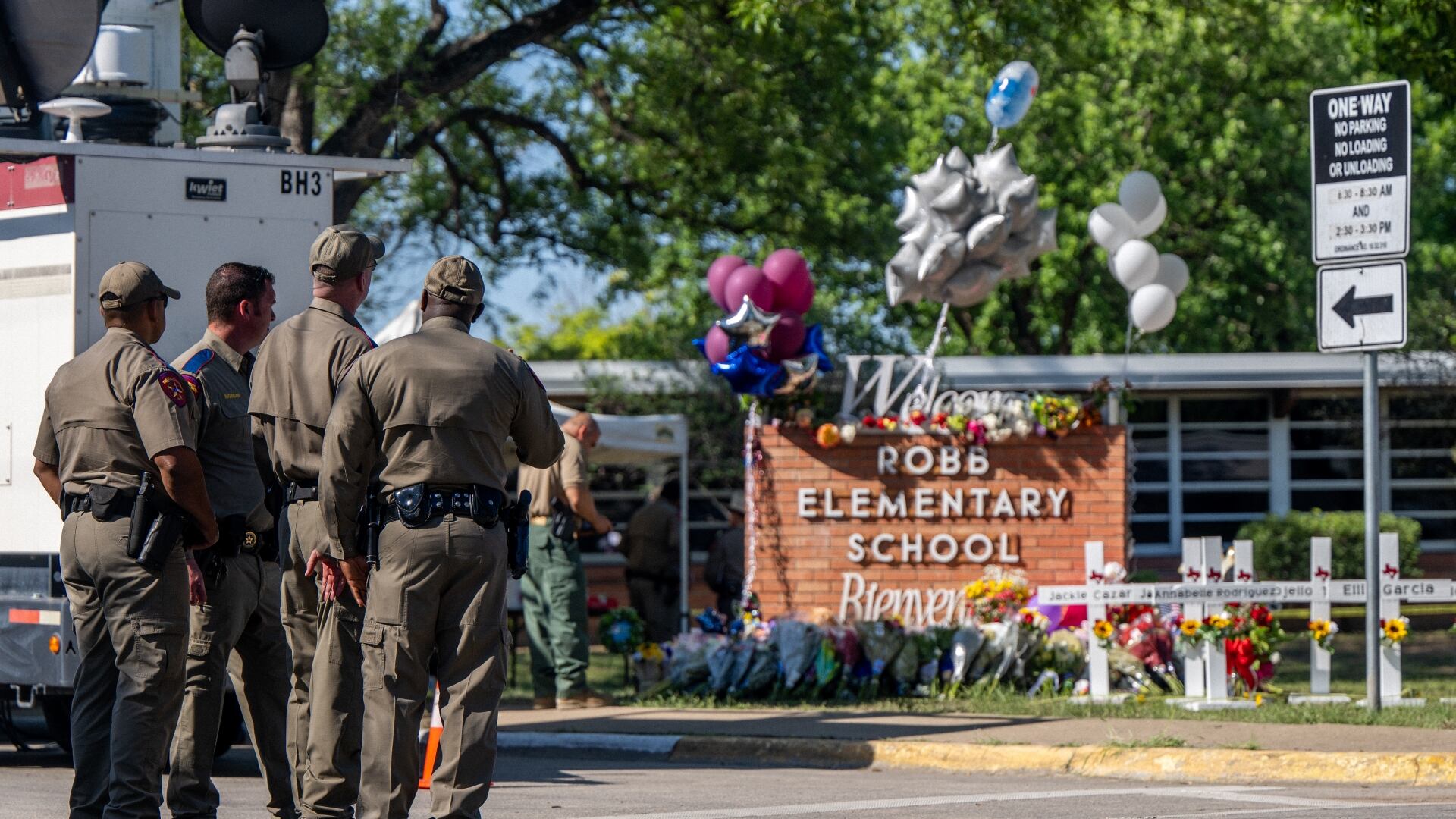
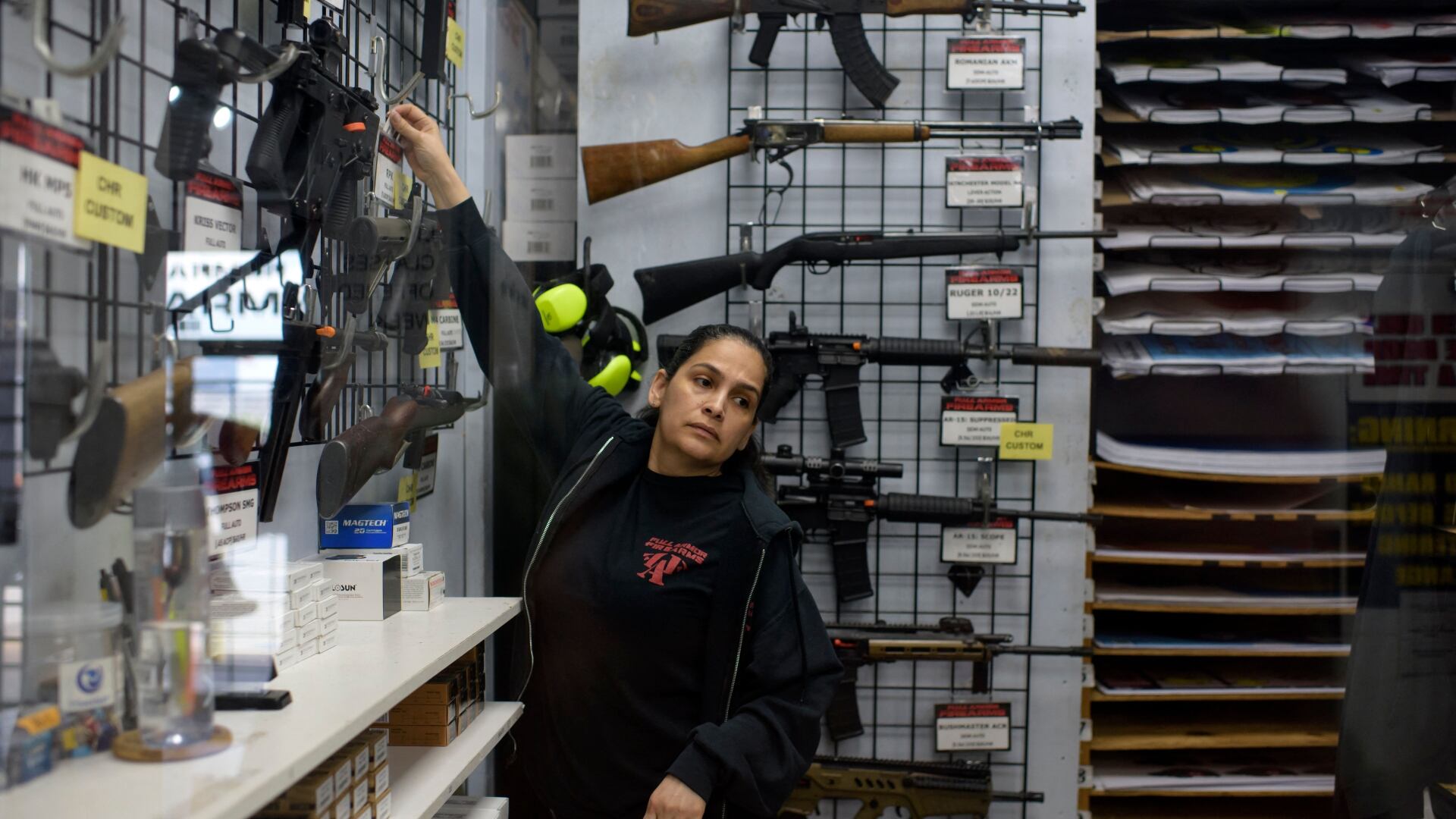
After learning that the suspect in the Uvalde school shooting posted about his intentions on Facebook, activists are urging social networks to make changes. Lena Derhally, a licensed psychotherapist and author of "The Facebook Narcissist," joined Cheddar News to discuss the role social media plays in school shootings. "They're not really invested in taking down hateful content," she said about social platforms."In regards to the shooting, it was 15 minutes before that actual threat. It would be pretty hard for a social media company to trace that threat that quickly. But what they can do better is take down threats and hateful content much faster and more than they're doing now."
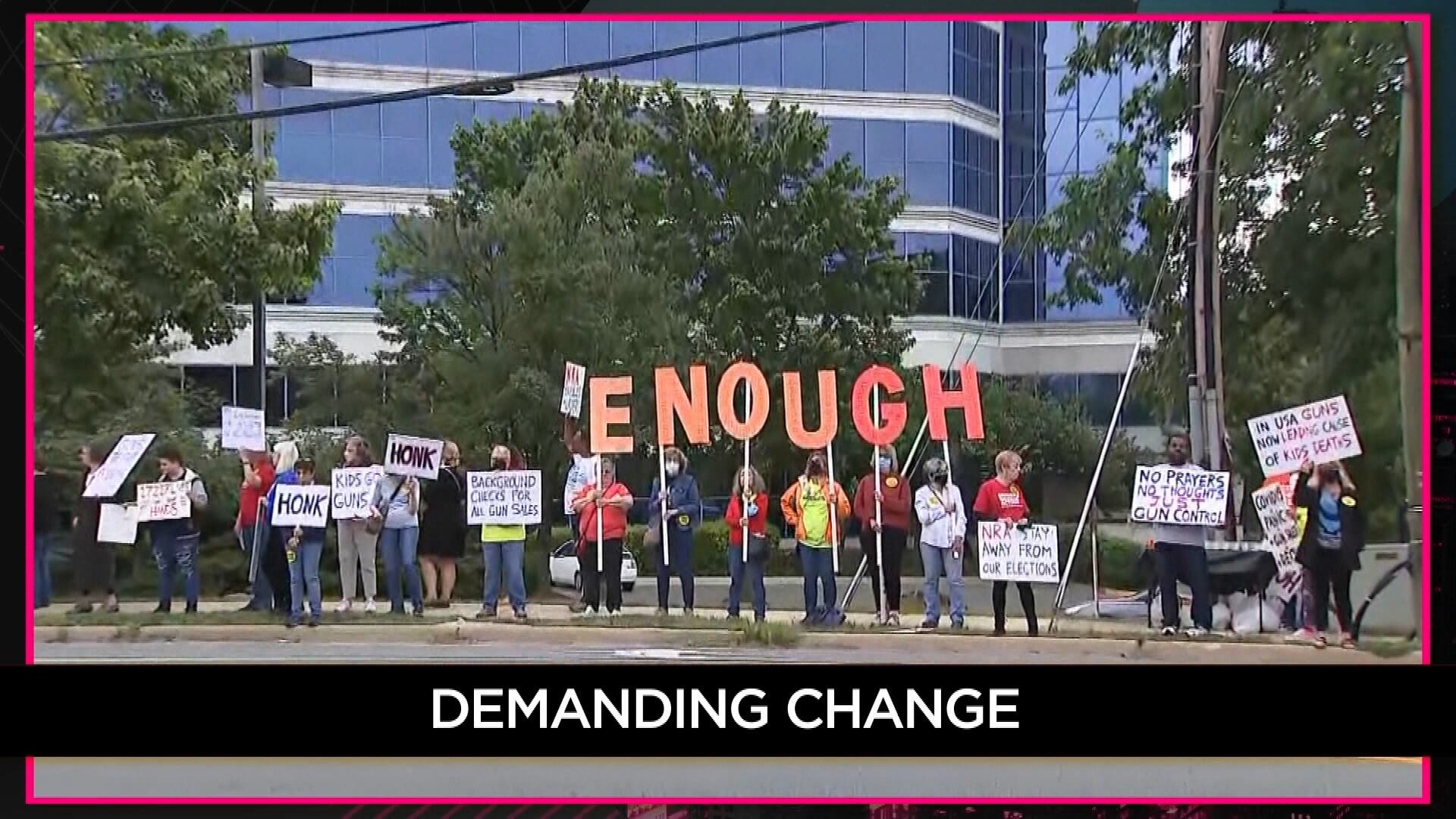
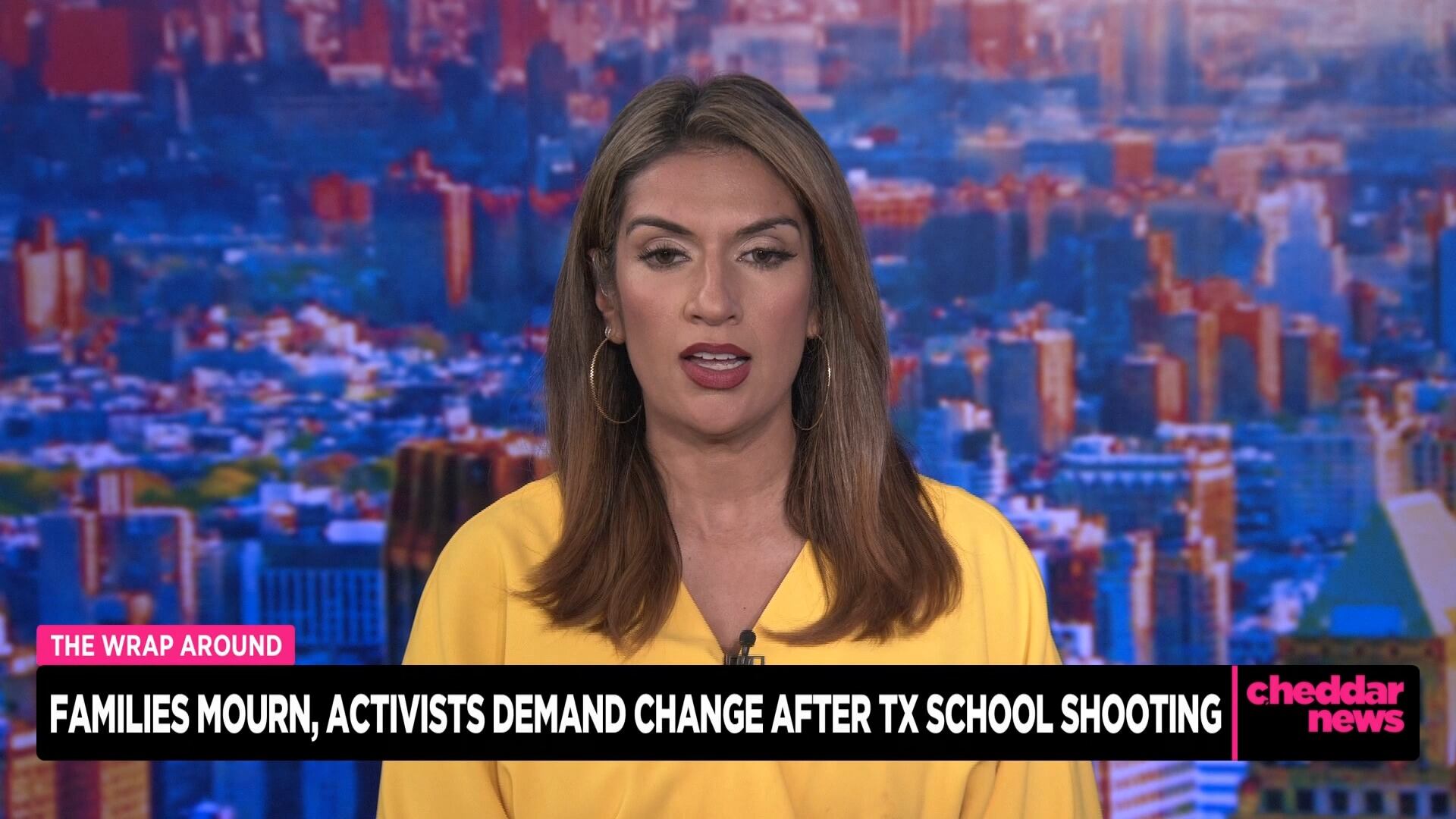
Following the mass shooting at the Robb Elementary School in Uvalde, Texas, that left 19 children and two adults dead, the debate over gun control has been reignited. While studies have shows most Americans agree on some additional regulations, there hasn't been much legislative traction even as gun violence worsens in the country. Brian Lemek, the executive director of Defend The Vote and the former executive director at Brady PAC for gun control, joined Cheddar to discuss reform efforts. "The lawmakers that we have aren't passing these at the federal level," he said. "That's the problem. We have the wrong people in charge."
The crypto industry is still reeling from Terra's recent crash. The company's blockchain was temporarily halted earlier this month after the collapse of its cryptocurrency Luna (LUNA) and its stablecoin TerraUSD (UST), which led to almost $45 billion being wiped from the tokens' market caps within a week. Now, many are left wondering what Terra's struggles mean for the broader crypto market. Reeve Collins, CEO of the NFT platform BLOCKv, joins Cheddar News' Closing Bell from Davos 2022 to discuss.
The average city in California has a 38% higher cost of living than the average American city, according to a cost of living index. For many, the general minimum wage of $15/hour just doesn't cut it. Anti-poverty activist Joe Sanberg wants to get the minimum wage changed to $18/hour. He joins Cheddar News to discuss the Living Wage Act of 2022.