New York Gov. Andrew Cuomo on Monday provided his daily coronavirus update from the Javits Convention Center, which opened today as an emergency field hospital.
The governor said both the Javits Center and the USNS Comfort hospital ship, which docked in the city this morning, will serve patients dealing with non-coronavirus medical needs. That should leave New York City hospitals to serve as the frontline of the coronavirus outbreak.
While expressing gratitude for federal support the state has received, Cuomo stressed that the city is not an "anomaly" but rather a "canary in the coal mine" for what the rest of the state and country will soon experience.
"What you see us going through here, you will see happening all across this country," he said.
"Anyone who says this situation is a New York City-only situation is in a state of denial."
All but one county in the state of New York has a confirmed COVID-19 case, he added.
Collaboration has been complicated, however, by the fact that states are competing for the same stock of limited supplies.
"We're competing amongst ourselves. We're driving the prices up. When we started buying ventilators, they were under $20,000. The ventilators are now over $50,000 if you can find them," Cuomo said.
The governor echoed a message from Mayor Bill de Blasio earlier today emphasizing that New York would provide guidance and direct assistance to other areas once they, too, become hot zones.
The state's latest death toll from the virus now stands at 1,218, a jump of about 300 from Sunday. Cuomo said the jump correlates with an increasing number of patients who have died after prolonged periods of ventilators use, suggesting that patients with more serious cases are beginning to succumb to the disease.
In a bit of positive news, Cuomo reported that cases are now doubling at a slower rate than that had been, down from doubling every two days to every six days.
"While the overall number of cases is going up, the rate of doubling is actually down," Cuomo said.
President Trump has already spurned key allies at the annual summit, accusing Germany of being a "captive of Russia." Cheddar's J.D. Durkin, who is on the ground in Brussels, gets into the latest.
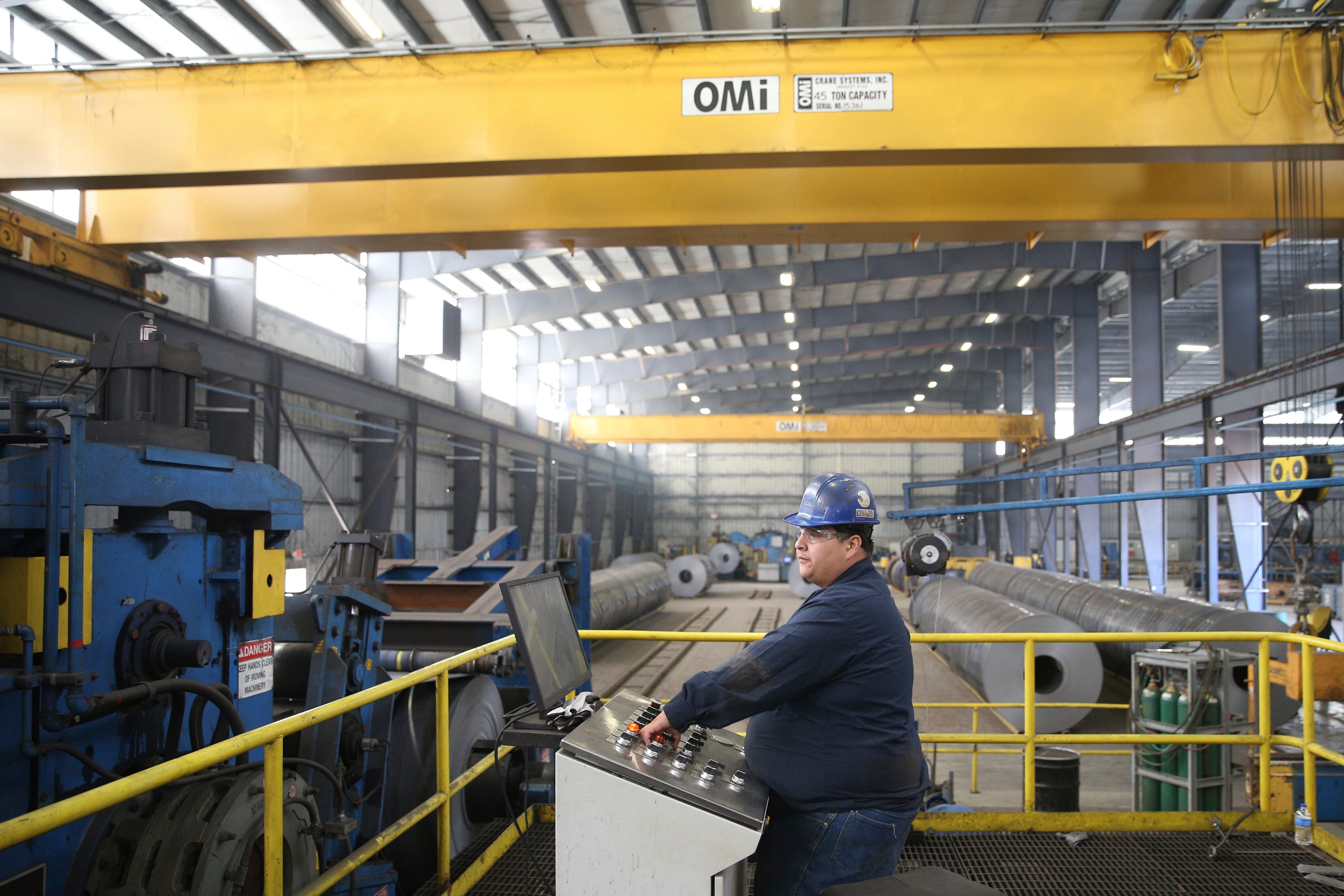
The U.S. tariffs would only end up hurting the consumer and the automakers employees across its plants and distribution centers in America, says Zack Hicks, CEO and president of the Toyota Connected unit in North America.
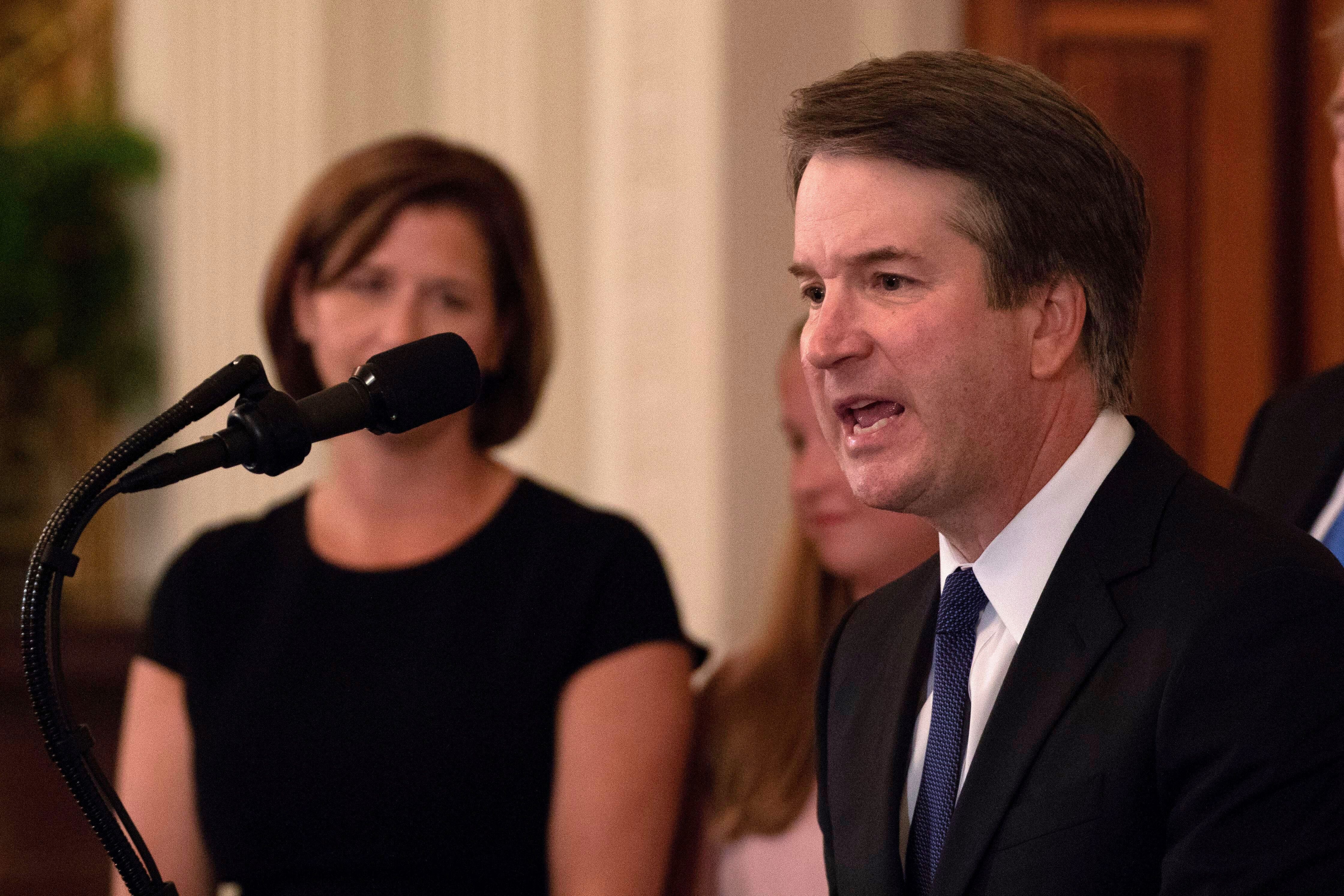
President Donald Trump nominated the DC appellate court judge to replace Supreme Court Justice Anthony Kennedy, who's retiring at the end of the month.
A study finds male political reporters in Washington, D.C., retweet other men more than women. “Men and women are operating in gender echo chambers in Washington on Twitter,” says Nikki Usher, the lead author of the study.
Members of the military alliance are prepared to be spurned by the president and worry he may start to unravel the organization. But the Trump administration has, in fact, increased its spending on NATO, suggesting that worries surrounding the event might not turn transpire, says Dan Michaels, the Wall Street Journal Brussels bureau chief.
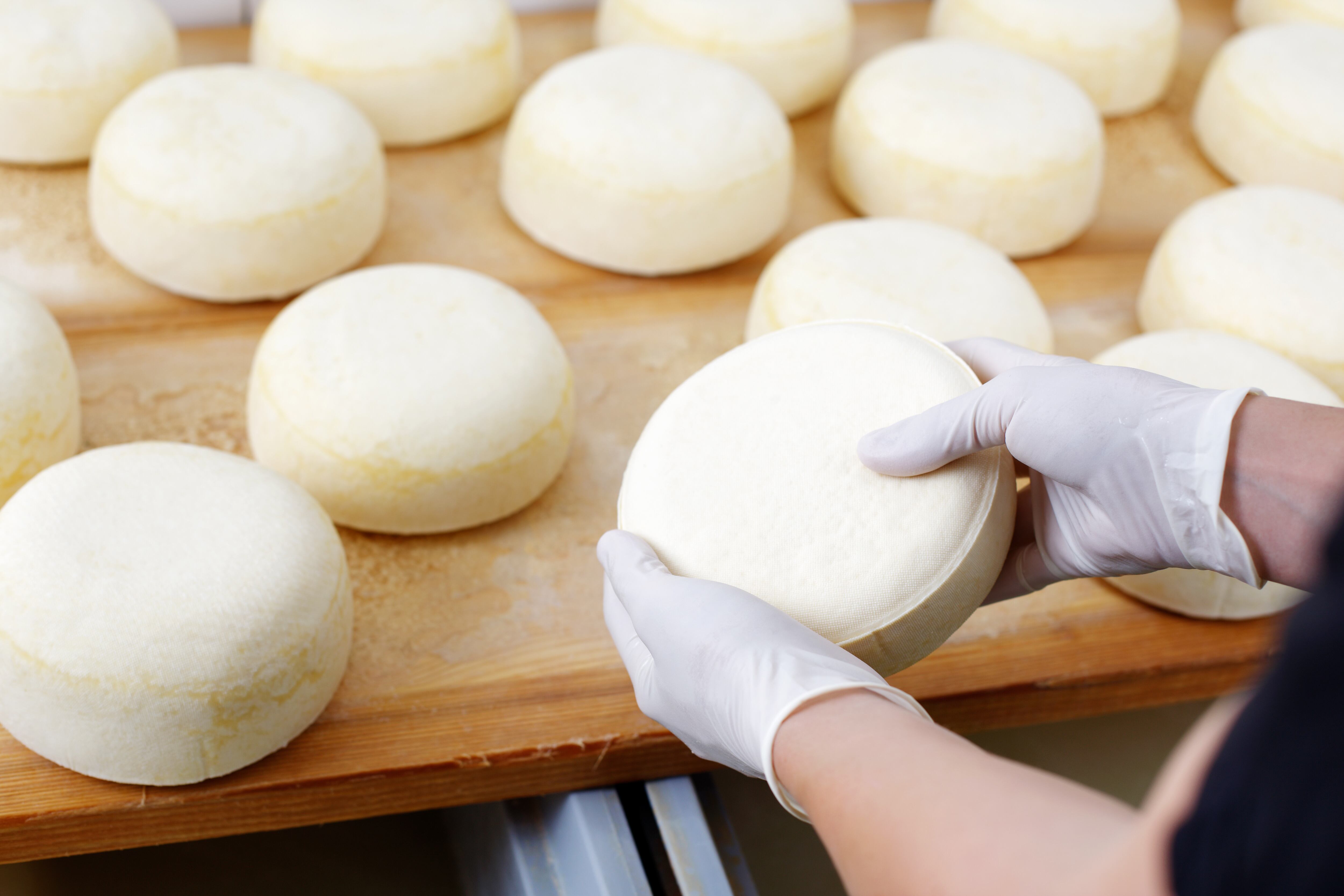
American cheese producers that rely heavily on exports are already feeling the impact of tariffs on their products, forcing them to reconsider their strategy completely, says Heather Hadden, a reporter for the Wall Street Journal.
Although the recent job report showed the U.S. economy added 213,000 jobs in June, the trade war is predicted to have a significant impact on the economy. "Unless we get either isolated resolutions of these disputes or global resolutions ... we don't see any momentum in that space," Mark Hamrick, senior economic analyst at Bankrate.com, tells Cheddar.
President Trump is expected to submit his Supreme Court nominee to replace Justice Anthony Kennedy on Monday.
The three favorites are almost "identical" in policy stances, says Rick Hasen, professor of law and political science at UC-Irvine.
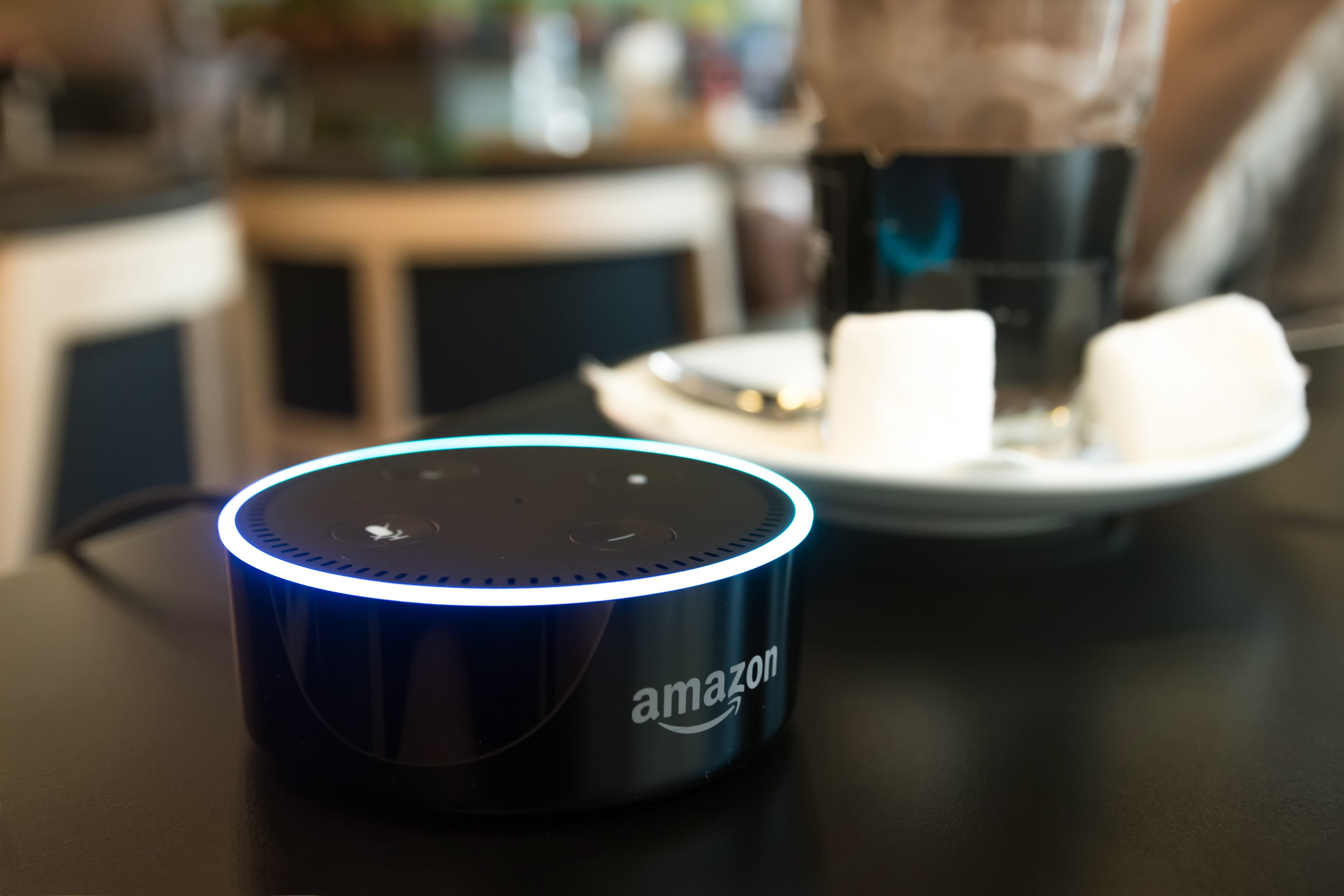
The U.S. tariffs on Chinese products that kicked in on Friday are specifically targeted at high-tech goods, an attempt to crack down on alleged intellectual property theft. But they could end up raising the cost of products like e-cigarettes, e-bikes, and smart home devices that are overwhelmingly used by millennials, says Axios reporter Erica Pandey.
U.S. tariffs on $34 billion worth of Chinese goods kicked in early Friday, prompting China to respond in kind and escalating tensions between the two countries into what Beijing describes as "the biggest trade war in economic history."