New York Gov. Andrew Cuomo on Monday provided his daily coronavirus update from the Javits Convention Center, which opened today as an emergency field hospital.
The governor said both the Javits Center and the USNS Comfort hospital ship, which docked in the city this morning, will serve patients dealing with non-coronavirus medical needs. That should leave New York City hospitals to serve as the frontline of the coronavirus outbreak.
While expressing gratitude for federal support the state has received, Cuomo stressed that the city is not an "anomaly" but rather a "canary in the coal mine" for what the rest of the state and country will soon experience.
"What you see us going through here, you will see happening all across this country," he said.
"Anyone who says this situation is a New York City-only situation is in a state of denial."
All but one county in the state of New York has a confirmed COVID-19 case, he added.
Collaboration has been complicated, however, by the fact that states are competing for the same stock of limited supplies.
"We're competing amongst ourselves. We're driving the prices up. When we started buying ventilators, they were under $20,000. The ventilators are now over $50,000 if you can find them," Cuomo said.
The governor echoed a message from Mayor Bill de Blasio earlier today emphasizing that New York would provide guidance and direct assistance to other areas once they, too, become hot zones.
The state's latest death toll from the virus now stands at 1,218, a jump of about 300 from Sunday. Cuomo said the jump correlates with an increasing number of patients who have died after prolonged periods of ventilators use, suggesting that patients with more serious cases are beginning to succumb to the disease.
In a bit of positive news, Cuomo reported that cases are now doubling at a slower rate than that had been, down from doubling every two days to every six days.
"While the overall number of cases is going up, the rate of doubling is actually down," Cuomo said.
Arizona, Texas, and Florida are together reporting about 25,000 new coronavirus cases as new restrictions aimed at combating the spread of the pandemic take hold in the United States and around the world.
Secretary of State Mike Pompeo says the U.S. is imposing travel bans on employees of the Chinese technology giant Huawei and other companies the U.S. determines are assisting authoritarian governments in cracking down on human rights.
The initiative is geared toward students, mid-career workers and the millions now unemployed because of the new coronavirus. But the campaign, called “Find Something New,” was quickly bashed on social media as being tone deaf and inadequate for the times.
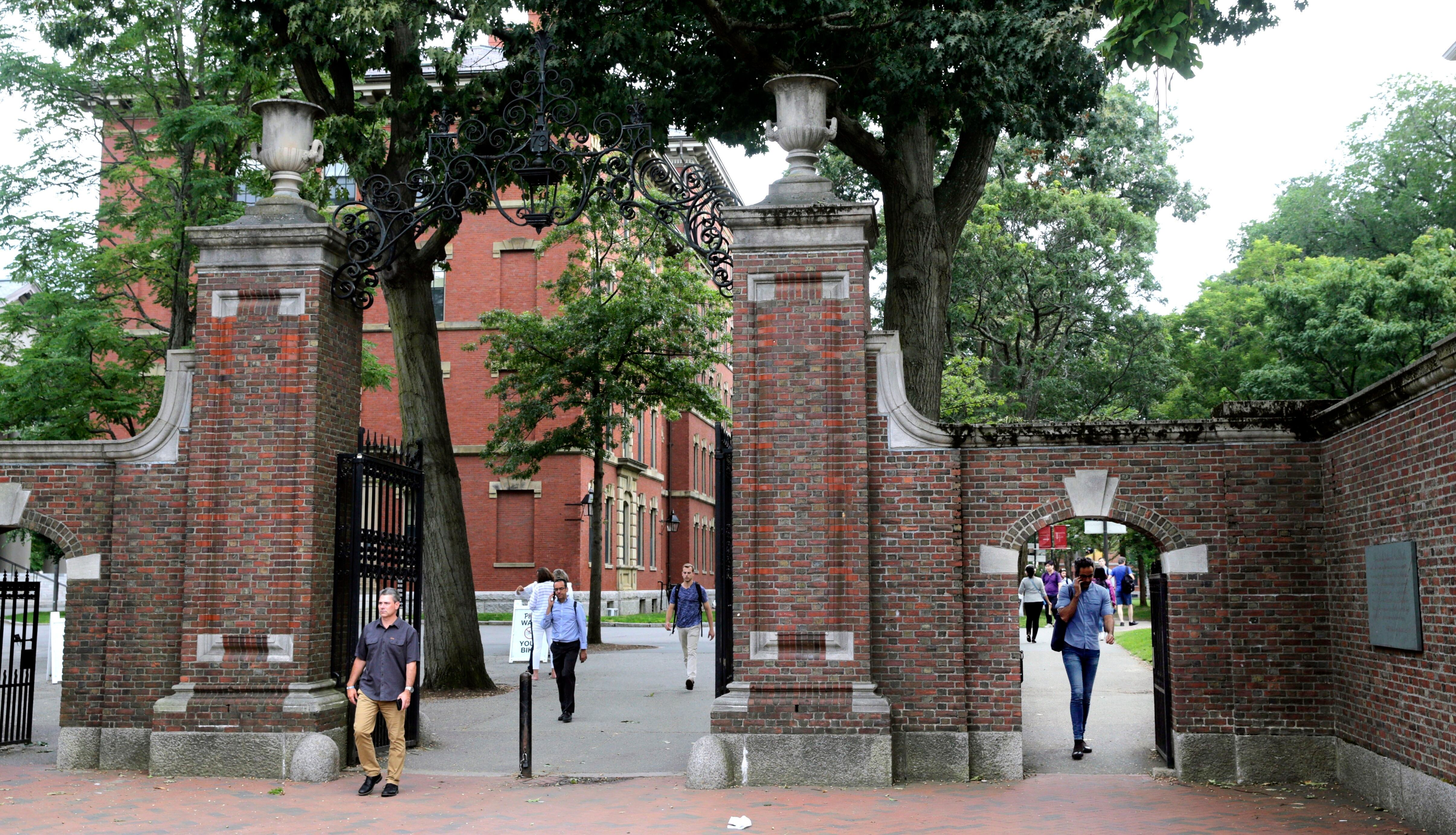
The Trump administration has rescinded a rule that would have required international students to transfer schools or leave the country if their colleges hold classes entirely online this fall because of the coronavirus pandemic.
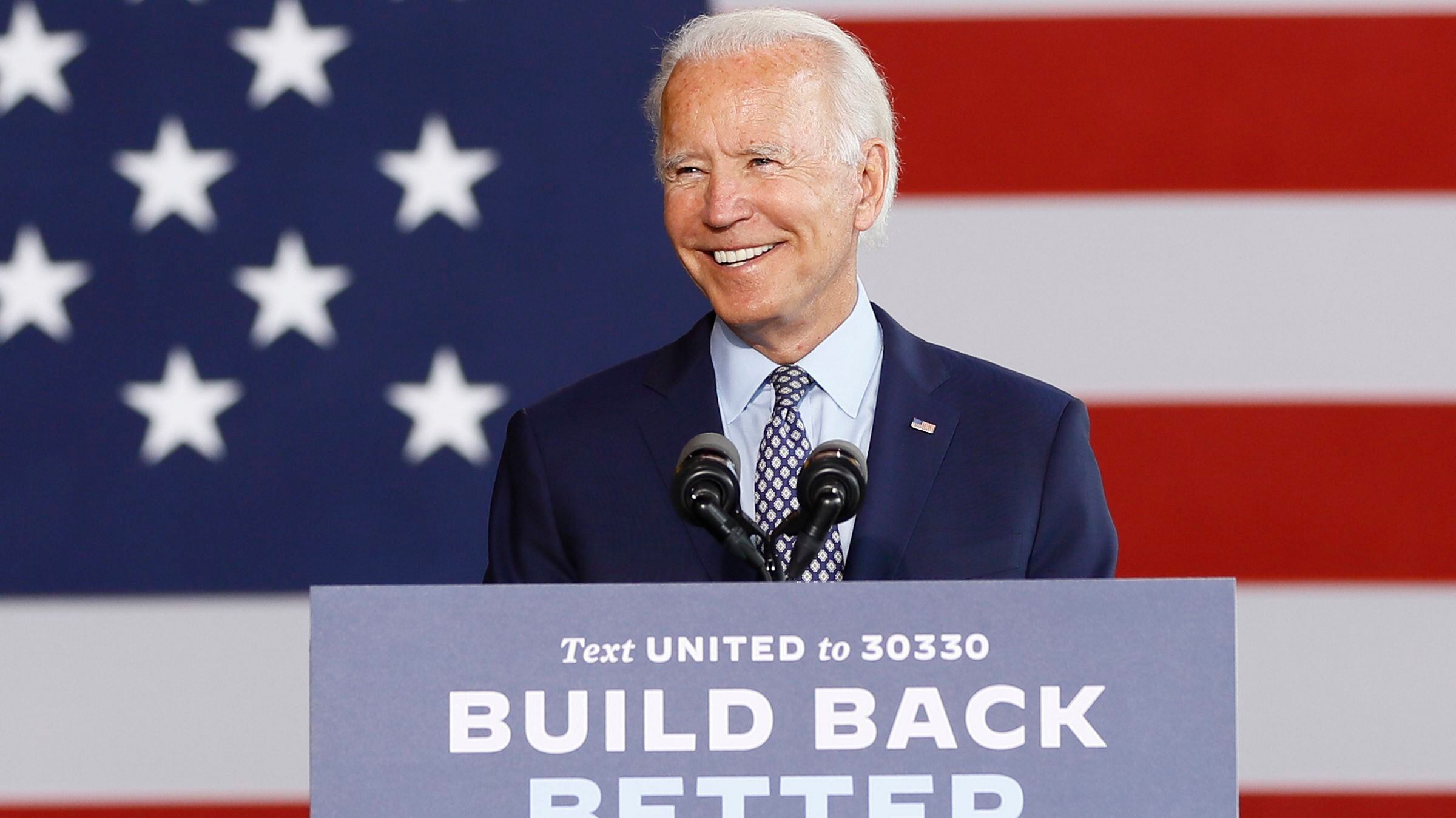
Joe Biden released a plan Tuesday aimed at combating climate change and spurring economic growth in part by overhauling America’s energy industry.
As enhanced unemployment benefits are set to expire at the end of July, HUD secretary Carson, discusses the Trump administration's 'tool kit' meant to protect Americans from evictions beyond the coronavirus pandemic.
Tina Tchen, president and CEO of Time's Up, provides insight into how companies can go about addressing inequities in the workplace.
California Gov. Gavin Newsom has extended the closure of bars and indoor dining statewide and has ordered gyms, churches and hair salons closed in most places as coronavirus cases keep rising.
The United States is grappling with the worst coronavirus outbreak in the world, as Florida shattered the national record for a state’s largest single-day increase in new confirmed cases with a reported 15,299.
Julian Castro, former secretary of Housing & Urban Development, talks about the importance of stable housing for Americans. Castro also dissects former VP Joe Biden's plan to combat the housing crisis.