New York Gov. Andrew Cuomo on Monday provided his daily coronavirus update from the Javits Convention Center, which opened today as an emergency field hospital.
The governor said both the Javits Center and the USNS Comfort hospital ship, which docked in the city this morning, will serve patients dealing with non-coronavirus medical needs. That should leave New York City hospitals to serve as the frontline of the coronavirus outbreak.
While expressing gratitude for federal support the state has received, Cuomo stressed that the city is not an "anomaly" but rather a "canary in the coal mine" for what the rest of the state and country will soon experience.
"What you see us going through here, you will see happening all across this country," he said.
"Anyone who says this situation is a New York City-only situation is in a state of denial."
All but one county in the state of New York has a confirmed COVID-19 case, he added.
Collaboration has been complicated, however, by the fact that states are competing for the same stock of limited supplies.
"We're competing amongst ourselves. We're driving the prices up. When we started buying ventilators, they were under $20,000. The ventilators are now over $50,000 if you can find them," Cuomo said.
The governor echoed a message from Mayor Bill de Blasio earlier today emphasizing that New York would provide guidance and direct assistance to other areas once they, too, become hot zones.
The state's latest death toll from the virus now stands at 1,218, a jump of about 300 from Sunday. Cuomo said the jump correlates with an increasing number of patients who have died after prolonged periods of ventilators use, suggesting that patients with more serious cases are beginning to succumb to the disease.
In a bit of positive news, Cuomo reported that cases are now doubling at a slower rate than that had been, down from doubling every two days to every six days.
"While the overall number of cases is going up, the rate of doubling is actually down," Cuomo said.
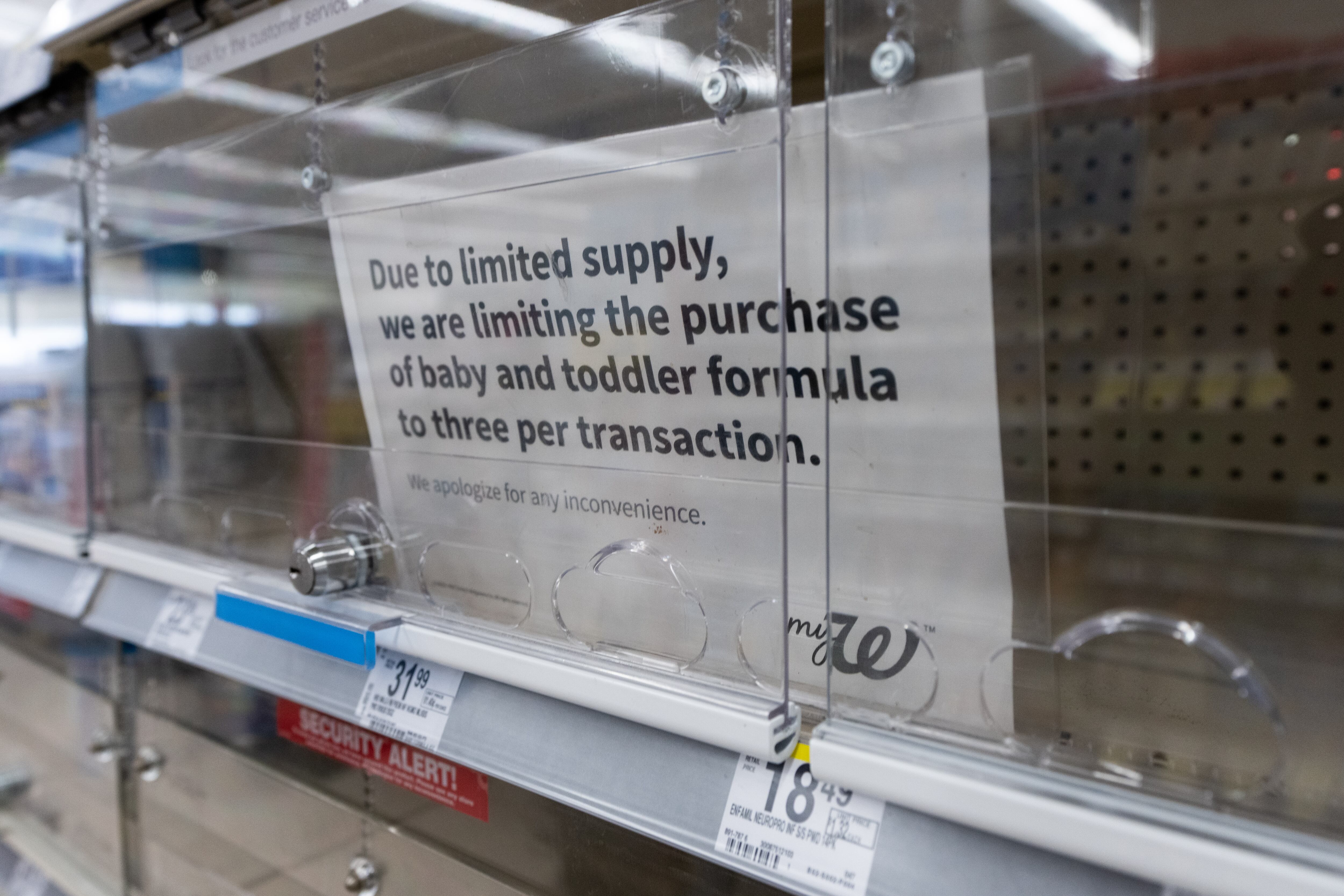
With the baby formula in the United States surging to an out-of-stock rate of 70 percent, the FDA has given Abbott permission to reopen its Michigan plant amid the crisis and authorized foreign imports. Professor Peter Pitts, a former FDA associate commissioner and current president of the Center for Medicine in the Public Interest, joined Cheddar News to discuss the ongoing shortage and its wide impact. “As difficult as things is in urban areas, they’re even worse in small communities and tribal areas where parents can't just go to the next store on the corner," he said. Pitts also noted that the Abbott factory was a "disaster" prior to its shutdown and that it would have been "regulatory malpractice" to have left it open.
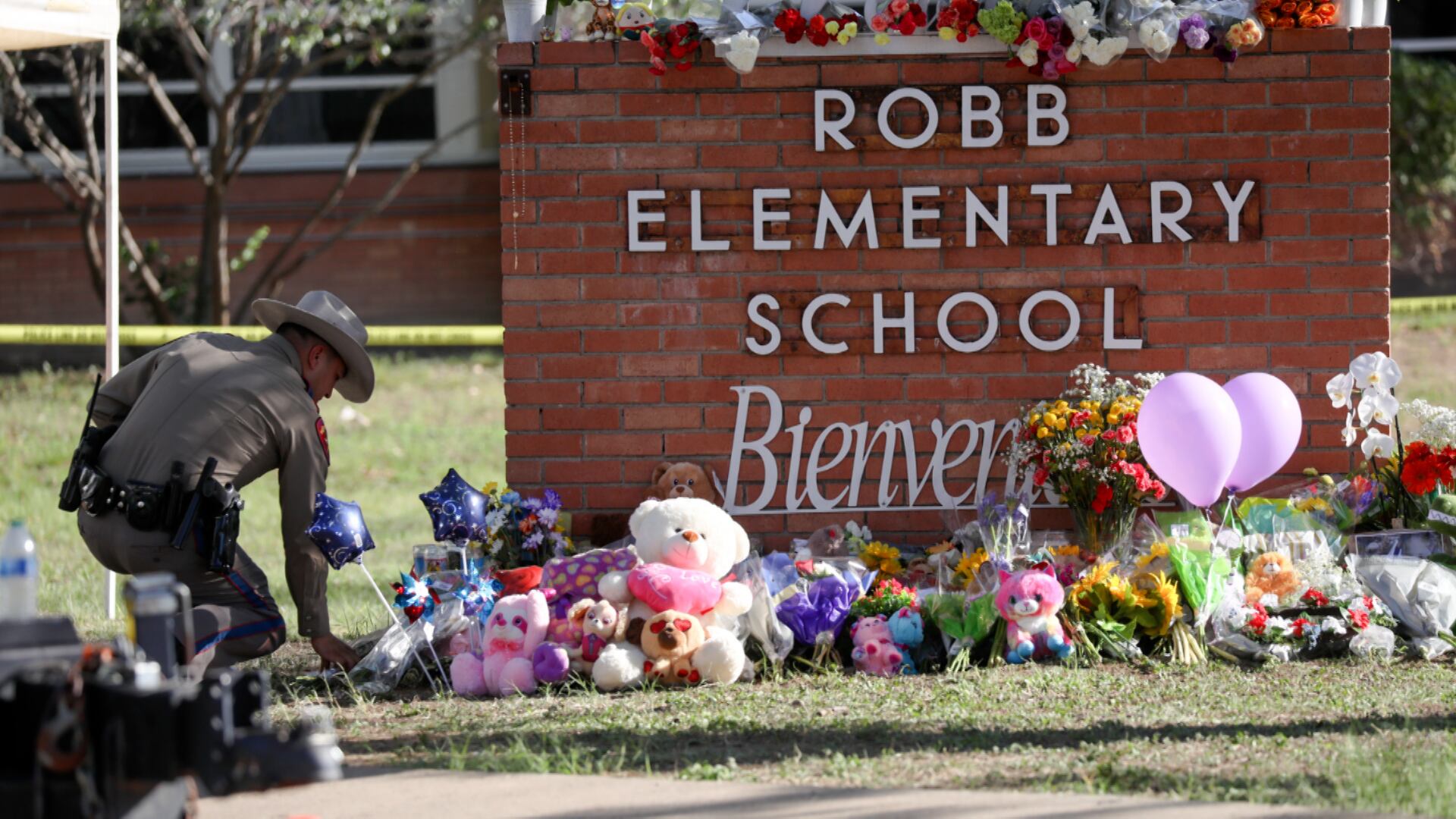
Cheddar's Megan Pratz reports from the ground in Uvalde, Texas where the community's grief and frustration with lawmakers and police officers grows as more details emerge.
Catching you up on what you need to know on Tuesday, May 31, 2022, EU leaders agree to ban 90% of Russian oil by year-end, funerals begin in Uvalde, Texas one week after a mass shooting killed 19 children and two adults, and President Biden meets with the world's biggest boy band BTS.
The Week's Top Stories is a guided tour through the biggest market stories of the week, from winning stocks to brutal dips to the facts and forecasts generating buzz on Wall Street.
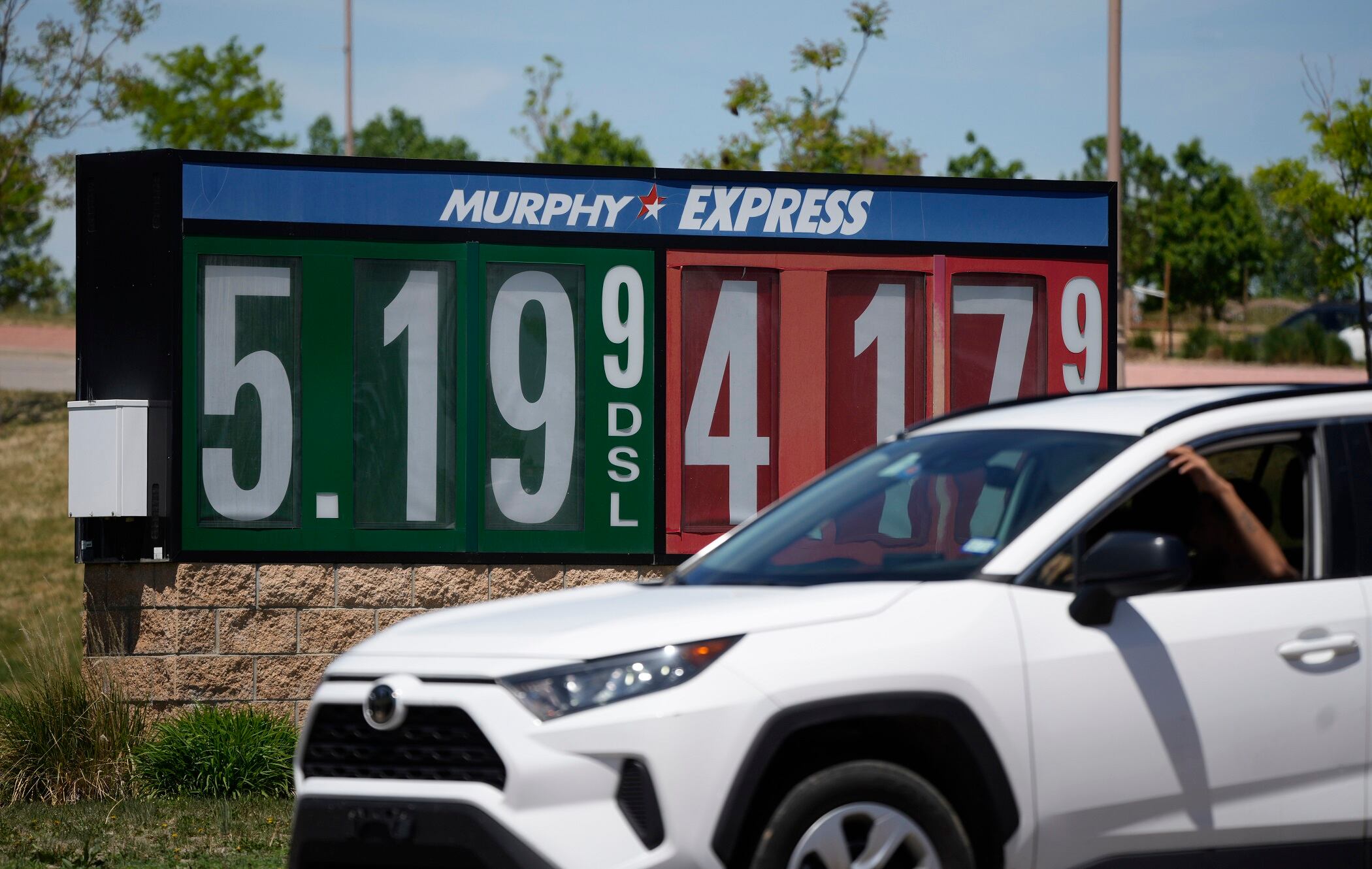
An inflation gauge closely tracked by the Federal Reserve rose 6.3% in April from a year earlier, just below a four-decade high set in March and the first slowdown since November 2020.
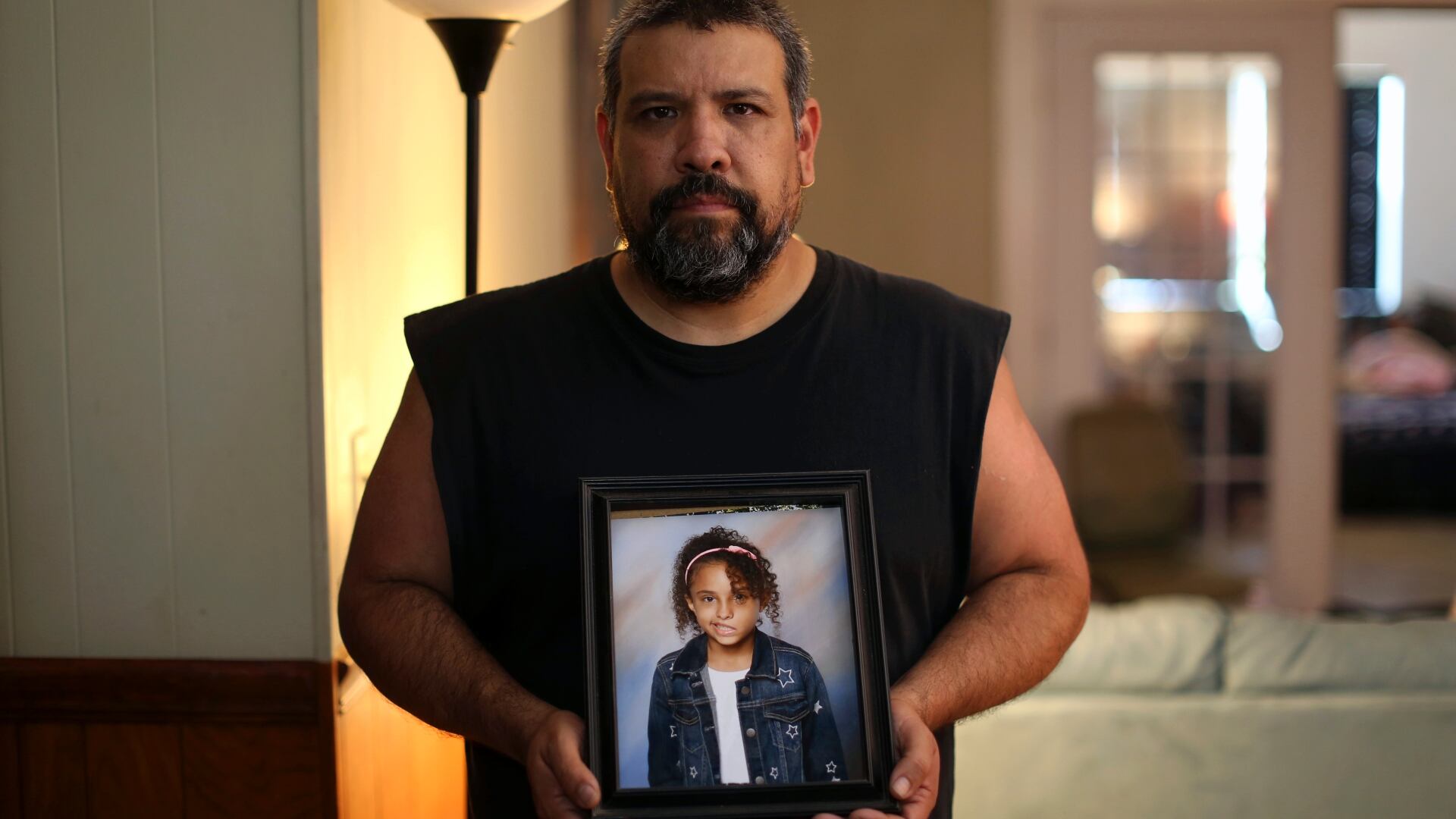
The pain and grief from this week’s shooting in a 4th grade classroom at Robb Elementary School in Uvalde, Texas is still with us. Cheddar's Shannon Lanier ends the week by pausing to remember some of the faces of the 19 children killed and their teachers.
Cheddar New’s reporter Megan Pratz reports from the scene in Uvalde, Texas, with additional details that indicate the shooter was inside Robb Elementary School for more than an hour before law enforcement was able to confront and kill him.
U.S. stocks ended near session highs to close Thursday's session after retailers released positive earnings results. Investors also continued to weigh the federal reserve's recent indication that the central will raise rates in an effort to curb inflation. Adam Johnson, Portfolio Manager for Adviser Investments, joins Cheddar News' Closing Bell to discuss.