New York Gov. Andrew Cuomo on Monday provided his daily coronavirus update from the Javits Convention Center, which opened today as an emergency field hospital.
The governor said both the Javits Center and the USNS Comfort hospital ship, which docked in the city this morning, will serve patients dealing with non-coronavirus medical needs. That should leave New York City hospitals to serve as the frontline of the coronavirus outbreak.
While expressing gratitude for federal support the state has received, Cuomo stressed that the city is not an "anomaly" but rather a "canary in the coal mine" for what the rest of the state and country will soon experience.
"What you see us going through here, you will see happening all across this country," he said.
"Anyone who says this situation is a New York City-only situation is in a state of denial."
All but one county in the state of New York has a confirmed COVID-19 case, he added.
Collaboration has been complicated, however, by the fact that states are competing for the same stock of limited supplies.
"We're competing amongst ourselves. We're driving the prices up. When we started buying ventilators, they were under $20,000. The ventilators are now over $50,000 if you can find them," Cuomo said.
The governor echoed a message from Mayor Bill de Blasio earlier today emphasizing that New York would provide guidance and direct assistance to other areas once they, too, become hot zones.
The state's latest death toll from the virus now stands at 1,218, a jump of about 300 from Sunday. Cuomo said the jump correlates with an increasing number of patients who have died after prolonged periods of ventilators use, suggesting that patients with more serious cases are beginning to succumb to the disease.
In a bit of positive news, Cuomo reported that cases are now doubling at a slower rate than that had been, down from doubling every two days to every six days.
"While the overall number of cases is going up, the rate of doubling is actually down," Cuomo said.
Disparities in tree coverage across America is a huge issue that affects air quality, heat exposure, and ultimately determines how resilient communities are against climate change. The Build Back Better Act is allocating $2.5 billion to boost 'tree equity.' Lemir Teron, assistant professor at SUNY College of Environmental Science and Forestry, joins Cheddar News to explain why this is a priority for Democrats today.
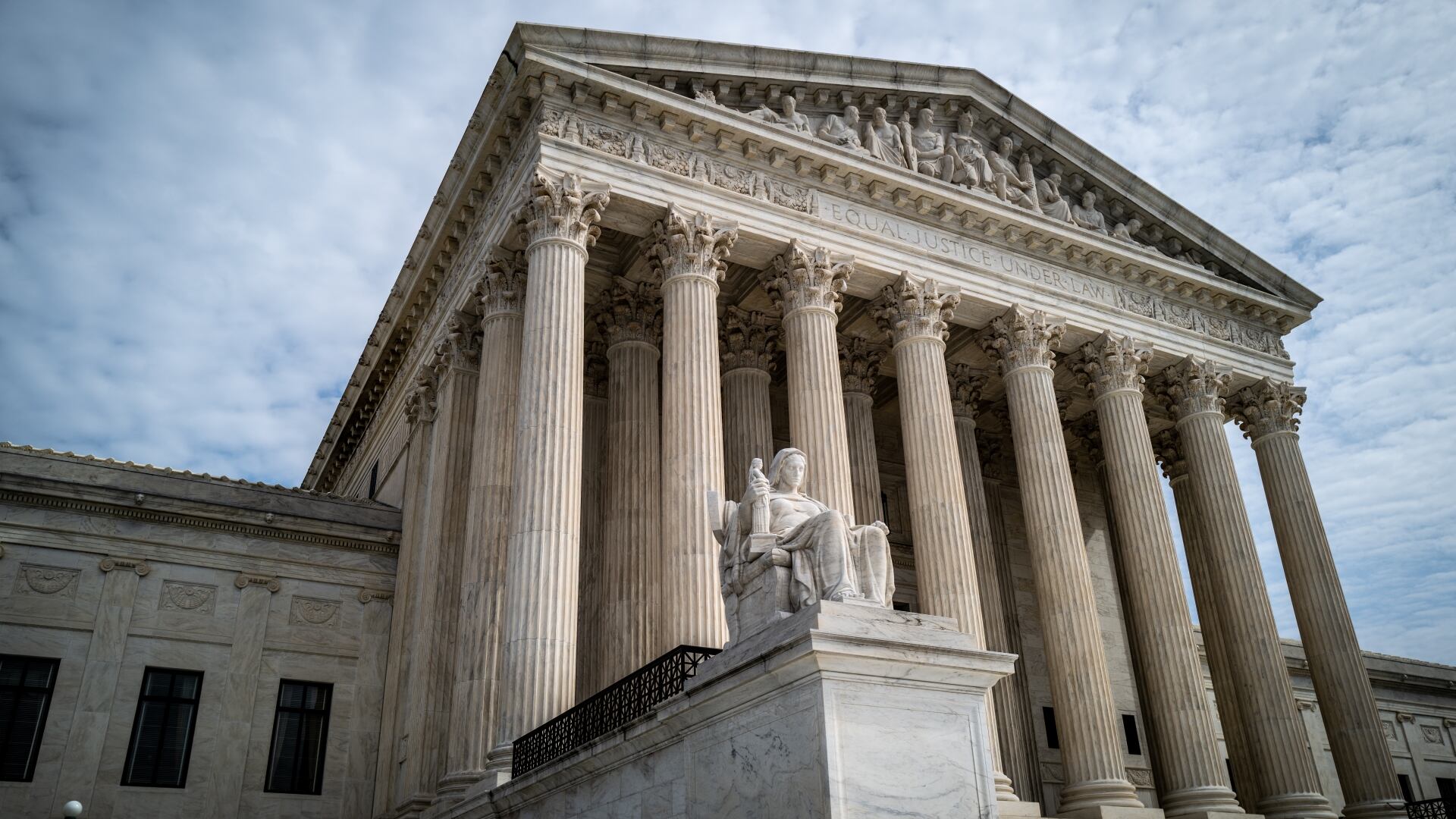
The Supreme Court will be hearing arguments in Dobbs v. Jackson Women's Health on Wednesday over a Mississippi law banning abortions after 15 weeks. Jimmy Hoover, the Supreme Court editor-at-large for Law360, joined Cheddar to break down the momentous legal fight. "This is the biggest abortion case at the Supreme Court in 30 years," he said. "It is a … a direct challenge to Roe v. Wade."
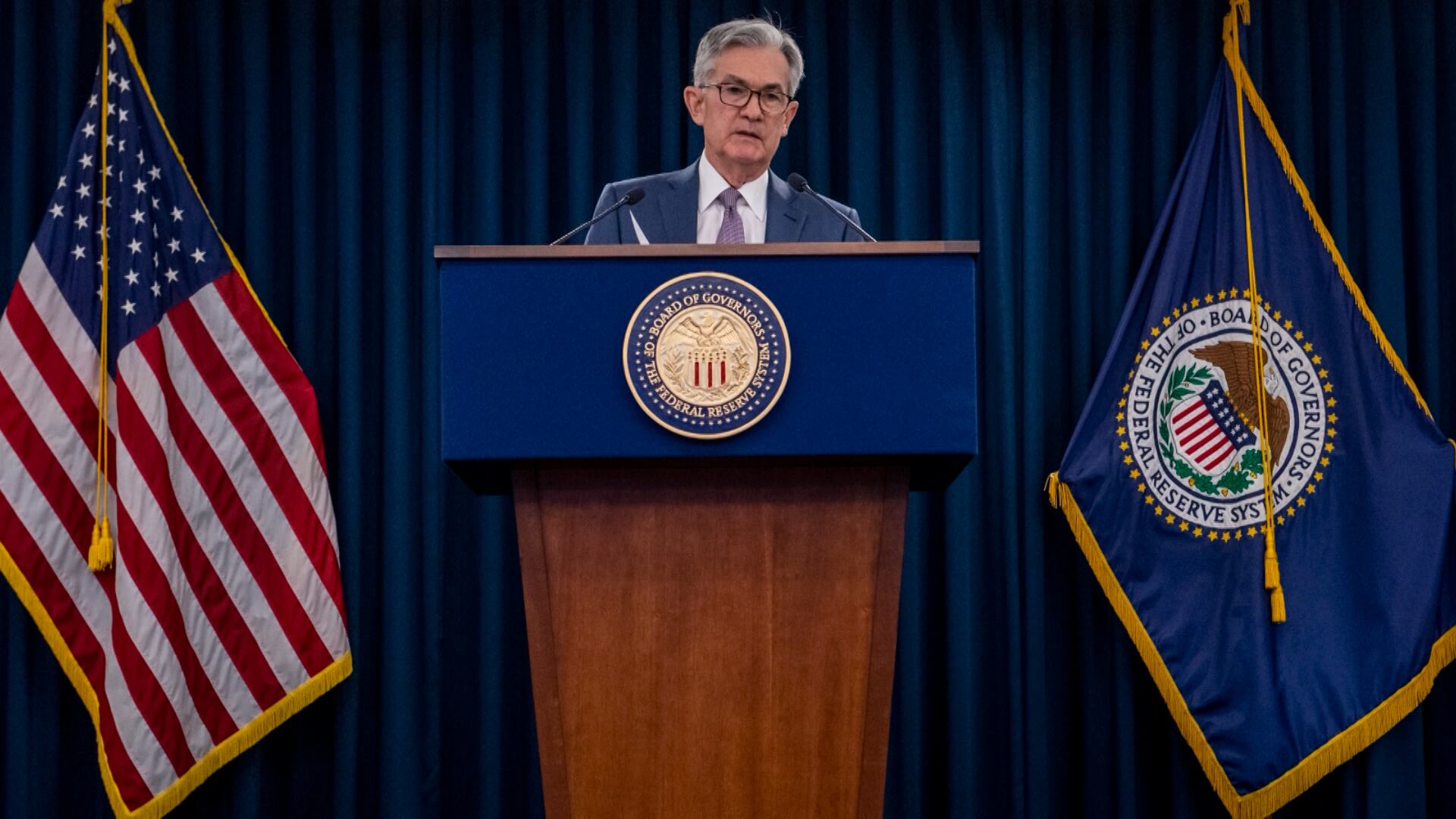
Matt Peron, Director of Research at Janus Henderson Investors, joins Cheddar News' Closing Bell, where he breaks down the factors leading to today's market slide and says there's more to it than Fed Chair Jerome Powell's comments about speeding up tapering efforts.
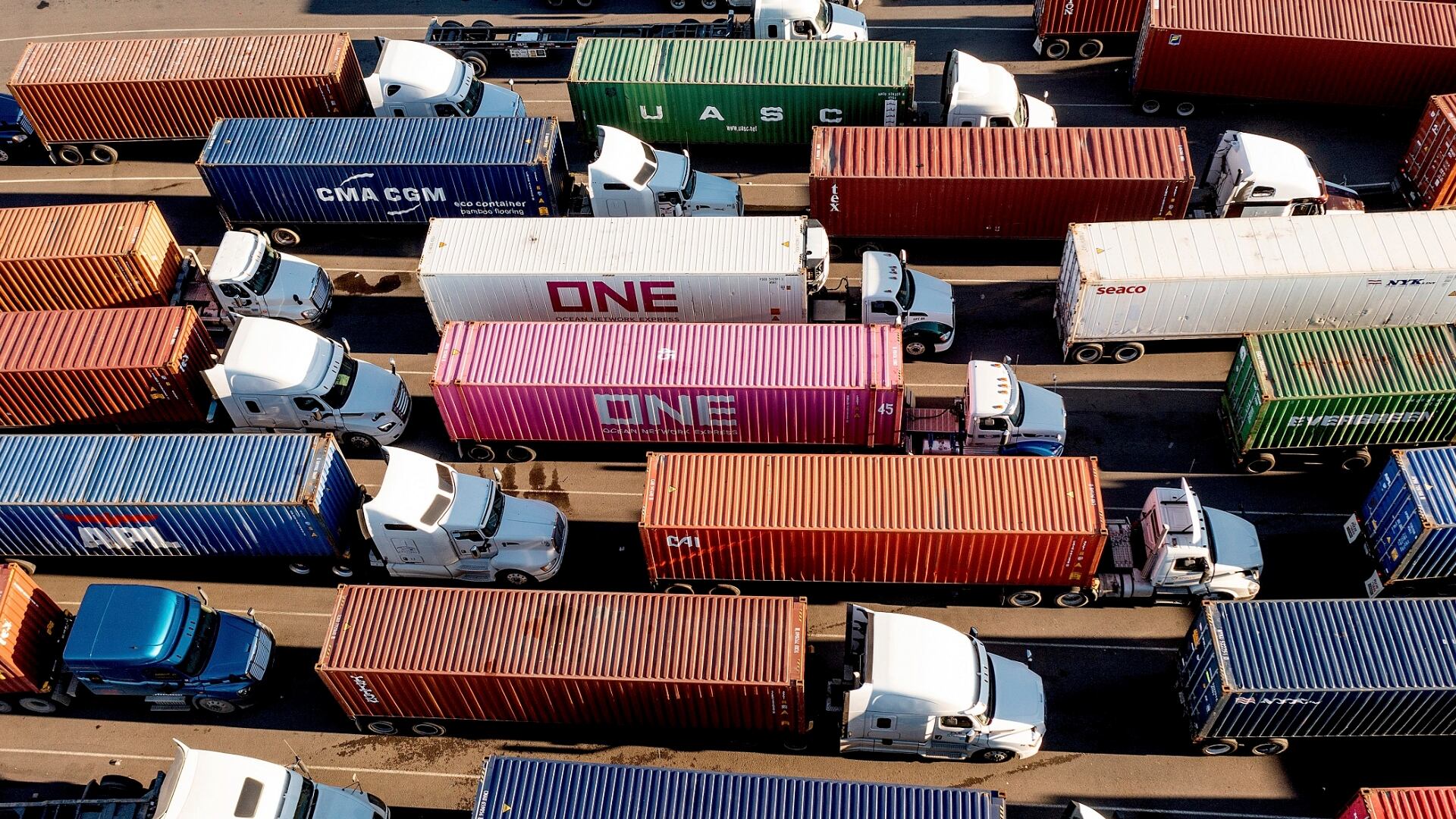
Walmart CEO Dough McMillon praised the Biden administration's efforts to ease supply chain constraints after the company saw a 26 percent jump in shipments over the last month. President Joe Biden had announced back in October that California ports would operate on a 24/7 basis.
Jill and Carlo cover the latest developments with the Omicron variant that are spooking markets once again. Twitter's @Jack is leaving, SCOTUS takes up abortion rights and the world has a brand new republic.
The Biden Administration is set to buy 10 million courses of Pfizer's Covid pill if it gains emergency use authorization from the FDA. With this purchase, the U.S. will receive more than 13 million courses of antiviral pills aimed at treating Covid and reducing severe illness and death. Pfizer's pill has been shown to reduce risk of hospitalization and death by 89 percent, proving it could be a key tool in the fight against the pandemic. Dr. Soumi Eachempati, Co-Founder, CEO & CMO of Cleared4, joined Cheddar News to discuss.
The Build Back Better Act has been at the center of endless negotiations and debate, ultimately landing as a nearly $1.8 trillion plan. One of the highlights is $170 billion dollars for affordable housing, making history as the largest investment in the sector to date. Eliza Collins, politics reporter for The Wall Street Journal, joins Cheddar News to break down the bill.