New York Gov. Andrew Cuomo on Monday provided his daily coronavirus update from the Javits Convention Center, which opened today as an emergency field hospital.
The governor said both the Javits Center and the USNS Comfort hospital ship, which docked in the city this morning, will serve patients dealing with non-coronavirus medical needs. That should leave New York City hospitals to serve as the frontline of the coronavirus outbreak.
While expressing gratitude for federal support the state has received, Cuomo stressed that the city is not an "anomaly" but rather a "canary in the coal mine" for what the rest of the state and country will soon experience.
"What you see us going through here, you will see happening all across this country," he said.
"Anyone who says this situation is a New York City-only situation is in a state of denial."
All but one county in the state of New York has a confirmed COVID-19 case, he added.
Collaboration has been complicated, however, by the fact that states are competing for the same stock of limited supplies.
"We're competing amongst ourselves. We're driving the prices up. When we started buying ventilators, they were under $20,000. The ventilators are now over $50,000 if you can find them," Cuomo said.
The governor echoed a message from Mayor Bill de Blasio earlier today emphasizing that New York would provide guidance and direct assistance to other areas once they, too, become hot zones.
The state's latest death toll from the virus now stands at 1,218, a jump of about 300 from Sunday. Cuomo said the jump correlates with an increasing number of patients who have died after prolonged periods of ventilators use, suggesting that patients with more serious cases are beginning to succumb to the disease.
In a bit of positive news, Cuomo reported that cases are now doubling at a slower rate than that had been, down from doubling every two days to every six days.
"While the overall number of cases is going up, the rate of doubling is actually down," Cuomo said.
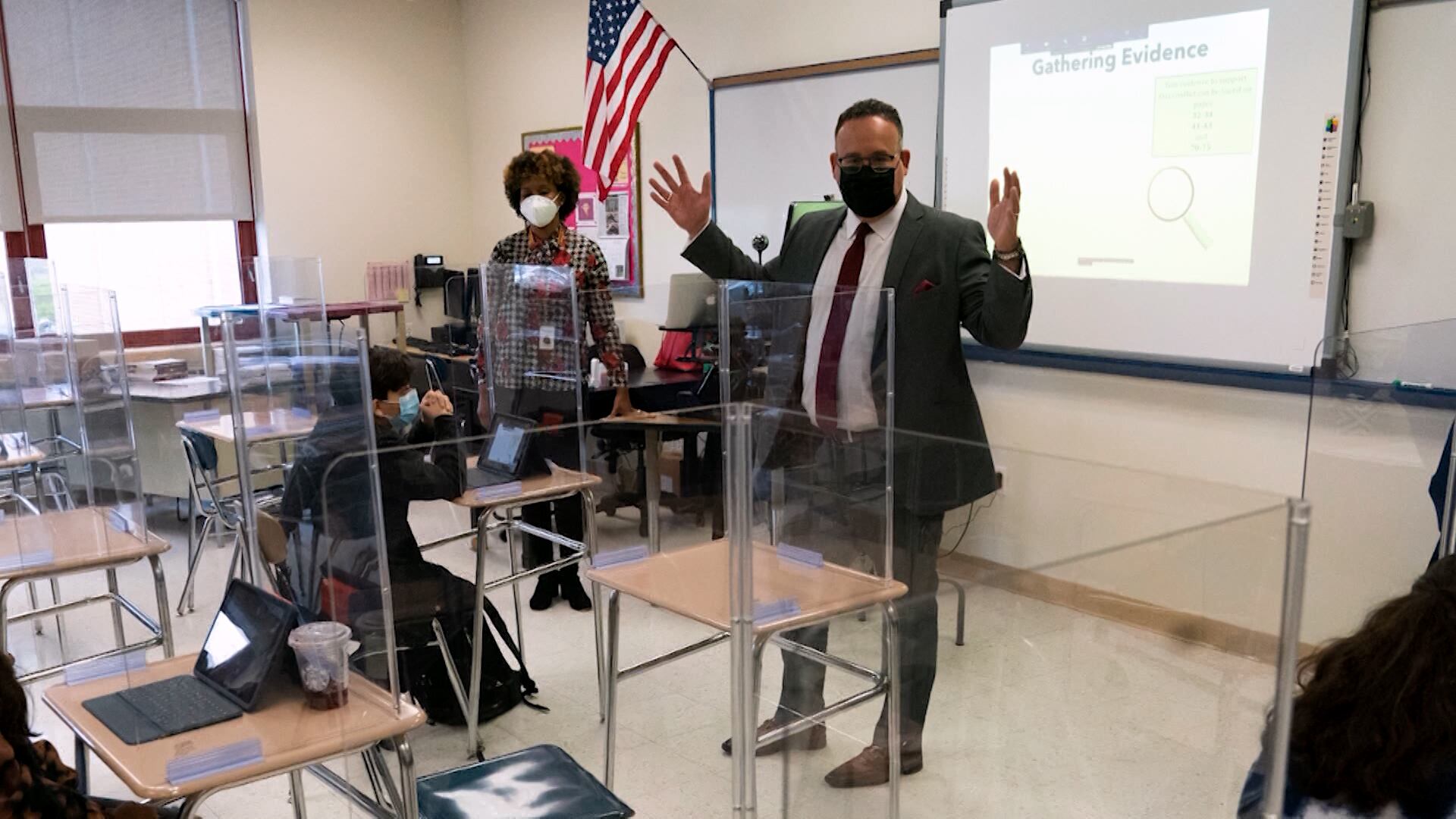
Covid cases have started to spike again across the nation, and this time they seem to be hitting some of our youngest and most vulnerable - school-aged children. School districts across the nation - including the country's largest public school system in New York City- are all grappling with what to do as teachers and students alike continue to miss school in droves.
Katie Honan, reporter for the New York City-based non profit news organization, The City explains how educational leaders across the country are handling covid demands from both teachers and parents alike.
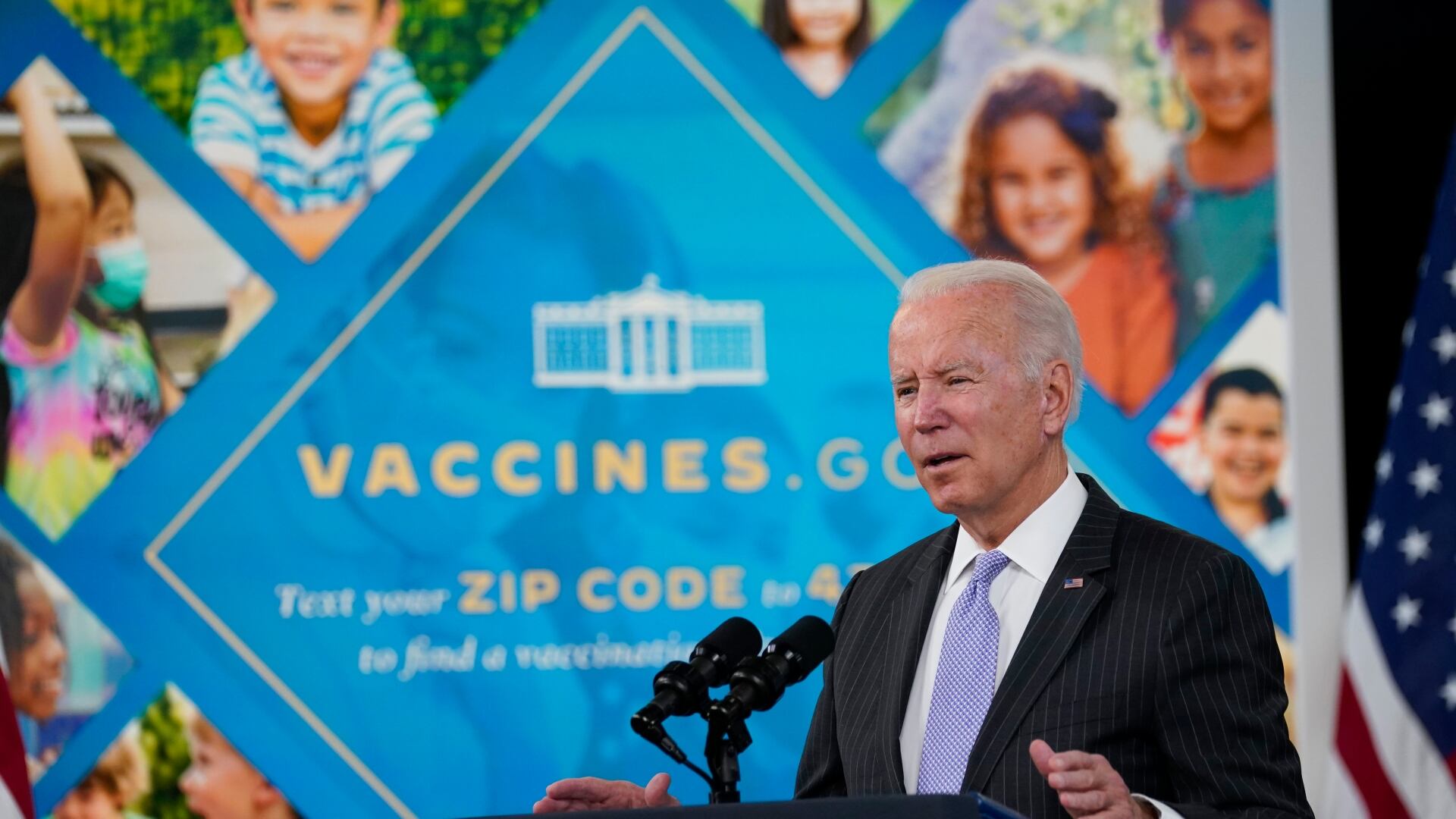
Last week, the Supreme Court began here to hear arguments on two of the President's COVID-19 vaccine mandates. The vaccine or testing requirement for employees of large businesses, as well as the vaccine mandate for health care providers who get funding through either Medicare or Medicaid. The justices in DC will ultimately decide whether or not federal agencies even have the authority to issue these types of mandates. Editor at large of employment at Law 360, Vin Gurrieri, joined Cheddar to discuss more.
On this episode of Cheddar Reveals Richenda Sandlin-Tymitz, Marketing & Content Manager at Alaska Tour & Travel, breaks down when and how to plan your best trip to Alaska; Kristen Miller, Acting Executive Director, Alaska Wilderness League, discusses the Arctic National Wildlife Refuge and the oil drilling that threatens it; Cheddar gets a look at Curiosity Stream's 'The Magic of the Wild.'
Kristen Miller, acting executive director, Alaska Wilderness League, discusses the Arctic National Wildlife Refuge and the oil drilling that threatens it.
The Department of Treasury is warning Americans to expect delays on their tax returns this year as the IRS manages staffing shortages due to the pandemic.
The United States and Russia remain distant following a meeting between high-level officials for the two countries in Geneva, Switzerland. The nations remain conflicted over Washington's concern of a potential invasion of Ukraine by Russia and Moscow dispute with NATO expanding into former Soviet states. Hagar Chemali, host of Oh My World on YouTube and former spokesperson for the U.S. Mission to the U.N., joined Cheddar's "News Wrap" to give her take about the careful diplomatic negotiations underway. "I would expect more rounds," she said about the talks. "Both sides really remain adamant that we're not going to talk about Russia's proposal, and Russia doesn't want to talk about anything but its proposal. So once they start talking about the other items on the table, and there are a few other items, that's when negotiations can start."
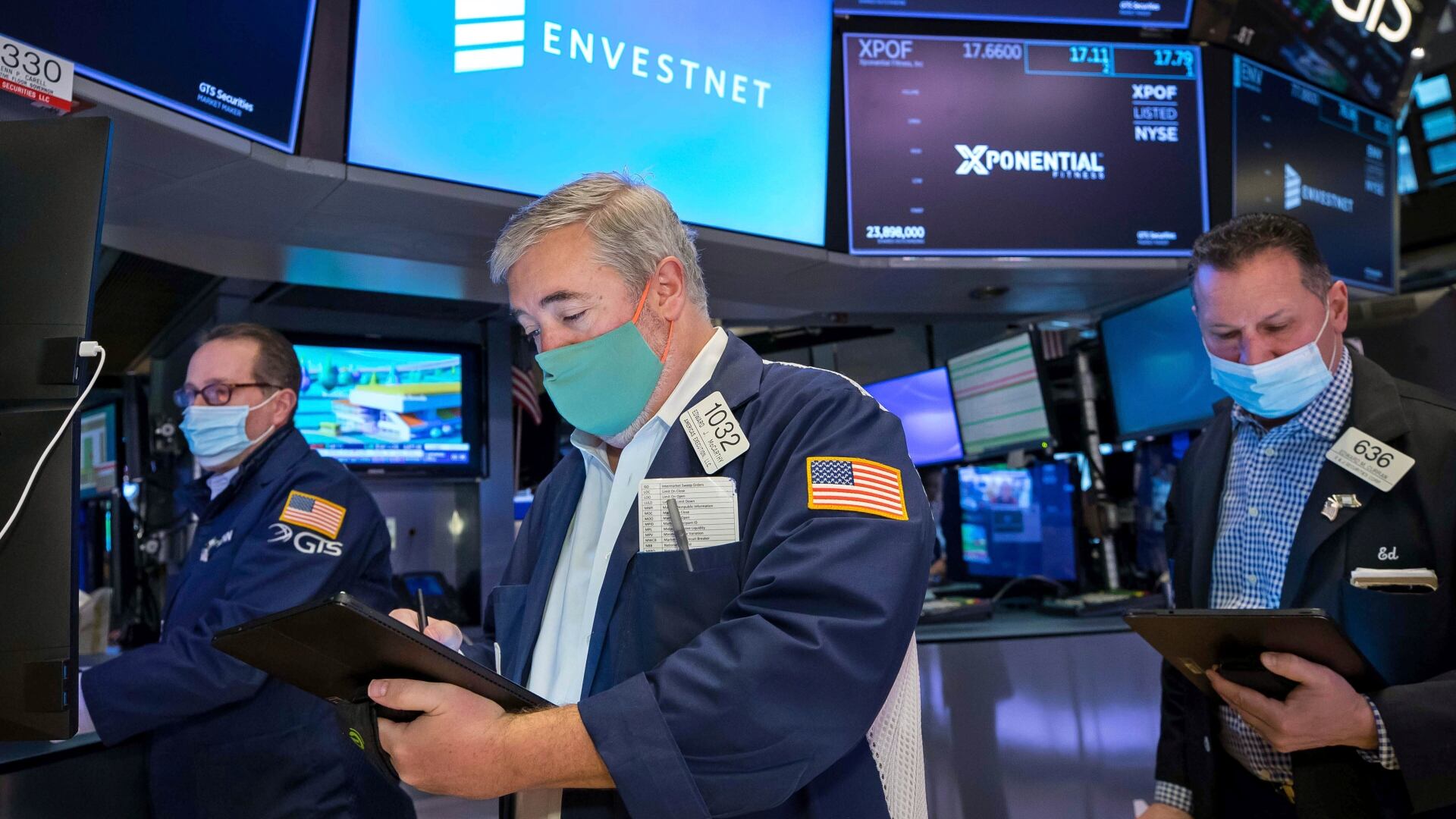
Markets closed the day mixed, and well off their lows of the day following a market meltdown earlier in the session. The Nasdaq staged a comeback late in the day, even amid ongoing worries about the Federal Reserve raising interest rates. Doug Flynn, certified financial planner and co-founder of Flynn Zito Capito, joined Cheddar News' Closing Bell to discuss the markets' close and what's driving the major indexes.