Nvidia the Latest to Get Off the Self-Driving Bandwagon
Shares of Nvidia plunged Tuesday after the chipmaker said it would suspend testing of its autonomous vehicle technology globally.
But the Verge’s Andrew Hawkins doesn’t think the company will exit the industry entirely.
“I think that they’re trying to be cautious,” the transportation reporter said. “Nvidia has obviously been in this space for a number of years. They claim to have over 300 clients that they’re working with...so they’re still looking to stay very active in this space.”
Nvidia creates the artificial intelligence systems on which self-driving cars are built. The company has been testing its platform in New Jersey and California, as well as overseas in Japan and Germany.
One of its clients is Uber, which last week halted its own tests in the wake of a fatal crash in Arizona.
That state’s governor, Republican Doug Ducey, on Monday took the decision out of Uber’s hands, suspending the ride-hailing company himself.
Hawkins said the move marked a sharp reversal in Arizona’s attitude towards the technology.
“Up until this point, Arizona has been very welcoming of autonomous vehicle testing. It has a very light regulatory touch,” he said. “There’s really...nothing in the way of requirements for companies.
“At the same time, it seems like Governor Ducey...has a delicate balance to strike here -- being strict with Uber because they killed somebody [and] at the same time not looking like he’s looking to shut down the entire industry.”
Uber’s accident -- the first known death involving a self-driving car -- has thrown the entire autonomous vehicle industry into a soul-searching tailspin.
But it hasn’t irked rival Waymo.
The unit of Google parent Alphabet unveiled a partnership with Jaguar Tuesday, which will outfit 20,000 of its SUVs with its self-driving technology, aiming to roll out a fleet by 2020.
Adtalem CEO Steve Beard addresses a report from Safkhet Capital taking the short position on the for-profit education giant, plus why he believes there should be financial recourse for student loan borrowers misled by their institutions.
CEO of Americares Christine Squires shares how the organization is helping provide medical assistance in a time of increasing instability, war, and climate-related disaster.
Doug Clinton, Deepwater Asset Management managing partner, shares tips for investors looking to take advantage of the massive boom in artificial intelligence beyond Microsoft and Nvidia.
Jason Moser, analyst and adviser at the Motley Fool, shares thoughts on recent tech earnings, including what’s behind Google’s share price drop and why A.I. could be Microsoft’s ‘iPhone moment.’
CEOs of social media platforms like Facebook, TikTok, and more meet with lawmakers Wednesday about how they are protecting children from sexual exploitation.
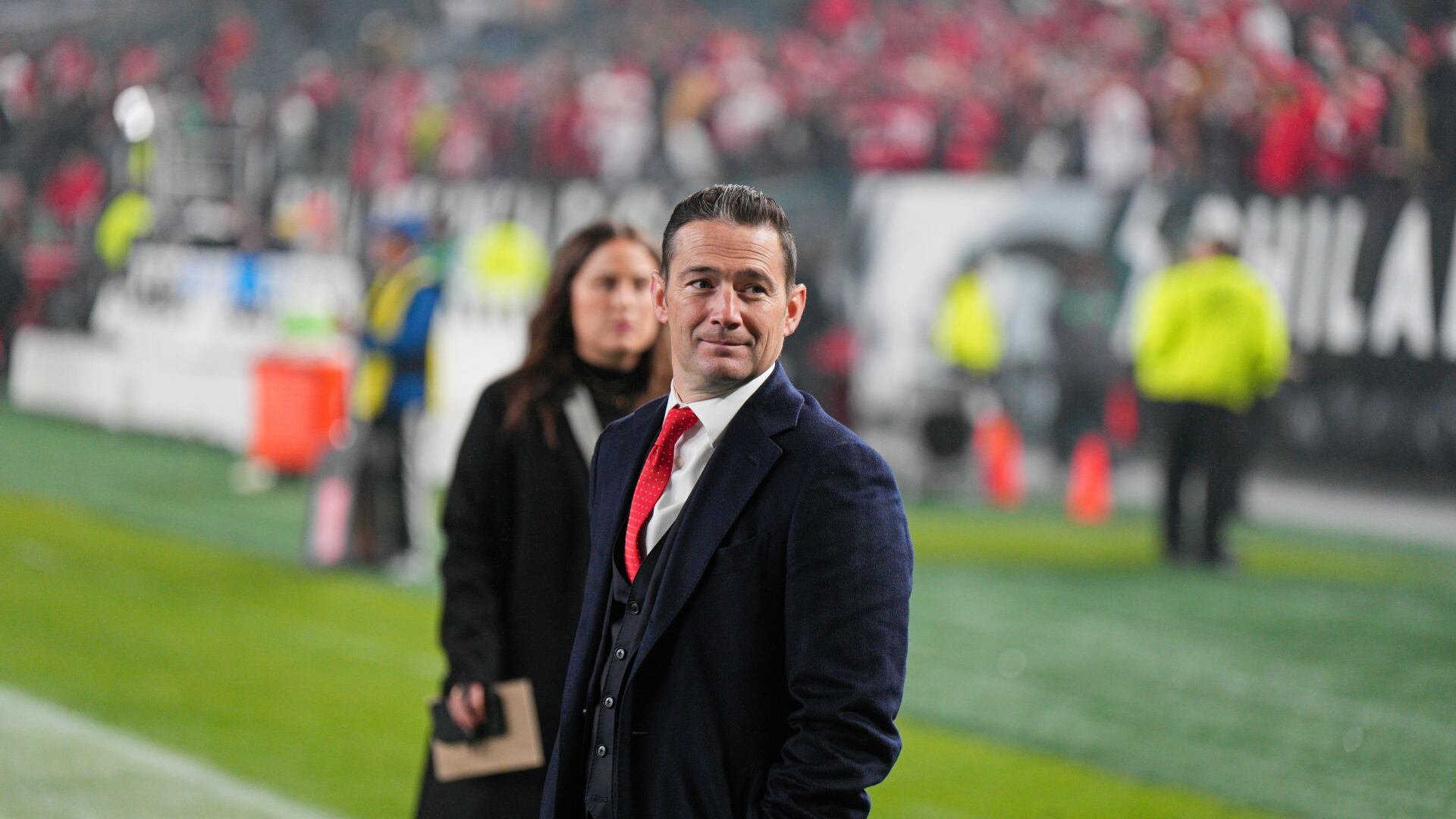
San Francisco 49ers president Al Guido discusses what goes into preparing for Super Bowl LVIII, building a championship-ready team, and how Taylor Swift and streaming are both bringing new fans to the NFL.
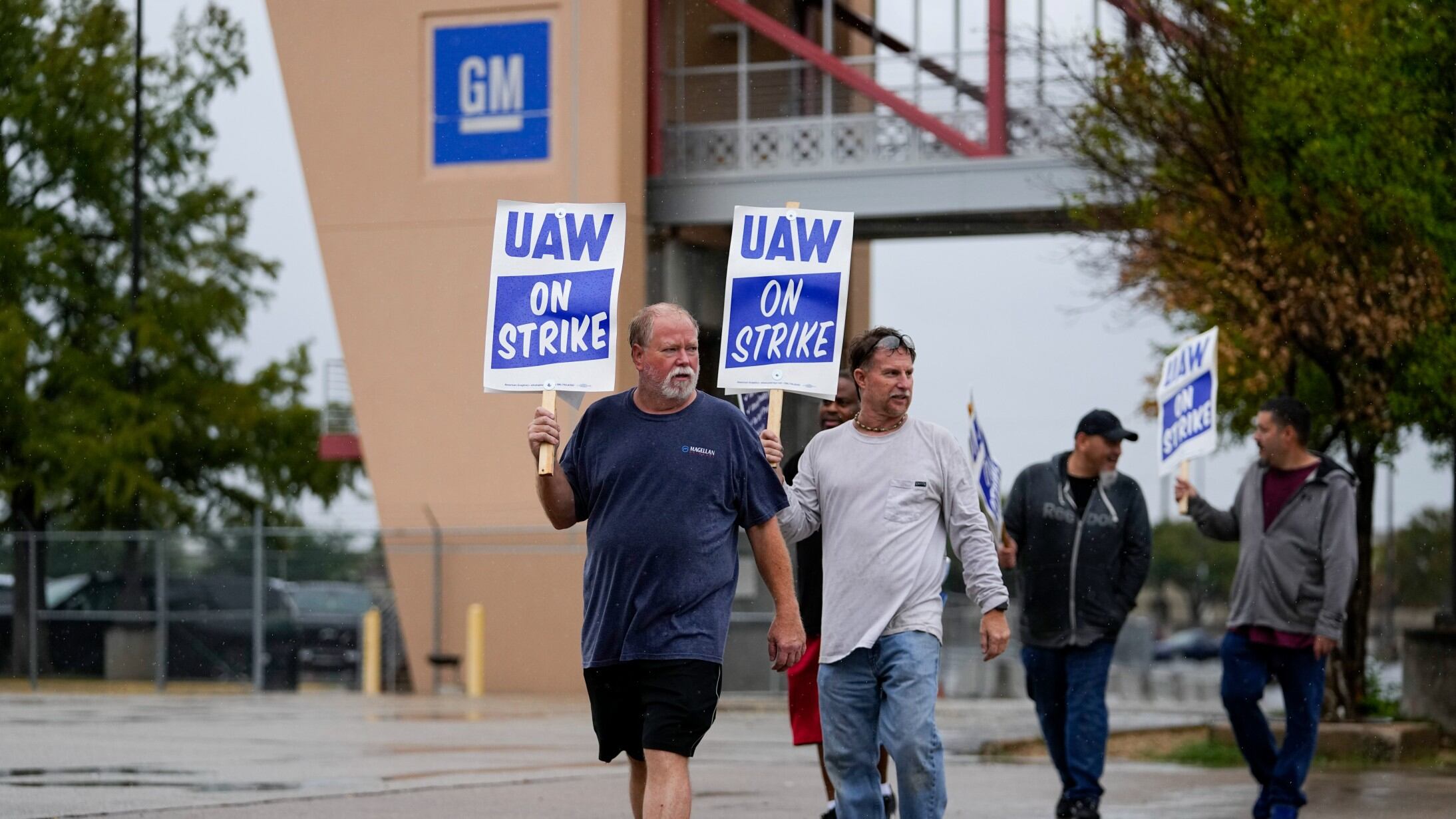
A $1 billion loss from a six-week strike did not crash GM's net income last year, which instead rose 12% — and the automaker expects improvement in 2024, too.
Accrue CEO and founder Michael Hershfield explains why Americans' credit card delinquencies are on the rise, advice on what can help, and the key difference between Boomers and Gen Z when it comes to money.
Senior Economist at Morning Consult Kayla Bruun shares thoughts on what to expect from the Fed's January meeting and where monetary policy is headed, as well as how consumers are faring.