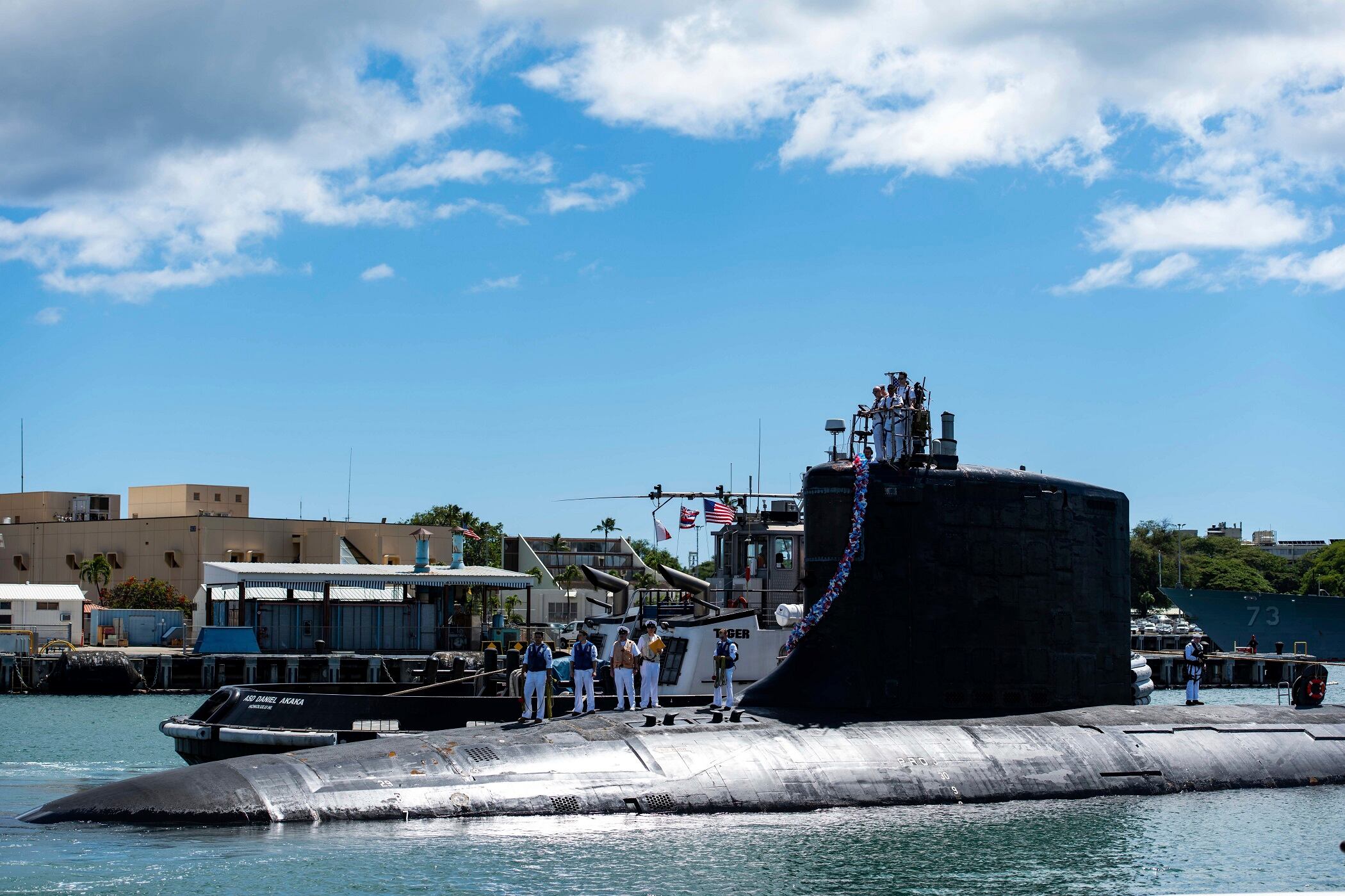
In this photo provided by U.S. Navy, the Virginia-class fast-attack submarine USS Illinois (SSN 786) returns home to Joint Base Pearl Harbor-Hickam from a deployment in the 7th Fleet area of responsibility on Sept. 13, 2021.Australia decided to invest in U.S. nuclear-powered submarines and dump its contract with France to build diesel-electric submarines because of a changed strategic environment, Prime Minister Scott Morrison said on Thursday, Sept. 16, 2021. (Mass Communication Specialist 1st Class Michael B. Zingaro/U.S. Navy via AP)
By Nick Perry
The U.S., Britain and Australia have announced they're forming a new security alliance that will help equip Australia with nuclear-powered submarines. The alliance will see a reshaping of relations in the Indo-Pacific region and beyond. Here's what it might mean for various players:
THE UNITED STATES
Ten years ago under President Barack Obama, the U.S. began discussing the need to focus more attention on the Indo-Pacific region while pivoting away from conflicts in the Middle East. Under President Joe Biden, the U.S. has now withdrawn its troops from Afghanistan while finding that tensions with China have only grown. In the Pacific, the U.S. and others have been concerned about China's aggressive actions in the South China Sea and its antipathy toward Japan, Taiwan and Australia. In announcing the deal, none of the three leaders mentioned China, although the alliance was seen as a provocative move by Beijing. The U.S. had previously only shared the nuclear propulsion technology with Britain. Biden said it was about ensuring peace and stability in the Indo-Pacific over the long term.
BRITAIN
Leaving the European Union under Brexit has left Britain seeking to reassert its global position. Part of that has been an increased focus — or tilt — toward the Indo-Pacific. British Prime Minister Boris Johnson said the new alliance would allow the three nations to sharpen their focus on an increasingly complicated part of the world. He said that perhaps most significantly, it would bond the three nations even more closely together.
AUSTRALIA
Under the arrangement, Australia will build at least eight nuclear-powered submarines using U.S. expertise, while dumping a contract with France for diesel-electric subs. Experts say the nuclear subs will allow Australia to conduct longer patrols and give the alliance a stronger military presence in the region.
Australian Prime Minister Scott Morrison said he had called the leaders of Japan and India to explain the new alliance. Japan, India, Australia and the U.S. already have a strategic dialogue known as “the Quad.” Biden is set to host fellow Quad leaders at the White House next week.
FRANCE
Australia told France it would end its contract with state majority-owned DCNS to build 12 of the world’s largest conventional submarines. The contract was worth tens of billions of dollars. France is furious, demanding explanations from all sides.
“It was really a stab in the back. We built a relationship of trust with Australia, and this trust was betrayed,” said French Foreign Minister Jean-Yves Le Drian on France-Info radio.
CHINA
China said the alliance would severely damage regional peace and stability, and jeopardize efforts to halt nuclear weapon proliferation. It said it was “highly irresponsible” for the U.S. and Britain to export the nuclear technology, and that Australia was to blame for a breakdown in bilateral relations.
“The most urgent task is for Australia to correctly recognize the reasons for the setbacks in the relations between the two countries, and think carefully whether to treat China as a partner or a threat," said Zhao Lijian, a spokesperson of China's Ministry of Foreign Affairs.
Beijing has been unhappy with the Biden administration calling it out over human rights abuses in the Xianjing region, the crackdown on democracy activists in Hong Kong, and cybersecurity breaches. Biden spoke by phone with China’s President Xi Jinping last week. After the call, the official Xinhua News Agency reported that Xi expressed concerns that U.S. government policy toward China has caused “serious difficulties” in relations.
NEW ZEALAND
Left out of the new alliance is Australia's neighbor New Zealand. It has a longstanding nuclear-free policy that includes a ban on nuclear-powered ships entering its ports. That stance has sometimes been a sticking point in otherwise close relations with the U.S. Prime Minister Jacinda Ardern said New Zealand wasn’t asked to be part of the alliance and wouldn’t have expected an invitation. Still, it leaves New Zealand out of a deal to share a range of information including artificial intelligence, cyber and underwater defense capabilities.
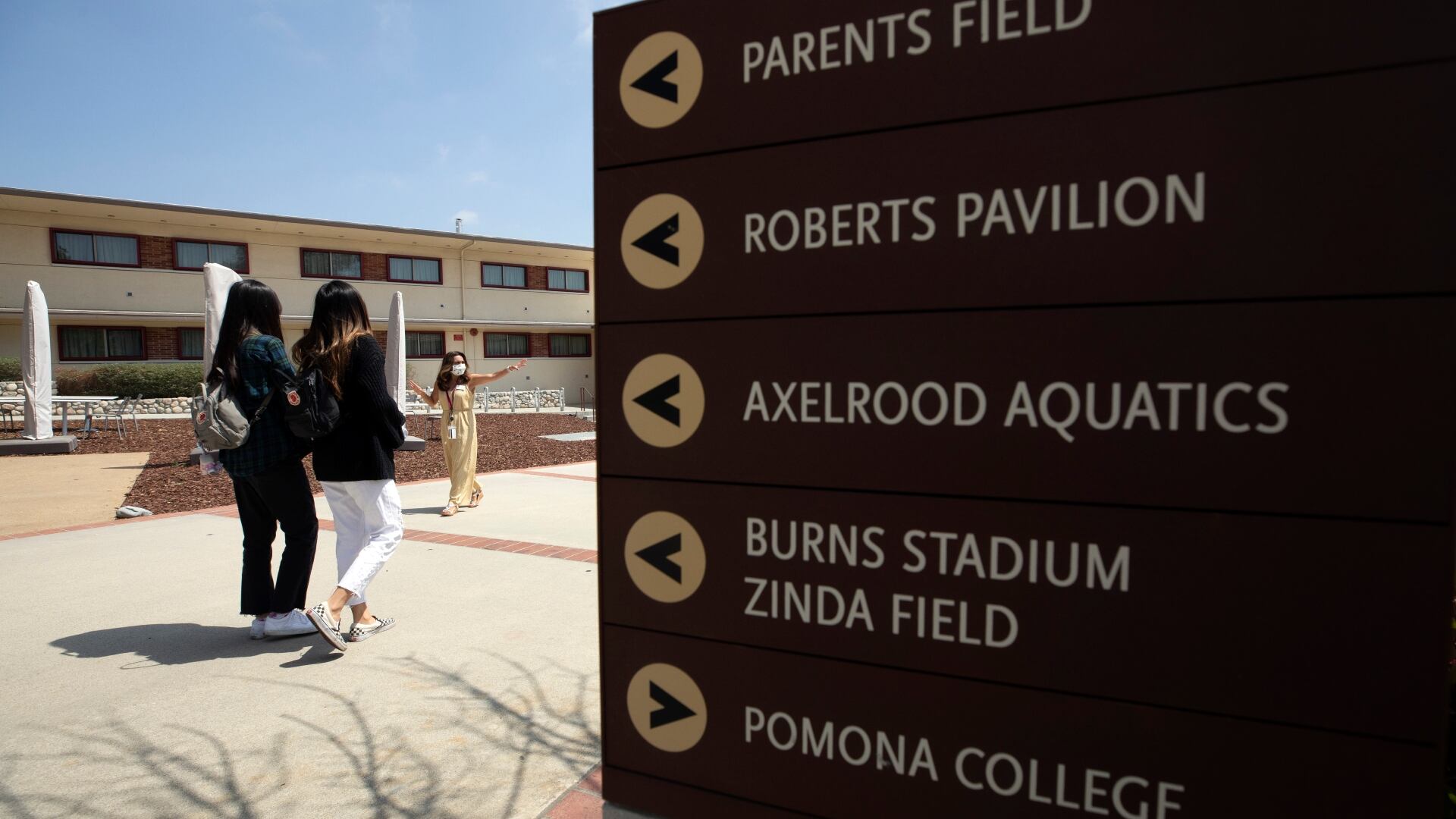
In February, Senator Jeff Merkley (D-Ore.) and Representative Jamaal Bowman (D-N.Y. 16th District) introduced the Fair College Admissions for Students Act. The bill looks to curb the admissions advantage given to the children of alumni and donors for colleges and universities. Sen. Merkley joined Cheddar news to discuss the push behind the legislation. "My dad was a mechanic. I was applying to schools around the country. I never thought about the fact that those students who came from the most privileged backgrounds also got a special advantage in applying to college," he said. "They take up 10-25 percent of the slots at many of our universities, and so this is kind of affirmative action for those who need it least rather than a level playing field for everyone else." If enacted, the law would amend the Higher Education Act of 1965 doing away with legacy or donor status admissions for any school participating in the federal student aid program.
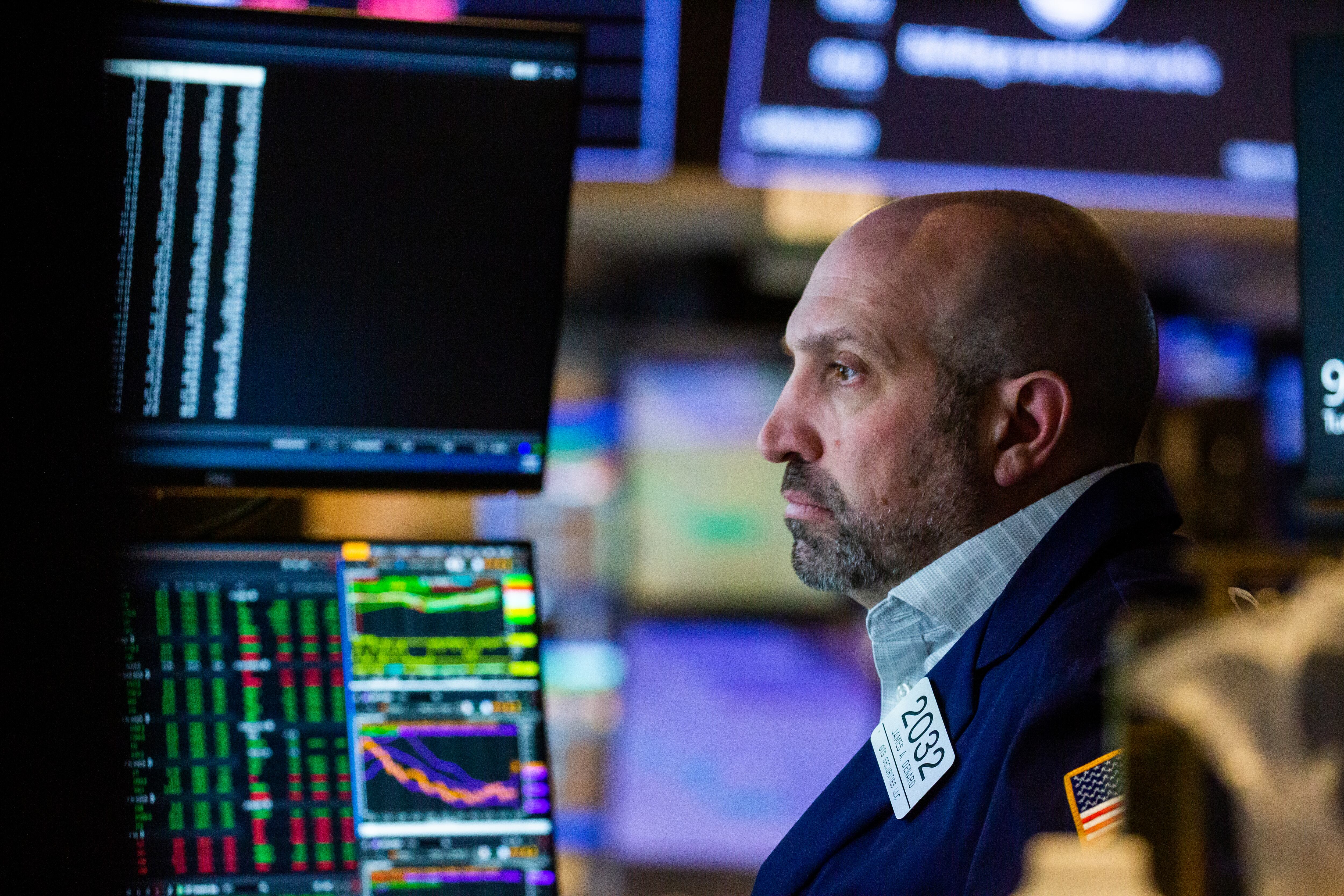
Nancy Daoud, a private wealth adviser for Ameriprise Financial, joins Cheddar News' Closing Bell, where she discusses what led to a sharp spike on Wall Street during Tuesday's session and what she will be watching for most closely when the Fed announces it latest policy decision on Wednesday.
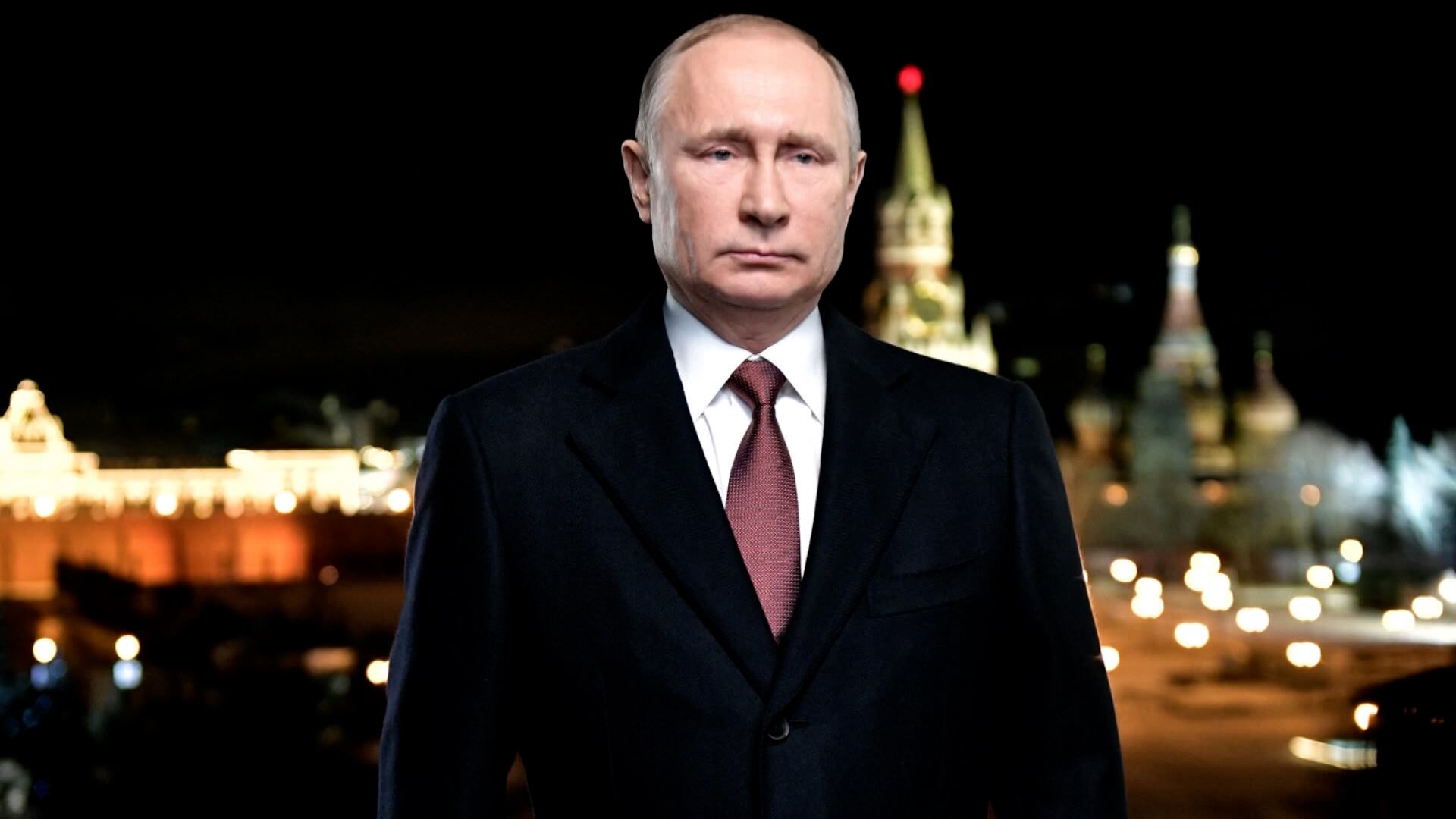
Russia's economy is effectively at a standstill after it was slapped with extensive western sanctions, and now it has to make the first of four monthly interest payments on dollar bonds. It's likely the country will not be able to pay — so what happens next? Major credit ratings agencies have downgraded Russian sovereign debt, with Fitch issuing a 'C' rating and S&P Global Ratings issuing a 'CCC-' rating. Caleb Silver, Editor in Chief of Investopedia, joins Closing Bell to discuss what a Russian debt default could mean for Russia's economy, U.S. consumers who have pensions with exposure to Russian assets, and whether this could create a global financial crisis.
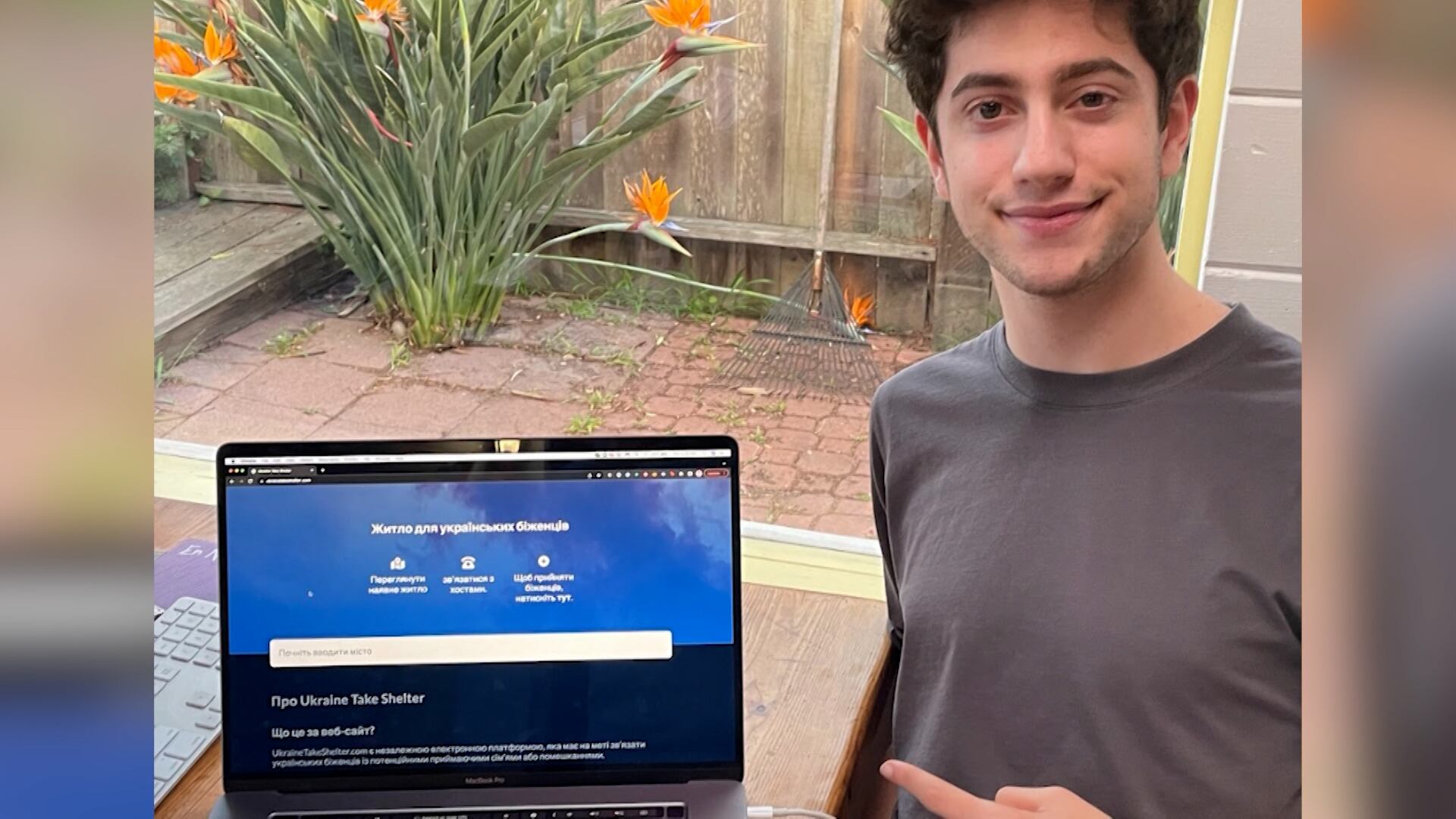
With the number of Ukrainians being displaced due to the Russian invasion surging, two students from Harvard took it on themselves to develop a website to help connect potential hosts with refugees seeking housing. The co-founder of the website Ukraine Takes Shelter, Marco Burstein, joined Cheddar news to discuss working together with fellow freshman Avi Schiffmann to streamline the effort to aid Ukrainian refugees. "We basically worked for three days straight developing the website, and since then the response has been pretty incredible," Burstein said.
Over three weeks ago, WNBA player Brittney Griner was arrested in Russia on drug charges. According to reports, the Star arrived at an airport near Moscow where authorities found Vape cartridges and hashish oil in her luggage. Grindr faces serious charges that could carry a possible sentence of 5-10 years in a Russian prison. Experts warn that Griner's arrest could be used as a bargaining chip. Partner at Stroock & Stroock & Lavan, Thomas Firestone, joined Cheddar to discuss more.
On a live broadcast, an employee on a Russian state news television channel held up a sign protesting propaganda about the war in Ukraine. Ruslan Deynychenko, executive director of the Ukrainian fact-checking organization StopFake, joined Cheddar News to discuss what he called the misinformation spread to the Russian people about the invasion. "They are not about informing people they are about brainwashing people," he said. "Russian government uses their media as an instrument, as a tool, of their foreign policy."
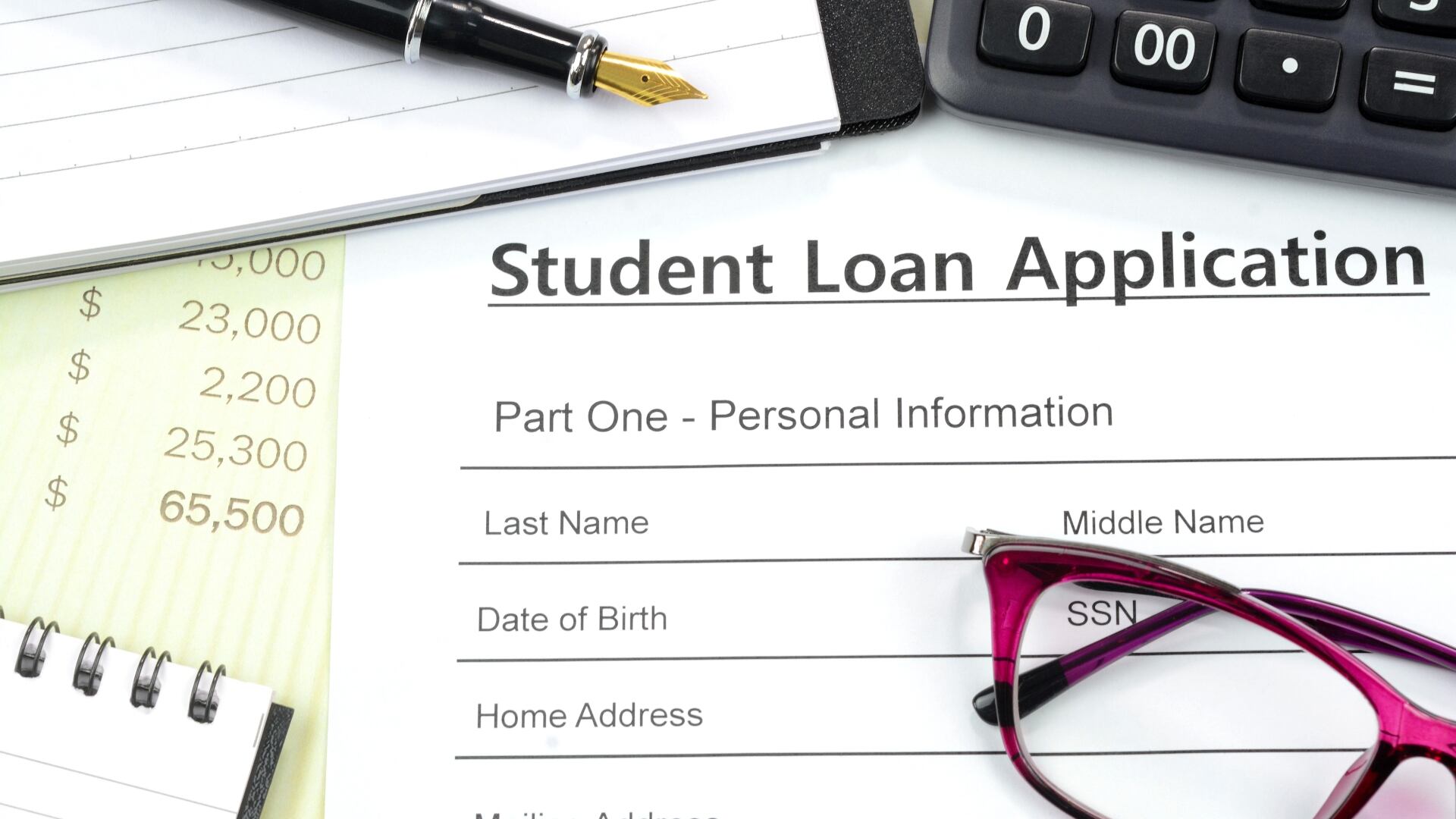
Student loan payments for millions of borrowers are set to resume on May 1st. However, signals from the Department of Education show that the date may be pushed back. Once again, it's been pushed back a few times. Initially, the Biden Administration stated loan payments would resume as the economy continues to show signs of recovery. Student Loan Expert and Author of "How to Appeal for More College Financial Aid", Mark Kantrowitz, joined Cheddar to discuss more.