By Nick Perry

The U.S., Britain and Australia have announced they're forming a new security alliance that will help equip Australia with nuclear-powered submarines. The alliance will see a reshaping of relations in the Indo-Pacific region and beyond. Here's what it might mean for various players:

THE UNITED STATES

Ten years ago under President Barack Obama, the U.S. began discussing the need to focus more attention on the Indo-Pacific region while pivoting away from conflicts in the Middle East. Under President Joe Biden, the U.S. has now withdrawn its troops from Afghanistan while finding that tensions with China have only grown. In the Pacific, the U.S. and others have been concerned about China's aggressive actions in the South China Sea and its antipathy toward Japan, Taiwan and Australia. In announcing the deal, none of the three leaders mentioned China, although the alliance was seen as a provocative move by Beijing. The U.S. had previously only shared the nuclear propulsion technology with Britain. Biden said it was about ensuring peace and stability in the Indo-Pacific over the long term.

BRITAIN

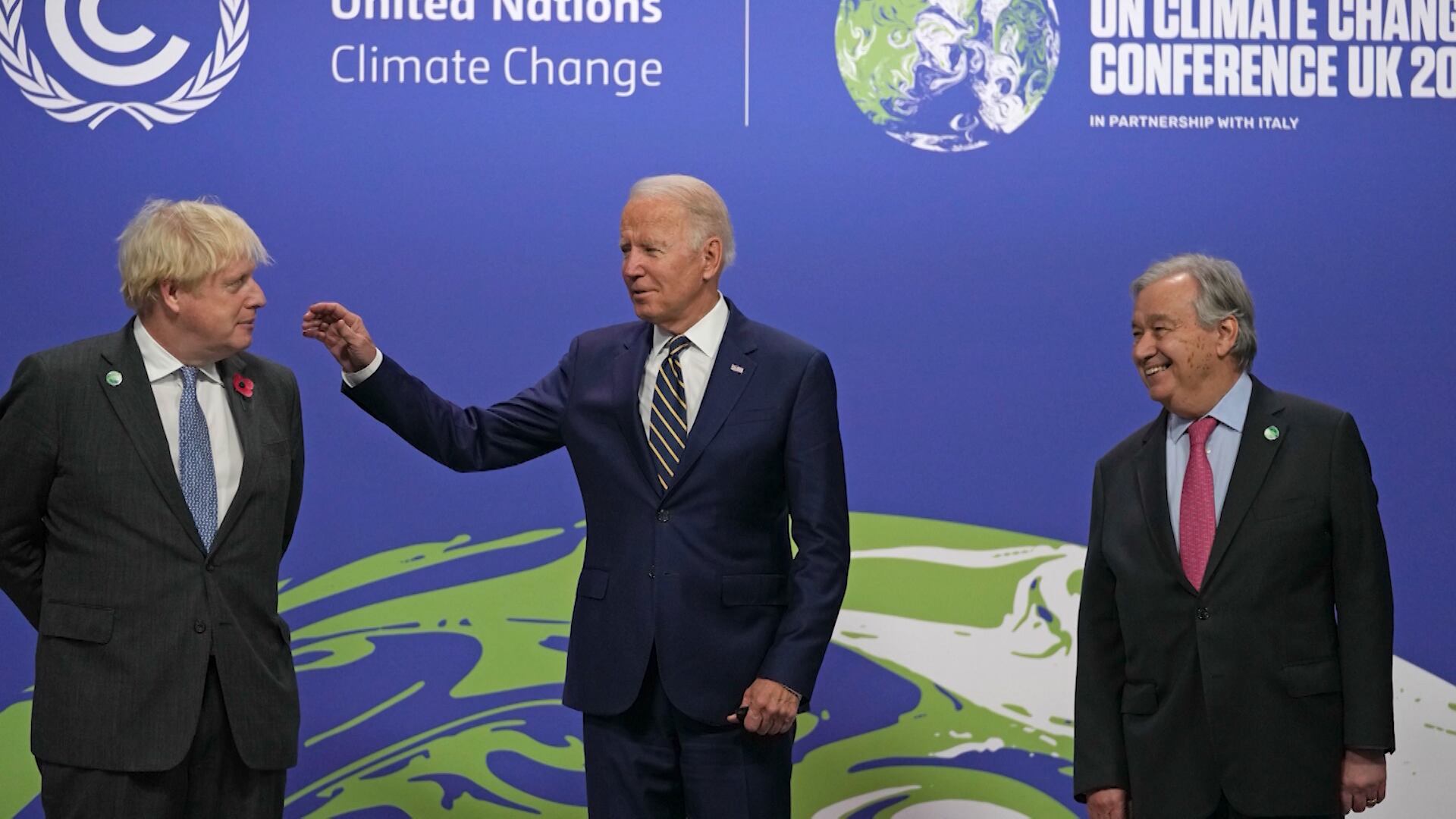
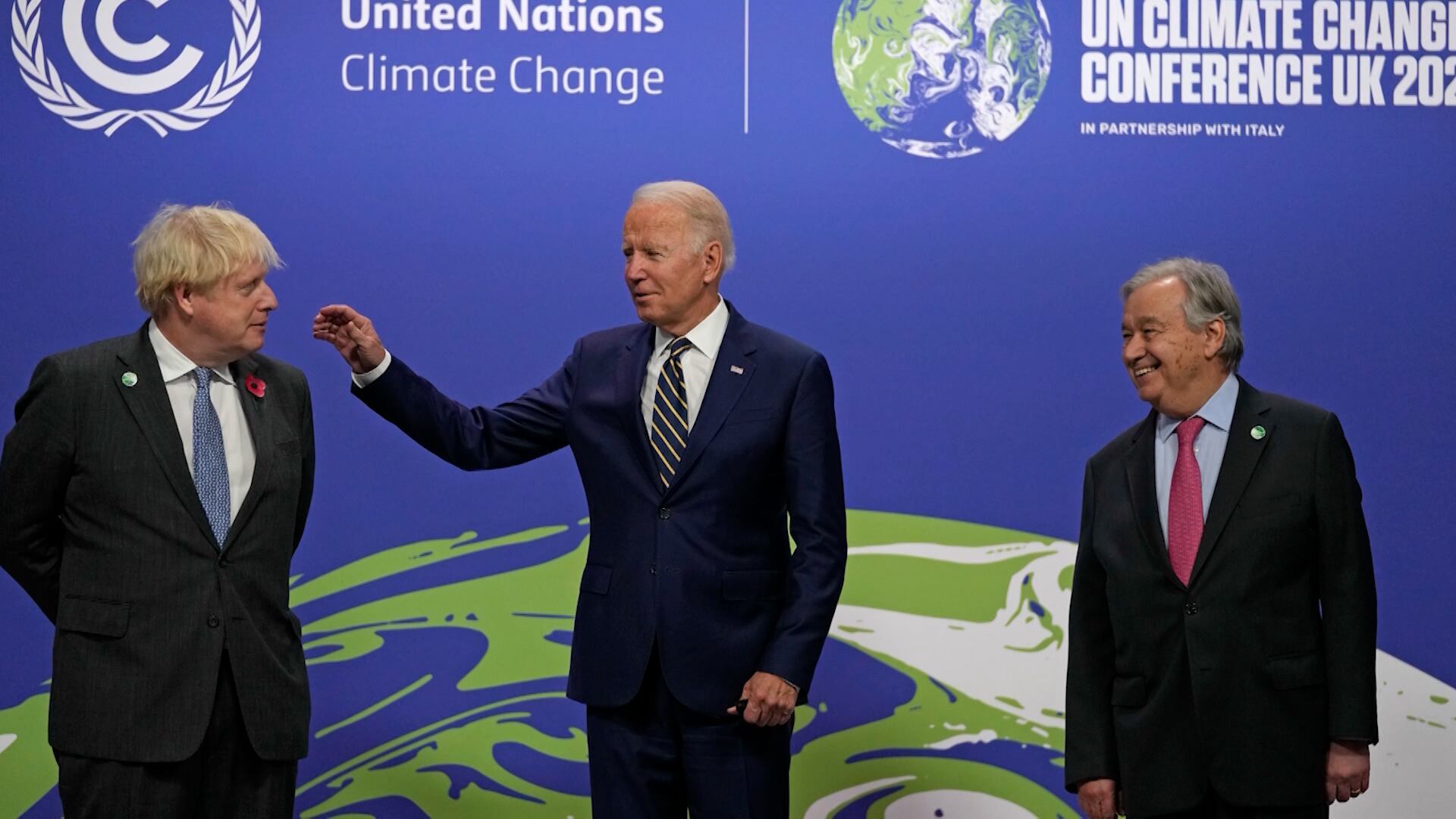
Leaving the European Union under Brexit has left Britain seeking to reassert its global position. Part of that has been an increased focus — or tilt — toward the Indo-Pacific. British Prime Minister Boris Johnson said the new alliance would allow the three nations to sharpen their focus on an increasingly complicated part of the world. He said that perhaps most significantly, it would bond the three nations even more closely together.

AUSTRALIA

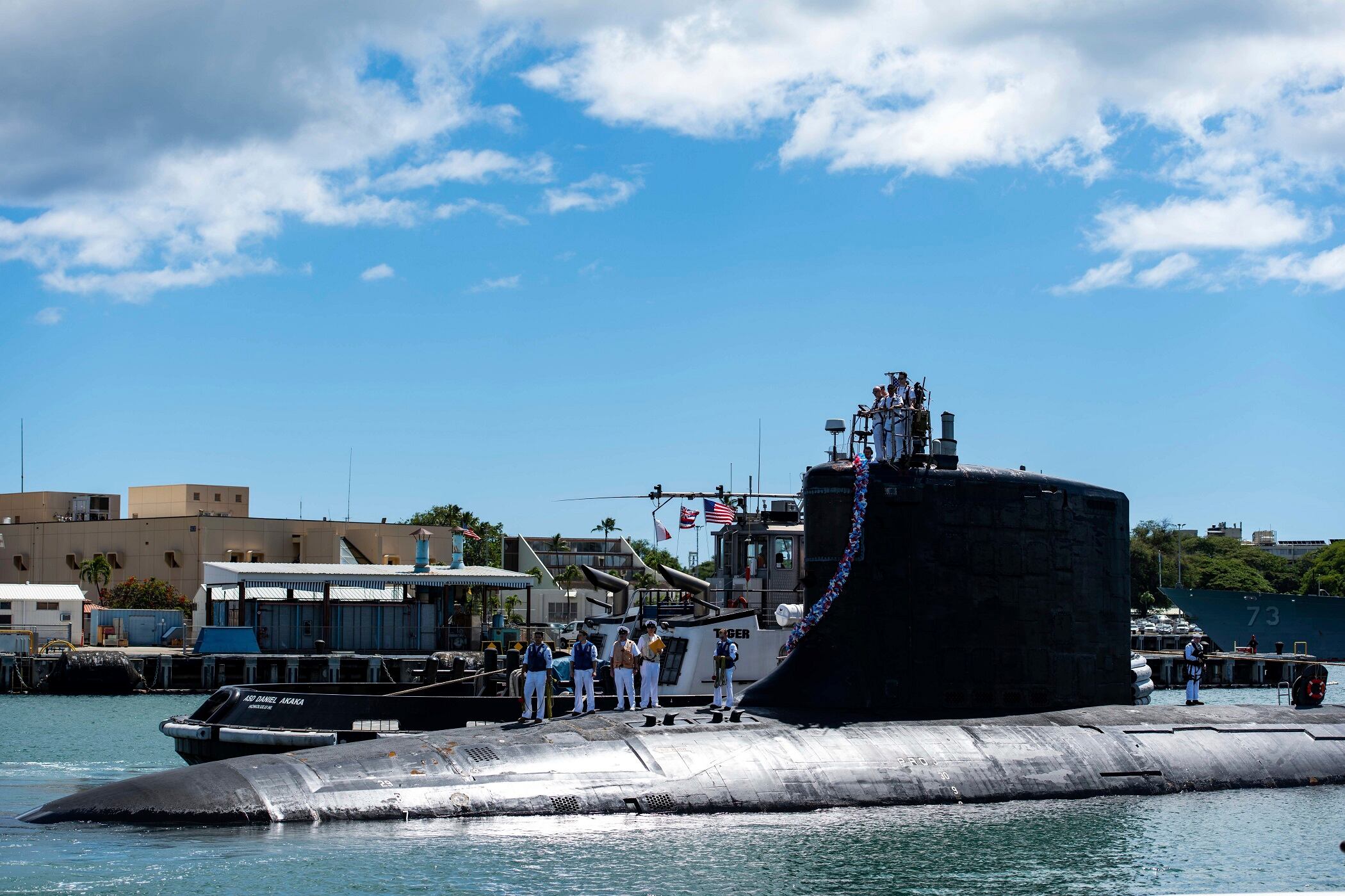
Under the arrangement, Australia will build at least eight nuclear-powered submarines using U.S. expertise, while dumping a contract with France for diesel-electric subs. Experts say the nuclear subs will allow Australia to conduct longer patrols and give the alliance a stronger military presence in the region.

Australian Prime Minister Scott Morrison said he had called the leaders of Japan and India to explain the new alliance. Japan, India, Australia and the U.S. already have a strategic dialogue known as “the Quad.” Biden is set to host fellow Quad leaders at the White House next week.

FRANCE

Australia told France it would end its contract with state majority-owned DCNS to build 12 of the world’s largest conventional submarines. The contract was worth tens of billions of dollars. France is furious, demanding explanations from all sides.

“It was really a stab in the back. We built a relationship of trust with Australia, and this trust was betrayed,” said French Foreign Minister Jean-Yves Le Drian on France-Info radio.

CHINA

China said the alliance would severely damage regional peace and stability, and jeopardize efforts to halt nuclear weapon proliferation. It said it was “highly irresponsible” for the U.S. and Britain to export the nuclear technology, and that Australia was to blame for a breakdown in bilateral relations.

“The most urgent task is for Australia to correctly recognize the reasons for the setbacks in the relations between the two countries, and think carefully whether to treat China as a partner or a threat," said Zhao Lijian, a spokesperson of China's Ministry of Foreign Affairs.

Beijing has been unhappy with the Biden administration calling it out over human rights abuses in the Xianjing region, the crackdown on democracy activists in Hong Kong, and cybersecurity breaches. Biden spoke by phone with China’s President Xi Jinping last week. After the call, the official Xinhua News Agency reported that Xi expressed concerns that U.S. government policy toward China has caused “serious difficulties” in relations.

NEW ZEALAND

Left out of the new alliance is Australia's neighbor New Zealand. It has a longstanding nuclear-free policy that includes a ban on nuclear-powered ships entering its ports. That stance has sometimes been a sticking point in otherwise close relations with the U.S. Prime Minister Jacinda Ardern said New Zealand wasn’t asked to be part of the alliance and wouldn’t have expected an invitation. Still, it leaves New Zealand out of a deal to share a range of information including artificial intelligence, cyber and underwater defense capabilities.

Share:
More In Politics
Snap, Youtube, TikTok to Face Questioning from Lawmakers
Later today House Republicans will grill Snap, Tiktok and Youtube on how their products affect the mental health of teenagers. It comes after a report revealed that Facebook's photo sharing platform, Instagram, can be harmful to teen's mental health. Rishi Bharwani, Director of Partnerships and Policy, Accountable Tech joined Cheddar's Opening Bell to discuss.
Paid Family Leave Program in Flux
As the White House and Congressional leaders work towards finalizing the legislative framework of the Build Back Better budget deal, paid family leave, one of the hallmarks of President Joe Biden's Social Safety Net agenda, still stands in flux. Molly Day, Executive Director, Paid Leave for the U.S. joined Cheddar's Opening Bell to discuss why the finalization of this bill is imperative.
New York City Workers Protest Vaccine Mandate
Marjorie Mesidor, Esq., Partner, Phillips and Associates, PLLC and Dr. Anthony Santela, professor of health administration and university covid coordinator at the University of New Haven join J.D. Durkin and None Of The Above to talk about the expected fallout from New York City's vaccine mandate.
COP26 Summit In Glasglow Officially Underway
Leaders around the world have come together to discuss plans to bring action towards the Paris Agreement along with solutions on how to solve the evolving climate change crisis at the COP26 Summit. President and CEO of Center for International Environmental Law Carroll Muffett, joined Cheddar to discuss more.
What's Next for World Leaders After COP26 Commitments to Abate Climate Change
Rachel Cleetus, the policy director and lead economist of the climate and energy program for the Union of Concerned Scientists, joined Cheddar to break down some of the key goals from the COP26 summit and why leaders must focus on the science of climate change instead of getting bogged down by petty politics and the fossil fuel industry. "The main thing they have to do, make sure we're cutting our emissions sharply within this decade because the science shows that we have to cut global emissions in half by 2030 if we're going to meet our goals of averting some of the most catastrophic impacts of climate change," she said.
Election Day, Climate Pledges & Cautionary TV Tale
Carlo and Baker cover the big races to watch on this off-cycle Election Day, the concrete pledges starting to come out of COP26, Jeffrey Epstein keeps causing CEOs to lose their jobs, and Ryan Murphy's TV hit that wasn't.
November Begins with Record Closes, Clorox Reports Earnings
The Dow, S&P, and Nasdaq begin November by not only ending Monday's session higher but with a record close as well. Melissa Armo, Founder and Owner of The Stock Swoosh, has her eye on major economic storylines and joins Cheddar News' Closing Bell to discuss what role the news could play on Wall Street.
Climate-Focused Investing in Focus at COP26
The UN climate change conference kicked off on Sunday with about 120 world leaders and delegates gathering in Glasgow, Scotland this week, as experts continue to warn about the harms of heightened emissions and the effects on climate change. The topic of ESG investing is expected to be a top priority at the summit. Jefferies global head of ESG and sustainability research Aniket Shah joined Cheddar News' Closing Bell to discuss.
Schools Reconsider Gifted and Talented Programs Amid Race, Class Disparities
Gifted and talented education programs in schools throughout the United States are falling under greater scrutiny as the race and class divide in the programs remain wide. Marcia Gentry, a professor of educational studies and the director of the Gifted Education Research and Resource Institute at Purdue University, joined Cheddar to weigh in on if advanced tracking for students can also be equitable for lower income students and students of color.
Supreme Court Weighs in on Texas Abortion Law
The Supreme Court is now weighing in on one of the nation's most restrictive abortion laws. The Texas law, which was enacted on September 1, bans abortions after six weeks of pregnancy. In addition, it allows any private citizen to sue anyone who helps a woman get an abortion. Jimmy Hoover, Supreme Court Editor-At-Large at Law360, joined Cheddar News to discuss more.
Load More