Sonos Public Listing Comes As Investor Appetite for Tech IPOs Grows
Smart speaker maker Sonos has officially filed to go public.
The company, which confidentially filed for an IPO in April, could raise as much as $100 million in the offering and could be valued at as much as $3 billion.
According to its regulatory filings, Sonos brought in revenue of over $1 billion in the 12 months ending in March. It posted a profit of $13.1 million in the first half of its fiscal year, slightly lower than the $15 million brought in the previous year. Over the last 12 months though, the company posted a loss of about $16 million.
Sonos, founded in 2002, pioneered the wireless speaker space, creating a product that allowed people to have multiple speakers playing different audio at the same time. Its original competitors were the likes of Bose and Bang & Olufsen.
After Apple, Google, and Amazon entered the field, the company scrambled to compete in the rapidly changing landscape by launching smart speakers powered by Amazon’s Alexa. The company’s products can also seamlessly integrate with external streaming systems and voice assistants, including Spotify and Apple Music.
Sonos is betting that its flexibility will be attractive to investors, said Wall Street Journal reporter Maureen Farrell.
“Part of the appeal, and this is obviously something that they really tout and will thoroughly be touting on the roadshow, is that they can partner with all of these companies,” said Farrell, who broke the story that the company was looking to go public in April.
“They obviously have huge competition, but I think what they’re betting on is that you get one of them in your house, or a couple, you really like it, and then they have this moat around them.”
Sonos would join more than a dozen tech companies that made a public debut this year in an attempt to capitalize on growing investor appetite for tech stocks, said Farrell.
“Last year we saw some pretty disastrous IPOs,” she said, alluding to Snap’s turbulent public offering. “It’s been such an incredibly different landscape this year."
"Tech IPOs are up more than 50 percent year-to-date," said Farrell.
"It just seems like investors right now are clamoring for anything tech-ish.”
Sonos plans to list on the Nasdaq under the ticker "SONO."
For the full segment, [click here.](https://cheddar.com/videos/sonos-likely-to-raise-more-than-100-million-in-ipo)
As the Leonardo DiCaprio-backed, pure-play electric vehicle company Polestar plans to close a SPAC IPO with Gores Guggenheim, CEO Thomas Ingenlath talked to Cheddar about how the company positioned itself to be able to go public. With competition tightening in the electric vehicle sector, Ingenlath noted what differentiates his cars from the competitors. "Scandinavian cool design and of course the road to zero emissions is something that we take very, very seriously," he said.
Bitcoin is slowly coming back to life after plunging recently, but everyone's favorite cryptocurrency needs to chart a 77% rally in the next four weeks to reach the widely forecast year-end value of $100,000. Bitcoin was trading more than 0.8% percent lower on Thursday morning, Ethereum was also declining. David Nage, portfolio manager at Arca, joins Cheddar News to talk discuss the market.
Jack Dorsey is stepping down as CEO of Twitter. In a statement, he says he is leaving because the company is ready to move on from its founders. Twitter's chief technology office Parag Agrawal will take over as CEO. Ian Sherr, editor at large at CNET, joins Cheddar News to talk about the announcement.
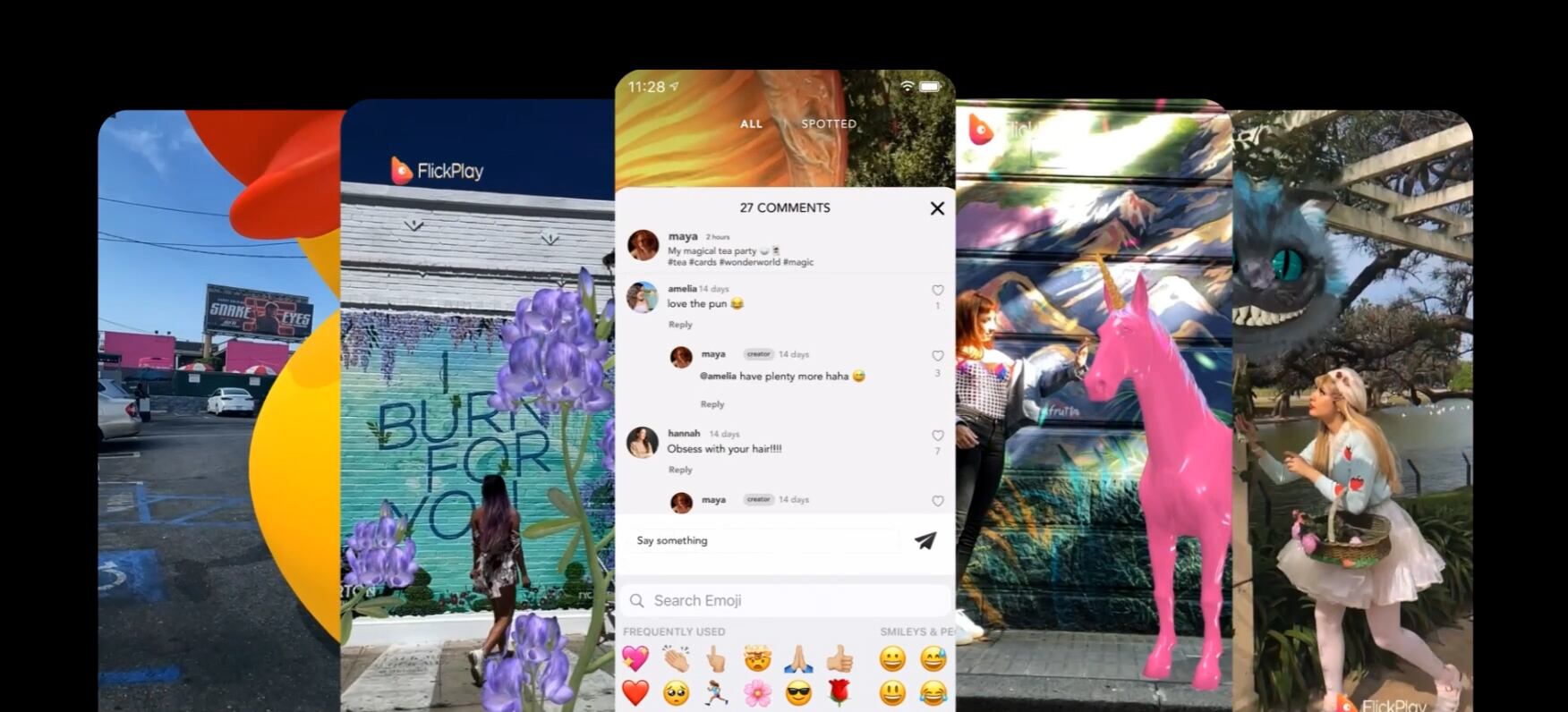
Visitors in Santa Monica are now getting a whole new look into the new metaverse world. Starting on December 1st, the Downtown Santa Monica District Is Getting Fully Immersed in AR and VR. It's All in Partnership with 'Flick Play' which is the first-ever 'Play to Earn' Metaverse App that Basically Takes the Gamification of 'Pokemon Go' and combines It with more social aspects of an App like Tiktok. Founder of the FlickPlay App Pierina Merino, joined Cheddar to discuss more.
On a platform as massive as TikTok, there are bound to be some negative implications. While we know that social media sites can have harmful health effects for teens and adolescents, the research on TikTok's health effects is slim to none. Skye Barbic, assistant professor at the University of British Columbia joins Cheddar News.
If your kid was on Santa's "nice list" this year, maybe you're willing to shell out $1,900 for Tesla's new Cyberquad. The automaker's all-electric ATV for children 8 years old and up is available to order now and is expected to begin shipping in two to four weeks.
Grab, a Southeast Asia-based ride sharing, e-wallet, and delivery service, made its public debut on the Nasdaq via SPAC merger. CFO Peter Oey joined Cheddar's Brad Smith to talk about the IPO and why it was an ideal time for the company to go public. Oey noted that while Grab operates in 465 cities in eight Southeast Asian countries, there is still more opportunity to grow and expand while balancing profitability and growth.
Voltus is going public by combining with a special purpose acquisition company, Broadscale Acquisition Corp., in a deal that values the electricity market technology startup at about $1.3 billion dollars. The company aims to deliver less expensive, more reliable, and more sustainable electricity to its more than 600 customers, including Home Depot, Coca-Cola, and Simon Property Group. Gregg Dixon, co-founder and CEO of Voltus and Andrew Shapiro, chairman and CEO of Broadscale Acquisition Corp., joined Cheddar News to discuss the deal.
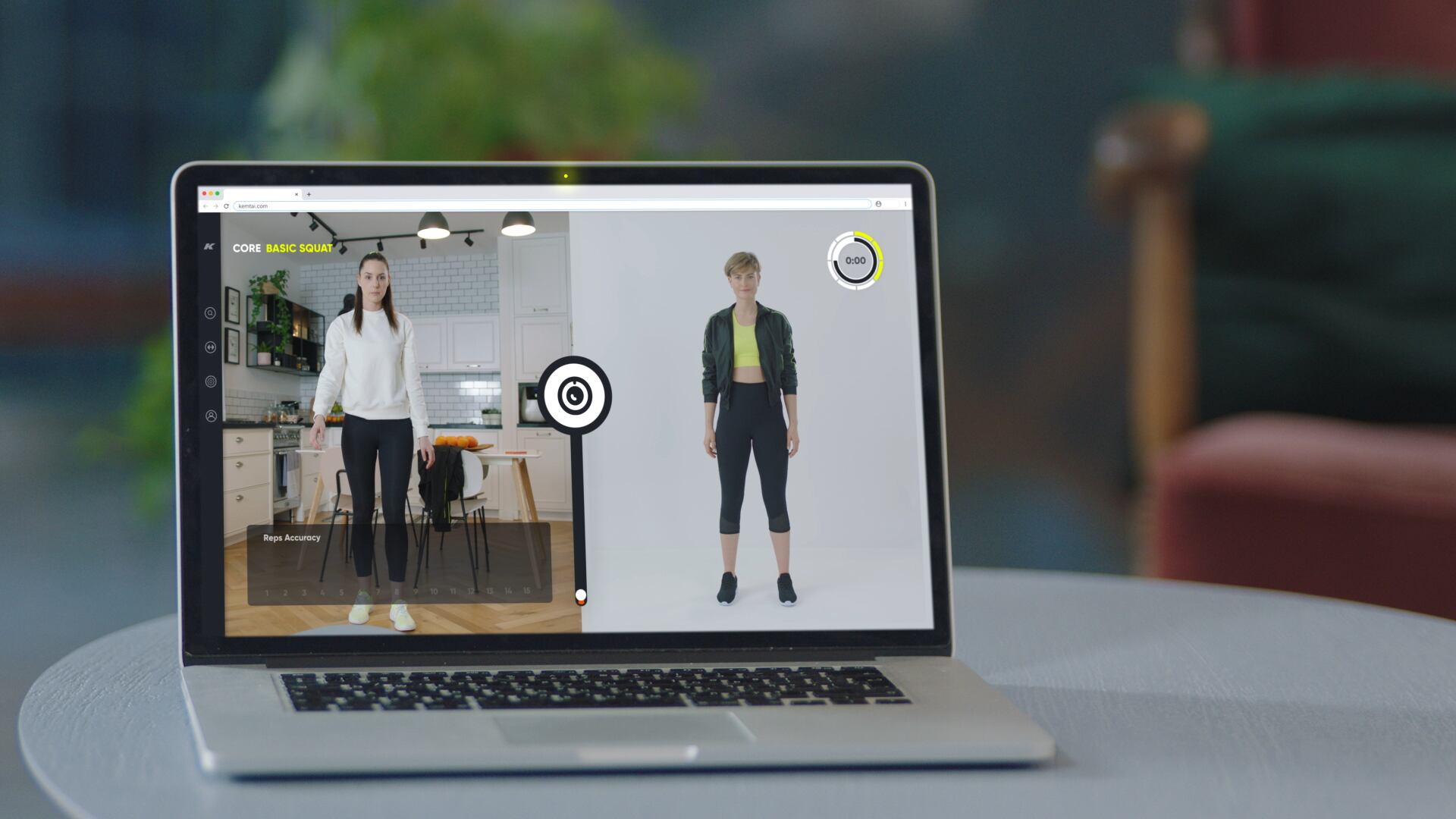
On this episode of Cheddar Innovates: Kemtai Co-Founder breaks down how computer vision and artificial intelligence can improve your workout form; Wove Co-Founder explains how it's creating a one-of-a-kind engagement ring design process; A look at Curiosity Stream's 'History By The Numbers.'
Mike Telem, Co-Founder at Kemtai, joins Cheddar Innovates to discuss how the platform is using computer vision and artificial intelligence as a virtual personal trainer through a laptop's camera, and how this technology can be adapted for physical therapy.