Sonos Public Listing Comes As Investor Appetite for Tech IPOs Grows
Smart speaker maker Sonos has officially filed to go public.
The company, which confidentially filed for an IPO in April, could raise as much as $100 million in the offering and could be valued at as much as $3 billion.
According to its regulatory filings, Sonos brought in revenue of over $1 billion in the 12 months ending in March. It posted a profit of $13.1 million in the first half of its fiscal year, slightly lower than the $15 million brought in the previous year. Over the last 12 months though, the company posted a loss of about $16 million.
Sonos, founded in 2002, pioneered the wireless speaker space, creating a product that allowed people to have multiple speakers playing different audio at the same time. Its original competitors were the likes of Bose and Bang & Olufsen.
After Apple, Google, and Amazon entered the field, the company scrambled to compete in the rapidly changing landscape by launching smart speakers powered by Amazon’s Alexa. The company’s products can also seamlessly integrate with external streaming systems and voice assistants, including Spotify and Apple Music.
Sonos is betting that its flexibility will be attractive to investors, said Wall Street Journal reporter Maureen Farrell.
“Part of the appeal, and this is obviously something that they really tout and will thoroughly be touting on the roadshow, is that they can partner with all of these companies,” said Farrell, who broke the story that the company was looking to go public in April.
“They obviously have huge competition, but I think what they’re betting on is that you get one of them in your house, or a couple, you really like it, and then they have this moat around them.”
Sonos would join more than a dozen tech companies that made a public debut this year in an attempt to capitalize on growing investor appetite for tech stocks, said Farrell.
“Last year we saw some pretty disastrous IPOs,” she said, alluding to Snap’s turbulent public offering. “It’s been such an incredibly different landscape this year."
"Tech IPOs are up more than 50 percent year-to-date," said Farrell.
"It just seems like investors right now are clamoring for anything tech-ish.”
Sonos plans to list on the Nasdaq under the ticker "SONO."
For the full segment, [click here.](https://cheddar.com/videos/sonos-likely-to-raise-more-than-100-million-in-ipo)
AdTheorent just the latest company to go public via a SPAC. The company specializes in digital advertising, using AI and machine learning as a tool to move marketing forward. AdTheorent to close its SPAC merger with MCAP Acquisition today and will trade on the Nasdaq under the ticker symbol ADTH. CEO Jim Lawson spoke with Cheddar ahead of the move.
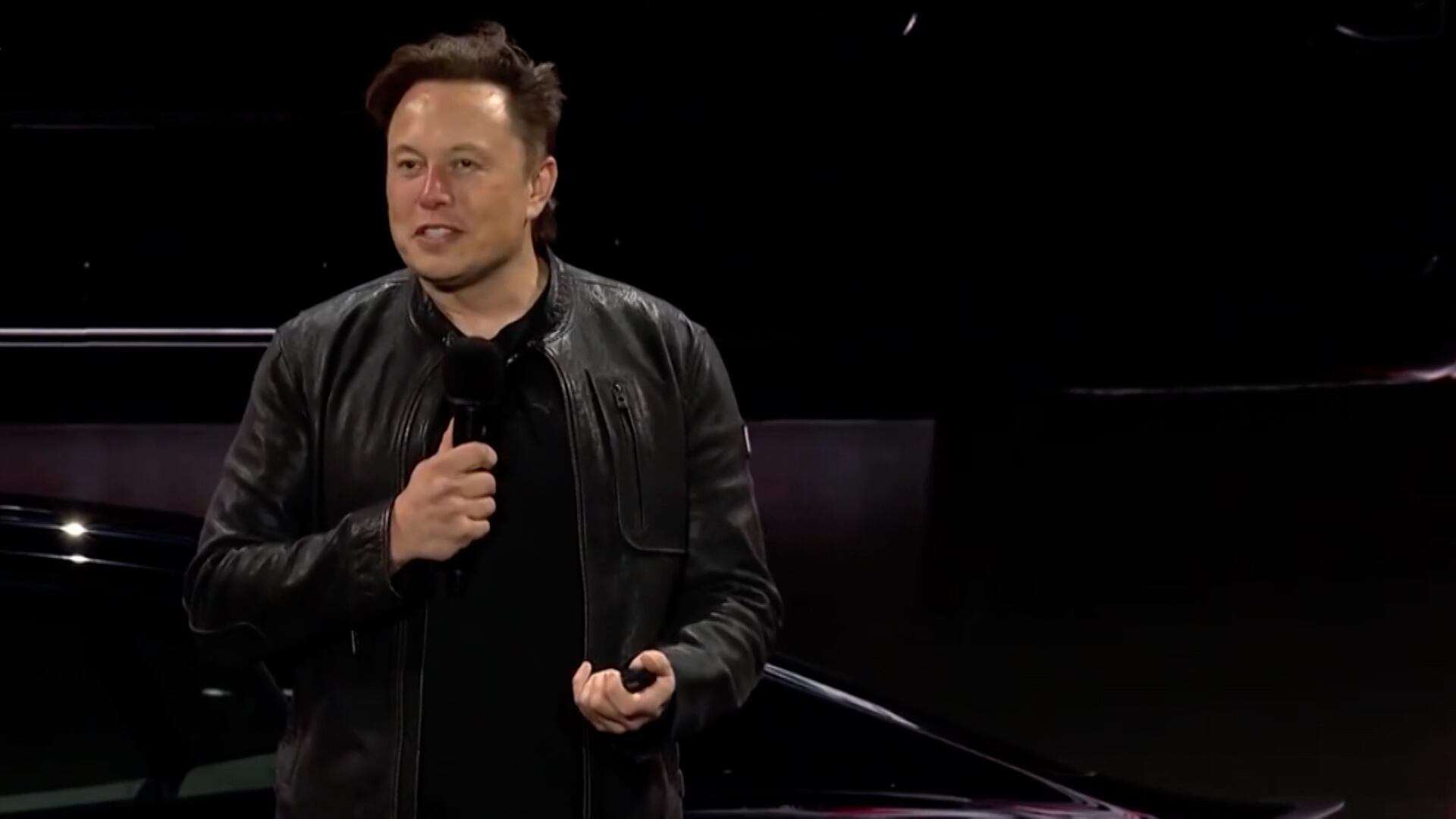
Although still early in development, blockchain technology, Web3, also known as Web 3.0 has been getting a lot of attention from some top tech names lately. Web3 is based on blockchain technology, which powers NFT’s and cryptocurrencies such as bitcoin. With Web3, users would ideally control their own data, rather than have it be controlled by a few large companies. But, Tesla CEO Elon musk isn't buying into Web3 just yet, tweeting over the weekend that the decentralized iteration of the internet seems more like a marketing "buzzword" right now than reality. Twitter co-founder Jack Dorsey also chiming in to the conversation, expressing doubt over whether or not Web3 would actually be decentralized if ownership still belonged to venture capital firms. Parker McCurley, co-founder & CEO of Decent Labs explains the significance of Web3 catching the eye of the tech giants, and what Web3 could mean for the future of the internet.
Carlo and Baker cover the heartening news on the Covid front ahead of the holiday, plus President Biden punting student loan repayments again, a new space telescope and Love, Hate, Ate: Christmas Eve Eve Edition!
This year's worldwide semiconductor shortage limited the supply of everything from new cars to smartphones; and now, many in the chip industry expect the shortage to continue deep into 2022, and maybe even 2023. Semiconductor senior research analyst for Robert W. Baird & Co., Tristan Gerra, joins Cheddar News' Closing Bell to discuss.
Pavel Bains, the Executive Producer of MixMob and CEO of Bluzelle, joins Cheddar News' Closing Bell to elaborate on an opinion piece he wrote for CoinDesk in which he compares the cultural significance of crypto to hip hop in the 1990s.
Direct health care company Nomi Health recently raised $110 million in a Series A round. Nomi Health lets public and private organizations directly purchase healthcare at reduced costs, and pay providers in real-time. It also delivers healthcare directly to under-served communities via its fleet of mobile care units, which the company says is the largest in the country. Nomi Health says its mission is to improve the health care experience for all Americans. Nomi Health CEO Mark Newman joined Cheddar News' Closing Bell to discuss.