Sonos Public Listing Comes As Investor Appetite for Tech IPOs Grows
Smart speaker maker Sonos has officially filed to go public.
The company, which confidentially filed for an IPO in April, could raise as much as $100 million in the offering and could be valued at as much as $3 billion.
According to its regulatory filings, Sonos brought in revenue of over $1 billion in the 12 months ending in March. It posted a profit of $13.1 million in the first half of its fiscal year, slightly lower than the $15 million brought in the previous year. Over the last 12 months though, the company posted a loss of about $16 million.
Sonos, founded in 2002, pioneered the wireless speaker space, creating a product that allowed people to have multiple speakers playing different audio at the same time. Its original competitors were the likes of Bose and Bang & Olufsen.
After Apple, Google, and Amazon entered the field, the company scrambled to compete in the rapidly changing landscape by launching smart speakers powered by Amazon’s Alexa. The company’s products can also seamlessly integrate with external streaming systems and voice assistants, including Spotify and Apple Music.
Sonos is betting that its flexibility will be attractive to investors, said Wall Street Journal reporter Maureen Farrell.
“Part of the appeal, and this is obviously something that they really tout and will thoroughly be touting on the roadshow, is that they can partner with all of these companies,” said Farrell, who broke the story that the company was looking to go public in April.
“They obviously have huge competition, but I think what they’re betting on is that you get one of them in your house, or a couple, you really like it, and then they have this moat around them.”
Sonos would join more than a dozen tech companies that made a public debut this year in an attempt to capitalize on growing investor appetite for tech stocks, said Farrell.
“Last year we saw some pretty disastrous IPOs,” she said, alluding to Snap’s turbulent public offering. “It’s been such an incredibly different landscape this year."
"Tech IPOs are up more than 50 percent year-to-date," said Farrell.
"It just seems like investors right now are clamoring for anything tech-ish.”
Sonos plans to list on the Nasdaq under the ticker "SONO."
For the full segment, [click here.](https://cheddar.com/videos/sonos-likely-to-raise-more-than-100-million-in-ipo)
High-speed connectivity solutions provider Credo went public on the Nasdaq on Thursday, raising $200 million in its IPO. CEO Bill Brennan, joined Cheddar to discuss its entry into the capital markets and the next chapter for the company. "We're going to be focused on what we have been focused on, which is really creating, creating innovative connectivity solutions that really pushed the edge on efficient power as well as very effective cost," he said.
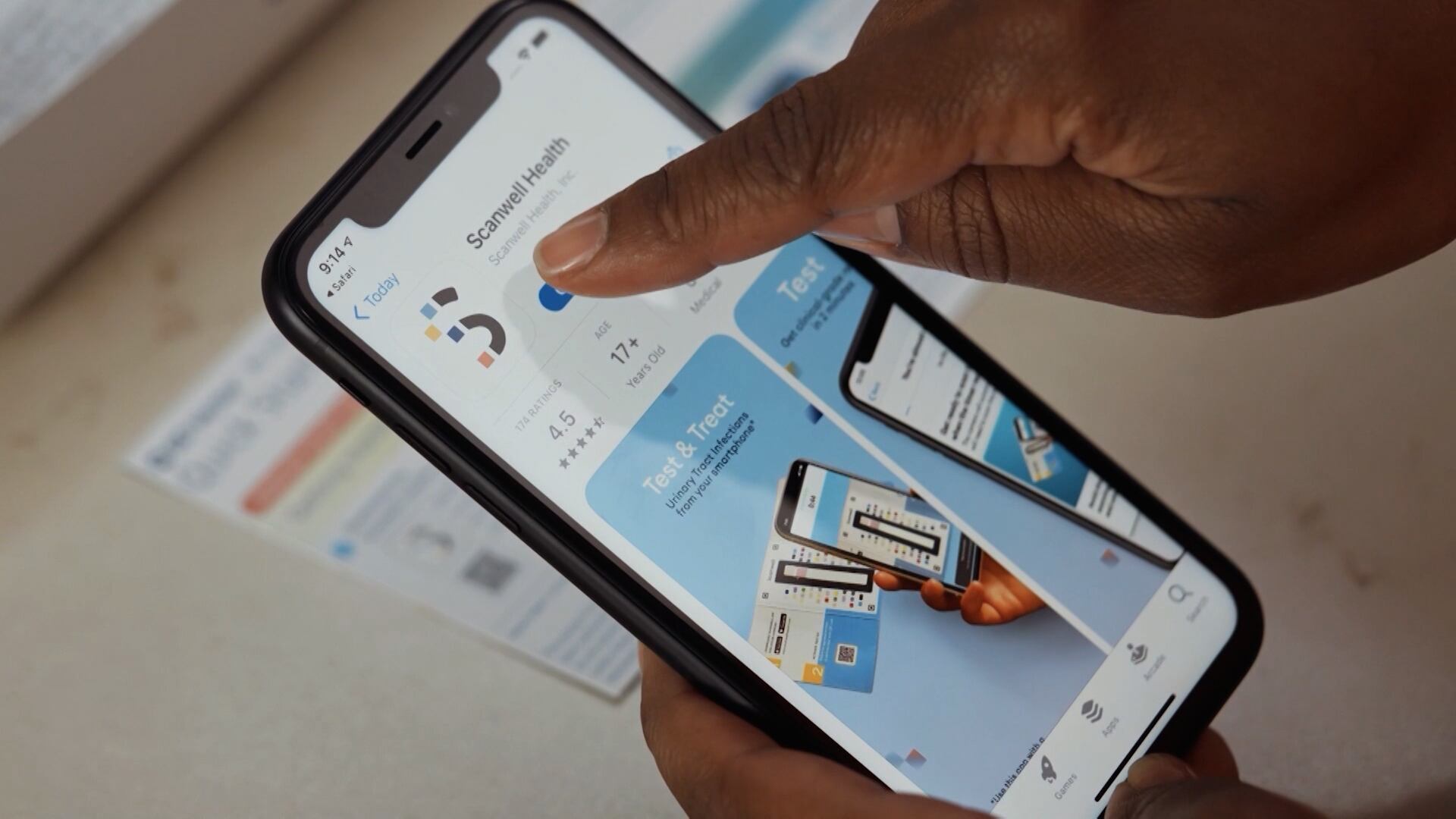
BD Veritor is a variation of the at-home COVID test that uses a smartphone to interpret the results. The test is taken via a nose swab test strip that is then scanned by your phone’s camera with the result clearly displayed as positive or negative. James Walker, vice president of integrated diagnostics USA for BD, joined Cheddar to discuss how the test hopefully takes the "guesswork out of testing." Walker also went into what BD is doing to deal with the surging demand for at-home tests amid the omicron spread. "While we don't disclose how much we produce, we have capacity to manufacture up to 12 million rapid antigen tests per month and are delivering on our commitments to distributors and retailers," he said.
Low-code app development platform Crowdbotics raised $22 million in a Series A funding round led by Jackson Square Ventures. Crowdbotics has helped more than 14,000 customers launch apps without having to learn how to code. The company can offer a team of expert developers to help companies launch custom apps, or provide the means for companies to develop apps themselves. Crowdbotics CEO Anand Kulkarni joined Cheddar News' Closing Bell to discuss.
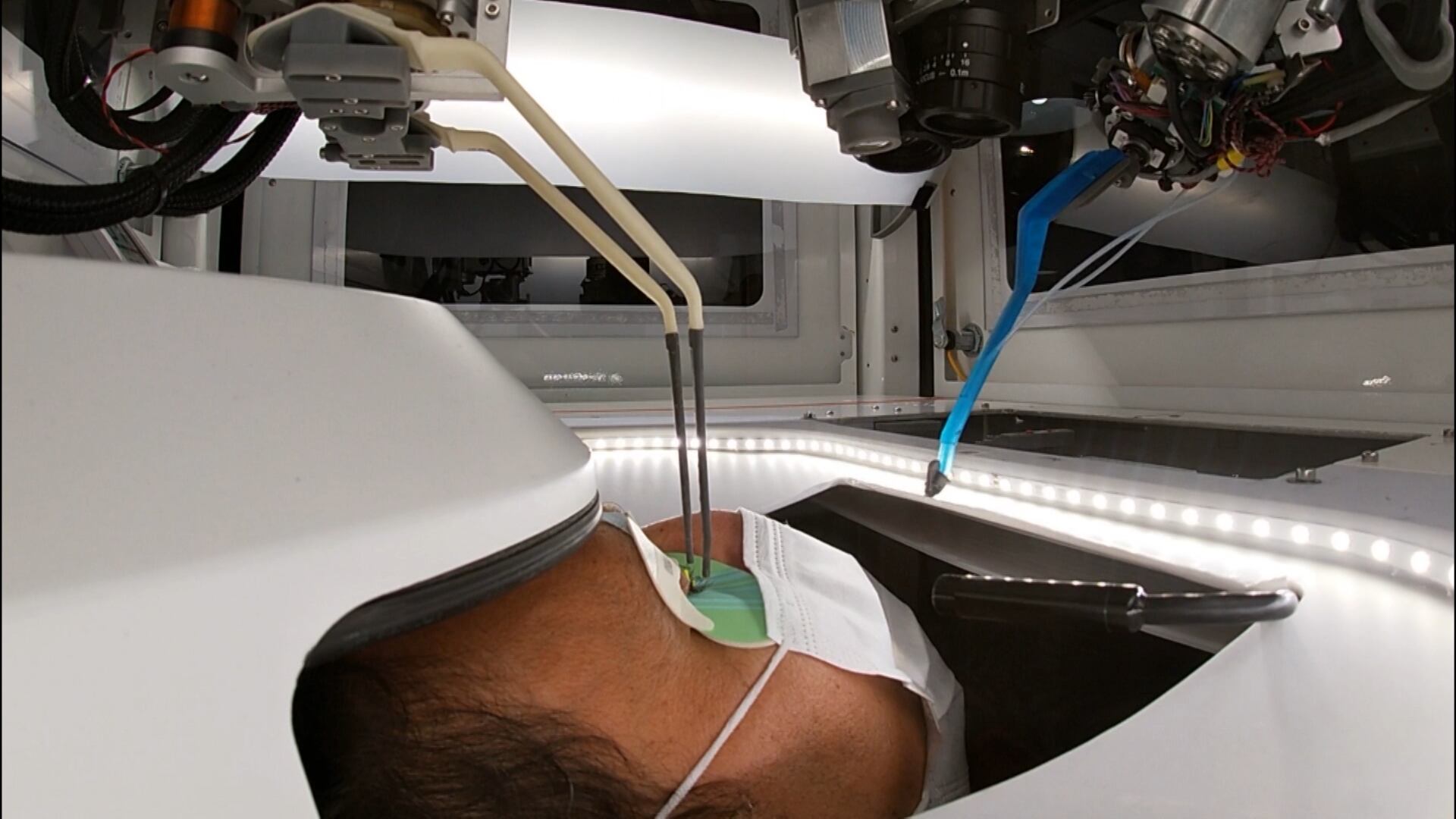
Nathan Harding, CEO of Luum, joins Cheddar Innovates to discuss the process of having a robot put on eyelash extensions, and how automation is making its way into the beauty industry
Kevin Yu, Founder and CEO of Sidechef, joins Cheddar Innovates to discuss how it's building a platform to make recipe shopping easy, and how its features help you discover new recipes with the same ingredients to fight the massive problem of food waste.
On this episode of Cheddar Innovates: Sidechef CEO breaks down how it's building a platform to make recipe shopping easy; Luum CEO explains the process of having a robot put on eyelash extensions; A look at Curiosity Stream's new original series, 'Evolve.'