Sonos Public Listing Comes As Investor Appetite for Tech IPOs Grows
Smart speaker maker Sonos has officially filed to go public.
The company, which confidentially filed for an IPO in April, could raise as much as $100 million in the offering and could be valued at as much as $3 billion.
According to its regulatory filings, Sonos brought in revenue of over $1 billion in the 12 months ending in March. It posted a profit of $13.1 million in the first half of its fiscal year, slightly lower than the $15 million brought in the previous year. Over the last 12 months though, the company posted a loss of about $16 million.
Sonos, founded in 2002, pioneered the wireless speaker space, creating a product that allowed people to have multiple speakers playing different audio at the same time. Its original competitors were the likes of Bose and Bang & Olufsen.
After Apple, Google, and Amazon entered the field, the company scrambled to compete in the rapidly changing landscape by launching smart speakers powered by Amazon’s Alexa. The company’s products can also seamlessly integrate with external streaming systems and voice assistants, including Spotify and Apple Music.
Sonos is betting that its flexibility will be attractive to investors, said Wall Street Journal reporter Maureen Farrell.
“Part of the appeal, and this is obviously something that they really tout and will thoroughly be touting on the roadshow, is that they can partner with all of these companies,” said Farrell, who broke the story that the company was looking to go public in April.
“They obviously have huge competition, but I think what they’re betting on is that you get one of them in your house, or a couple, you really like it, and then they have this moat around them.”
Sonos would join more than a dozen tech companies that made a public debut this year in an attempt to capitalize on growing investor appetite for tech stocks, said Farrell.
“Last year we saw some pretty disastrous IPOs,” she said, alluding to Snap’s turbulent public offering. “It’s been such an incredibly different landscape this year."
"Tech IPOs are up more than 50 percent year-to-date," said Farrell.
"It just seems like investors right now are clamoring for anything tech-ish.”
Sonos plans to list on the Nasdaq under the ticker "SONO."
For the full segment, [click here.](https://cheddar.com/videos/sonos-likely-to-raise-more-than-100-million-in-ipo)
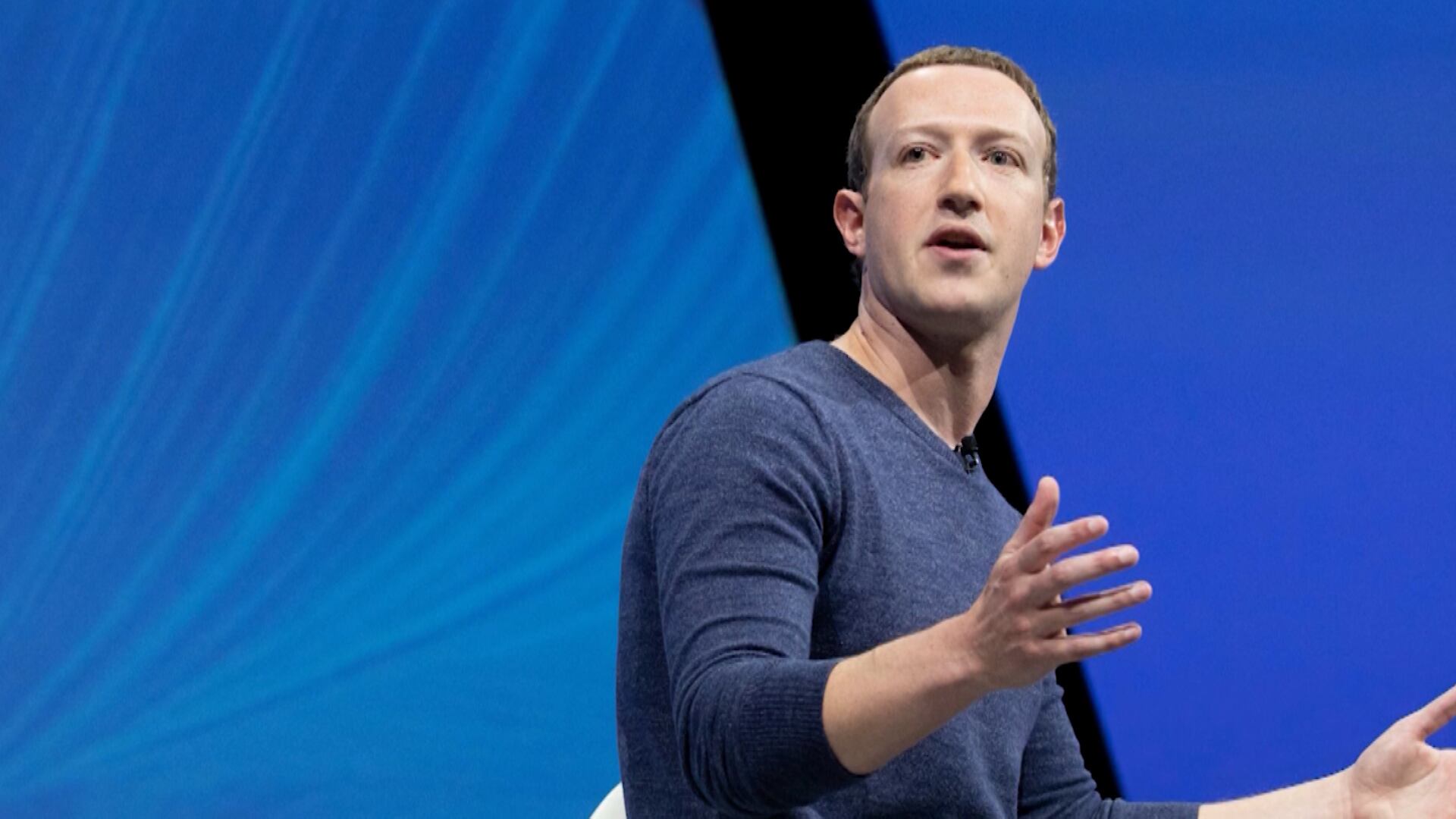
Rene Ritchie, independent tech analyst and co-founder of the Nebula Podcast, joins Cheddar News' Closing Bell, where he breaks down what investors will be looking for from Mark Zuckerberg this week and how the tech giants stack up when it comes to augmented reality and virtual reality products going forward.
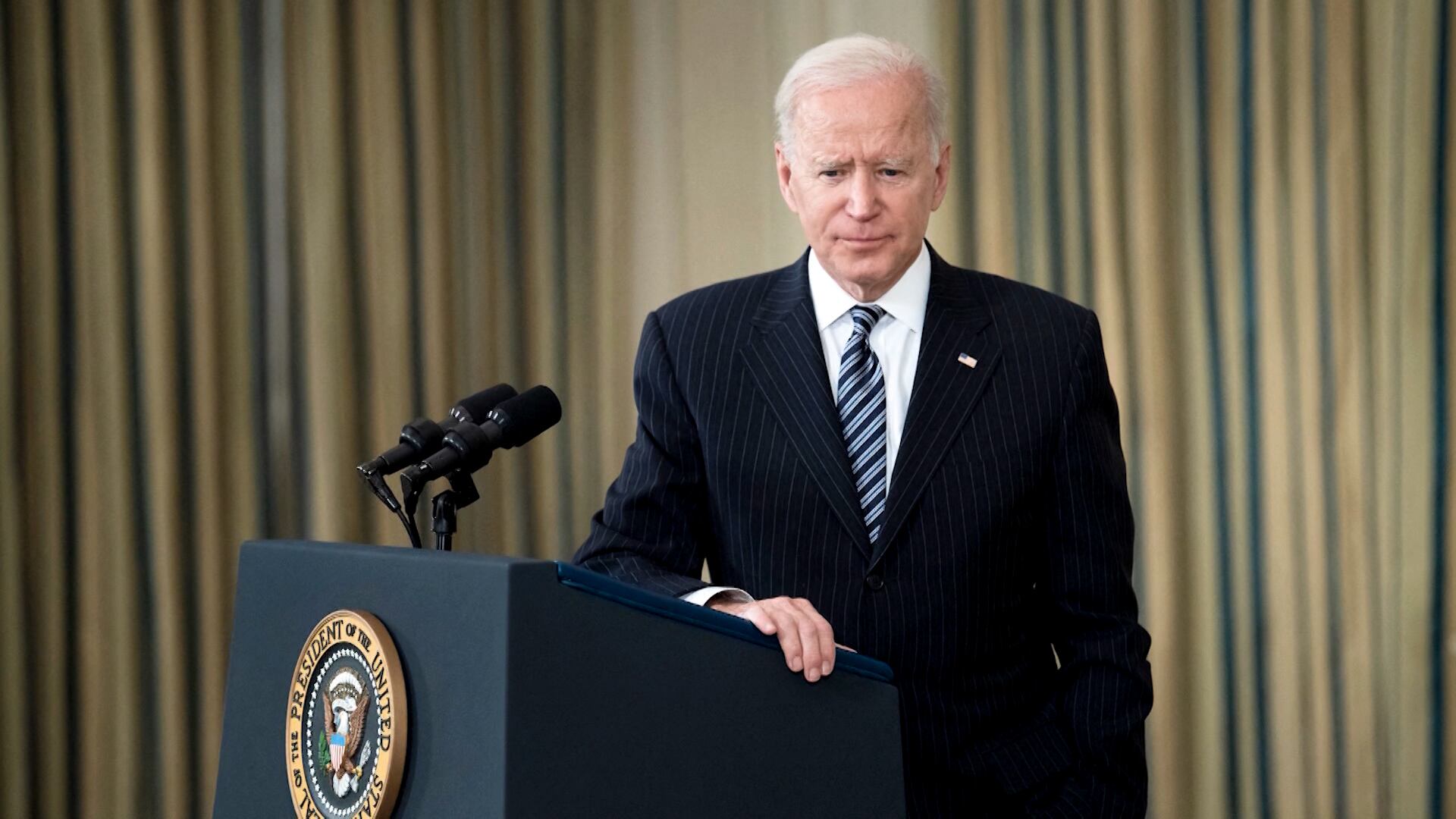
According to multiple reports, President Biden's upcoming executive order for the crypto marke would assign some government entities to study cryptocurrencies, stablecoins and NFT's with the goal of developing a workable regulatory framework. Douglas Borthwick, Chief Business Officer at INX, joins Cheddar News' Closing Bell, where he elaborates on what role the Biden administration would play under this order.
Nutritional supplement beverage company Athletic Greens has achieved unicorn status. The company announced a new $115 million funding round, bringing its valuation to $1.2 billion. The company's flagship product AG1 combines 75 different vitamins, minerals, and other nutrients into one daily serving. Athletic Greens says it is poised to reach the millions of consumers who are currently driving the health and wellness market's exponential growth. Athletic Greens founder and CEO Chris Ashenden joins Cheddar News' Closing Bell to discuss.
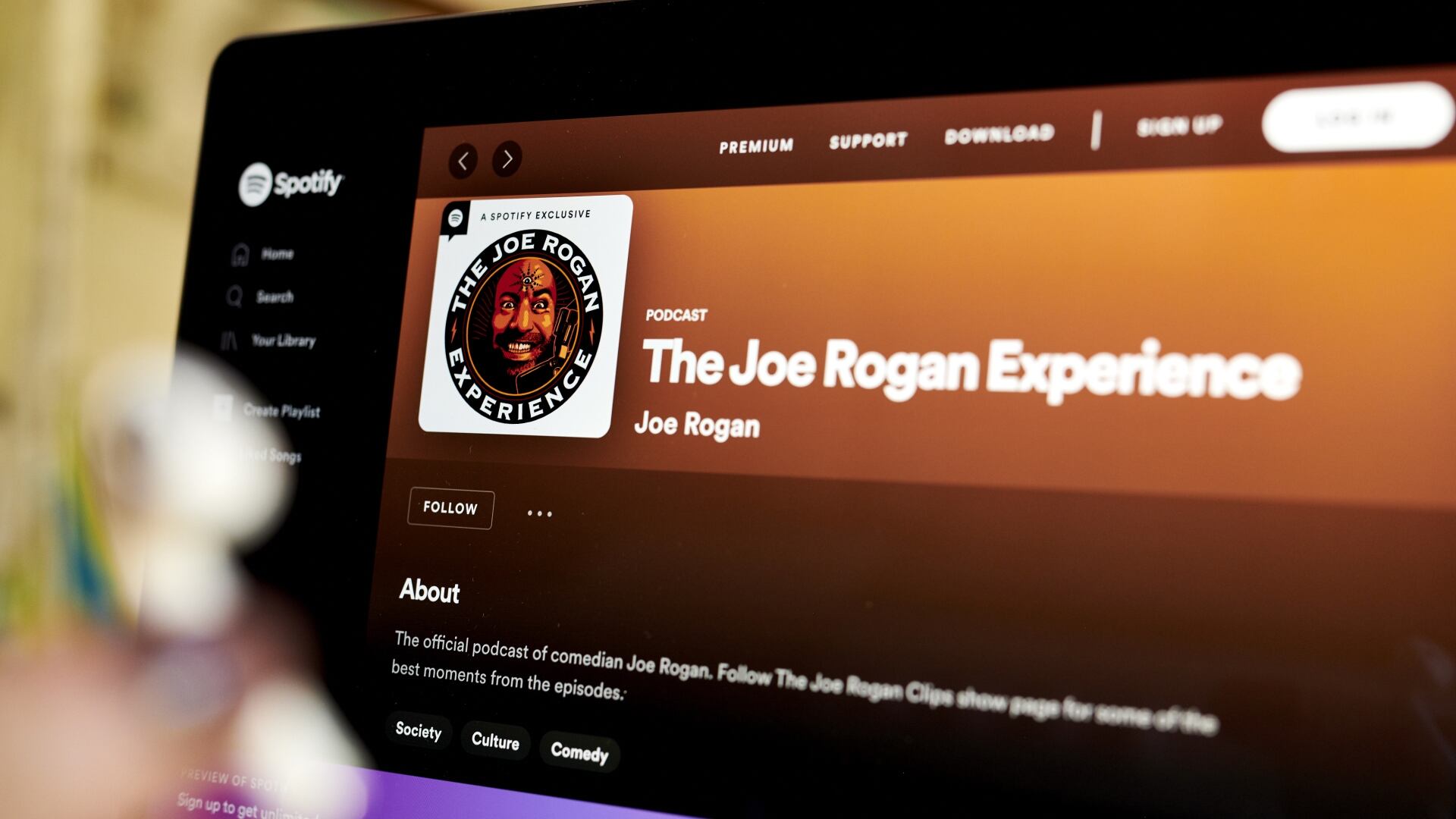
Is Spotify a platform for content creators, or is it a media company? The streaming giant may have to find an answer sooner rather than later amid a controversy involving its most popular podcast host, Joe Rogan. Rogan has hosted guests who have made false claims about COVID-19 vaccines, and in turn, some musicians like Neil Young and Joni Mitchell have removed their discographies from Spotify in protest. Rogan says he welcomes content advisories, and will balance out his guests going forward, but is it enough? And is Spotify liable in any way? John Freeman, Vice President of CFRA Research, joins Closing Bell to discuss Rogan's response to the controversy, whether Spotify should be considered a media company with responsibility for its content, and more.
The gaming industry has seen multiple large scales deals this month alone, including Microsoft's megadeal for Activision Blizzard. And, seemingly in response, rival Sony, picked up Bungie for $3.6 billion, a studio once owned by both Microsoft and Activision. The sector is reportedly on track to spend $150 billion on mergers and acquisitions just this year alone, a record-breaking total, according to investment firm Drake Star Partners. Michael Metzger, a partner at the firm specializing in technology, media, and communications, joined Cheddar to discuss the flurry of deals in the gaming space and what might be behind the hot M&A activity.
Ari Redbord, head of legal and government affairs and TRM Labs, joins Cheddar News to discuss why Facebook is ditching its crypto project and what that means for the space.
A virtual gathering in the online space, Decentraland, of Elvis Presley impersonators is looking to grab the Guinness World Record for most Elvis impersonators in one place after the record-keeping org recently approved the use of avatars as stand-ins for people.