Sonos Public Listing Comes As Investor Appetite for Tech IPOs Grows
Smart speaker maker Sonos has officially filed to go public.
The company, which confidentially filed for an IPO in April, could raise as much as $100 million in the offering and could be valued at as much as $3 billion.
According to its regulatory filings, Sonos brought in revenue of over $1 billion in the 12 months ending in March. It posted a profit of $13.1 million in the first half of its fiscal year, slightly lower than the $15 million brought in the previous year. Over the last 12 months though, the company posted a loss of about $16 million.
Sonos, founded in 2002, pioneered the wireless speaker space, creating a product that allowed people to have multiple speakers playing different audio at the same time. Its original competitors were the likes of Bose and Bang & Olufsen.
After Apple, Google, and Amazon entered the field, the company scrambled to compete in the rapidly changing landscape by launching smart speakers powered by Amazon’s Alexa. The company’s products can also seamlessly integrate with external streaming systems and voice assistants, including Spotify and Apple Music.
Sonos is betting that its flexibility will be attractive to investors, said Wall Street Journal reporter Maureen Farrell.
“Part of the appeal, and this is obviously something that they really tout and will thoroughly be touting on the roadshow, is that they can partner with all of these companies,” said Farrell, who broke the story that the company was looking to go public in April.
“They obviously have huge competition, but I think what they’re betting on is that you get one of them in your house, or a couple, you really like it, and then they have this moat around them.”
Sonos would join more than a dozen tech companies that made a public debut this year in an attempt to capitalize on growing investor appetite for tech stocks, said Farrell.
“Last year we saw some pretty disastrous IPOs,” she said, alluding to Snap’s turbulent public offering. “It’s been such an incredibly different landscape this year."
"Tech IPOs are up more than 50 percent year-to-date," said Farrell.
"It just seems like investors right now are clamoring for anything tech-ish.”
Sonos plans to list on the Nasdaq under the ticker "SONO."
For the full segment, [click here.](https://cheddar.com/videos/sonos-likely-to-raise-more-than-100-million-in-ipo)
U.S. stocks closed Thursday at their lowest levels of the trading day, as investors continue to eye inflation ahead of the May CPI report out Friday. Art Hogan, Chief Market Strategist for National Holdings, joins Cheddar News' Closing Bell to discuss.
U.S. markets opened sharply lower on Friday on hotter-than-expected inflation data. The May CPI showed an 8.6% jump in consumer prices year-over-year, higher the expected 8.3%. Mark Howard, Senior Multi-Asset Specialist at BNP Paribas joined Cheddar's Opening Bell to discuss.
U.S. stocks closed Friday at session lows after May CPI data showed inflation in the U.S. has not peaked and is still rising rapidly. For the week, the S&P fell 5.06%, the Dow lost 4.58%, and the Nasdaq dropped 5.60%, marking the worst week since January for all three major indexes. Mike Zigmont, Head of Trading and Research at Harvest Volatility Management, joins Cheddar News' Closing Bell to discuss.
Benefits brokerage, Nava Benefits, raised $40 million in a Series B round. Nava says it's on a mission to fix healthcare, one benefits plan at a time. The startup is working to bring benefits to small business that are normally available to only Fortune 500 companies. Brandon Weber, Co-Founder and CEO of Nava Benefits, joined Cheddar News' Closing Bell to discuss.
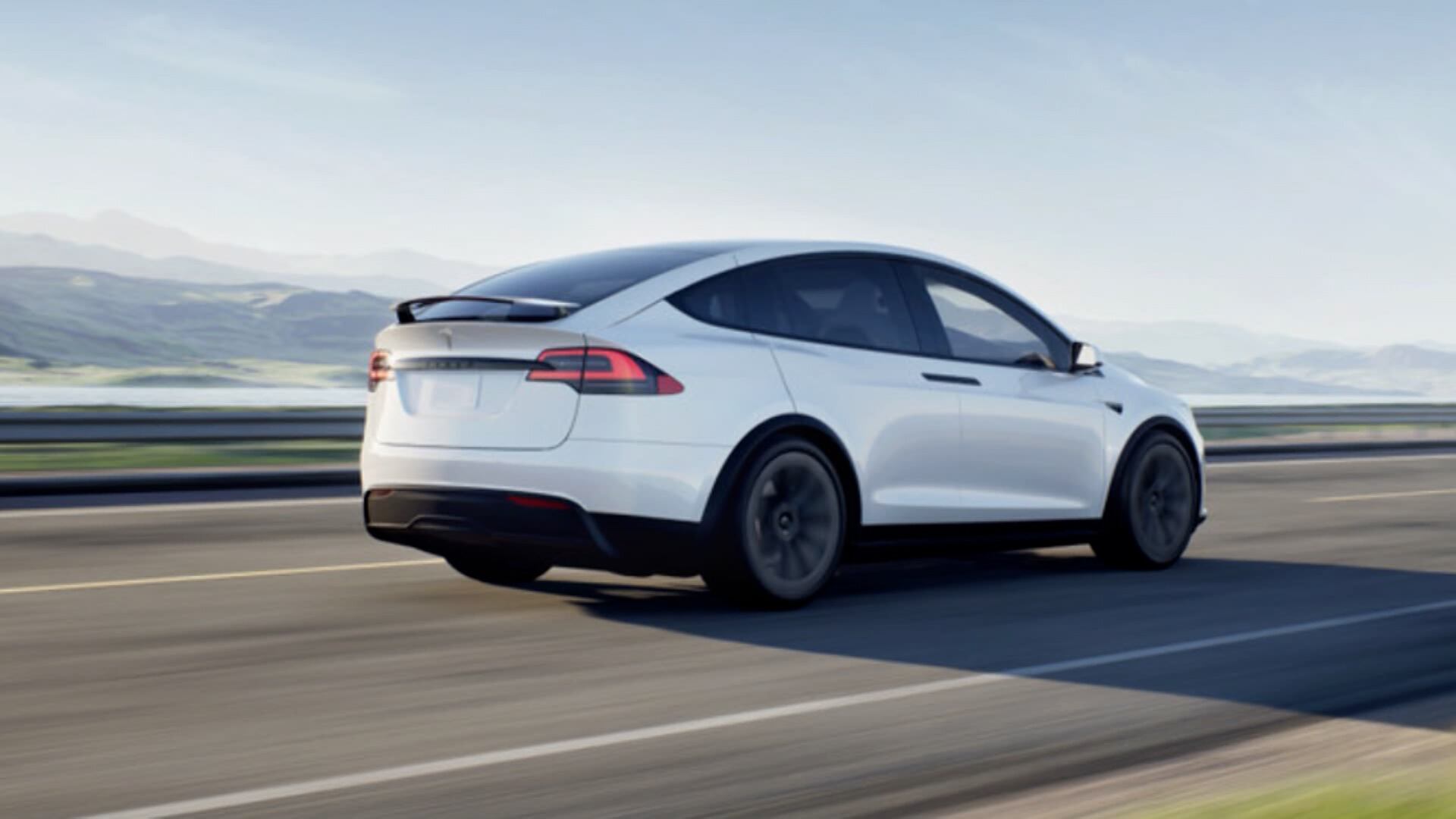
The electric vehicle maker filed a proposal for a three-for-one stock split, increasing the accessibility of shares for investors for a stock trading at around $700 a share. The move comes not long after tech giant Amazon announced a 20-for-one split. The number of authorized shares rises from two billion to six billion. It was also revealed that board member Larry Ellison does not intend to stand for reelection as it pertains to Tesla.
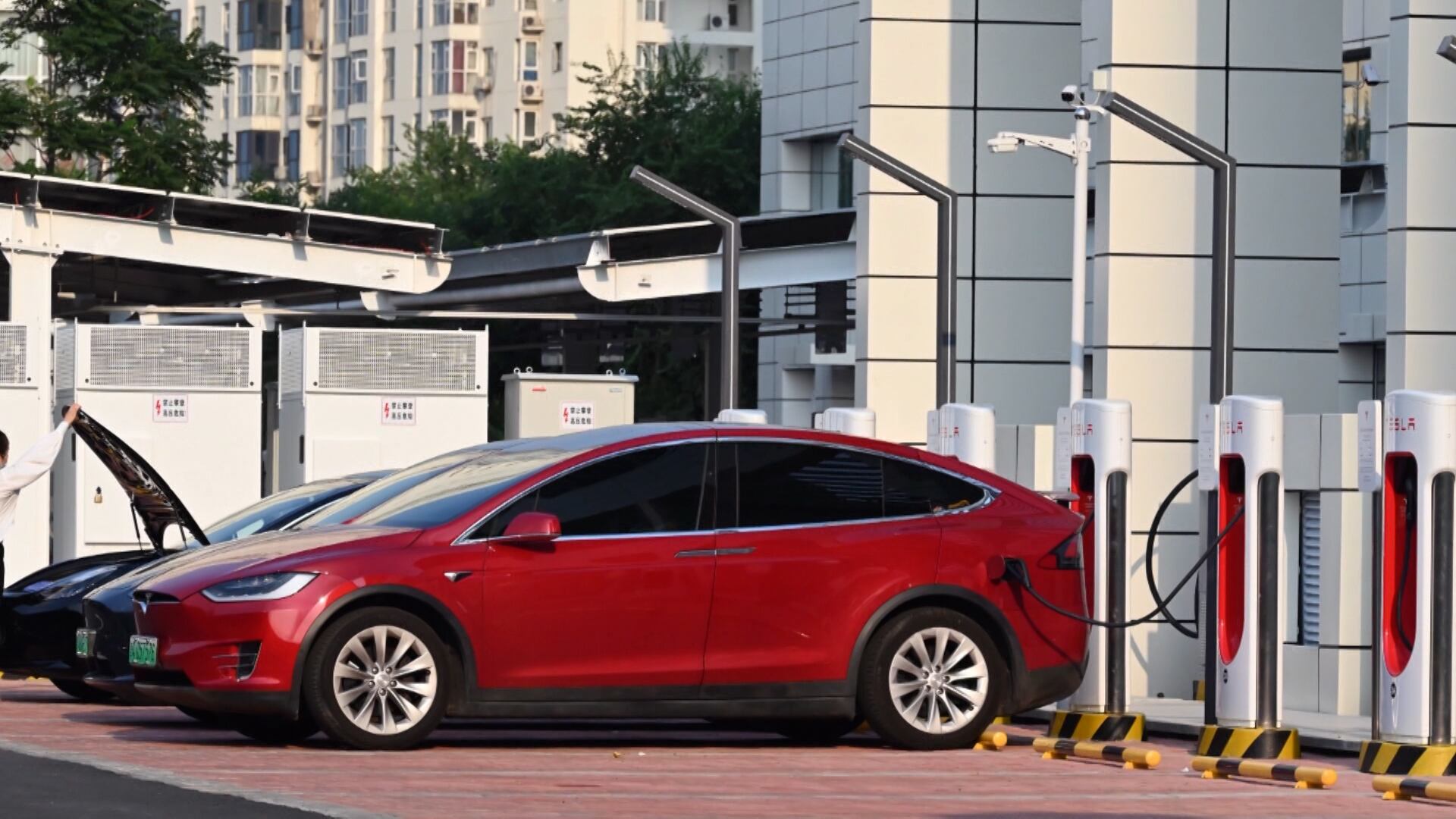
President Biden proposed a new rule that would add 500,000 chargers for electric vehicles nationwide. The proposal comes amid the rapid shift to EVs with dozens of automakers announcing plans for all-electric fleets within the next decade. But with the new surge will the U.S. have the proper infrastructure to keep up? Scott Painter, founder and CEO of Autonomy.com joined Cheddar's Opening Bell to discuss. "I really think the idea of standardization is a big deal. Standardization certainly makes it much better for everybody to be able to get a charge when they need one," he said.