The world is left with plenty of questions after President Donald Trump surprisingly agreed to talks with North Korean leader Kim Jong Un. Esquire's Jack Holmes joins Cheddar to discuss Trump's communications strategy around the announcement. He thinks the president's approach proves he's still running The White House as though it were a reality TV show.
President Trump will meet with man he once described as "Little Rocket Man" in the hopes of denuclearizing North Korea. Holmes describes what's at stake in the unprecedented negotiations. Trump would be the first American president to meet with a leader of the communist state.
The news comes as the White House's Stormy Daniels scandal is picking up steam. Holmes reveals what's behind some critics' claims that the North Korea agreement was made to distract from the porn star's lawsuit. Daniels is due to appear on "60 Minutes" in an interview with her lawyer and Anderson Cooper.
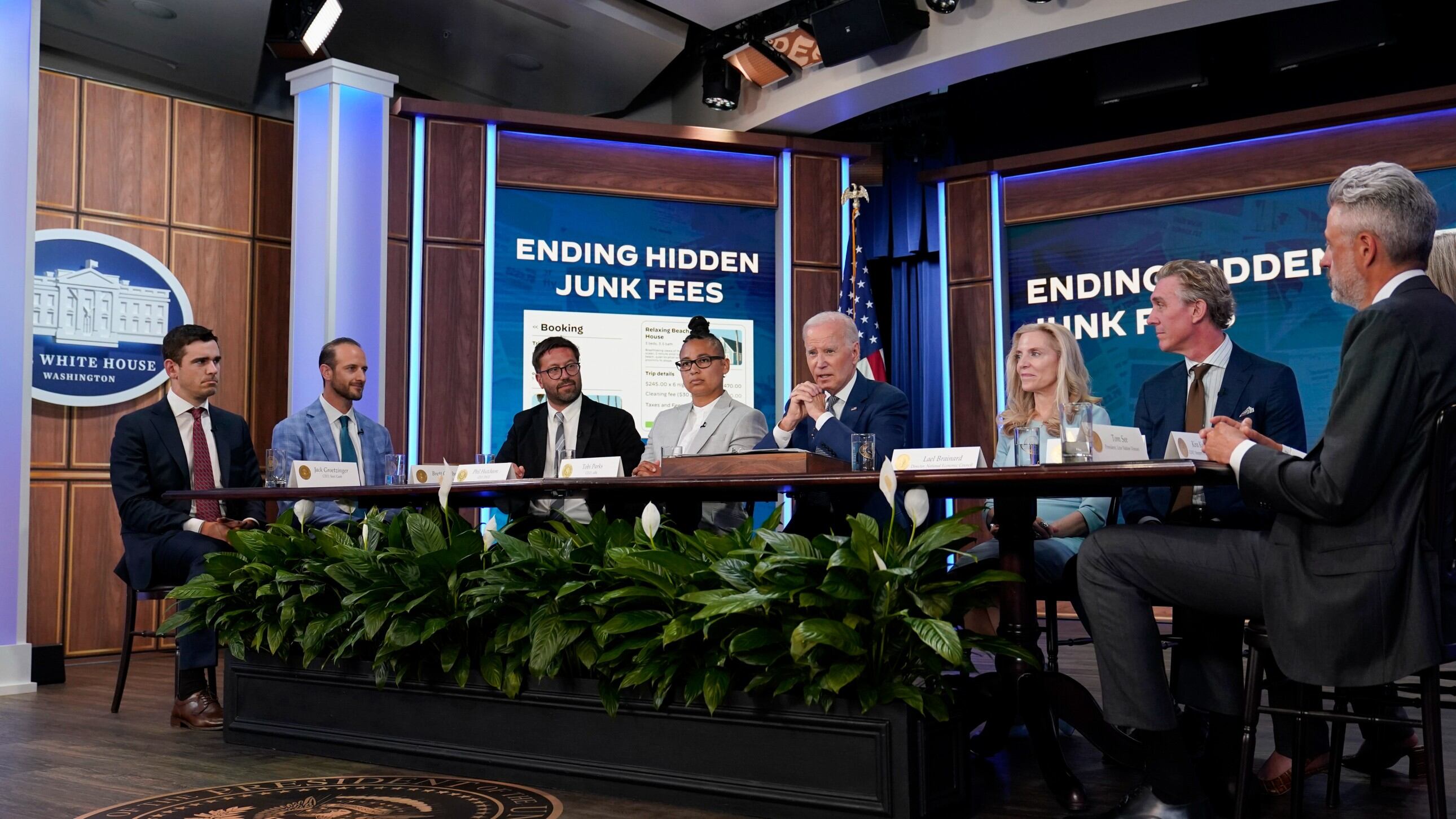
President Joe Biden highlighted progress in chipping away at so-called junk fees as a “win for consumers” Thursday, as he met at the White House with executives from Live Nation, Airbnb and other companies that have taken steps to embrace more transparent pricing.
Texas Gov. Greg Abbott sent a busload of migrants to downtown Los Angeles on Wednesday, prompting Mayor Karen Bass to respond to Abbott's move as a "despicable stunt."
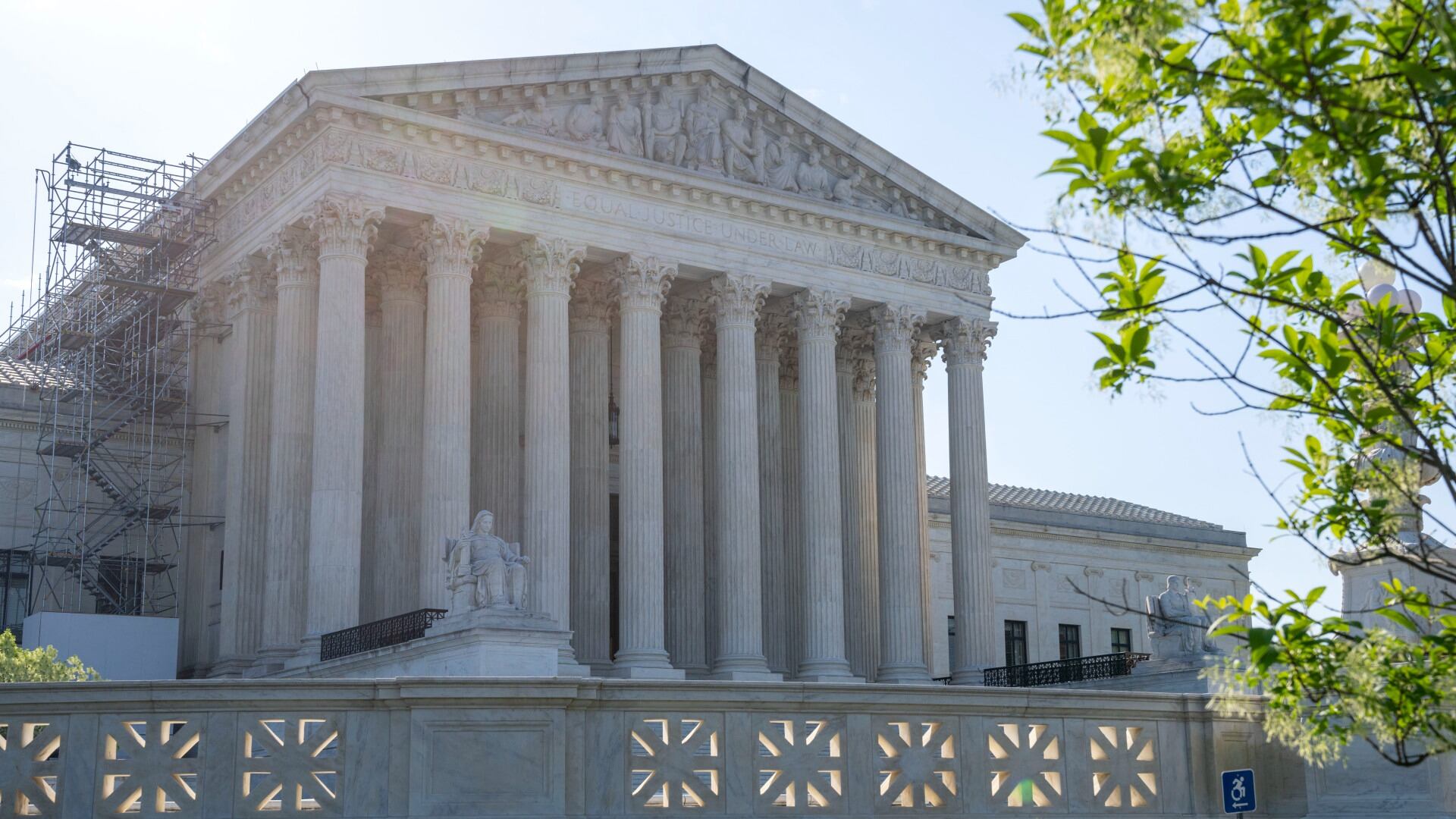
The Supreme Court on Thursday preserved the system that gives preference to Native American families in foster care and adoption proceedings of Native children, rejecting a broad attack from some Republican-led states and white families who argued it is based on race.
The U.S. Department of Agriculture said Wednesday it hopes to weed out false or misleading animal-welfare claims on meat and poultry packaging with new guidance and testing.
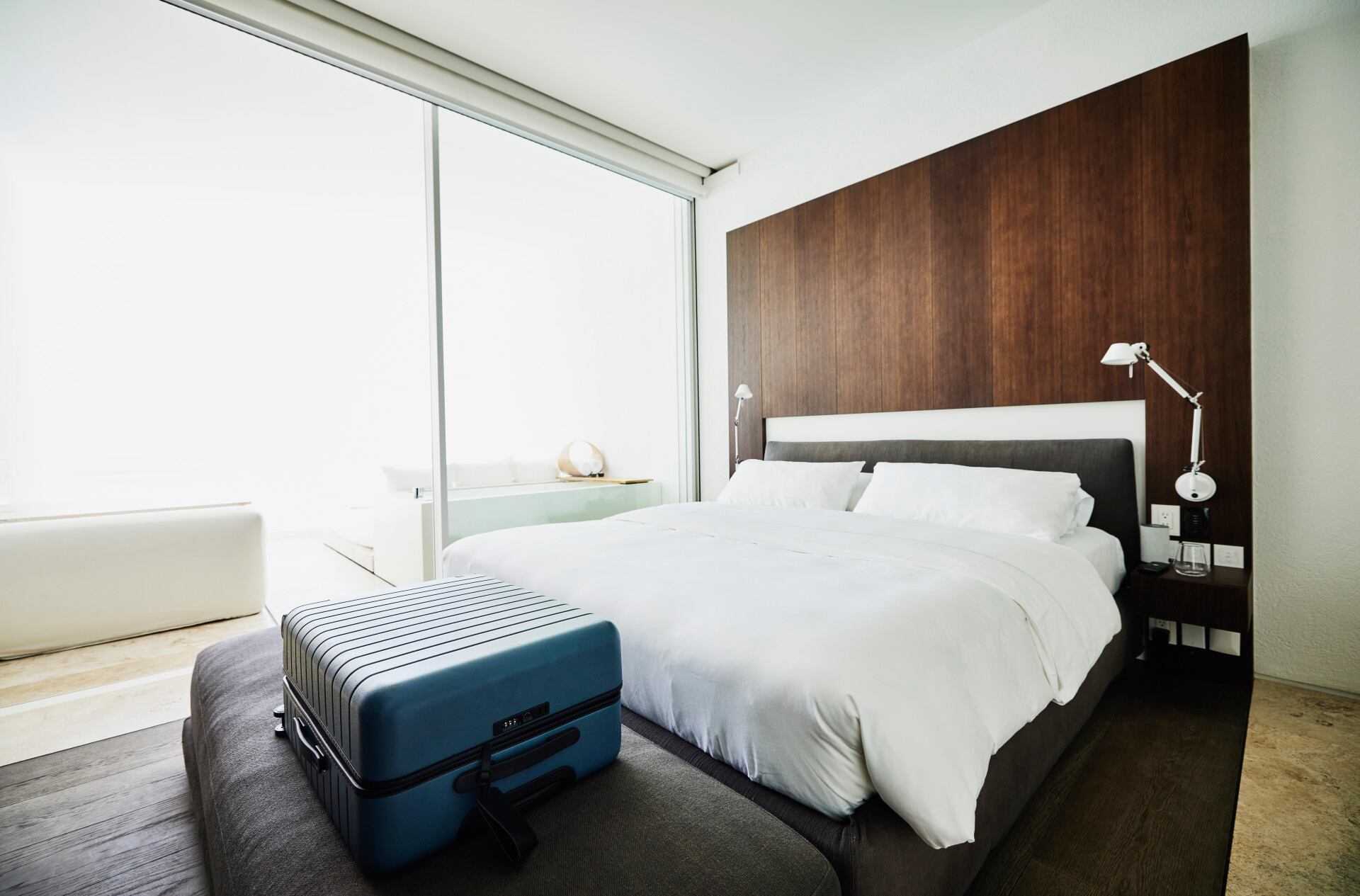
New York City is paying to house newly-arrived migrants in hotel rooms. Cheddar News takes a closer look at one of the hotels, the Holiday Inn, which is housing about 15,000 migrants over the next 15 months.
We've been closely following the migrants that were sent to various cities across the United States. Now New York City is paying for hotel rooms for migrants who were sent there. Cheddar's own Ashley Mastronardi has a closer look at one of the hotels.
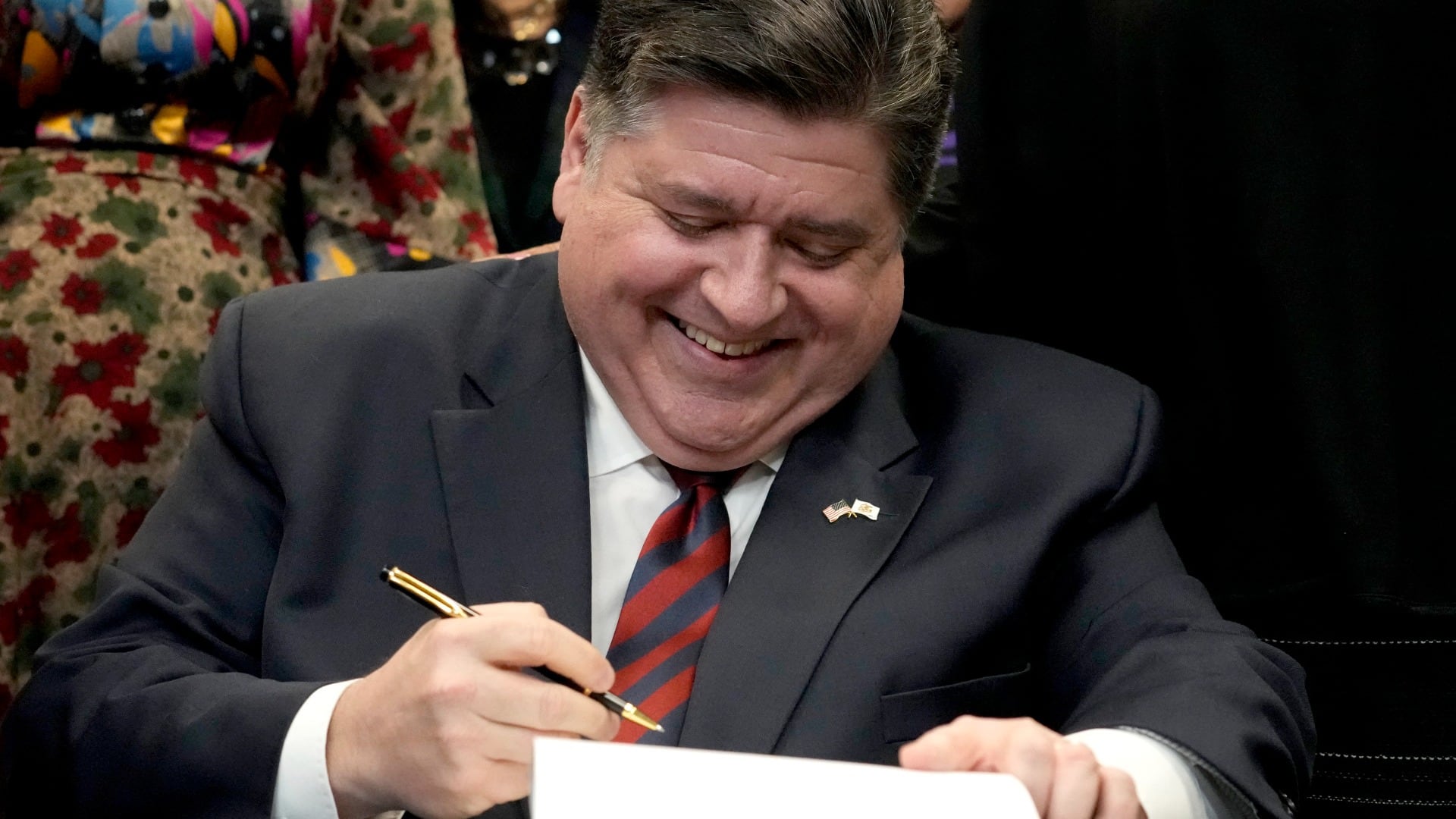
Illinois Governor J.B. Pritzker signed a bill that stops public schools and libraries from banning books.
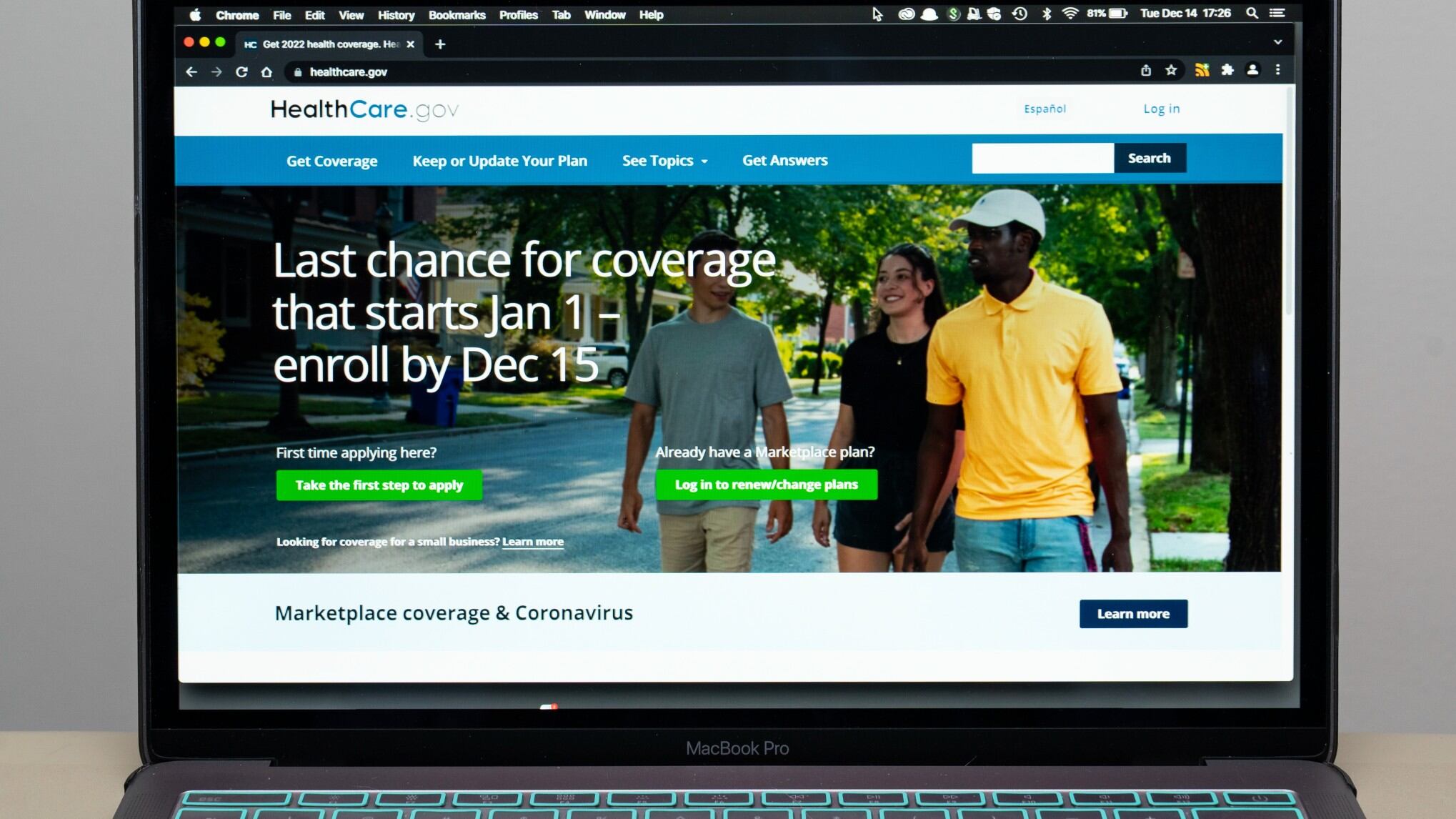
The Biden administration reached a deal to preserve a federal mandate requiring health insurers to cover preventive care at no extra cost for patients.
Former President Donald Trump arrives for his arraignment in Miami.
The government can keep enforcing “Obamacare” requirements that health insurance plans cover preventative care — such as HIV prevention, some types of cancer screenings and other illnesses — while a legal battle over the mandates plays out, under a court agreement approved Tuesday.