The world is left with plenty of questions after President Donald Trump surprisingly agreed to talks with North Korean leader Kim Jong Un. Esquire's Jack Holmes joins Cheddar to discuss Trump's communications strategy around the announcement. He thinks the president's approach proves he's still running The White House as though it were a reality TV show.
President Trump will meet with man he once described as "Little Rocket Man" in the hopes of denuclearizing North Korea. Holmes describes what's at stake in the unprecedented negotiations. Trump would be the first American president to meet with a leader of the communist state.
The news comes as the White House's Stormy Daniels scandal is picking up steam. Holmes reveals what's behind some critics' claims that the North Korea agreement was made to distract from the porn star's lawsuit. Daniels is due to appear on "60 Minutes" in an interview with her lawyer and Anderson Cooper.
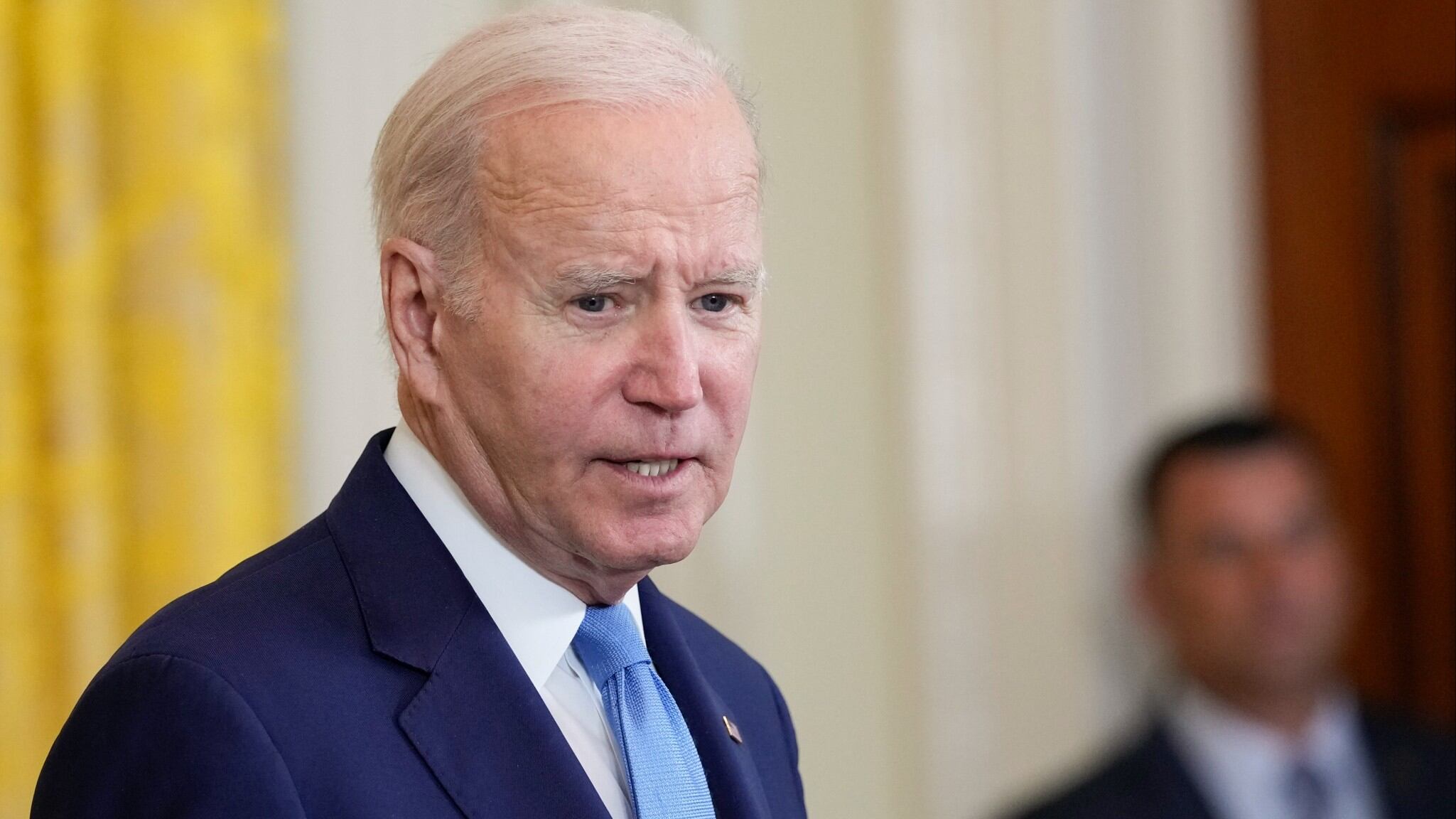
White House press secretary Karine Jean-Pierre says the White House has confidence the Secret Service is “going to get to the bottom of this.”
Americans are segregating by their politics at a rapid clip, helping fuel the greatest divide between the states in modern history.
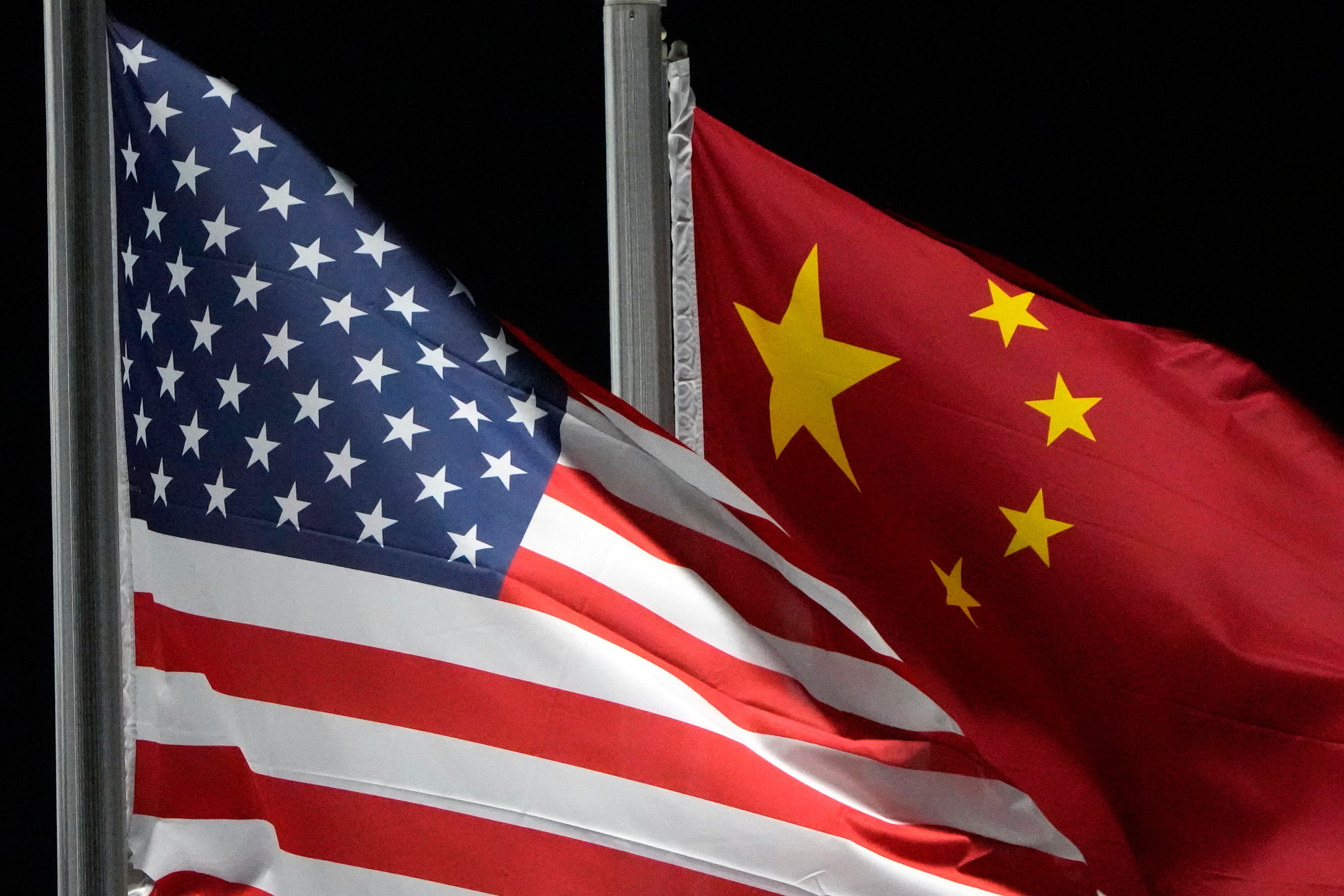
China has restricted exports of high-tech metals gallium and germanium, which are critical to making chips, in response to the U.S. blocking them from access to advanced chips.
A federal judge in Louisiana has restricted the Biden administration from communicating with social media platforms regarding content.
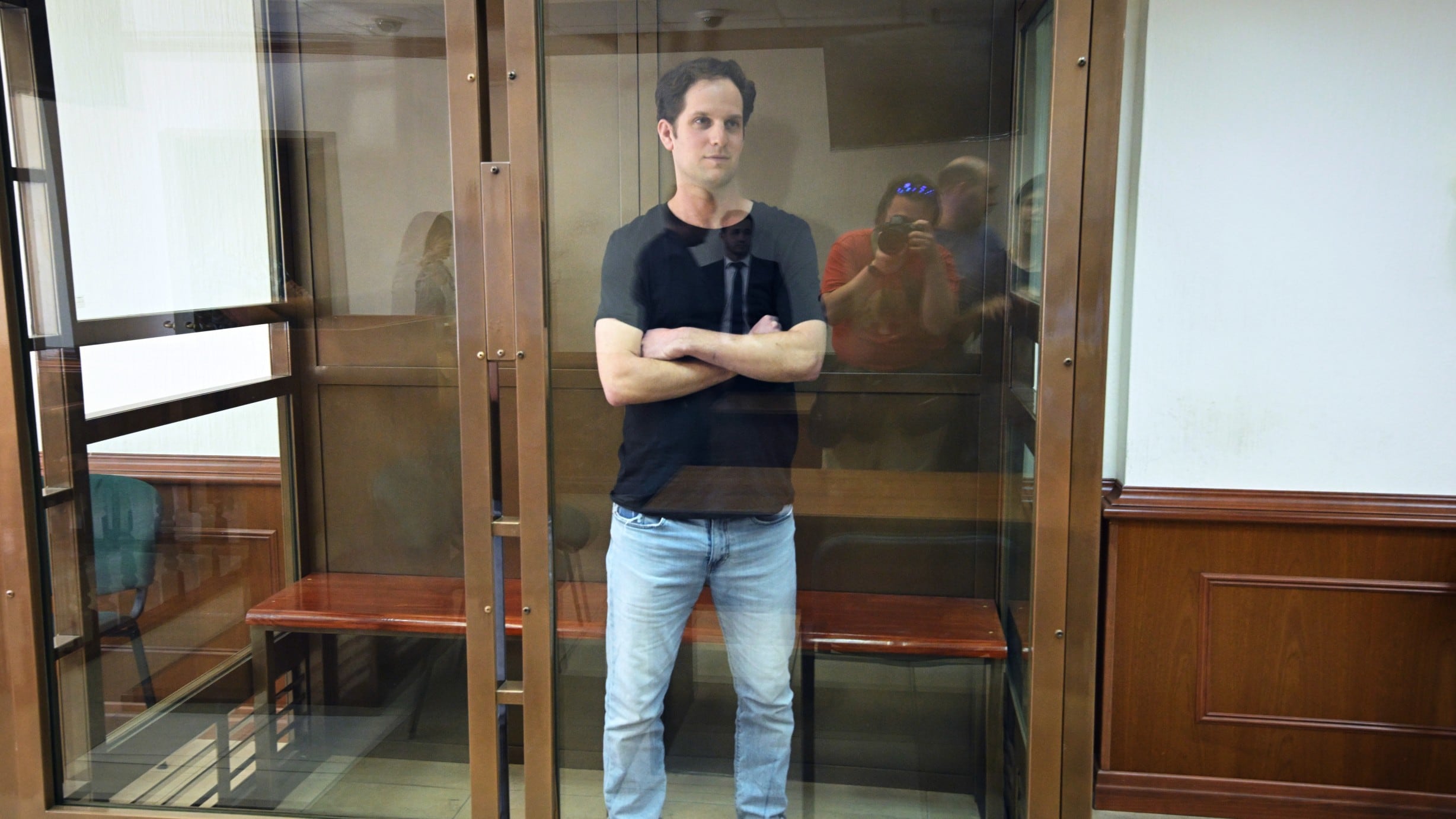
Russia said it's in contact with the U.S. over the imprisonment of journalist Evan Gershkovich.
They spoke to The Associated Press on condition of anonymity because they were not authorized to discuss the investigation publicly.
Former President Donald Trump reportedly pressured former Arizona Gov. Doug Ducey to overturn the state's 2020 election results.
Former President Donald Trump reportedly pressured former Arizona Governor Doug Ducey to overturn the state's 2020 election results.
Former New Jersey Gov. Chris Christie said President Joe Biden and former President Donald Trump are "beyond their sell-by date" in an interview with The New York Times.
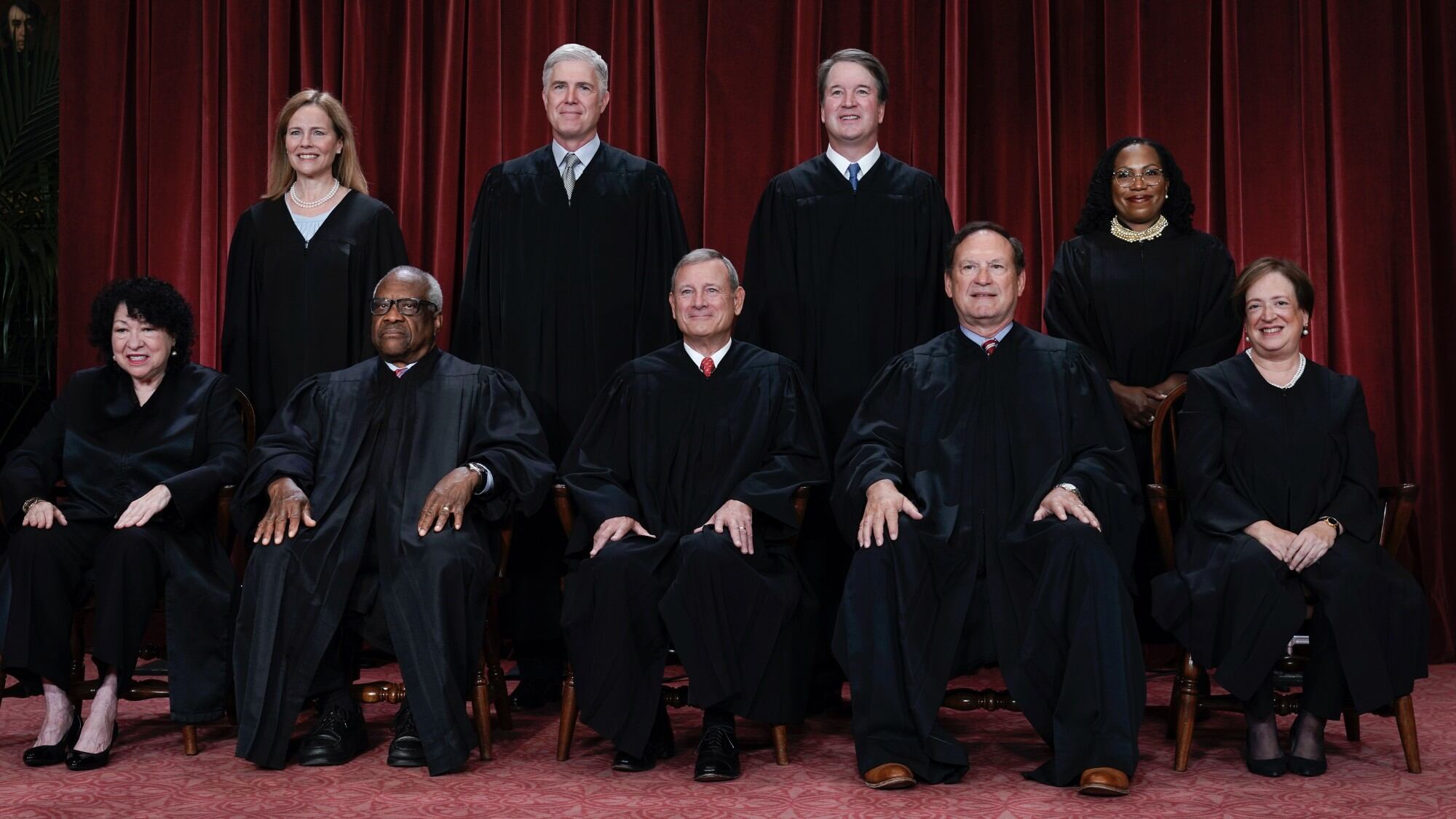
Overturning Roe v. Wade and eliminating affirmative action in higher education had been leading goals of the conservative legal movement for decades. In a span of 370 days, a Supreme Court reshaped by three justices nominated by President Donald Trump made both a reality.