Norfolk Southern to Pay Millions for Derailment: Governor
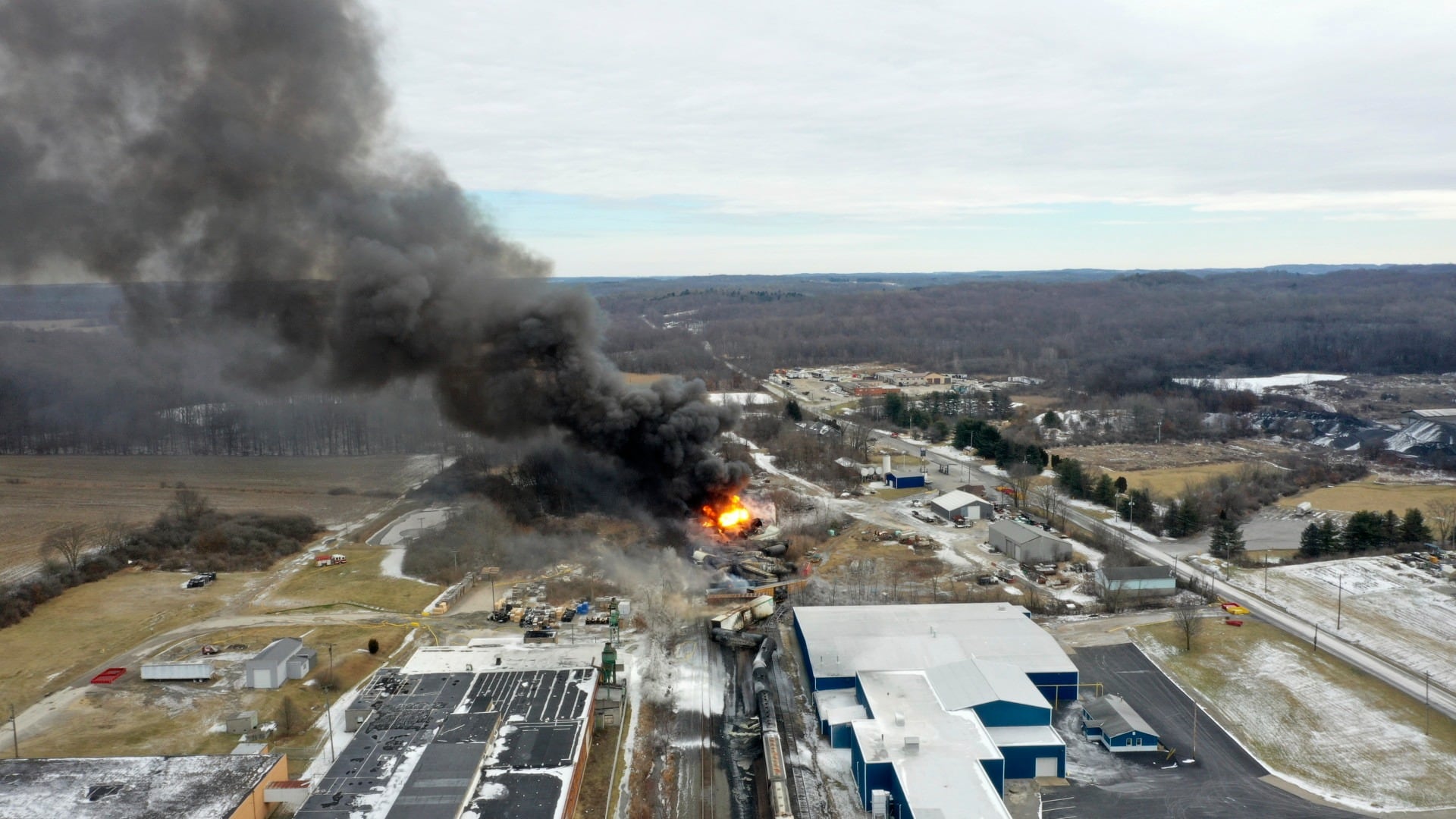
A plume rises from a Norfolk Southern freight train that derailed in East Palestine, Ohio, Feb. 4, 2023. After the catastrophic train car derailment in East Palestine, Ohio, some officials are raising concerns about a type of toxic substance that tends to stay in the environment. (AP Photo/Gene J. Puskar, File)
By Marc Levy
Norfolk Southern has pledged several million dollars to cover the cost of the response and recovery in Pennsylvania after last month's derailment of a train carrying toxic chemicals just across the border in Ohio, Gov. Josh Shapiro said Monday.
Shapiro's office said he met with Norfolk Southern CEO Alan Shaw on Thursday and secured an initial commitment for financial aid as the cleanup from the Feb. 3 derailment continues.
Norfolk Southern has made similar pledges to Ohio, and the U.S. Environmental Protection Agency has ordered the company to cover the costs of cleanup from the derailment that toppled 38 rail cars in East Palestine, Ohio.
No one was hurt, but concerns that the chemicals could explode led state and local officials to approve releasing and burning toxic vinyl chloride from five tanker cars and to evacuate half of East Palestine and the surrounding area near the Pennsylvania border. Shapiro said Norfolk Southern will pay $5 million to reimburse fire departments for equipment that was contaminated or damaged and $1 million to Beaver and Lawrence counties to help business owners and residents whose livelihoods were damaged.
Another nearly $1.4 million will go to state agencies that responded, including for setting up a health clinic for residents, Shapiro said.
Shapiro's office said he will push Norfolk Southern to cover any additional costs that accumulate.
In Ohio, Norfolk Southern previously announced more than $1 million to replace fire equipment used in the response to the fiery wreck, plus $1 million for East Palestine and more than $1.2 million for evacuation costs for nearly 900 families and businesses.
The company has said it is “committed to coordinating the cleanup project and paying for its associated costs,” and wants to ensure that East Palestine’s residents and natural environment recover.
Federal and state officials have repeatedly said it’s safe for evacuated residents to return to the area and that air testing in the town and inside hundreds of homes hasn’t detected any concerning levels of contaminants. However, some residents say they’re still suffering from illnesses nearly a month later.
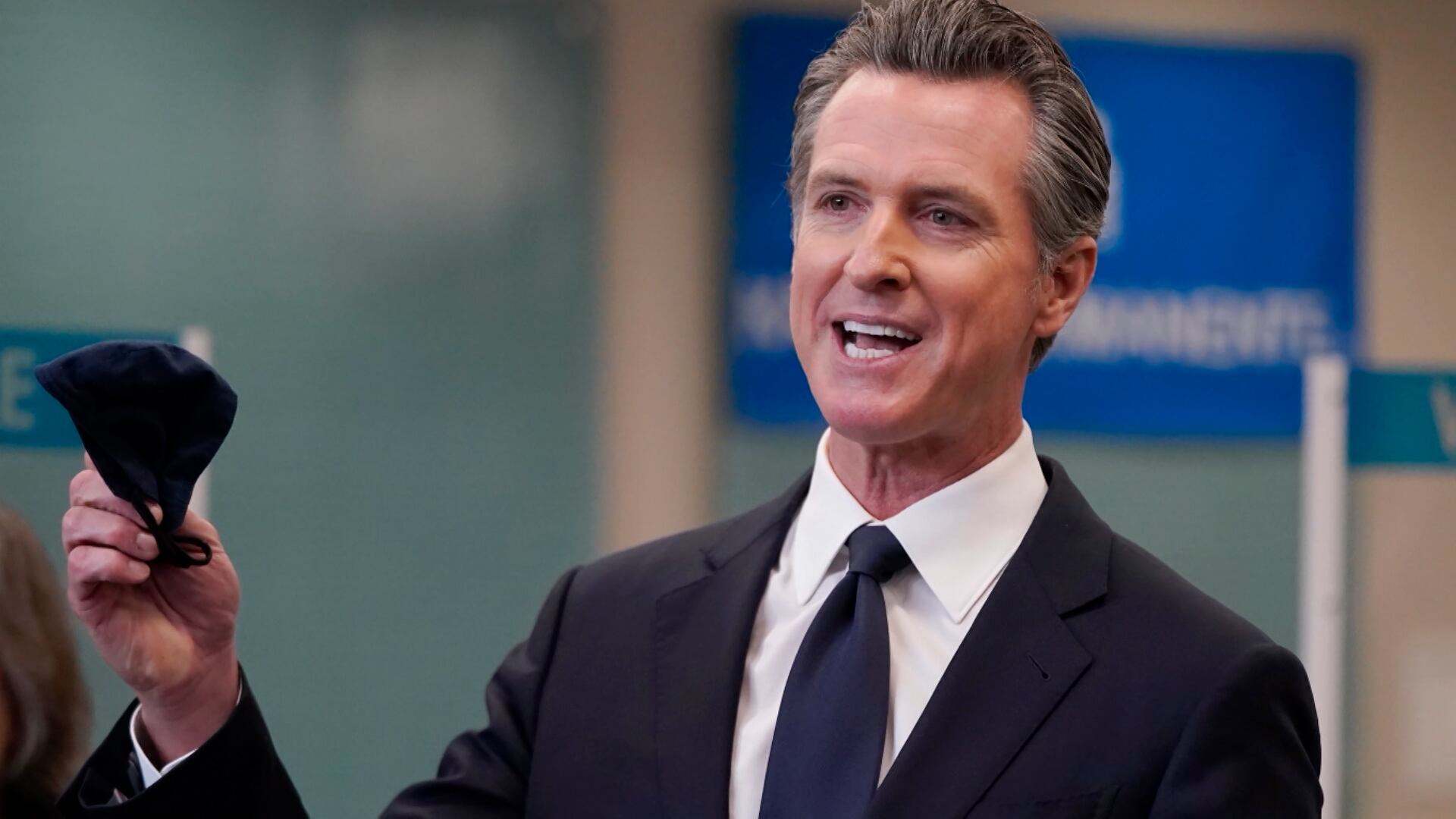
California Governor Gavin Newsom is projected to keep his job. Around two-thirds of the votes have been reported, and roughly 64% of those votes are in favor of keeping Newsom as their governor.
Daniel Strauss, senior political correspondent at The New Republic, joined Cheddar's Opening Bell to discuss more about what Newsom's win means to both political parties moving into Midterm elections season.
The Department of Justice is suing Texas over the state's new abortion law that prohibits abortions after six weeks, well before many women even know they're pregnant. The lawsuit argues the law is unconstitutional under long-standing Supreme Court precedent. It was filed last week in federal court in Texas, but could go all the way to the high court within weeks. Josh Blackman, a constitutional law professor at South Texas College of Law Houston, discusses the DOJ lawsuit and what it could mean for other abortion laws across the country.
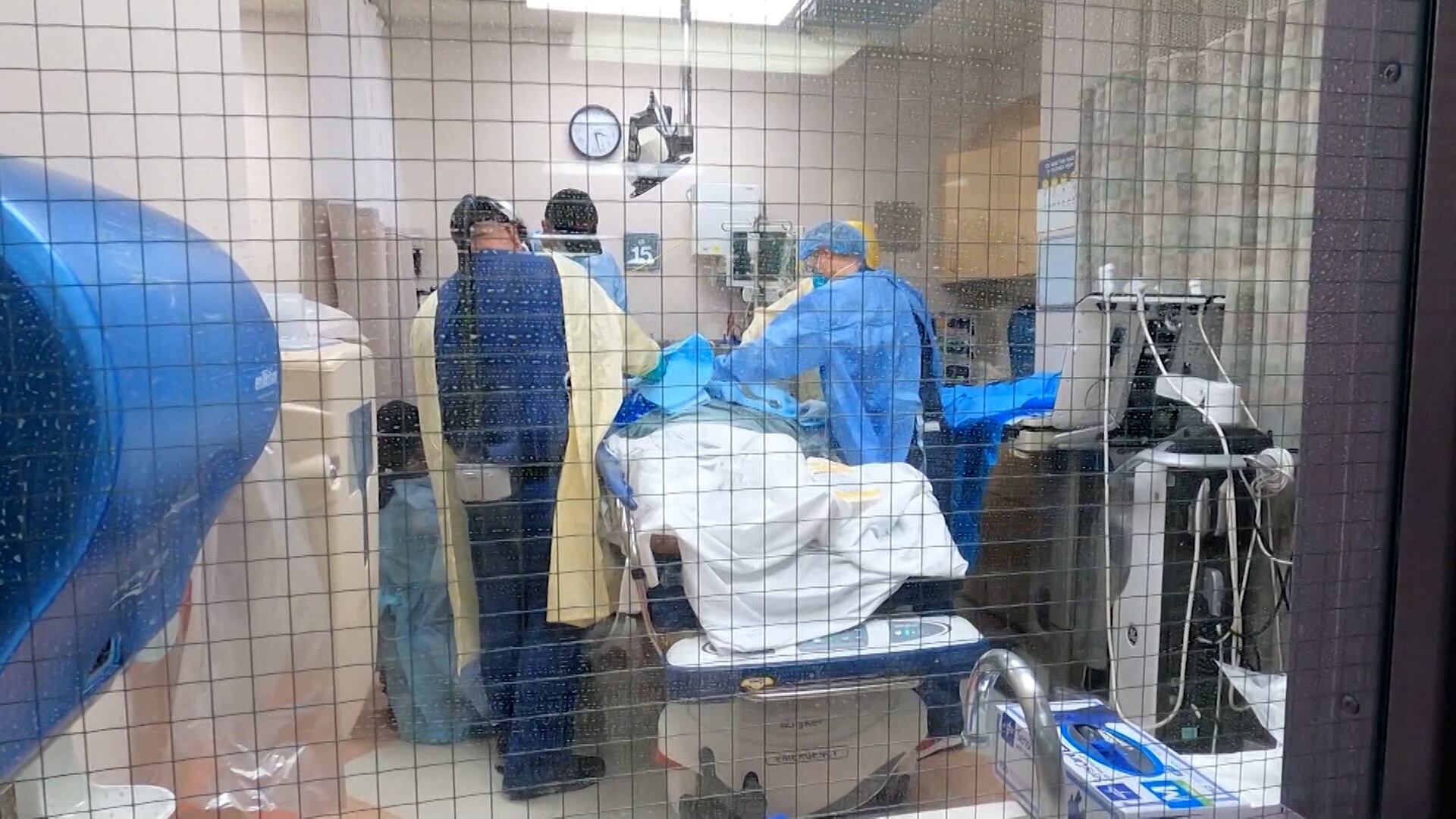
26 states have now fully vaccinated more than half of their population with Vermont, Connecticut, and Massachusetts fully vaccinating at least two-thirds of their residents. These three states are among the ones with the lowest new Covid-19 cases per capita, but in states with low vaccination rates, hospitals are filling up again.
Dr. Rob Davidson, ER doctor and executive director of Committee to Protect Health Care, joined Cheddar's Opening Bell to discuss more.
The Biden Administration has officially extended a ban on a Trump-era policy that prohibits traveling with a U.S. passport to North Korea. The extension is expected to last until August 2022. The ban was initially enforced after the death of Otto Warmbier, who entered a vegetative state while in North Korean custody. Advocates against the ban argue that it has caused crippling impacts on Korean Americans who have not been able to reunite with their families back home. Senior Fellow at The Foundation For Defense of Democracies Anthony Ruggiero joined Cheddar's News Wrap to discuss more.