Norfolk Southern to Pay Millions for Derailment: Governor
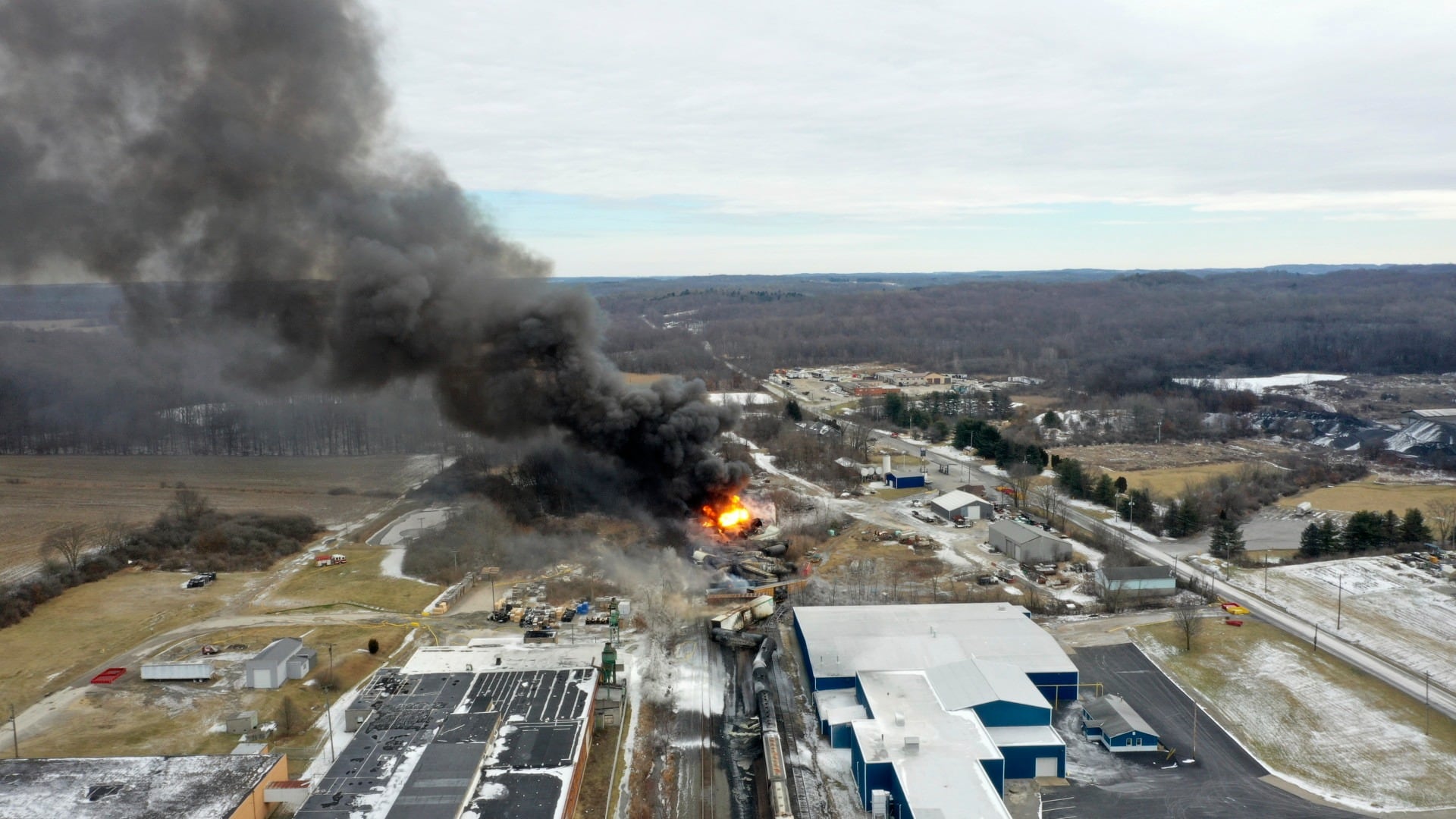
A plume rises from a Norfolk Southern freight train that derailed in East Palestine, Ohio, Feb. 4, 2023. After the catastrophic train car derailment in East Palestine, Ohio, some officials are raising concerns about a type of toxic substance that tends to stay in the environment. (AP Photo/Gene J. Puskar, File)
By Marc Levy
Norfolk Southern has pledged several million dollars to cover the cost of the response and recovery in Pennsylvania after last month's derailment of a train carrying toxic chemicals just across the border in Ohio, Gov. Josh Shapiro said Monday.
Shapiro's office said he met with Norfolk Southern CEO Alan Shaw on Thursday and secured an initial commitment for financial aid as the cleanup from the Feb. 3 derailment continues.
Norfolk Southern has made similar pledges to Ohio, and the U.S. Environmental Protection Agency has ordered the company to cover the costs of cleanup from the derailment that toppled 38 rail cars in East Palestine, Ohio.
No one was hurt, but concerns that the chemicals could explode led state and local officials to approve releasing and burning toxic vinyl chloride from five tanker cars and to evacuate half of East Palestine and the surrounding area near the Pennsylvania border. Shapiro said Norfolk Southern will pay $5 million to reimburse fire departments for equipment that was contaminated or damaged and $1 million to Beaver and Lawrence counties to help business owners and residents whose livelihoods were damaged.
Another nearly $1.4 million will go to state agencies that responded, including for setting up a health clinic for residents, Shapiro said.
Shapiro's office said he will push Norfolk Southern to cover any additional costs that accumulate.
In Ohio, Norfolk Southern previously announced more than $1 million to replace fire equipment used in the response to the fiery wreck, plus $1 million for East Palestine and more than $1.2 million for evacuation costs for nearly 900 families and businesses.
The company has said it is “committed to coordinating the cleanup project and paying for its associated costs,” and wants to ensure that East Palestine’s residents and natural environment recover.
Federal and state officials have repeatedly said it’s safe for evacuated residents to return to the area and that air testing in the town and inside hundreds of homes hasn’t detected any concerning levels of contaminants. However, some residents say they’re still suffering from illnesses nearly a month later.
President Biden announced a ban on Russian oil and natural gas imports to the U.S. in response to its invasion of Ukraine, a move he warned could lead to an even greater surge in gas prices. The ban is prompting a conversation about the current oil production levels in the U.S. and whether or not the industry can ramp up production to soften the blow to American families at the gas pump. Clark Williams-Derry, Energy Finance Analyst with the Institute for Energy Economics and Financial Analysis, breaks down the state of the U.S. oil industry and how the ban might impact production levels here at home.
PepsiCo, Coca-Cola, McDonald’s, and Starbucks are the latest American food brands to have halted business operations in Russia after having faced scrutiny and criticism for originally failing to do so amid the country's invasion of Ukraine.
As Russia intensifies its war on Ukraine, President Biden announced a ban on oil imported from the aggressor nation. Critics of Russia have said this would be the best way to force Putin to pull back, but curbs on Russian oil exports are expected to send already skyrocketing oil and gas prices even higher, further impacting consumers, businesses, financial markets, and the global economy. Leslie Beyer, CEO of the Energy Workforce and Technology Council, joined Cheddar News' Closing Bell to discuss. "It's certainly going to increase pricing, but it is the right thing to do," she said. "The industry itself has already pulled out of the significant portion of its operations in Russia."
Sports Betting in the U.S. is booming. According to industry experts, we could see another boom this year as more states move towards statewide legalization of sports wagering. While this comes as huge news for fans, there are some very real concerns as to whether or not sports betting potentially poses a threat to public health. Senior Clinician at the Caron Treatment Centers, Eric Webber, joined Cheddar to discuss more.
The Biden administration has made gender policy a core part of how it governs. The president established the first Gender Policy Council. It's on the same level as the National Security Council, Domestic Policy Council and National Economic Council, putting the interests of women and other underserved groups at the table for the most important policy discussions.
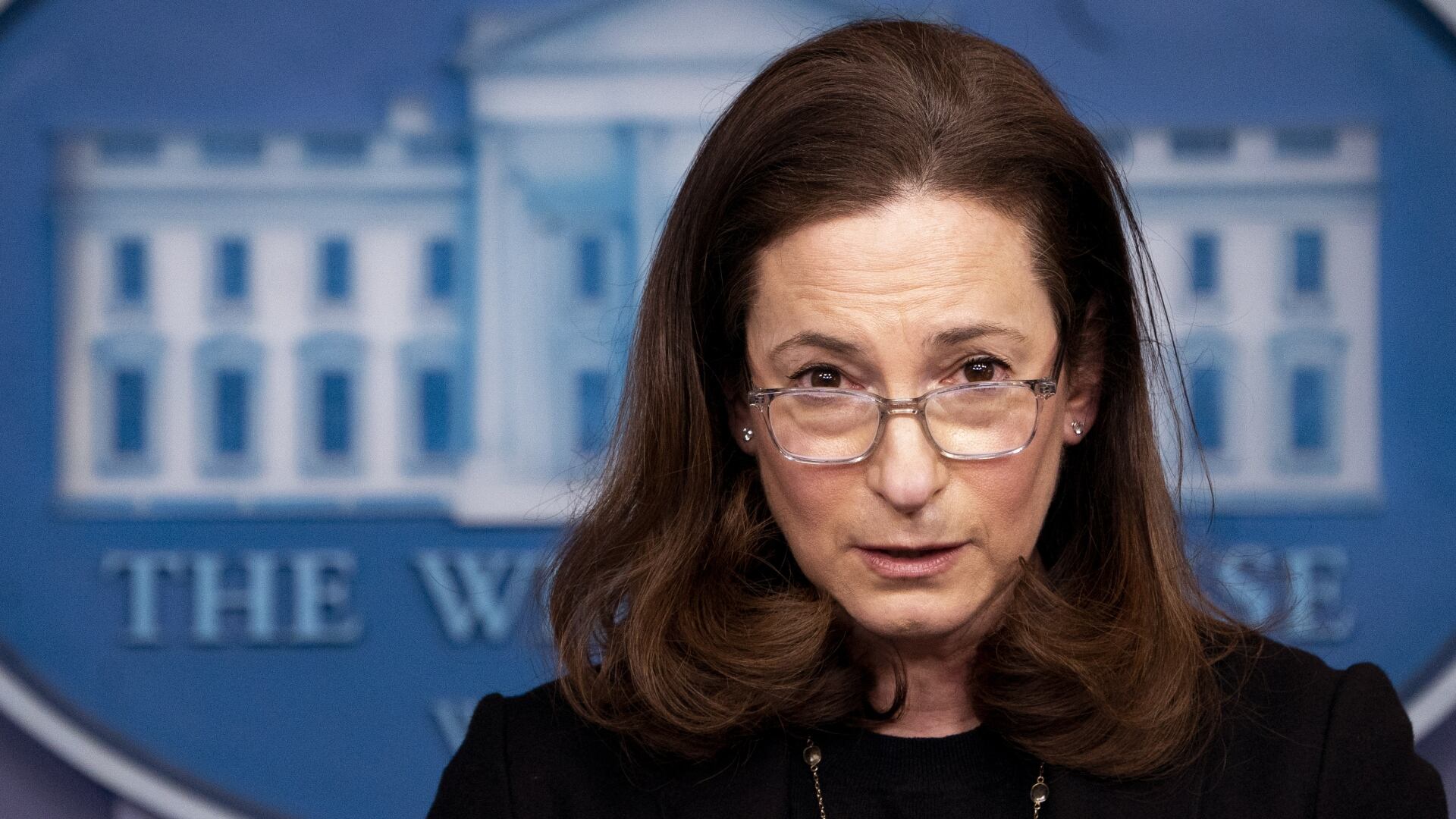
Cheddar News sat down with Jennifer Klein, executive director and co-chair of the White House Gender Policy Council, to discuss the council's work and its significance during Women's History Month.
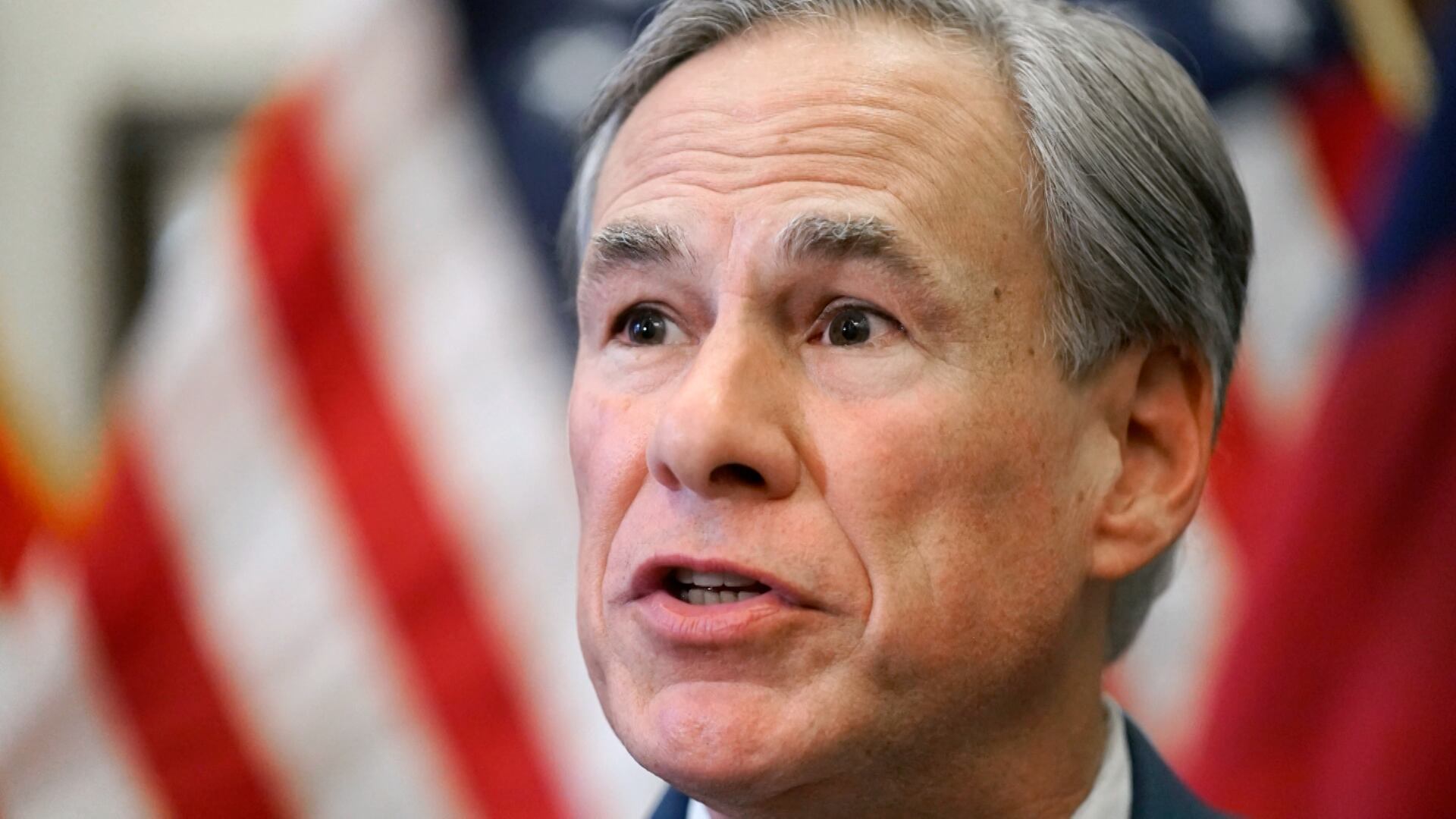
State Representative Jessica González, Vice Chair of the Texas House LGBTQ Caucus, joins Cheddar News to discuss the latest Texas anti-transgender directive.
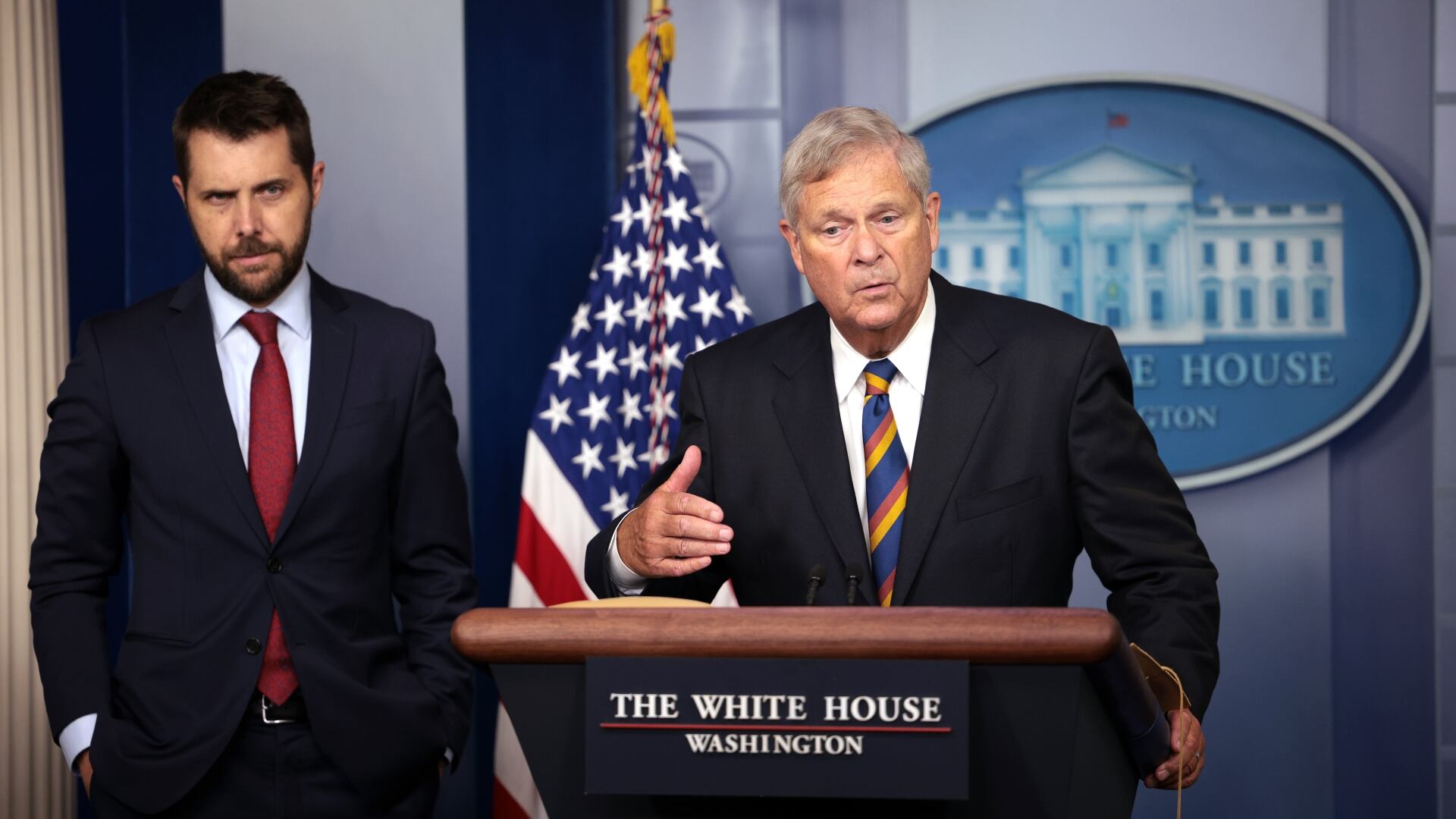
The United States Secretary of Agriculture, Tom Vilsack joins None of the Above to discuss the newly emerging conflict in Europe, what it means for agriculture in the states, dairy and meat consumption, and how the department is planning to promote climate-smart agriculture.
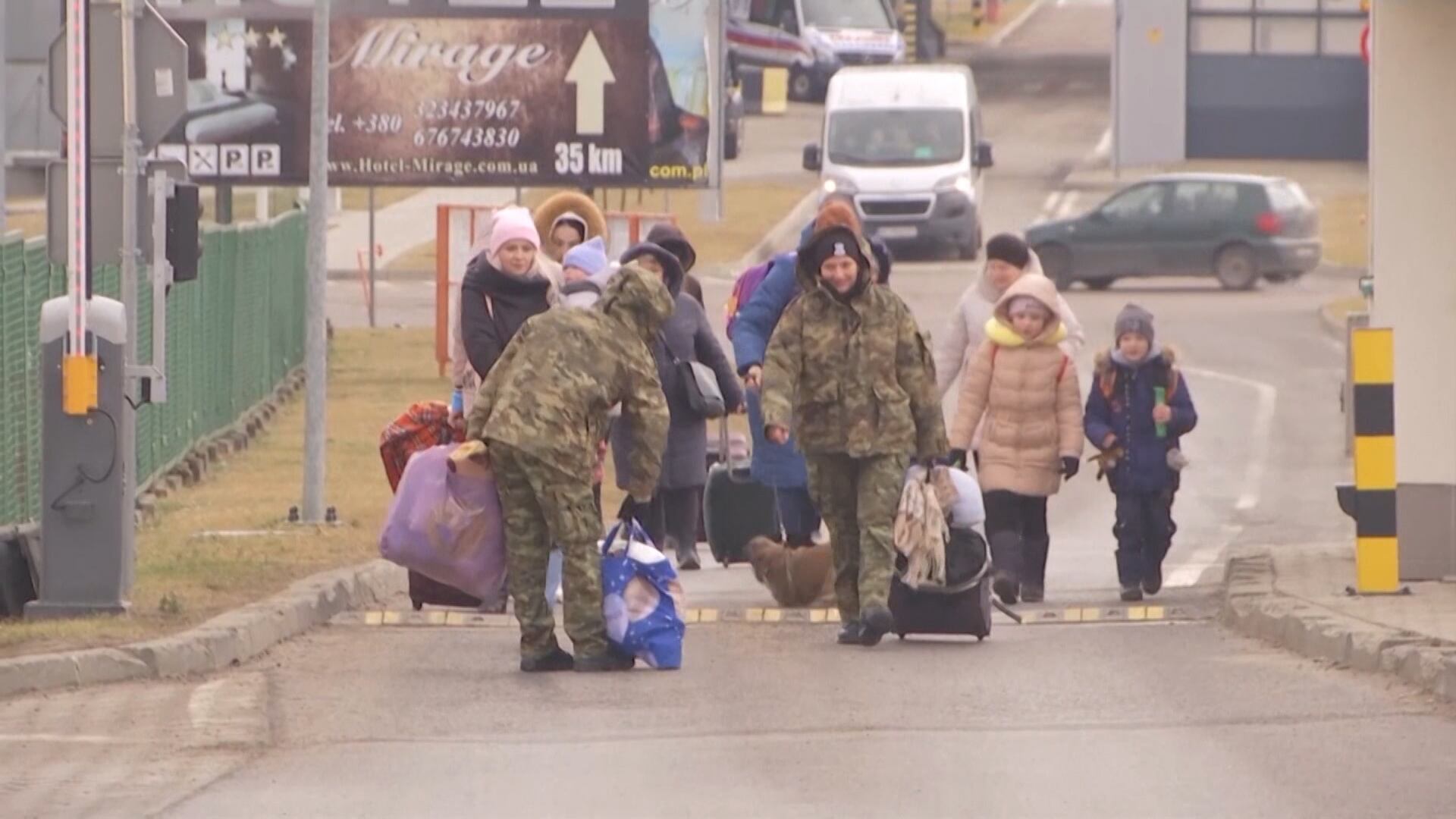
Tens of thousands of people have fled Ukraine in attempts to escape the Russian Invasion. According to the U.N. neighboring countries like Poland, Hungary, and even Romania have seen half a million refugees. While the hospitality is being welcomed by many, it also highlights the mistreatment of migrants and refugees from the Middle East and Africa. Professor of Philosophy and Director of Politics at Northeastern University Serena Parekh, joined Cheddar, to discuss more.
As Russia unleashed war in the country of Ukraine, global leaders have started inflicting punishment on Vladimir Putin's regime via commercial and financial penalties. According to President Joe Biden Putin's aggression is "a flagrant violation of international law and it demands a firm response from the international community".However, the main question is will these sanctions actually work. Partner at Jenner & Block LLP, Rachel Alpert, joined Cheddar to discuss more.