Dina Fine Maron, Editor of Health & Medicine at Scientific American, joins Cheddar to discuss some of the biggest changes to science regulations we'll see in 2018. From food labels to nonaddictive cigarettes, people need to be aware of what might affect their everyday lives.
A revamped nutrition label was slated to debut in July of 2018, however the Trump administration is giving companies a longer window. Major companies now have until 2020 and smaller companies have until 2021. The new labels will have more detail on added sugar and calorie count. However, critics say the delay could be a major blow to the public's health.
Plus, the U.S. Food and Drug Administration aims to create a nonaddictive cigarette with lower nicotine levels. It hopes this will help smokers quit. However, the agency opened up the conversation to the public for input which will ellicit some strong views from the tobacco industry.
A new study finds an experimental skin patch shows promise to treat toddlers who are highly allergic to peanuts.
Britain's fertility regulator on Wednesday confirmed the births of the U.K.'s first babies created using an experimental technique combining DNA from three people, an effort to prevent the children from inheriting rare genetic diseases.
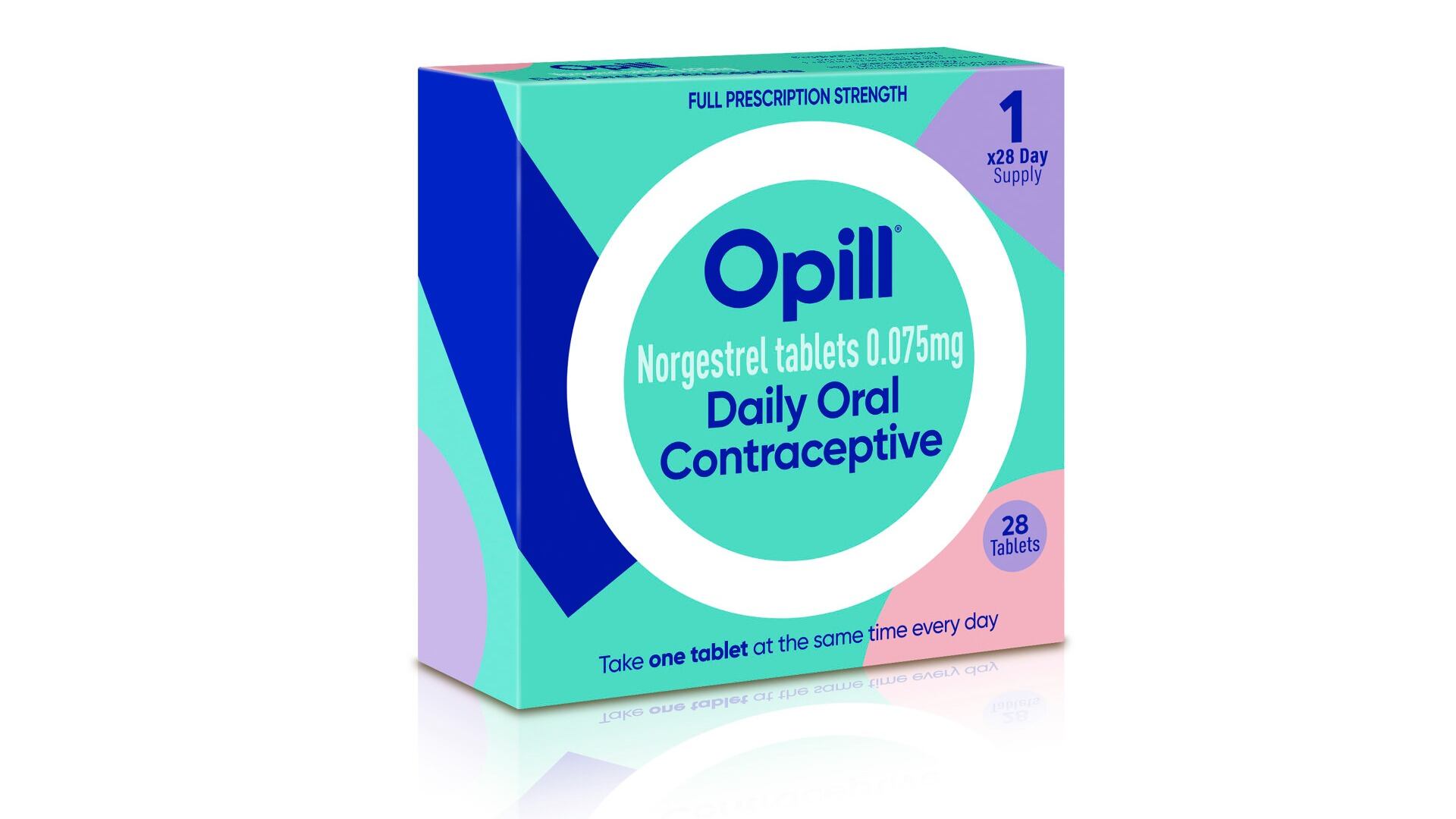
Federal health advisers said Wednesday that a decades-old birth control pill should be sold without a prescription, paving the way for a likely U.S. approval of the first over-the-counter contraceptive medication.
Colette Morales, instructor at Core 95, joined Cheddar News to teach a few basic yoga poses aimed at strengthening multiple areas of the body simultaneously.
A group of nationally-recognized medical experts are suggesting women start getting breast cancer screening at 40 years old.
The Food and Drug Administration is kicking off a two-day meeting to consider whether to let people get birth control pills without a prescription, with a decision expected by the summer.
Be Well: How Yoga Can Benefit Children
Be Well: Understanding Strokes and How Doctors Work to Reverse Their Effects
Be Well: Destigmatizing Conversations Around Sexual Health and Organs
Be Well: How to Diversify Your Water Consumption