Dina Fine Maron, Editor of Health & Medicine at Scientific American, joins Cheddar to discuss some of the biggest changes to science regulations we'll see in 2018. From food labels to nonaddictive cigarettes, people need to be aware of what might affect their everyday lives.
A revamped nutrition label was slated to debut in July of 2018, however the Trump administration is giving companies a longer window. Major companies now have until 2020 and smaller companies have until 2021. The new labels will have more detail on added sugar and calorie count. However, critics say the delay could be a major blow to the public's health.
Plus, the U.S. Food and Drug Administration aims to create a nonaddictive cigarette with lower nicotine levels. It hopes this will help smokers quit. However, the agency opened up the conversation to the public for input which will ellicit some strong views from the tobacco industry.
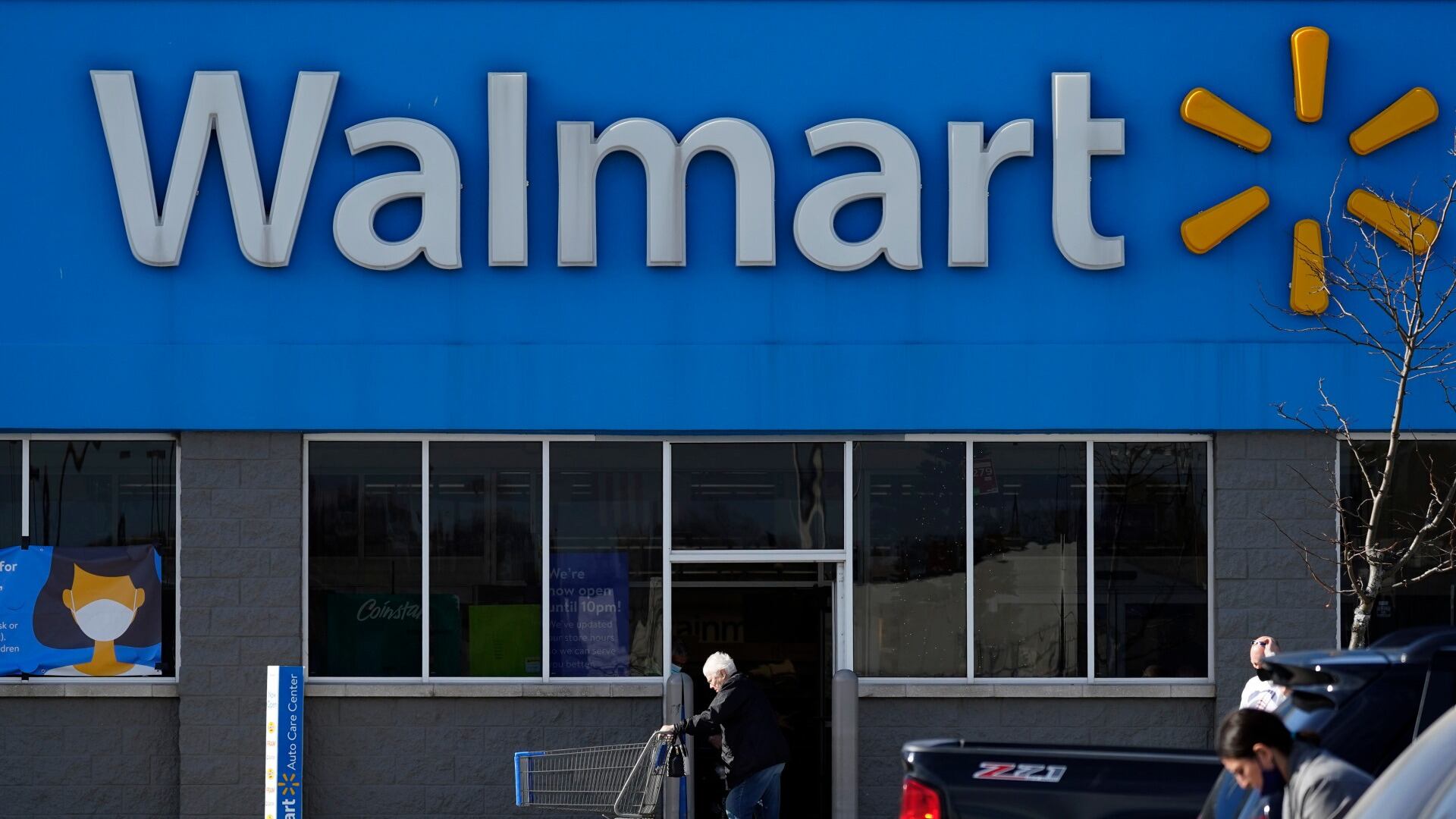
Walmart is expanding its HIV treatments, planning to add over 80 specialty facilities across nearly a dozen states by the end of the year.
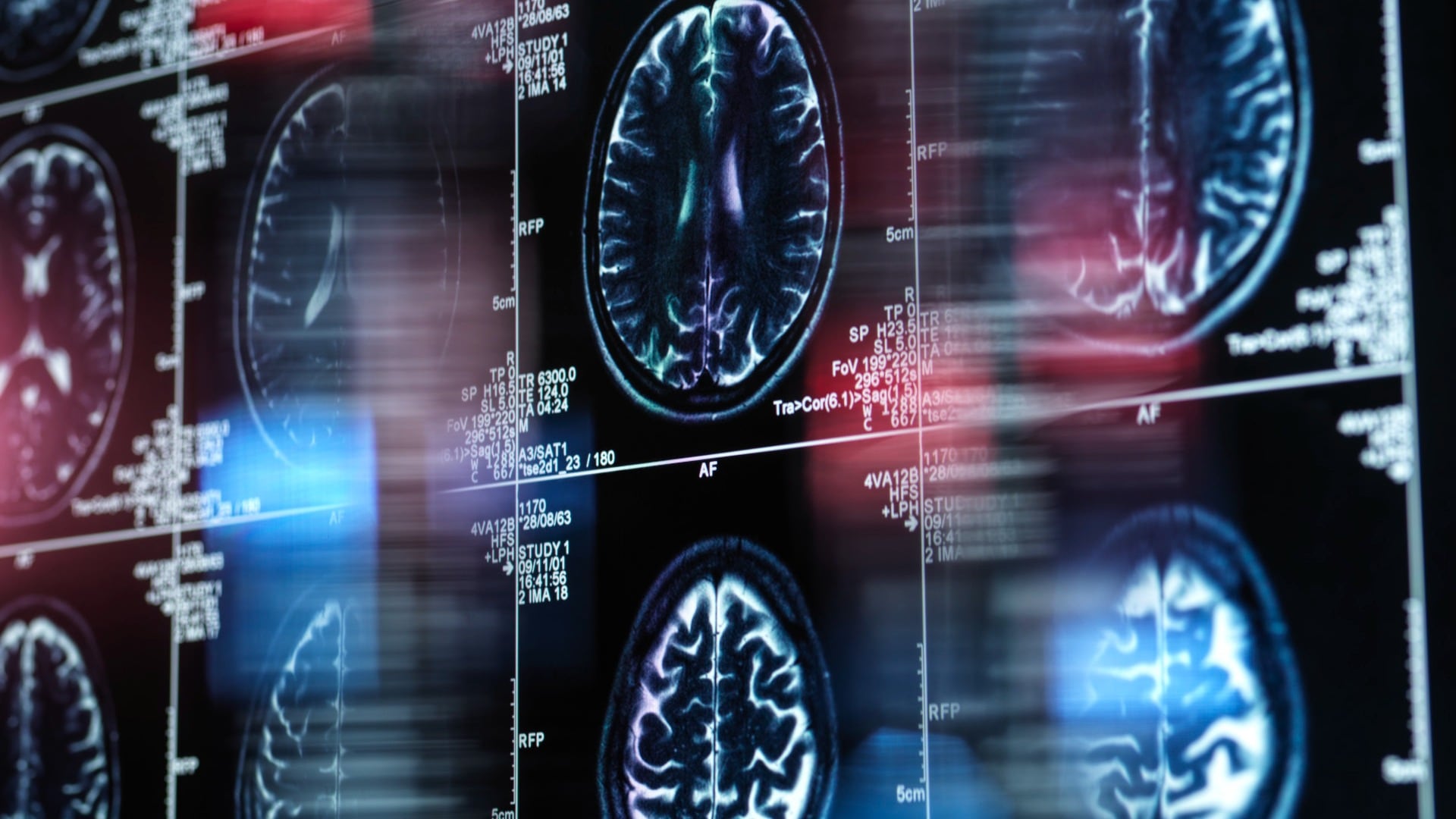
A Food and Drug Administration advisory panel met to discuss regulatory approval for the Alzheimer's drug, Leqembi.
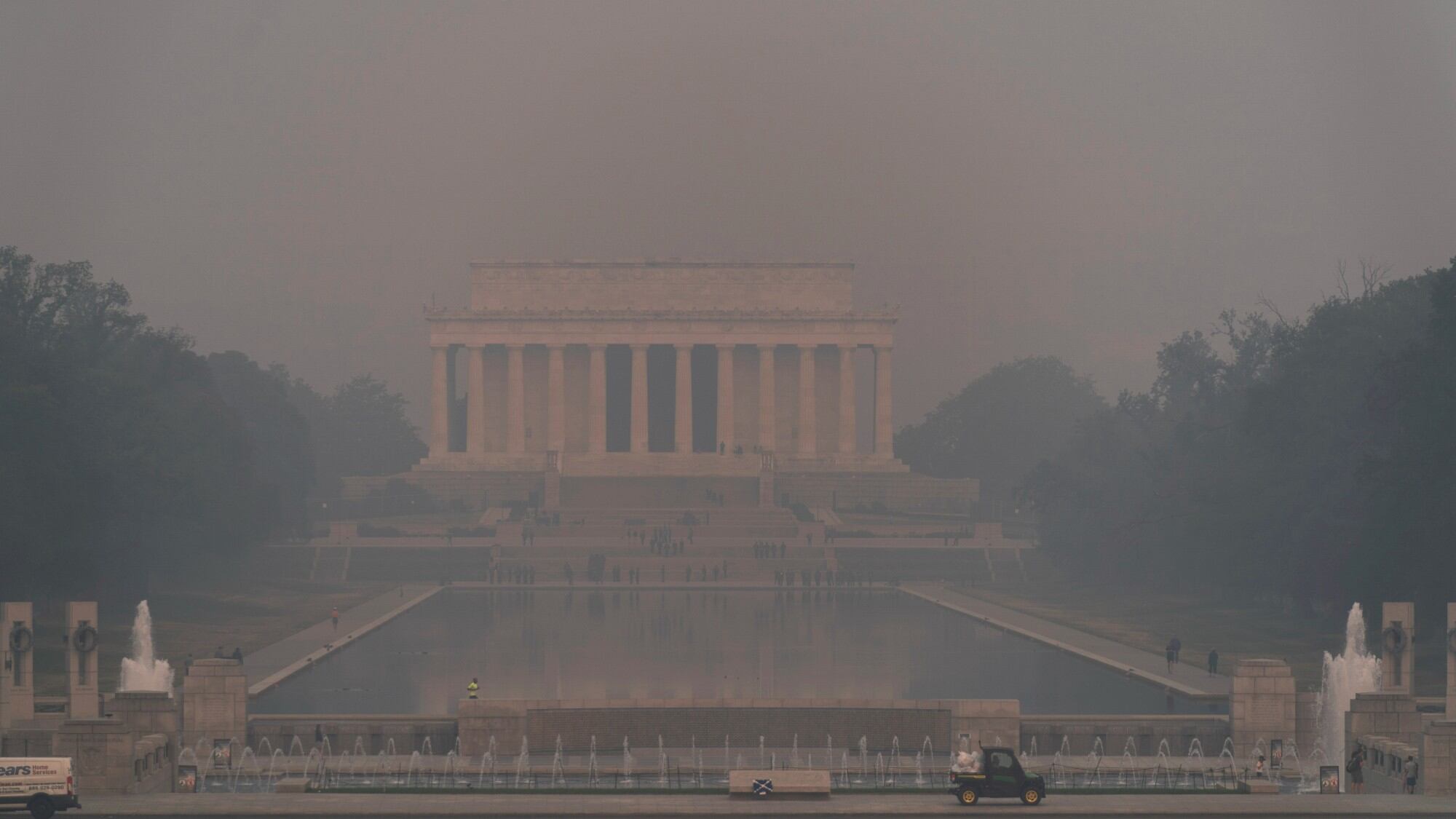
Air quality on the East Coast has improved to at least a moderate level and will continue getting better by the weekend.
A new study from Columbia University has found that taurina, a type of amino acid known mostly as an ingredient in energy drinks, extended the life of worms, mice and monkeys.
Artechouse, a digital art studio in New York City, has a new exhibition that lets visitors experience never-before-seen images that the James Webb space telescope captured. Cheddar News takes a peek inside the newest immersive experience.
A report said that cancer centers are dealing with shortages of carboplatin and cisplatin, drugs that are used to treat cancers.
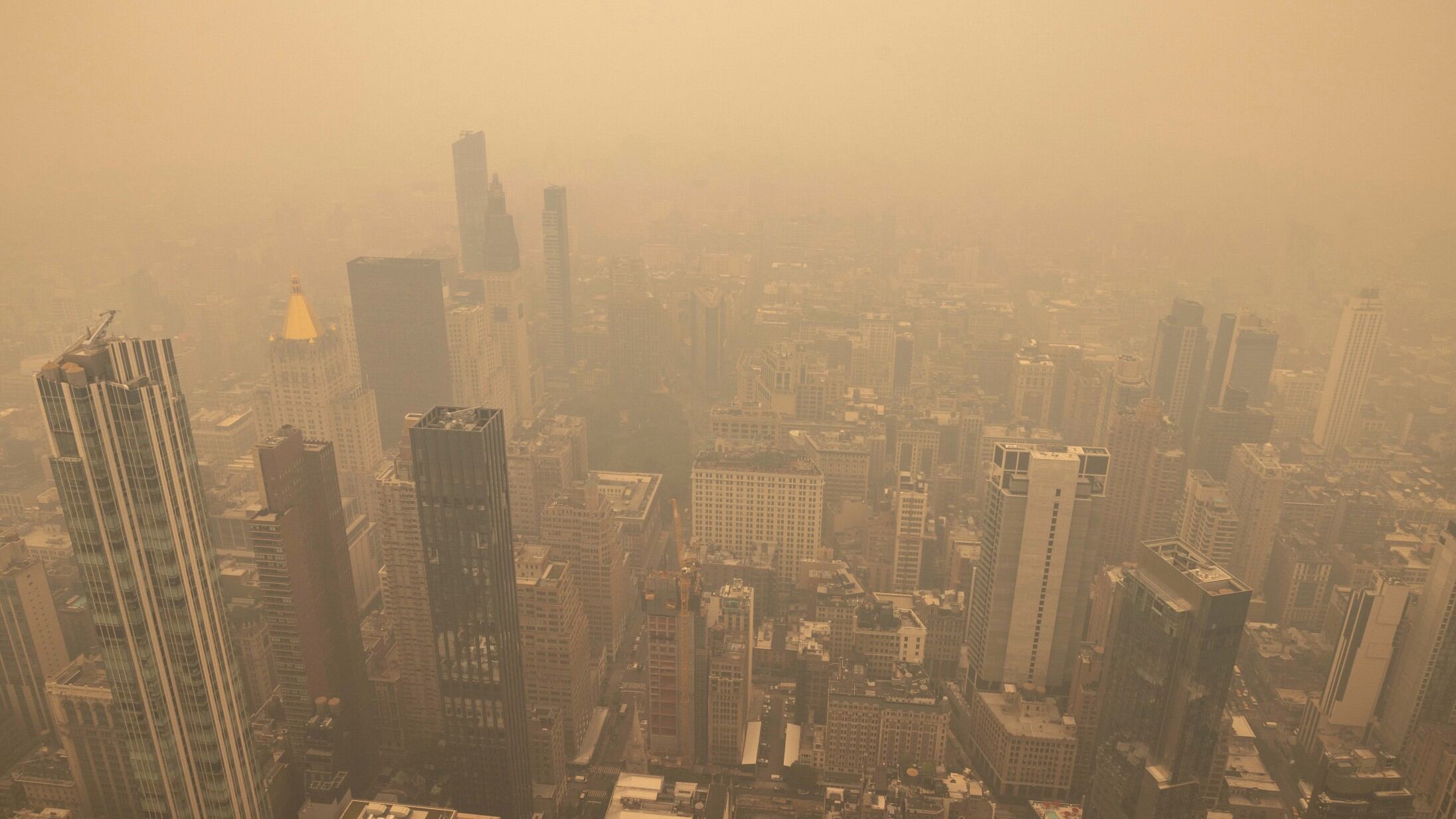
On air quality maps, purple signifies the worst of it. In reality, it's a thick, hazardous haze that’s disrupting daily life for millions of people across the U.S. and Canada, blotting out skylines and turning skies orange.
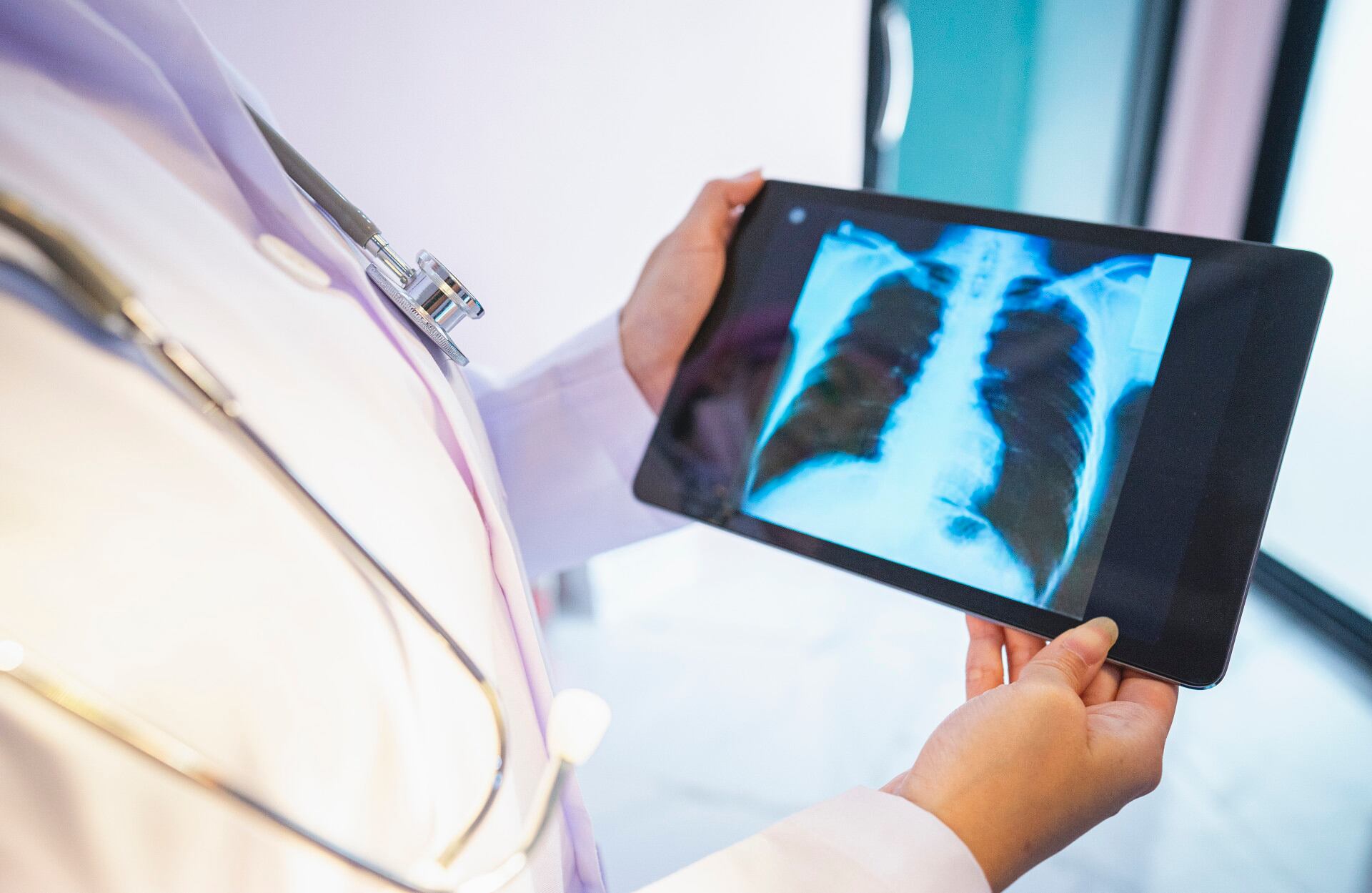
With large swaths of the East Coast blanketed with smog, many are worried about their health. Mangala Narasimhan, director of critical care services at Northwell Health, offers some peace of mind with a handful of expert tips for coping with poor air quality.
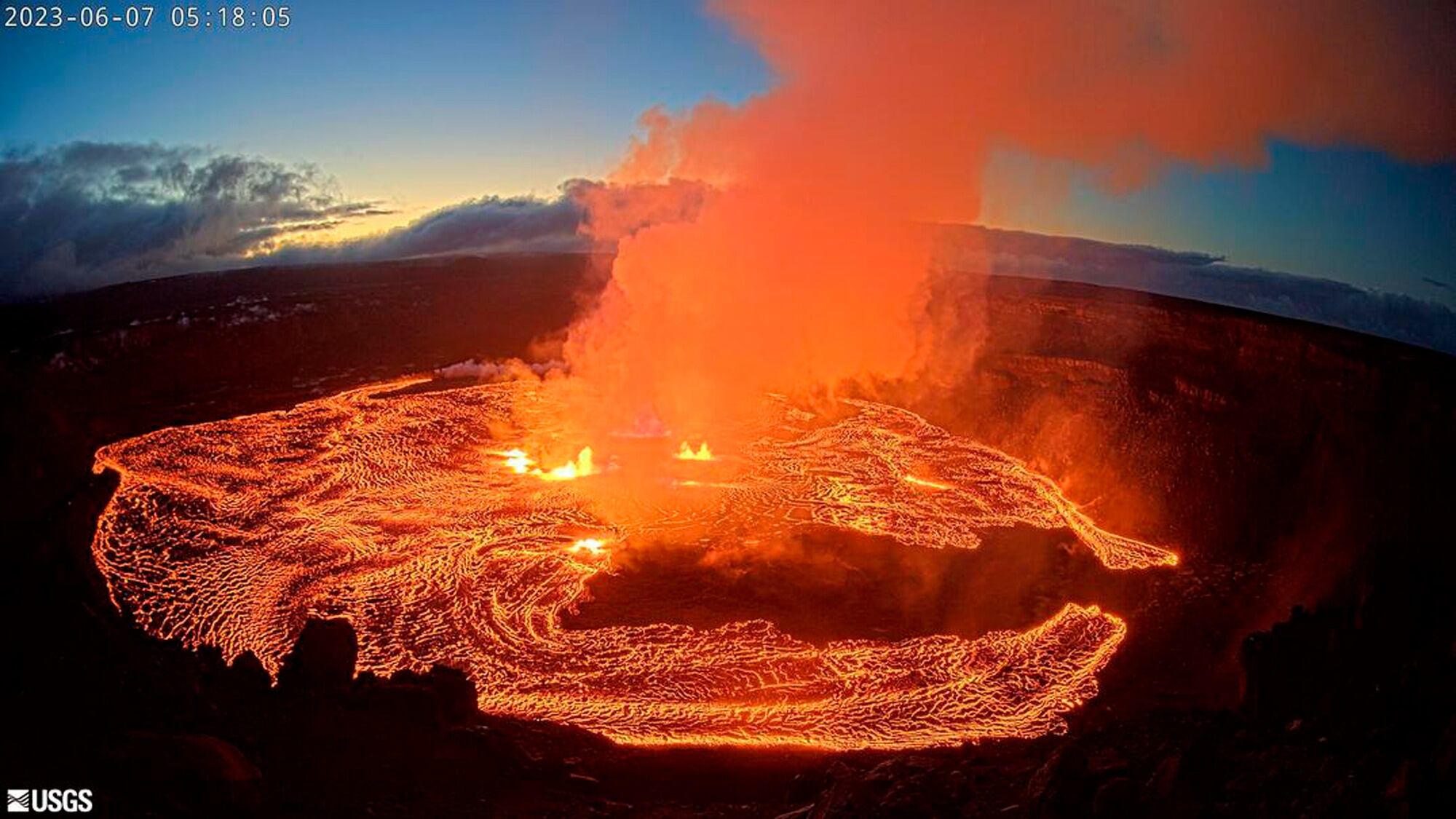
Kilauea, one of the most active volcanoes in the world, began erupting on Wednesday after a three-month pause, displaying spectacular fountains of mesmerizing, glowing lava that's a safe distance from people and structures in a national park on the Big Island.
Smoke from the Canadian wildfires has reached New York and New Jersey which prompted officials to declare the area as currently having some of the worst air quality in the world.