Dina Fine Maron, Editor of Health & Medicine at Scientific American, joins Cheddar to discuss some of the biggest changes to science regulations we'll see in 2018. From food labels to nonaddictive cigarettes, people need to be aware of what might affect their everyday lives.
A revamped nutrition label was slated to debut in July of 2018, however the Trump administration is giving companies a longer window. Major companies now have until 2020 and smaller companies have until 2021. The new labels will have more detail on added sugar and calorie count. However, critics say the delay could be a major blow to the public's health.
Plus, the U.S. Food and Drug Administration aims to create a nonaddictive cigarette with lower nicotine levels. It hopes this will help smokers quit. However, the agency opened up the conversation to the public for input which will ellicit some strong views from the tobacco industry.
These are the headlines you Need 2 Know.
These are the headlines you Need 2 Know.
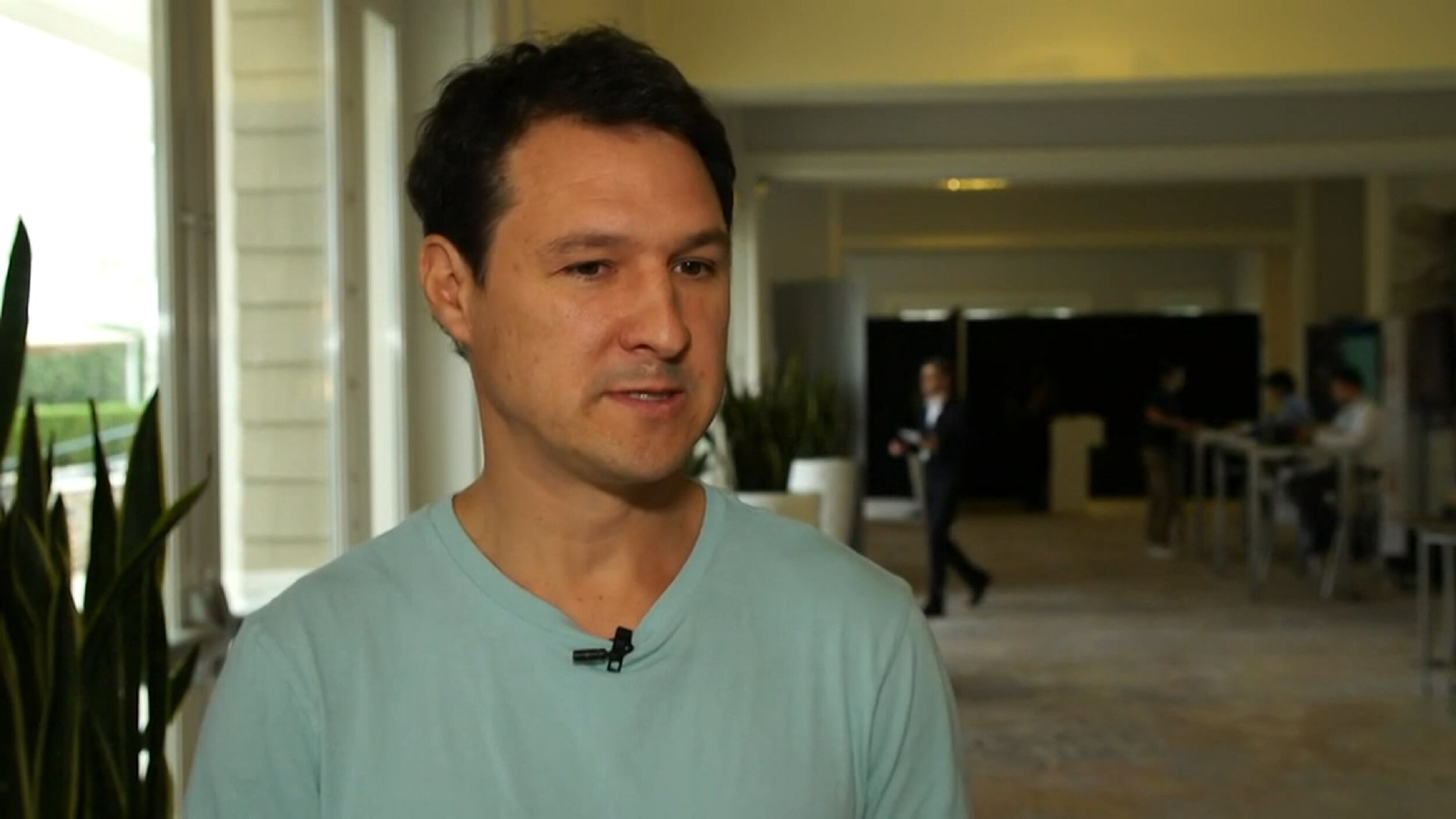
Jed McCaleb, the co-founder of the Stellar Development Foundation, told Cheddar how blockchain technology can revolutionize how digital payments are tracked and secured.
These are the headlines you Need 2 Know.
These are the headlines you Need 2 Know.
John Carreyrou, the Wall Street Journal investigative reporter who first exposed the fraud at blood-testing company Theranos, said the former CEO of the once high-flying start-up had a chance to minimize the pain years ago, but instead used what money the company had to hide the truth.
These are the headlines you Need 2 Know.
These are the headlines you Need 2 Know.
In its pick of two small start-ups over Bird, Lime, Uber, and Lyft, San Francisco sent a signal that the most valuable mobility companies' "launch first, ask questions later" approach is catching up to them. Scoot Global and Skip were chosen because they said they would keep riders off the sidewalks and would provide services to low-income residents. Meanwhile, Santa Monica announced that it would open its shared mobility pilot program to e-scooters from Uber, Lyft, Bird, and Lime.
Paul Johnson, partner at Harbor Peak, said regulators are nervous about being interpreted as backing crypto investing. But Bitcoin and Ethereum continue to benefit from widespread user adoption, while other platforms will likely fade away.