Dina Fine Maron, Editor of Health & Medicine at Scientific American, joins Cheddar to discuss some of the biggest changes to science regulations we'll see in 2018. From food labels to nonaddictive cigarettes, people need to be aware of what might affect their everyday lives.
A revamped nutrition label was slated to debut in July of 2018, however the Trump administration is giving companies a longer window. Major companies now have until 2020 and smaller companies have until 2021. The new labels will have more detail on added sugar and calorie count. However, critics say the delay could be a major blow to the public's health.
Plus, the U.S. Food and Drug Administration aims to create a nonaddictive cigarette with lower nicotine levels. It hopes this will help smokers quit. However, the agency opened up the conversation to the public for input which will ellicit some strong views from the tobacco industry.
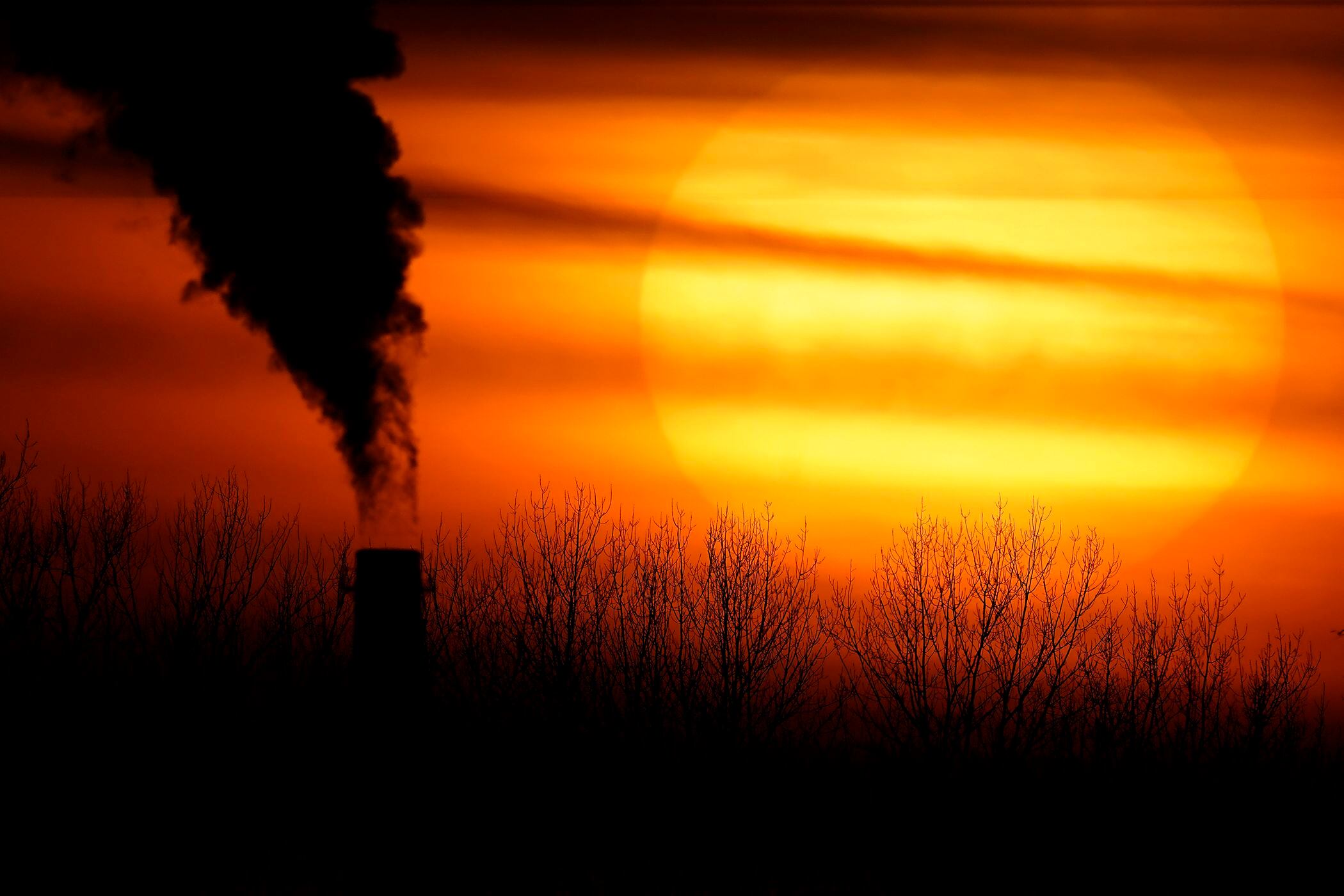
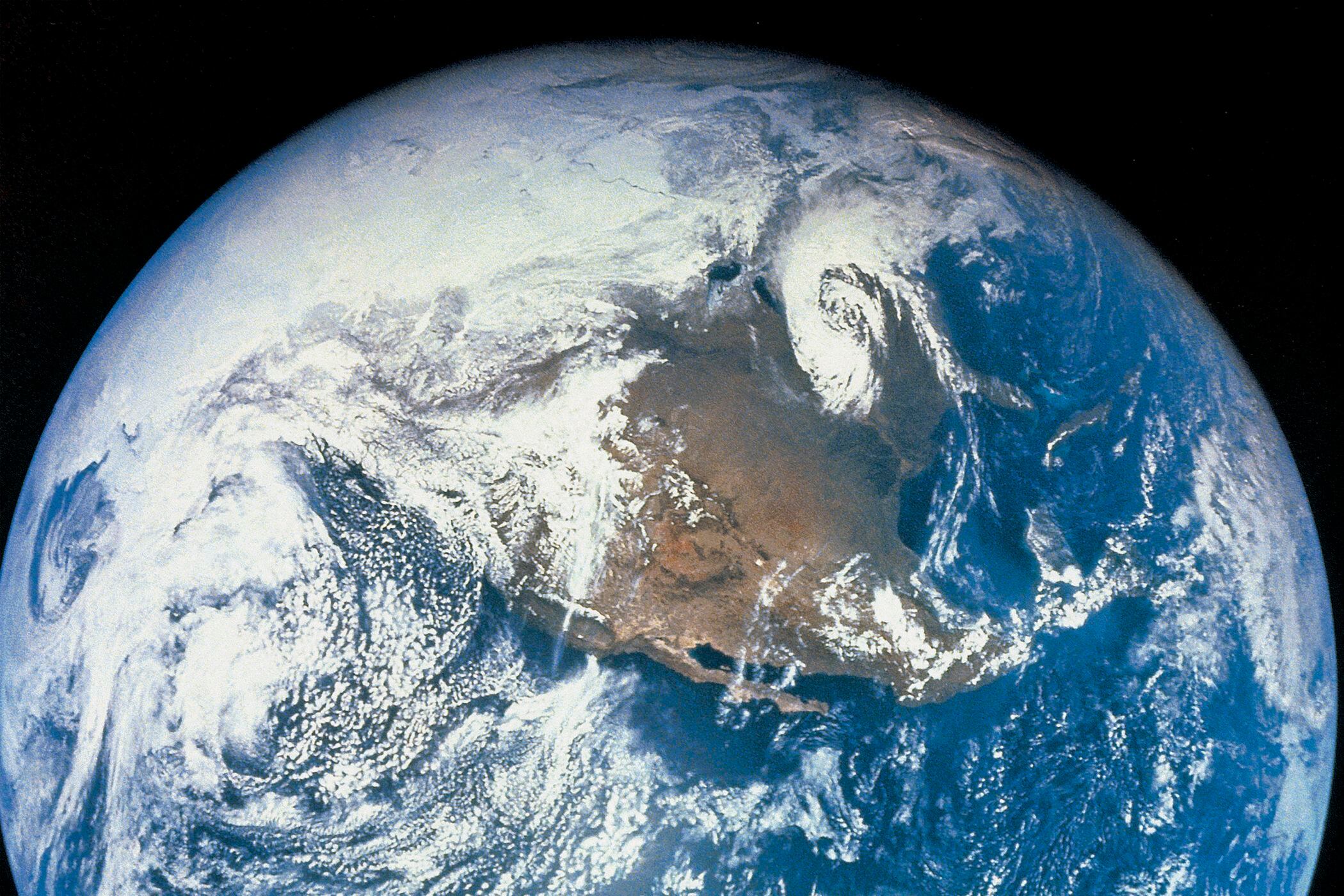
Despite a measurable impact that the COVID-19 pandemic made on carbon emissions throughout 2020, researchers are warning that to hold back climate change, nations need to keep pushing for reductions.
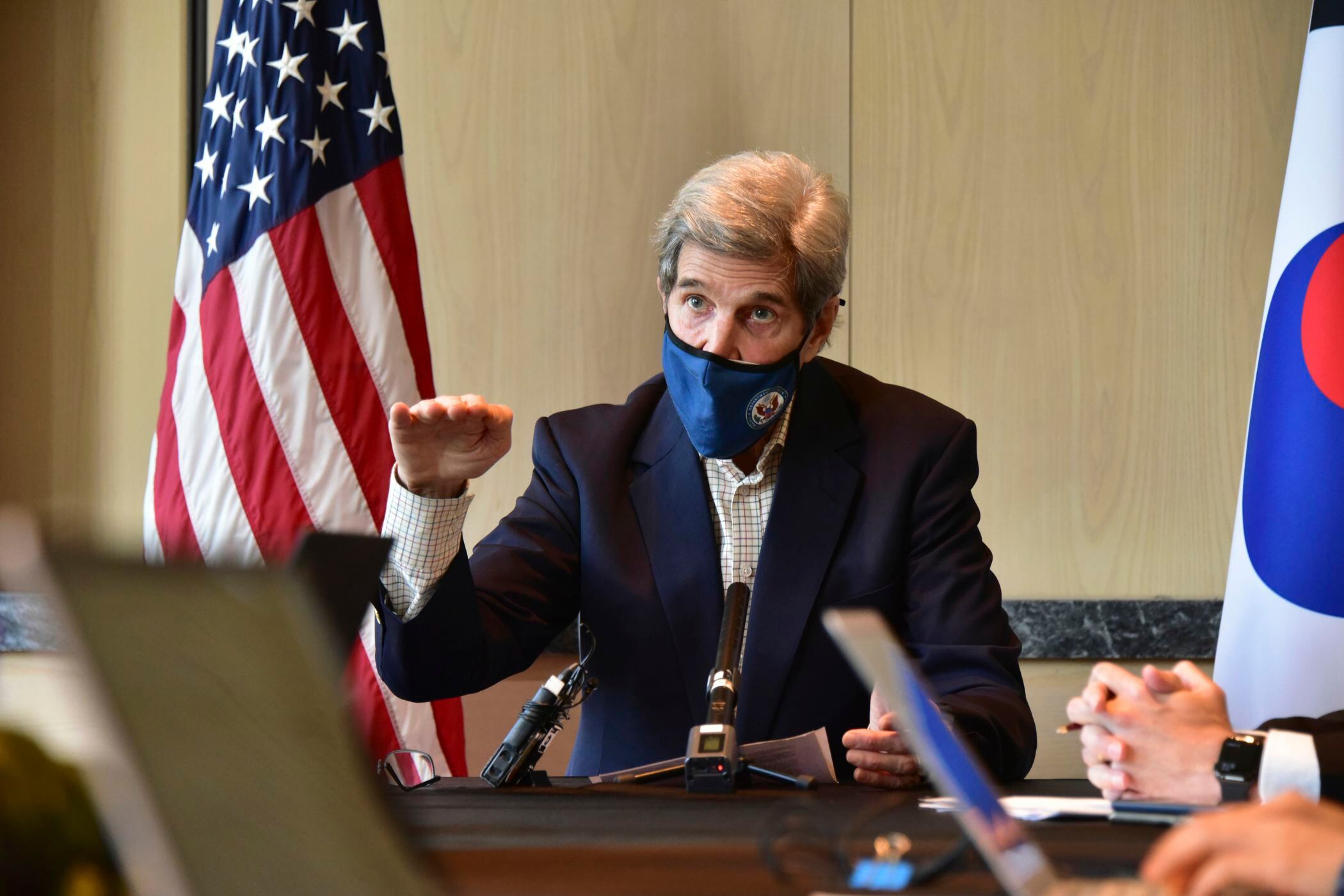
The United States and China, the world’s two biggest carbon polluters, have agreed to cooperate to curb climate change with urgency.
NASA's experimental Mars helicopter has taken flight. The little 4-pound helicopter named Ingenuity rose into the thin air above the dusty red surface of Mars on Monday, achieving the first powered flight by an aircraft on another planet.
From Wall Street to Silicon Valley, these are the top stories that moved markets and had investors, business leaders, and entrepreneurs talking this week on Cheddar.
Developers and architects have been searching for creative solutions to zoning regulations. What started as a creative solution is now the standard blueprint for all modern apartment construction.
Ideas about how to celebrate Earth Day, even as we continue to fight the COVID-19 pandemic.
Cheddar takes a closer look at the controversy surrounding COVID-19 "vaccine passports."
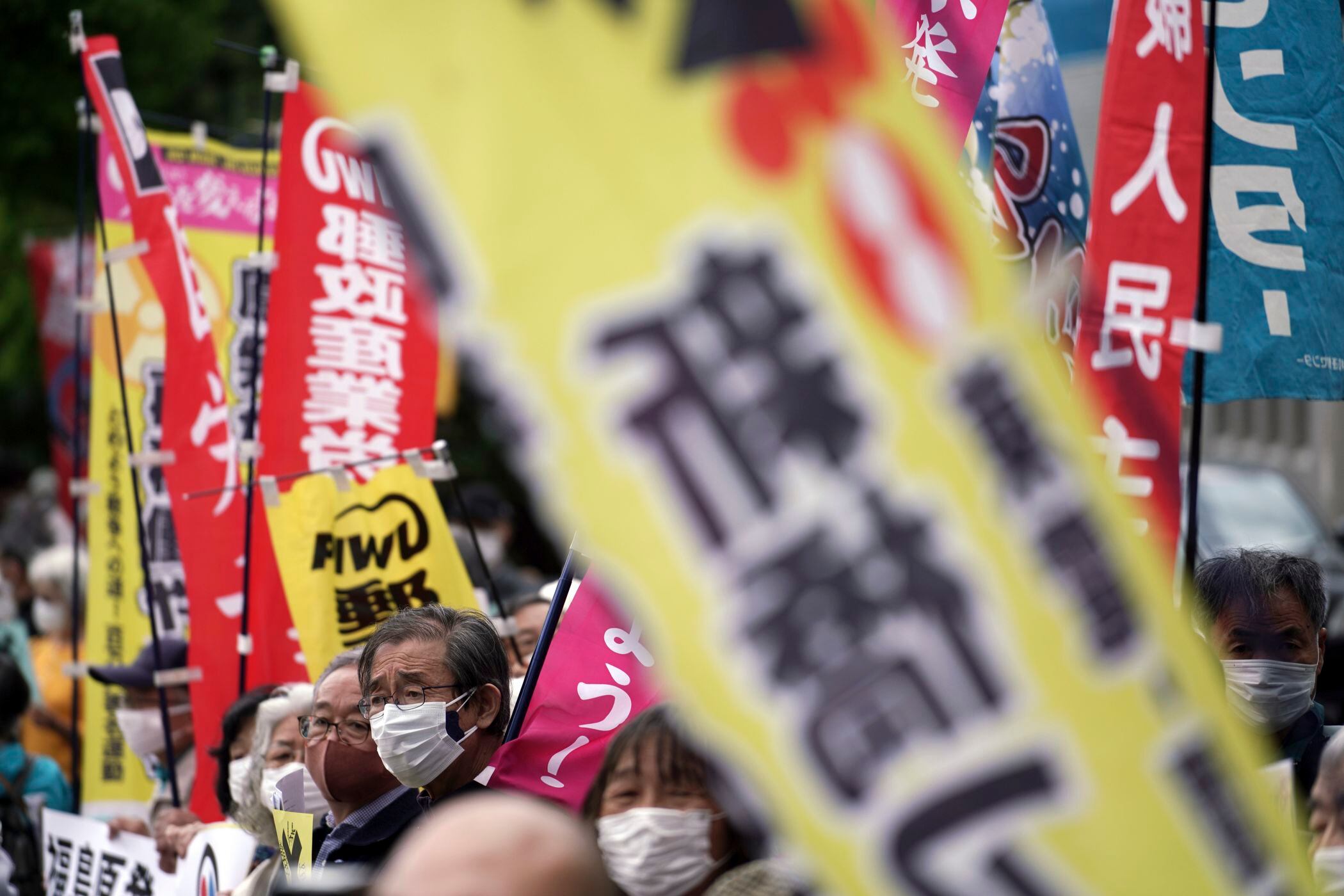
Japan’s government has decided to start releasing treated radioactive water from the wrecked Fukushima nuclear plant into the Pacific Ocean in two years.
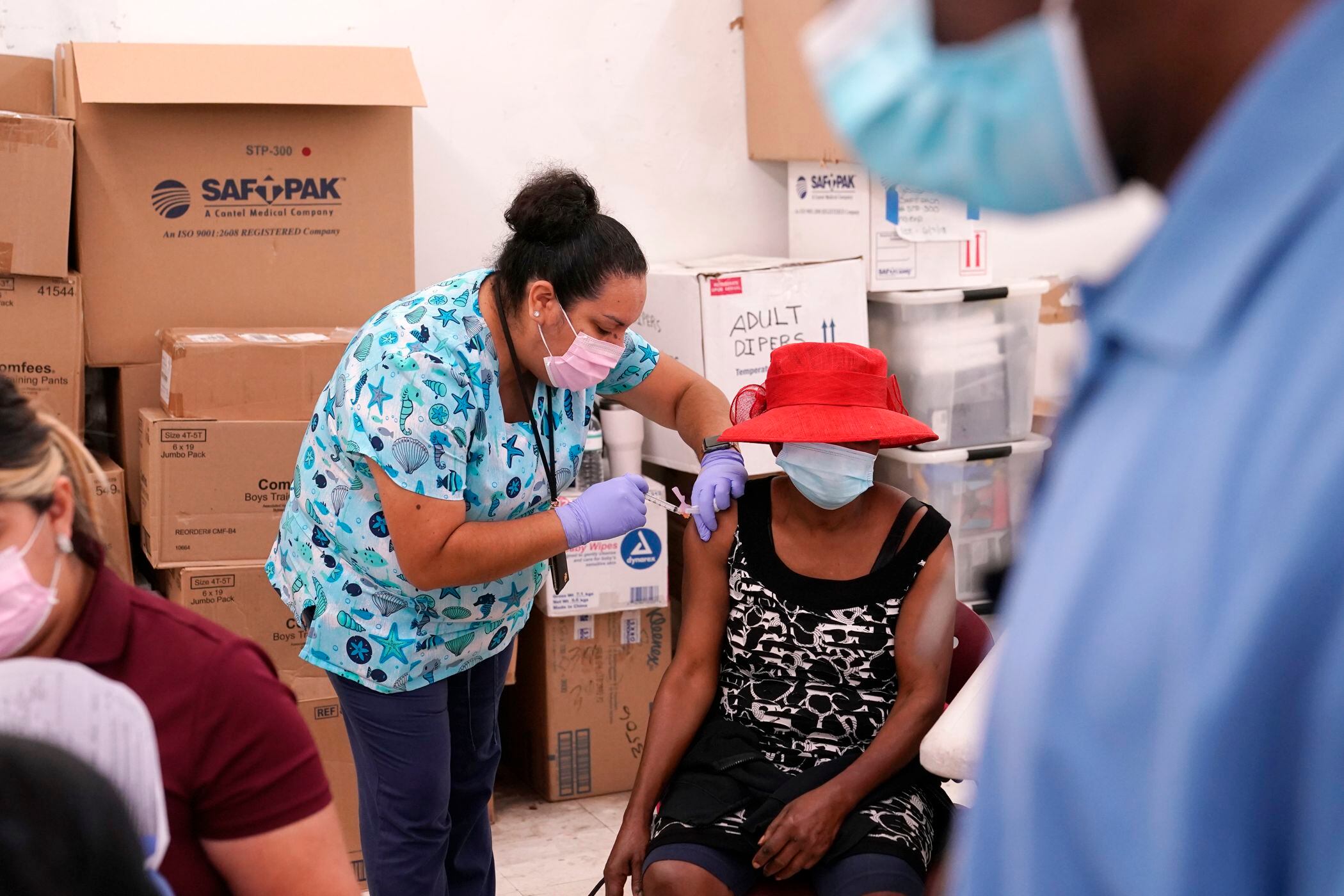
The U.S. is recommending a “pause” in administration of the single-dose Johnson & Johnson COVID-19 vaccine to investigate reports of potentially dangerous blood clots.
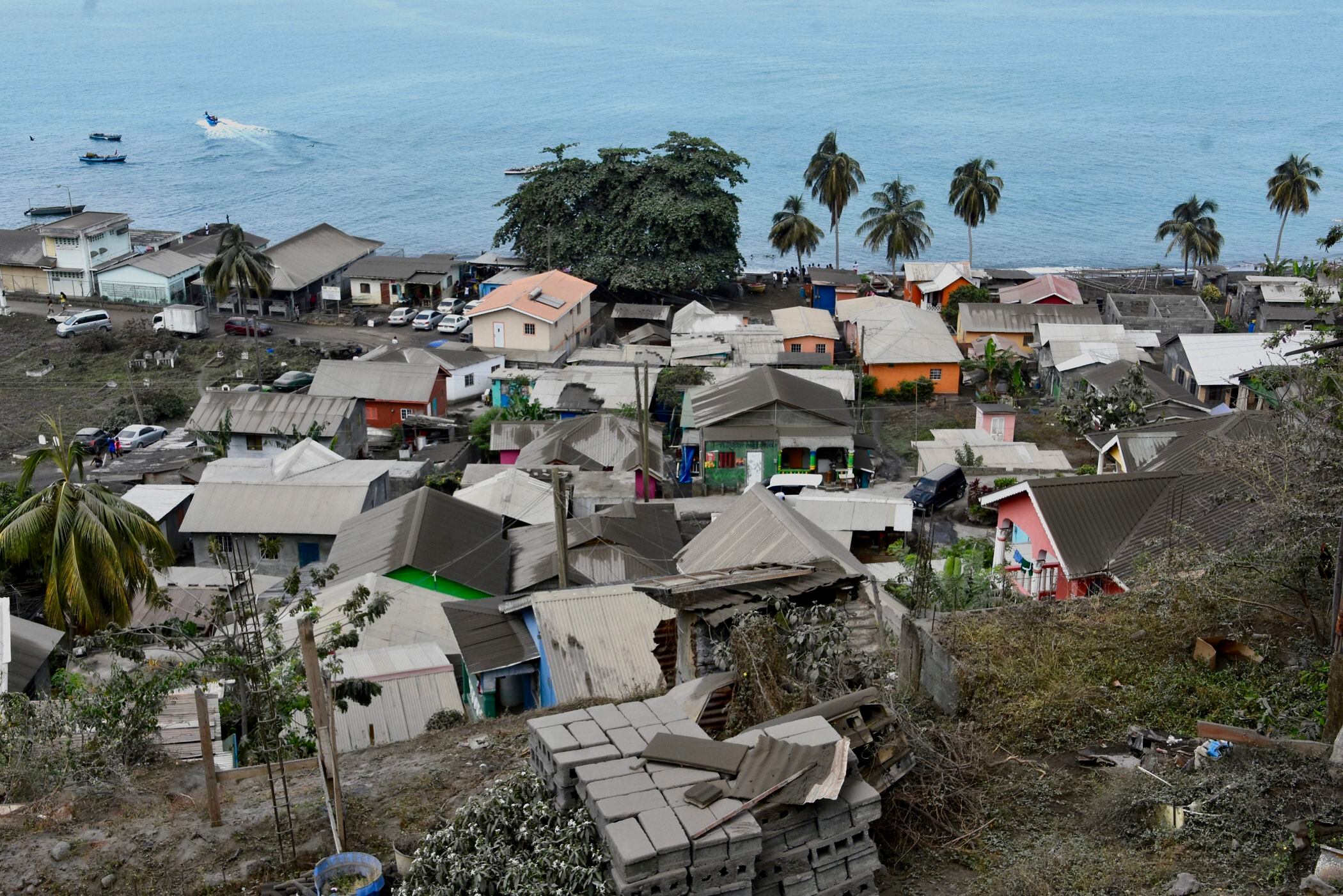
La Soufriere volcano has fired an enormous amount of ash and hot gas in the biggest explosive eruption yet since volcanic activity began on the eastern Caribbean island of St. Vincent late last week.