Dina Fine Maron, Editor of Health & Medicine at Scientific American, joins Cheddar to discuss some of the biggest changes to science regulations we'll see in 2018. From food labels to nonaddictive cigarettes, people need to be aware of what might affect their everyday lives.
A revamped nutrition label was slated to debut in July of 2018, however the Trump administration is giving companies a longer window. Major companies now have until 2020 and smaller companies have until 2021. The new labels will have more detail on added sugar and calorie count. However, critics say the delay could be a major blow to the public's health.
Plus, the U.S. Food and Drug Administration aims to create a nonaddictive cigarette with lower nicotine levels. It hopes this will help smokers quit. However, the agency opened up the conversation to the public for input which will ellicit some strong views from the tobacco industry.
An overnight stampede in Israel kills dozens, a look at the COVID disaster in Latin America, the economic repositioning in America, a new shortage to report and did people really answer the phone without Caller ID?
A new study of the world's 220,000 mountain glaciers finds that they are melting faster now than in the early 2000s.
China has launched the main module of its first permanent space station that will host astronauts long term.
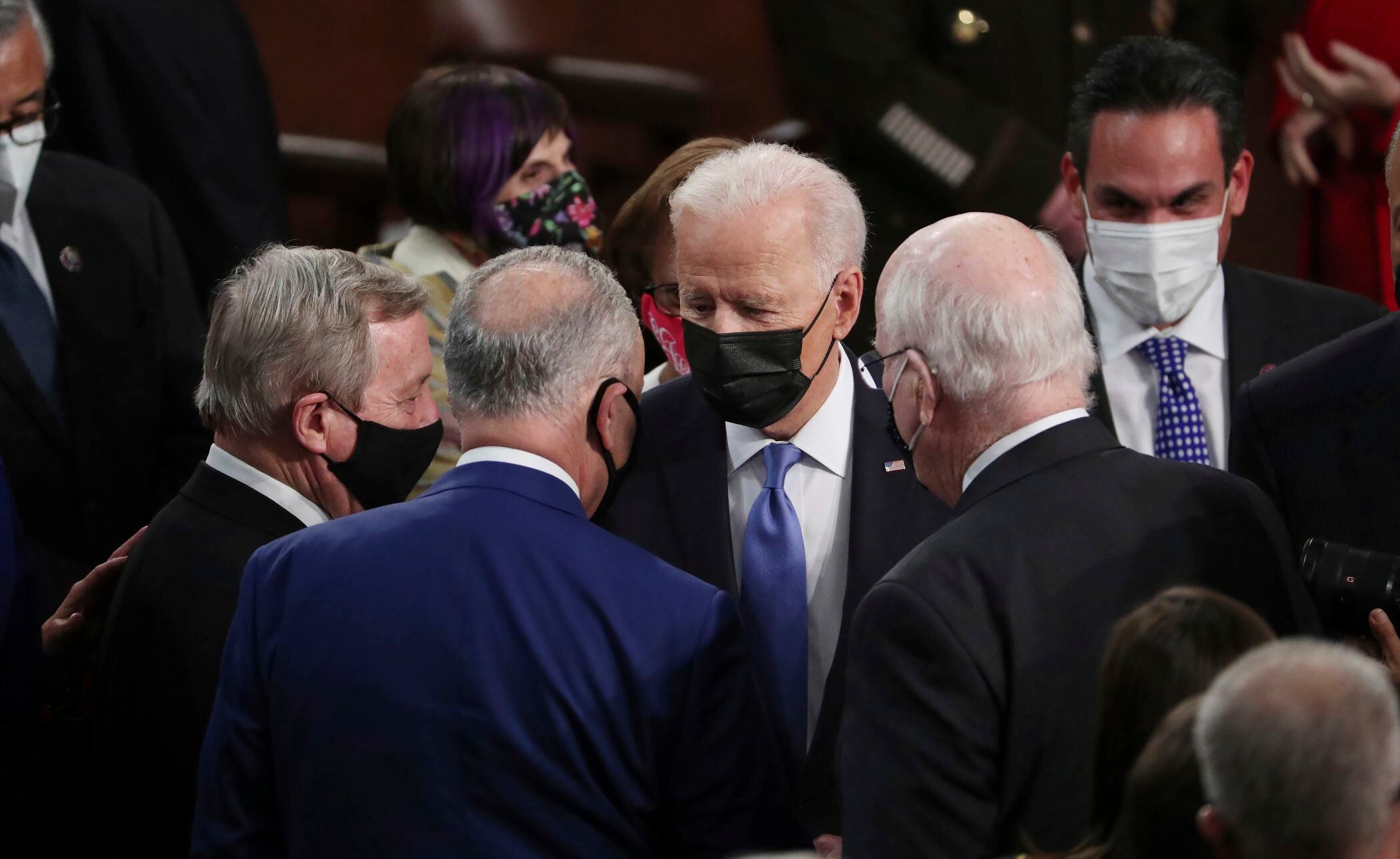
The headlines from President Biden's first speech to Congress, plus why he's got reason to be sounding optimistic about the state of the pandemic. And would you let a Walmart worker stock your fridge?
Jill and Carlo discuss the CDC's updated mask guidance, a deeper dive into the catastrophe in India, what POTUS will pitch to Congress, and the biggest public health breakthrough of the decade that you haven't heard about.
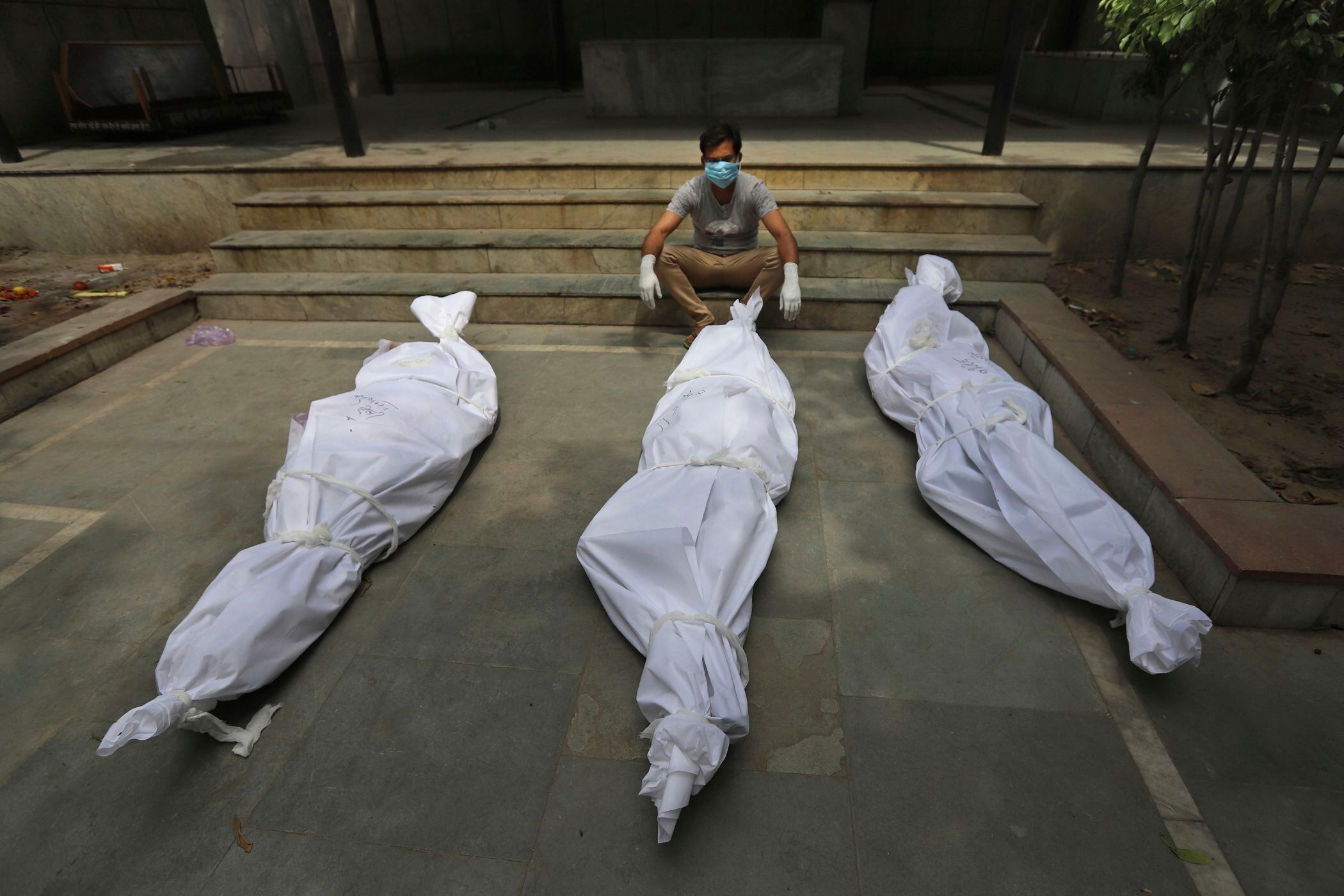
India’s official death toll has passed 200,000, but the true number is likely far higher.
MindMed CEO J.R. Rahn spoke to Cheddar about the psychedelic mental health therapy company taking the big step forward going public on the Nasdaq exchange.
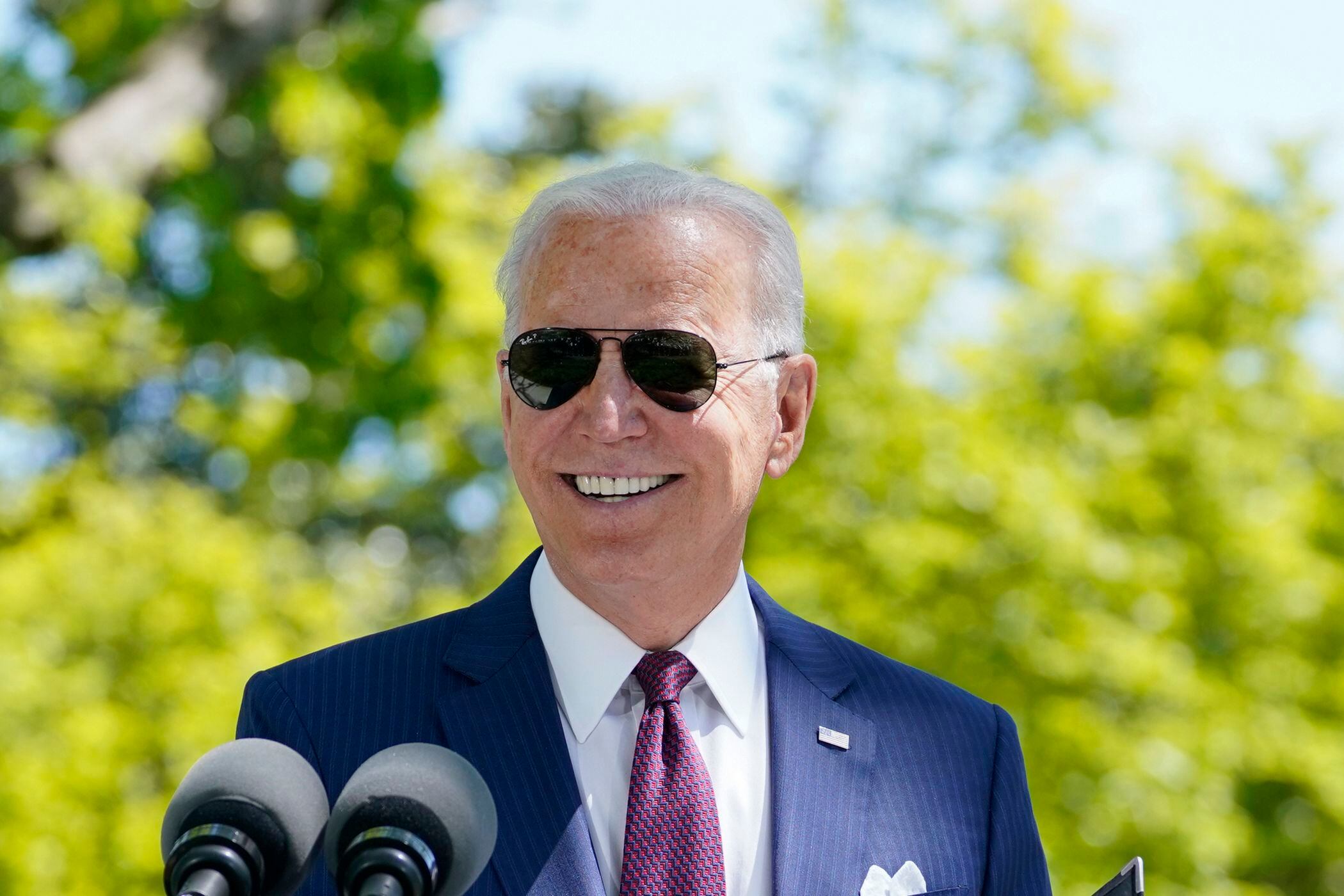
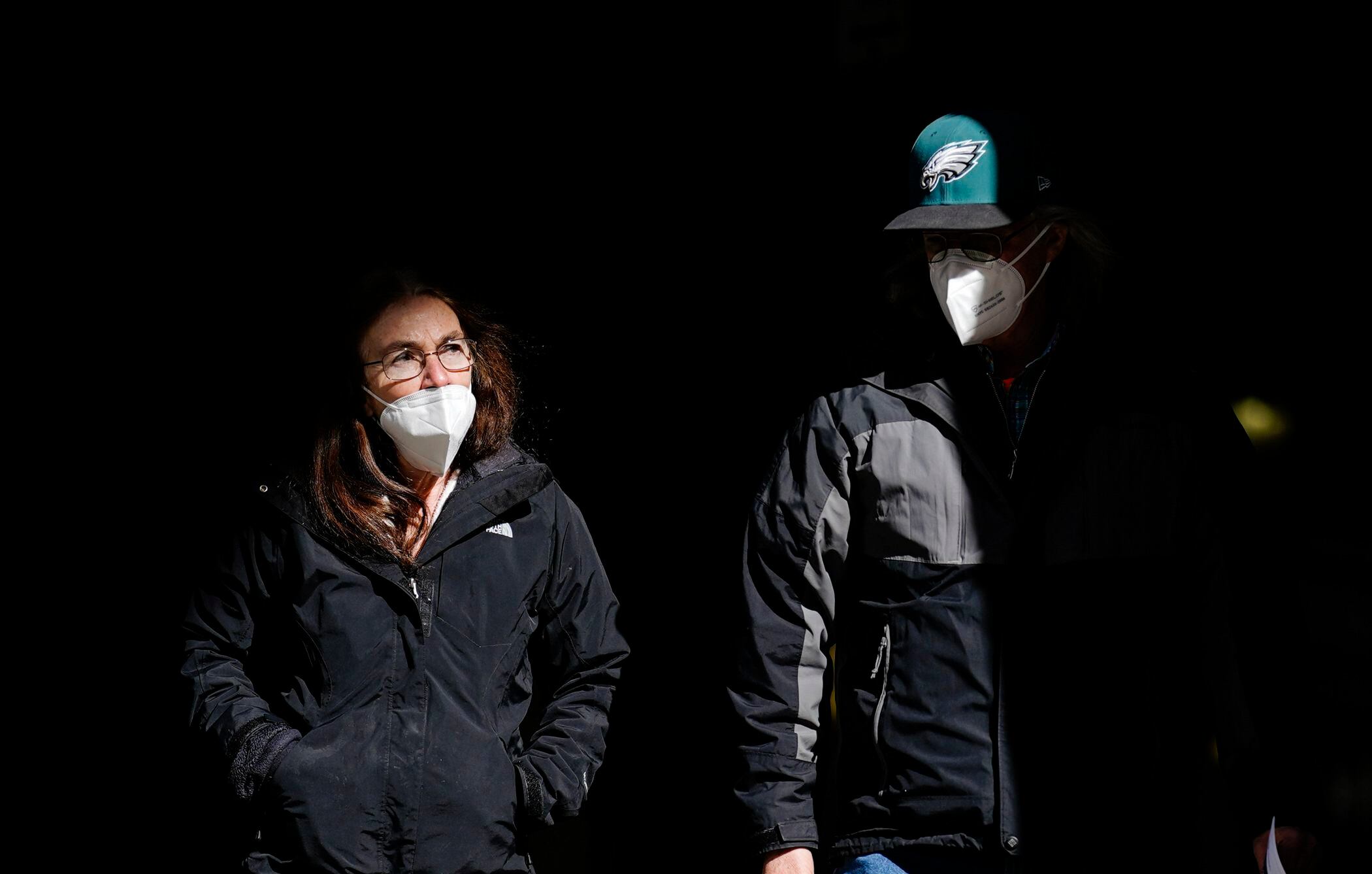
U.S. health officials say fully vaccinated Americans don't need to wear masks outdoors anymore unless they are in a big crowd of strangers.
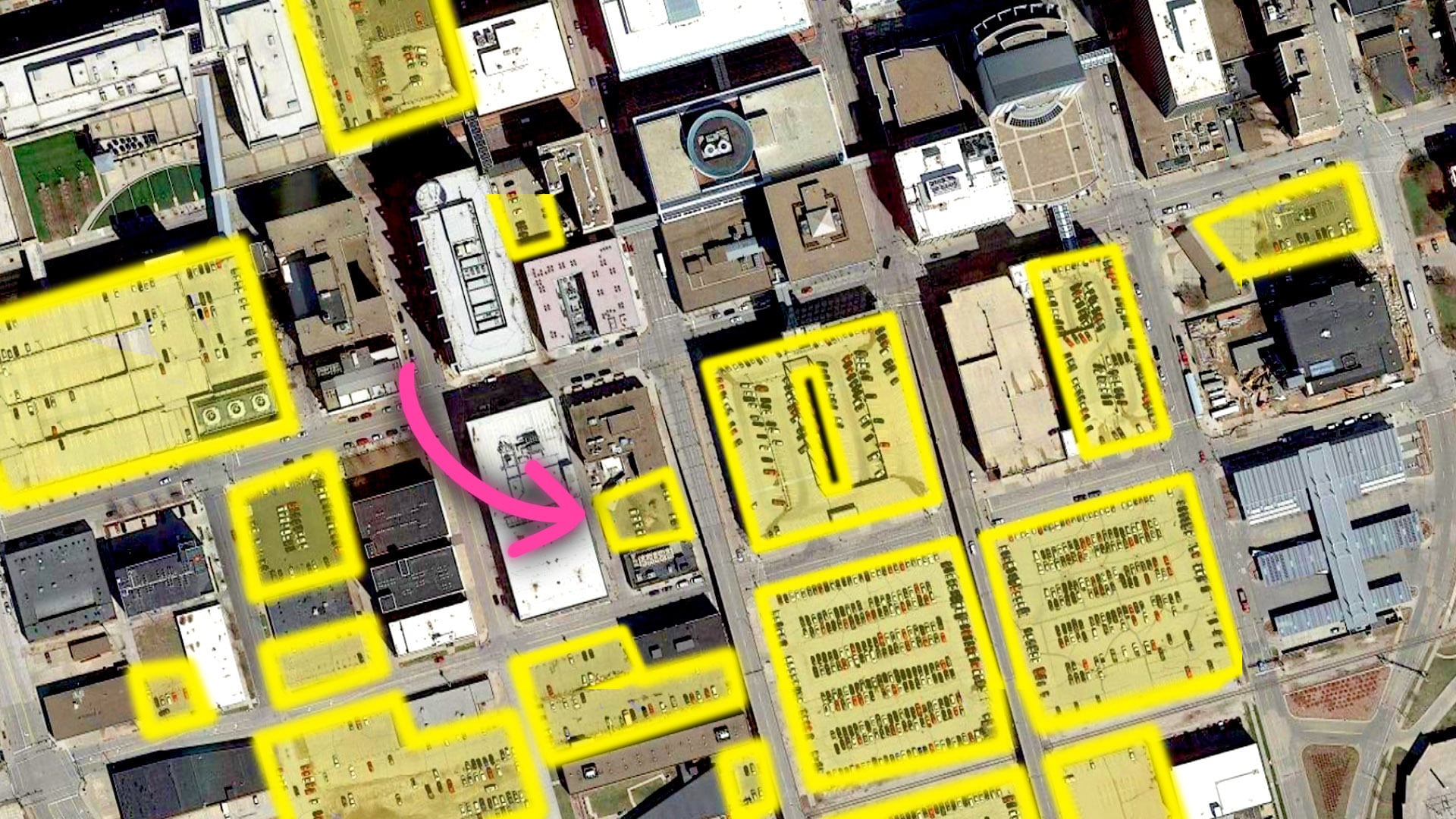
Car culture in the U.S. spurred a parking boom since the early 1900s. As a result, cities are chock full of parking lots and garages. Cheddar explains why this happened and the often unseen damage it's doing to our urban centers.
Jill and Carlo talk about optimism on the pandemic and economy, a big demographic shift that will have implications for the midterms, Apple rolling out its new privacy tool, and the Oscars ratings.