Dina Fine Maron, Editor of Health & Medicine at Scientific American, joins Cheddar to discuss some of the biggest changes to science regulations we'll see in 2018. From food labels to nonaddictive cigarettes, people need to be aware of what might affect their everyday lives.
A revamped nutrition label was slated to debut in July of 2018, however the Trump administration is giving companies a longer window. Major companies now have until 2020 and smaller companies have until 2021. The new labels will have more detail on added sugar and calorie count. However, critics say the delay could be a major blow to the public's health.
Plus, the U.S. Food and Drug Administration aims to create a nonaddictive cigarette with lower nicotine levels. It hopes this will help smokers quit. However, the agency opened up the conversation to the public for input which will ellicit some strong views from the tobacco industry.
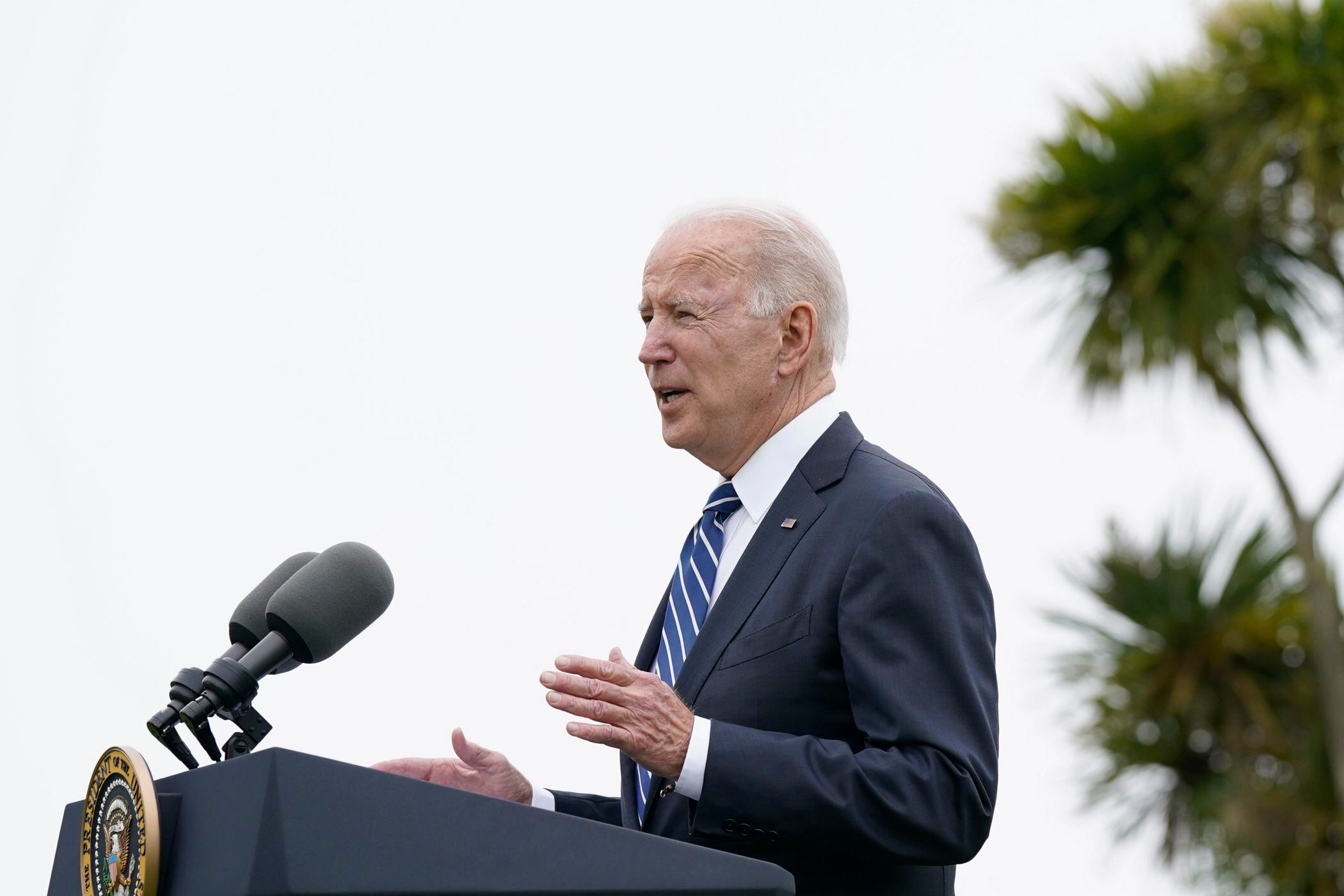
President Joe Biden is calling on global leaders to join him in sharing coronavirus vaccines with struggling nations around the world.
The NFL will spend up to $1 million funding up to five studies that will examine how to better help players ease their pain and find alternatives to opioids.
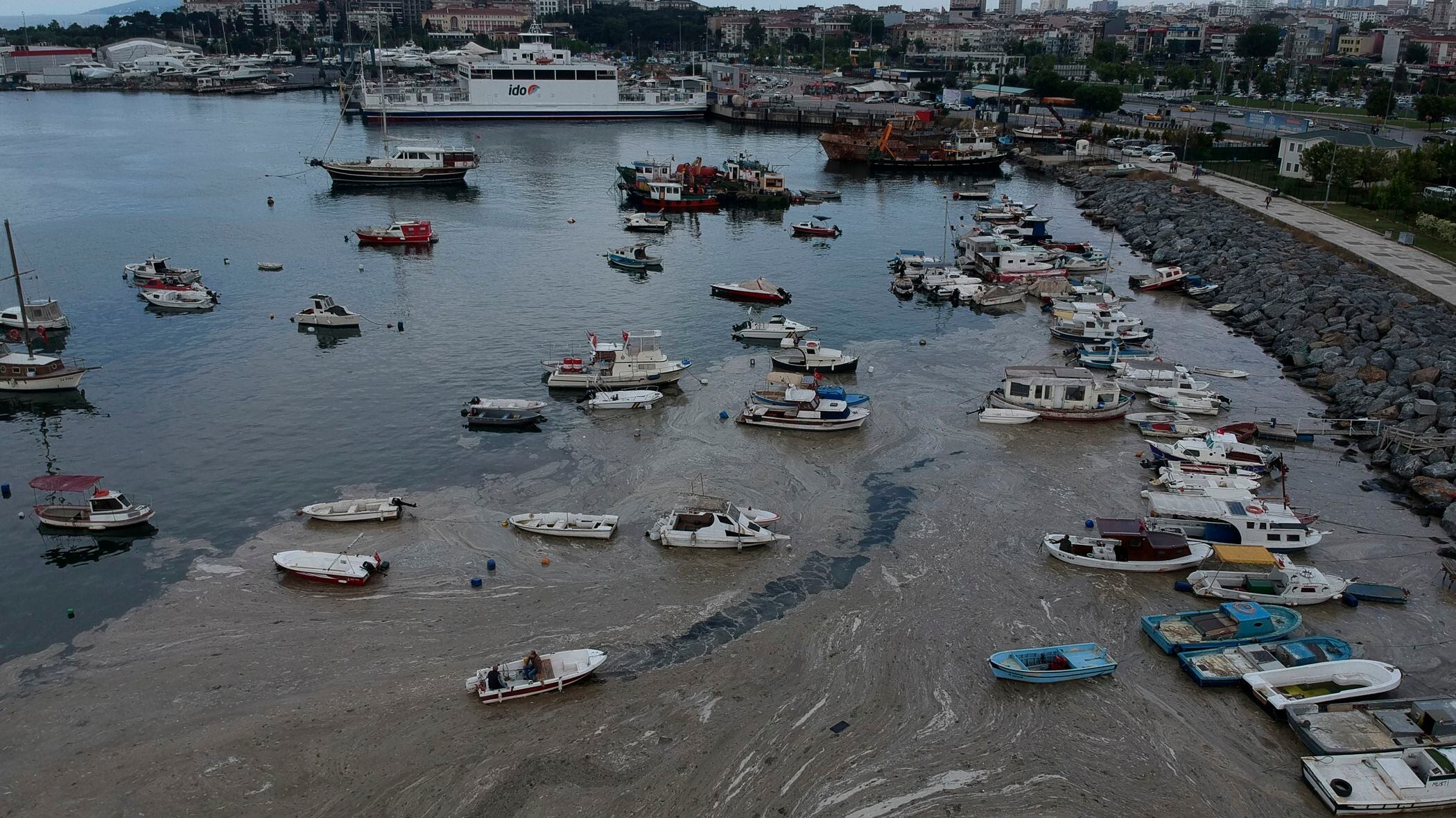
Turkey’s president has promised to rescue the Marmara Sea from an outbreak of “sea snot” that is alarming marine biologists and environmentalists.
Flights fell 55% in April 2020 compared to April 2019. So, it was shocking to a lot of people that the tiny Ted Stevens Anchorage Airport was bustling.
Government health officials have approved the first drug that they say may help slow Alzheimer’s disease.
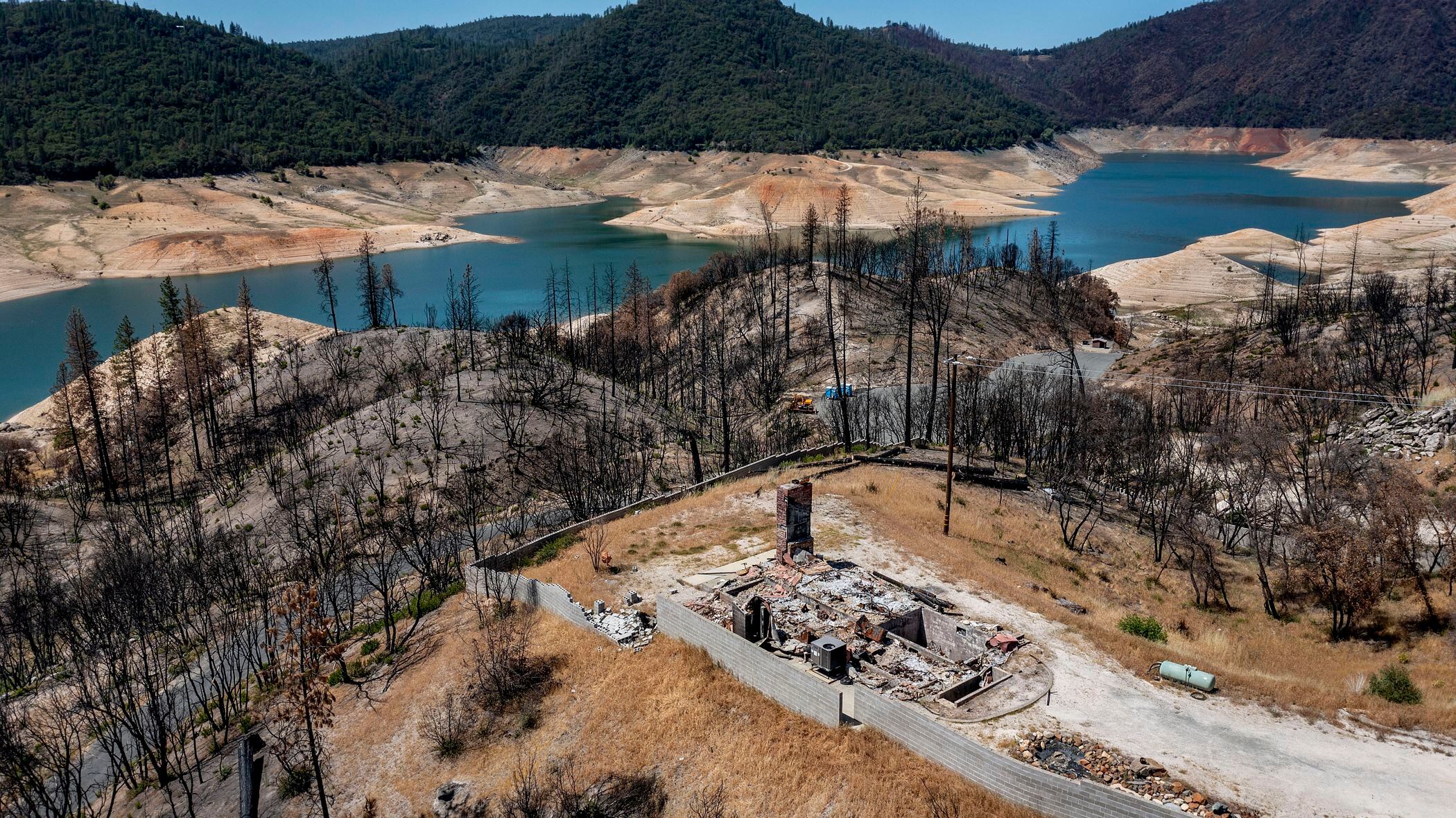
California's reservoirs are shrinking quickly as a drought grips the western United States.
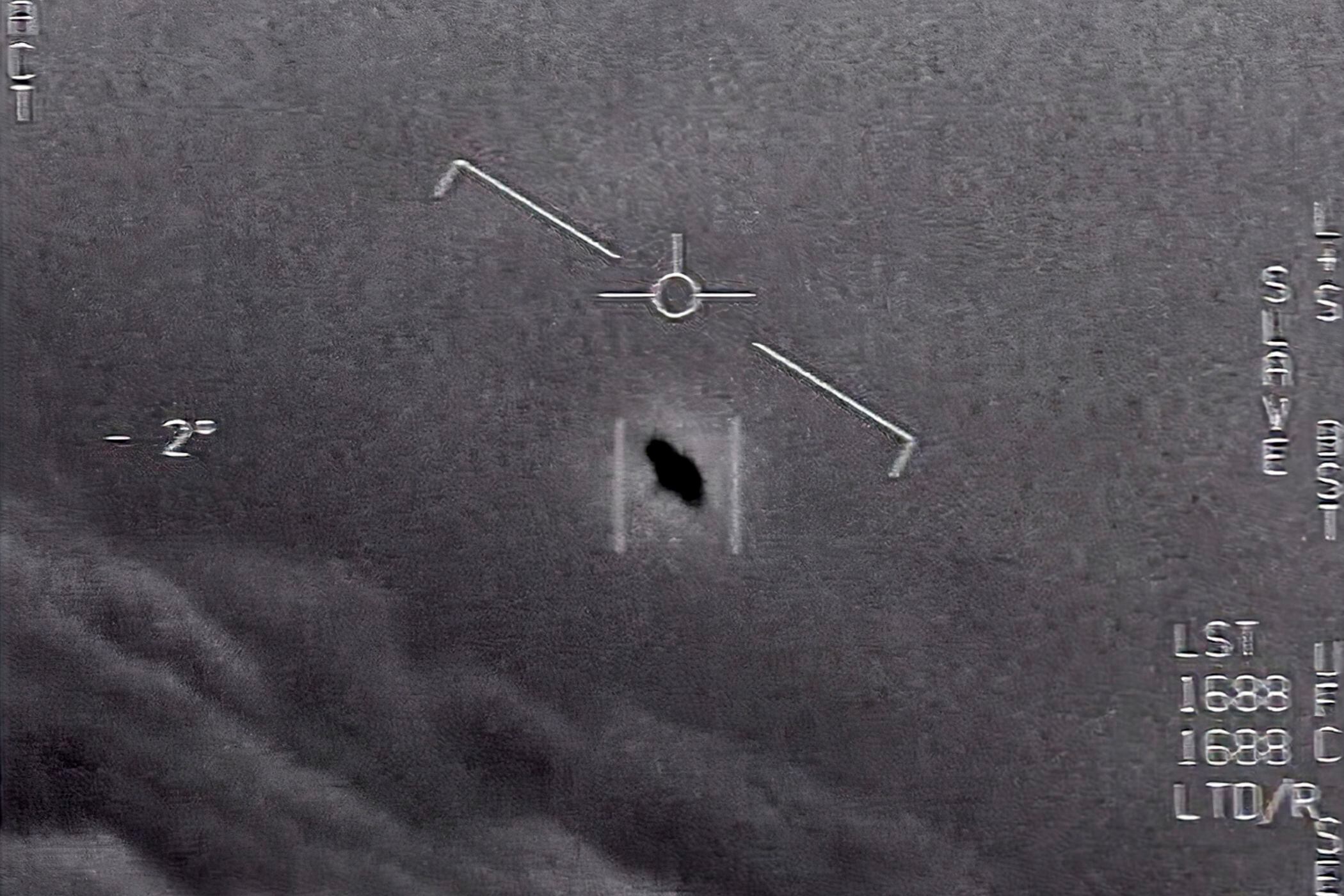
A new U.S. government report fails to give a definitive explanation of UFOs spotted by military pilots. It finds no evidence they are linked to aliens — but doesn't deny the possibility either.
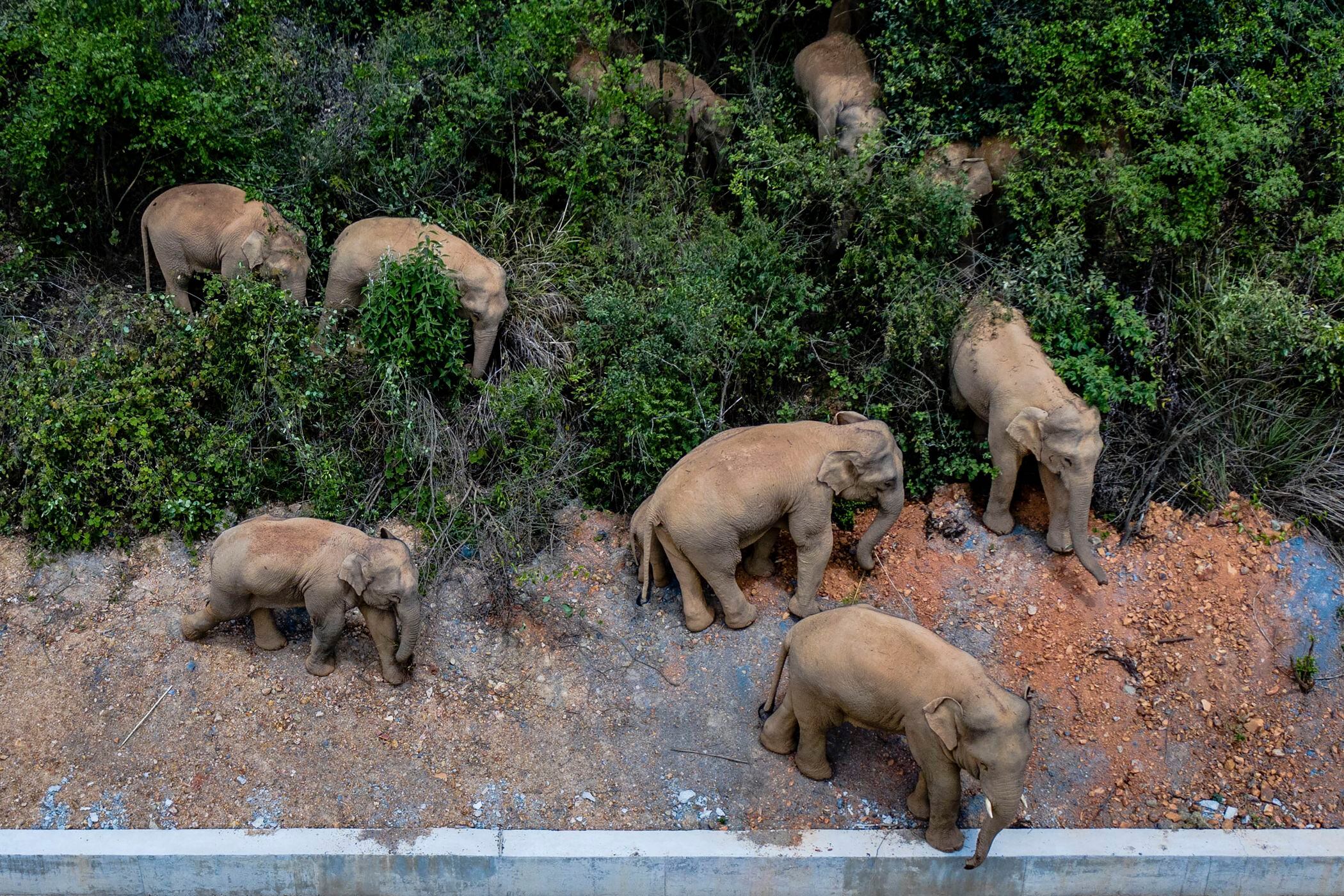
A wandering herd of 15 elephants have been journeying in southwestern China's Kunming, Yunnan Province as local authorities try to keep them away from populated areas.
Critics of bitcoin's energy use argue that its carbon footprint is way out of proportion with its social value, while supporters assert that bitcoin is no different than the rest of the financial system.
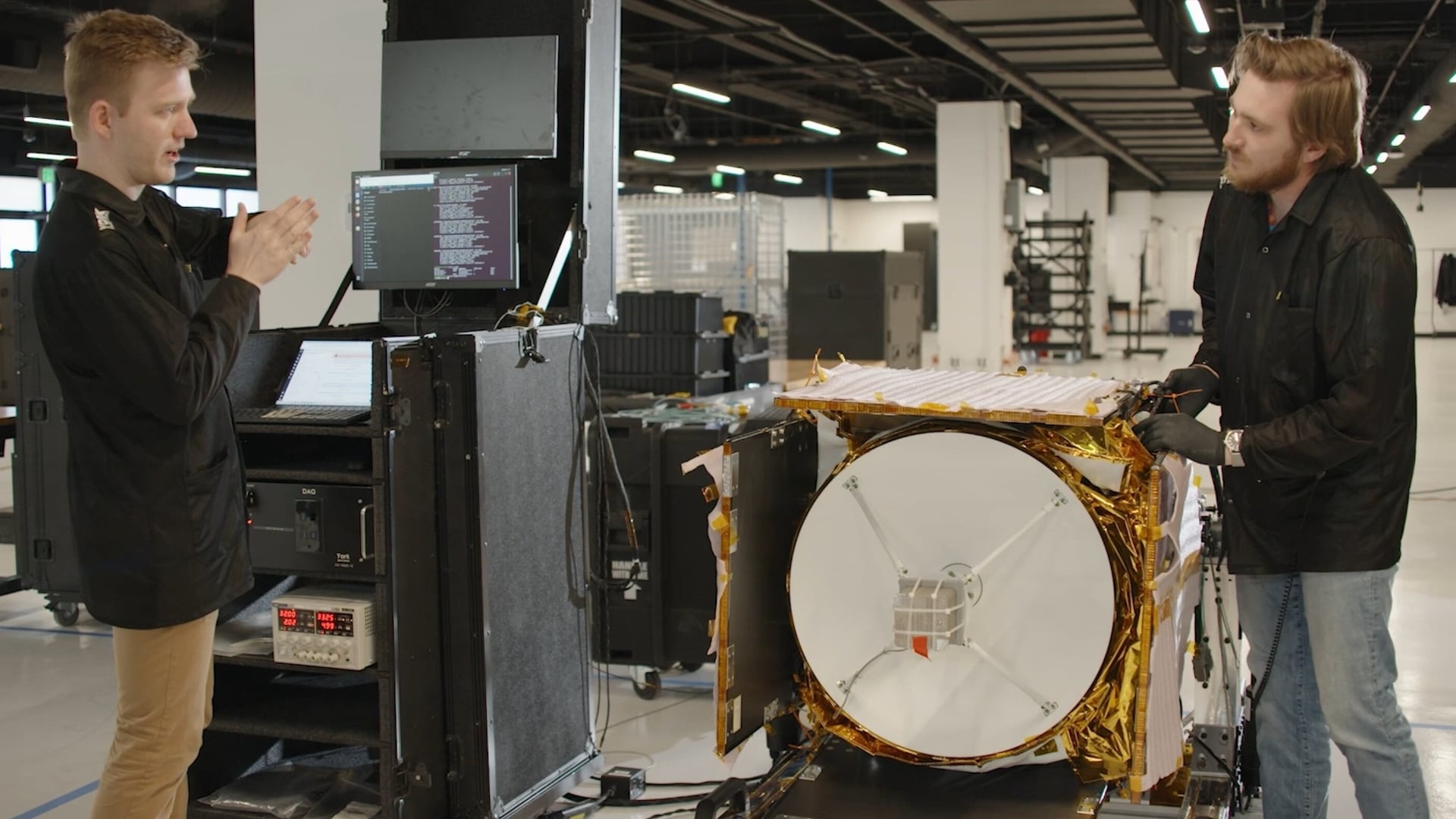
NASA is returning to sizzling Venus, our closest yet perhaps most overlooked neighbor, after decades of exploring other worlds.