Dina Fine Maron, Editor of Health & Medicine at Scientific American, joins Cheddar to discuss some of the biggest changes to science regulations we'll see in 2018. From food labels to nonaddictive cigarettes, people need to be aware of what might affect their everyday lives.
A revamped nutrition label was slated to debut in July of 2018, however the Trump administration is giving companies a longer window. Major companies now have until 2020 and smaller companies have until 2021. The new labels will have more detail on added sugar and calorie count. However, critics say the delay could be a major blow to the public's health.
Plus, the U.S. Food and Drug Administration aims to create a nonaddictive cigarette with lower nicotine levels. It hopes this will help smokers quit. However, the agency opened up the conversation to the public for input which will ellicit some strong views from the tobacco industry.
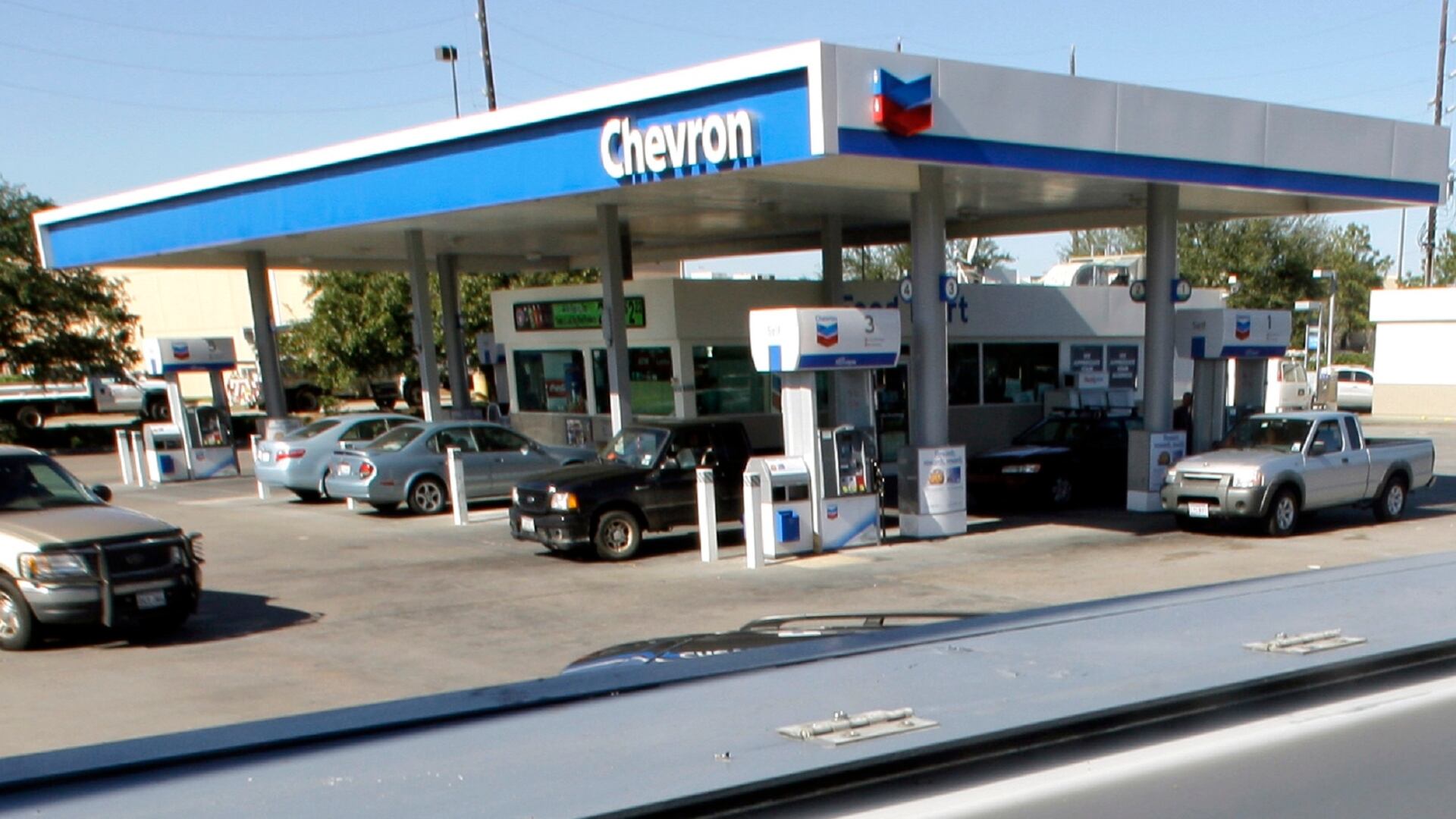
Energy company Chevron has set a goal to reduce its operational carbon footprint to net zero by 2050. However, the company has not committed to reducing emissions on its gas and oil products.
Google's users will now have extensive greener options. The updated services across platforms will allow users to look for eco-friendly routes in Google Maps, book flights with low carbon emissions, and reduce energy usage at home with Nest thermostats.
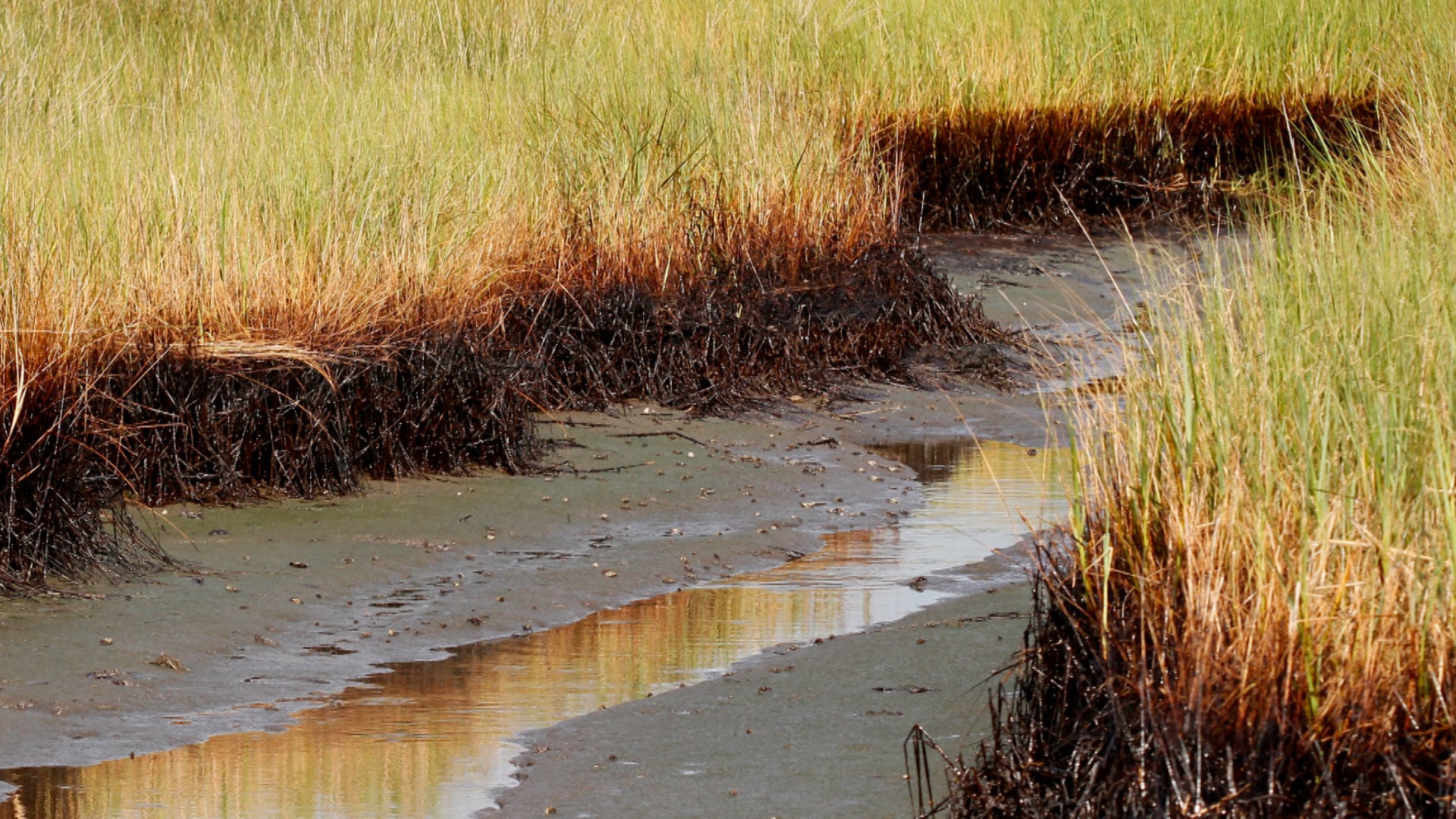
The recent California oil spill has wreaked havoc on the shores of Huntington Beach as wildlife habitats and potentially some people have been exposed to the 140,000+ gallons of oil in the ocean. Cheddar News was joined by Dr. Deborah Bronsan, President of Deborah Bronson & Associates to learn more about the environmental dangers and how the area can recover from this tragedy.
Blue Bear Capital, a venture and growth equity firm focusing on AI-powered solutions for the world’s energy, infrastructure, and climate challenges, recently announced it has raised $150 million dollars in new funding. Ernst Sack, Partner at Blue Bear Capital, joins Cheddar Climate the vision his company has when it comes to combating climate change.
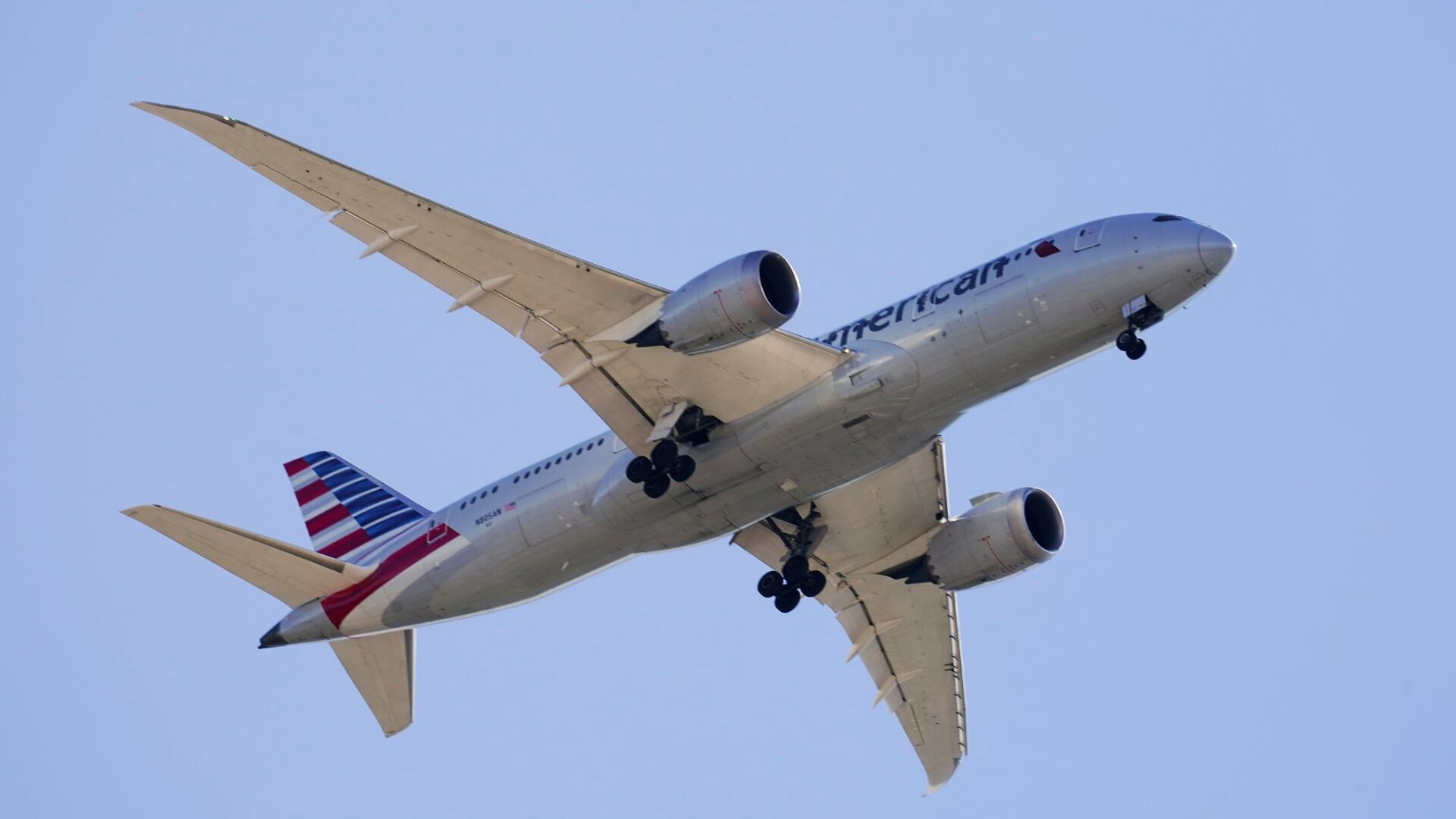
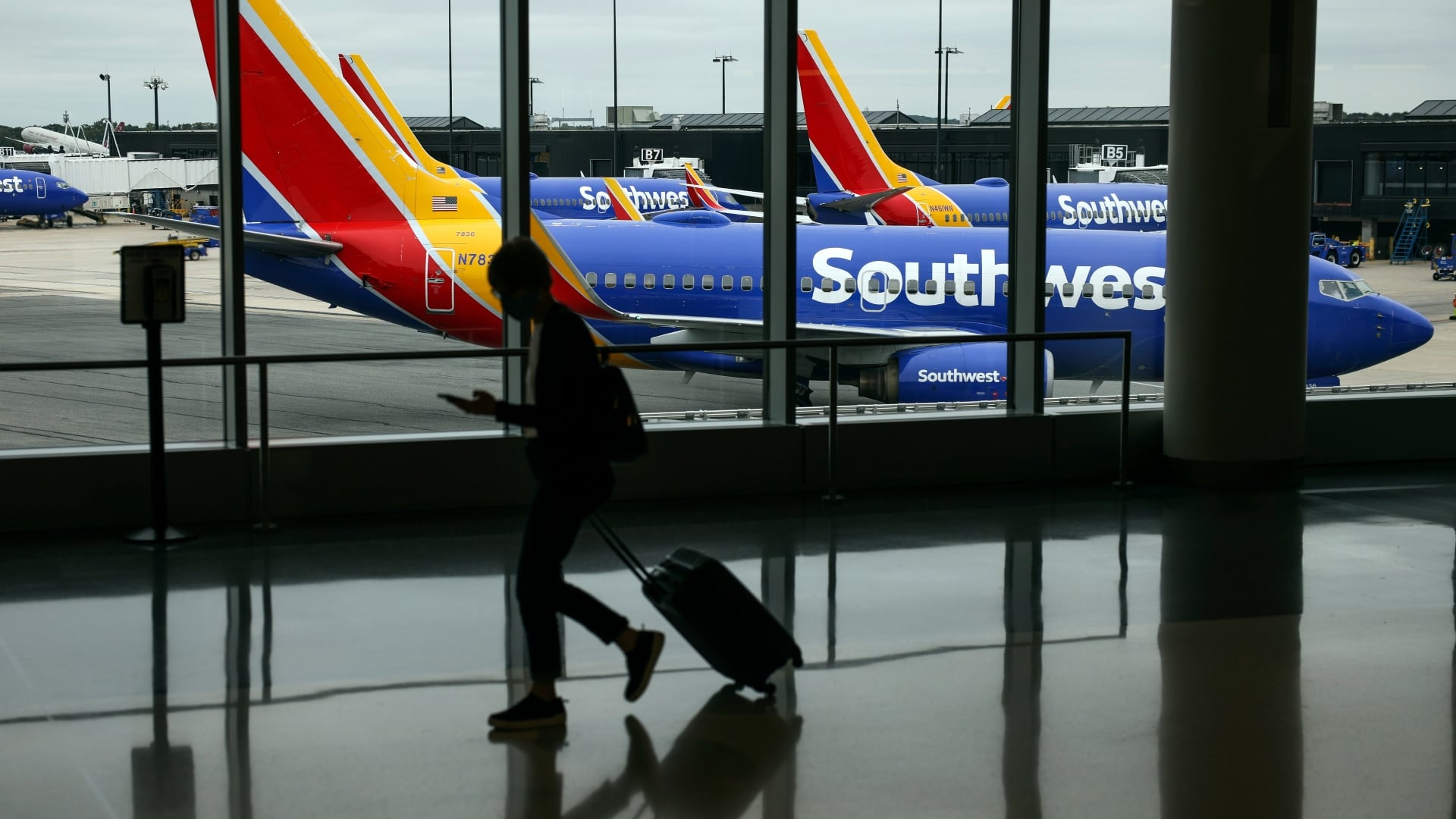
Several major carriers have followed in the steps of United Airlines and will now require its staff to be vaccinated against COVID-19. Those airlines include American, Jet Blue, and Alaskan.