Dina Fine Maron, Editor of Health & Medicine at Scientific American, joins Cheddar to discuss some of the biggest changes to science regulations we'll see in 2018. From food labels to nonaddictive cigarettes, people need to be aware of what might affect their everyday lives.
A revamped nutrition label was slated to debut in July of 2018, however the Trump administration is giving companies a longer window. Major companies now have until 2020 and smaller companies have until 2021. The new labels will have more detail on added sugar and calorie count. However, critics say the delay could be a major blow to the public's health.
Plus, the U.S. Food and Drug Administration aims to create a nonaddictive cigarette with lower nicotine levels. It hopes this will help smokers quit. However, the agency opened up the conversation to the public for input which will ellicit some strong views from the tobacco industry.
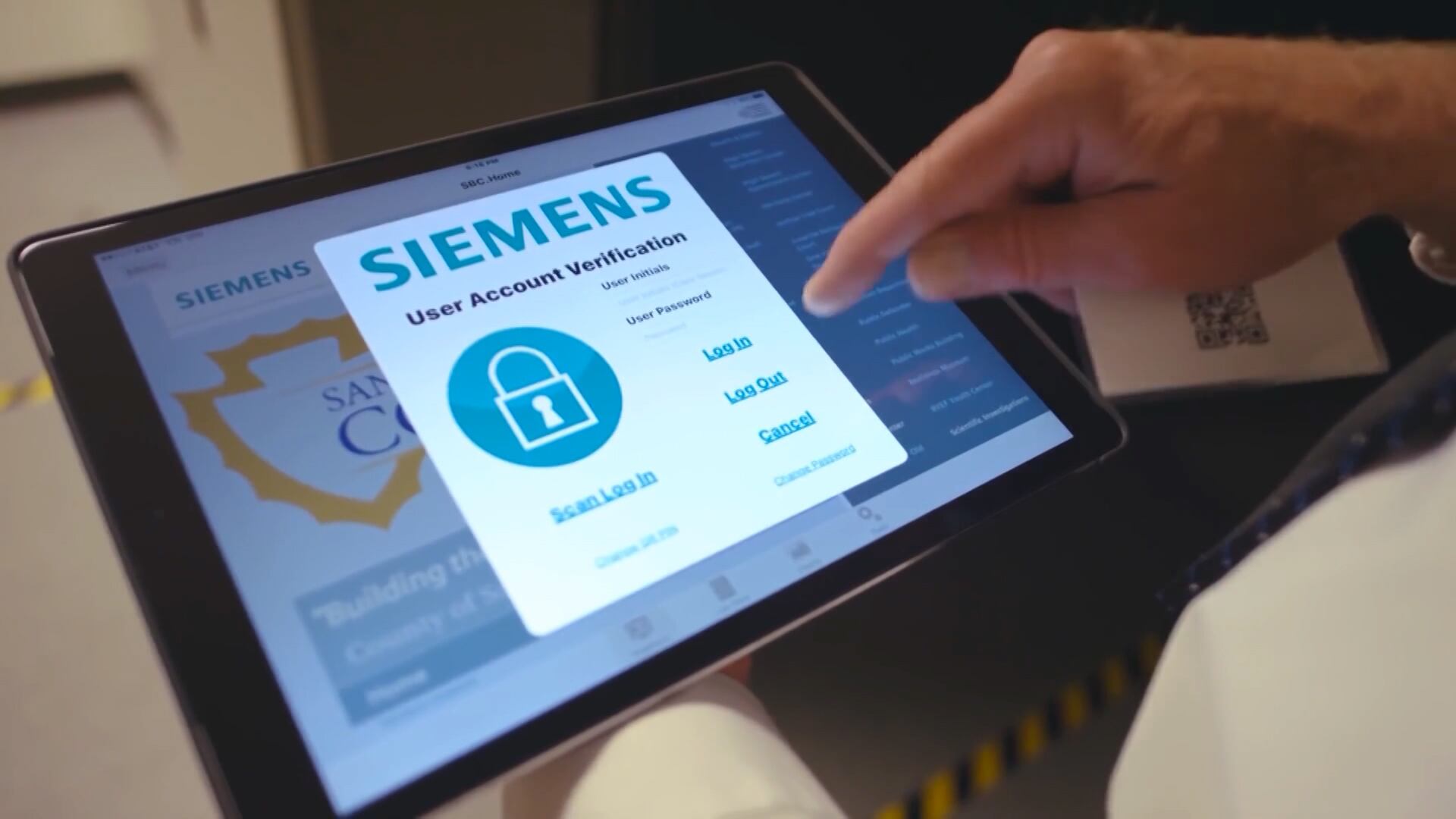
The United Nations COP26 climate talks are scheduled for October 31 to November 12 in Glasgow, Scotland. Heads of state will be joined by private sector leaders to once again discuss the shrinking window of time left to take action against global temperature rise. Barbara Humpton, CEO of focused technology company Siemens U.S., is also attending and spoke to Cheddar about what she hopes to see during the conference for both the public and private spheres. "What we are really urging is that there are large commitments made in Glasgow and that we really commit to this next decade of action," she said.
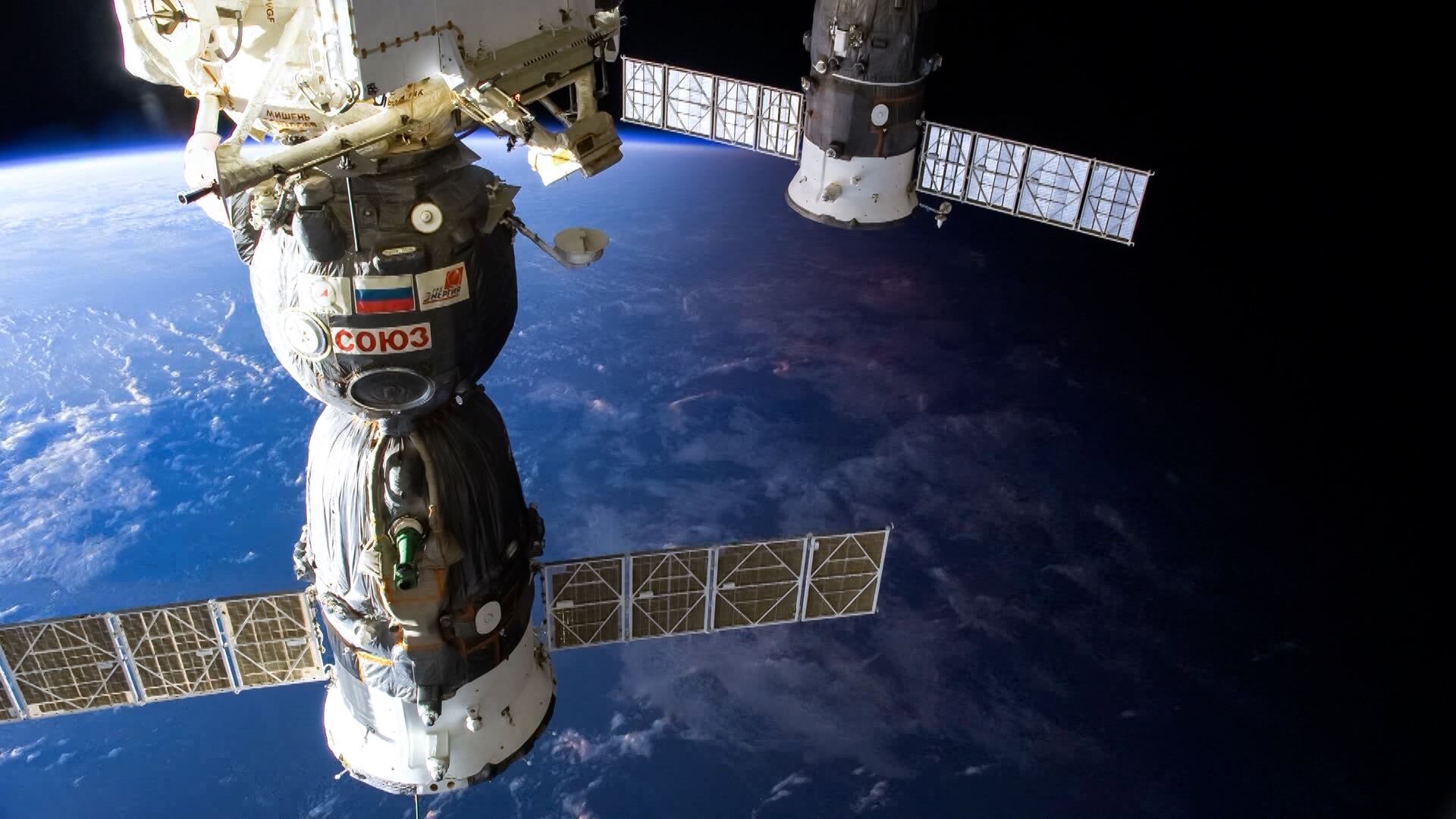
Voyager, Nanoracks, and Lockheed Martin are all teaming up to develop the first-ever free-flying commercial space station with room for a crew of four astronauts. The private companies are joining forces as part of NASA’s greater mission to retire the International Space Station by the year 2030. The low-earth orbit space station will be called "Starlab," and is planned to achieve operational capability by 2027. Lisa Callahan, Vice President and General Manager of Commercial Civil Space at Lockheed Martin, and Matthew J. Kuta, President and Chief Operating Officer of Voyager Space, joined Cheddar’s Opening Bell.
Jill and Carlo cover the latest developments in the Alec Baldwin prop gun shooting, when vaccines for kids as young as 5 should be approved, new reporting on Facebook and more.
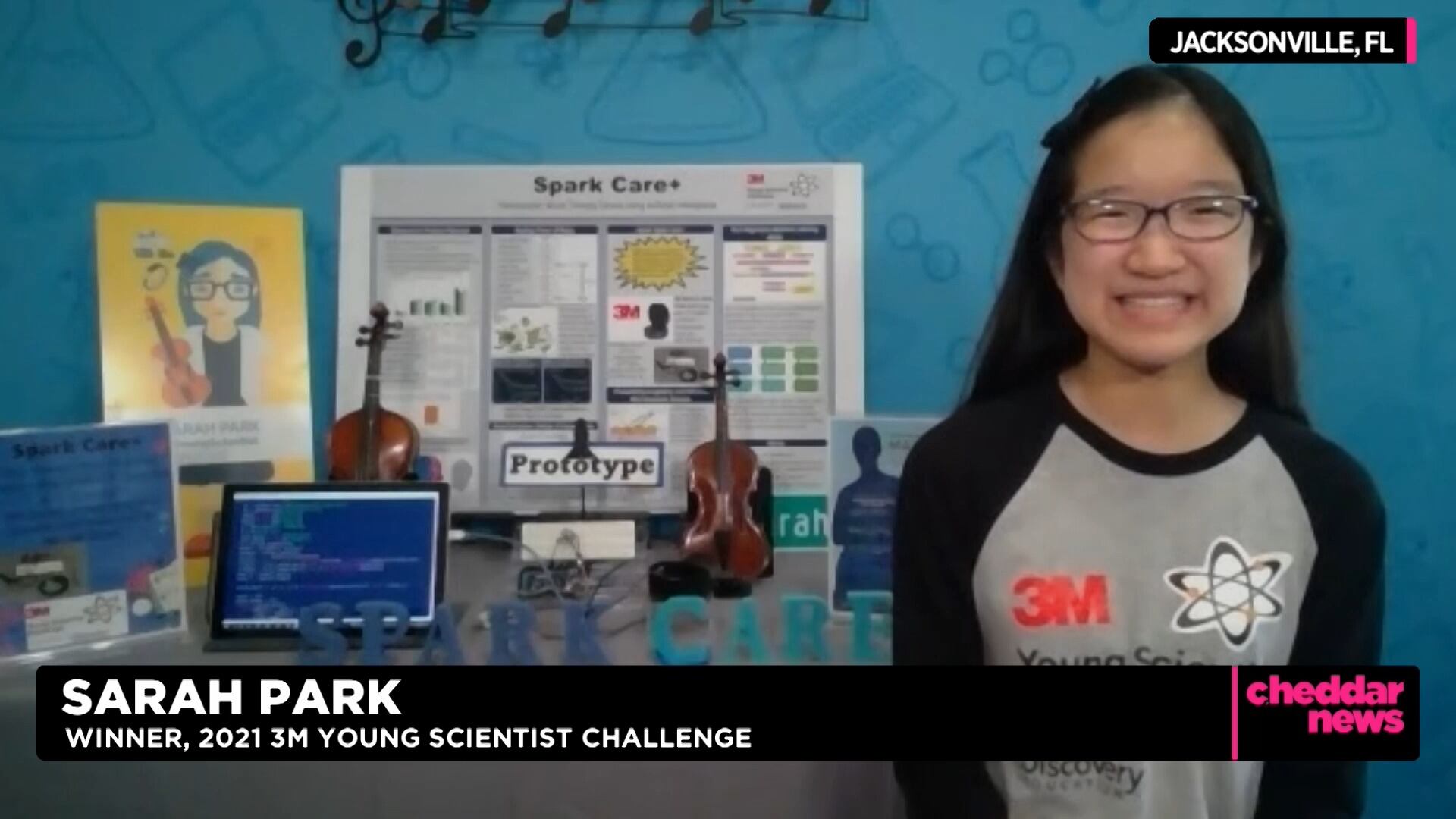
Middle school students from across the country battled it out for a chance at being crowned 'America's Top Scientist.' Each applicant had to submit a video to compete in the '3M Young Scientist Challenge' and describe a unique solution to an everyday problem for the chance to win $25,000. 10 finalists were chosen and after a two-day virtual competition, one walked away with the title. 14-year-old Sarah Park won the award, she joins Cheddar News to talk about her invention Spark Care+.
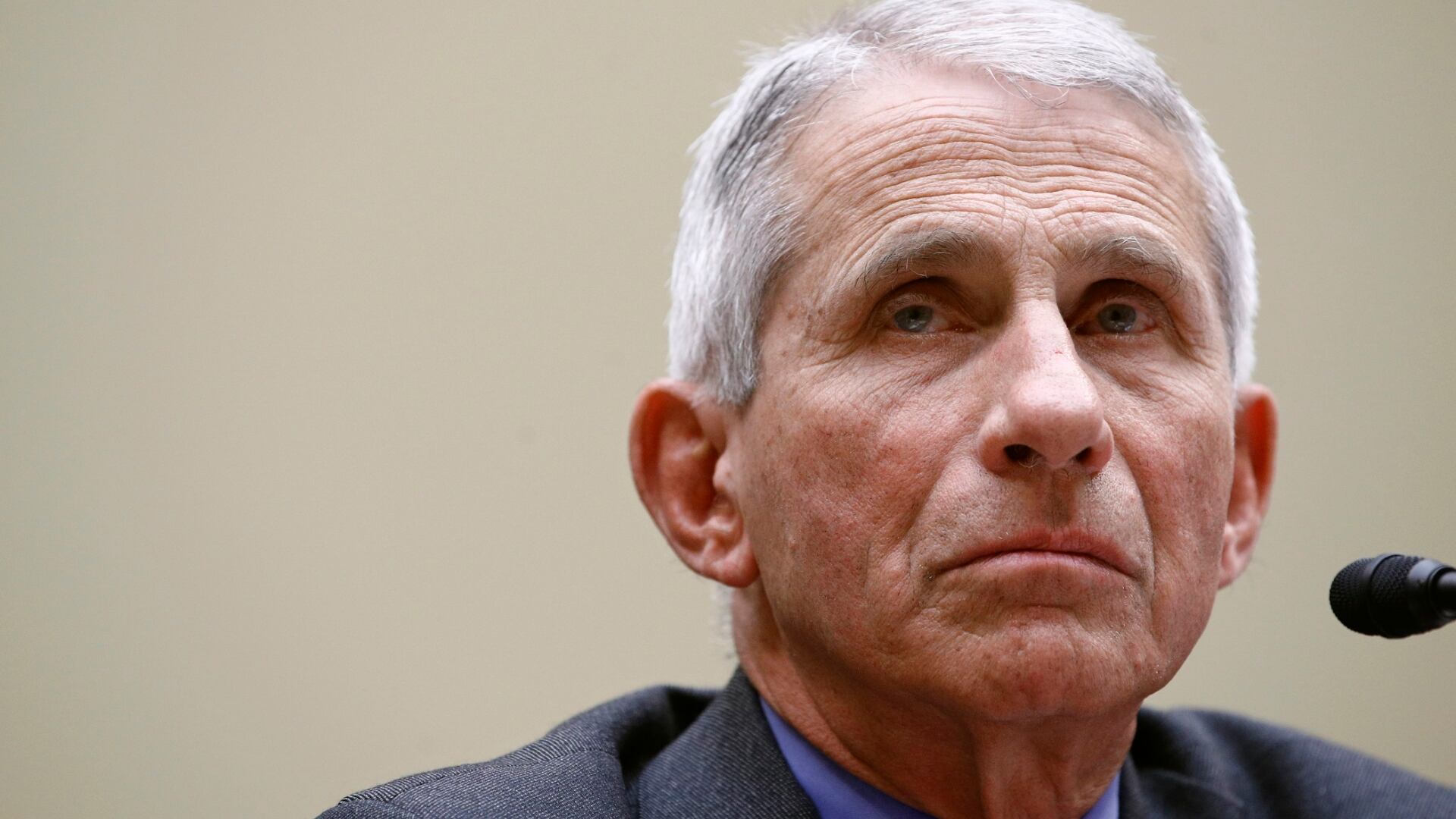
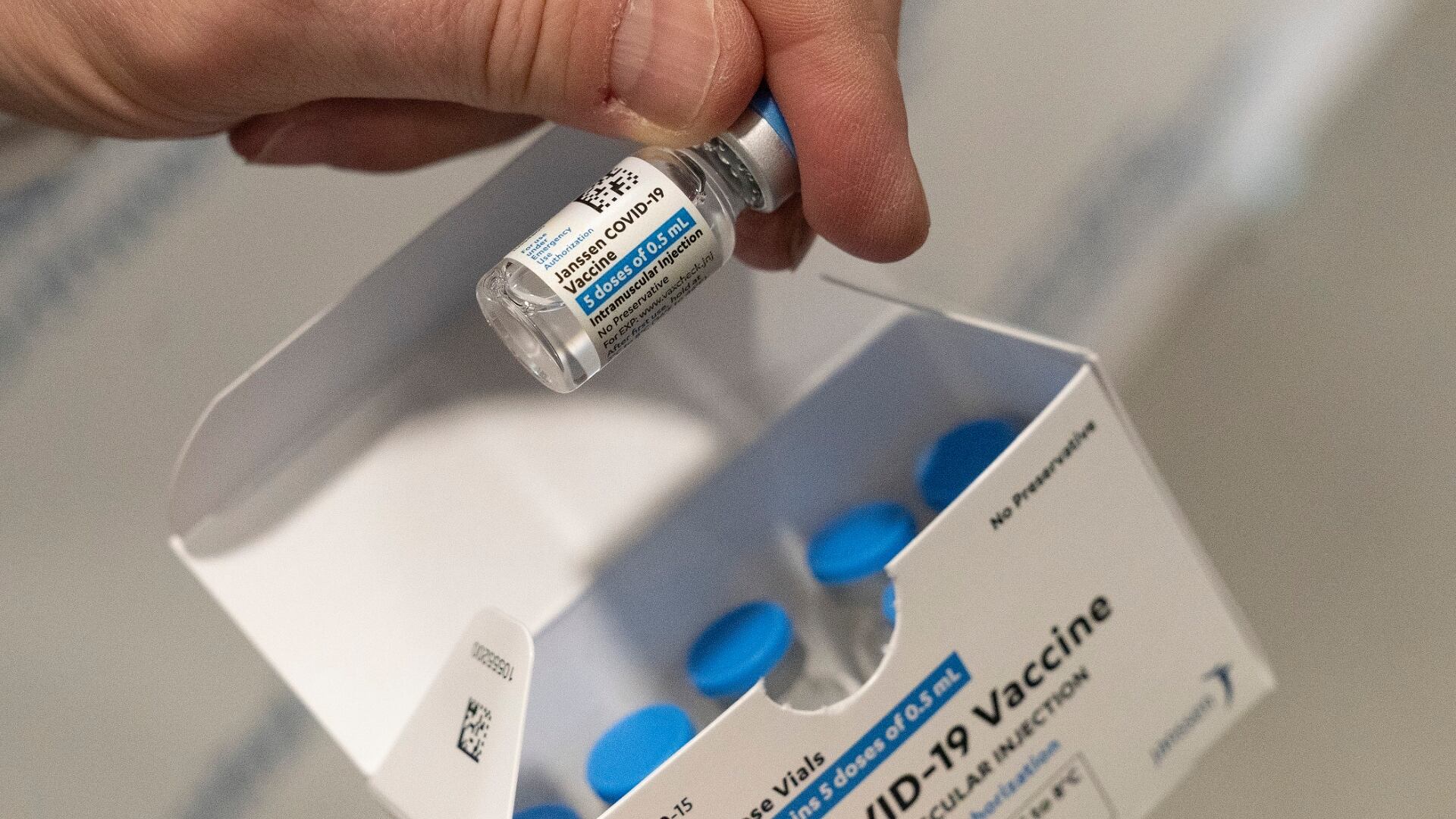
NIAID Director Dr. Anthony Fauci has stated that recipients of the single-dose Johnson & Johnson COVID-19 vaccine should have gotten two doses, to begin with. An FDA panel had recently recommended that J&J boosters be made available for everyone who received the single dose.
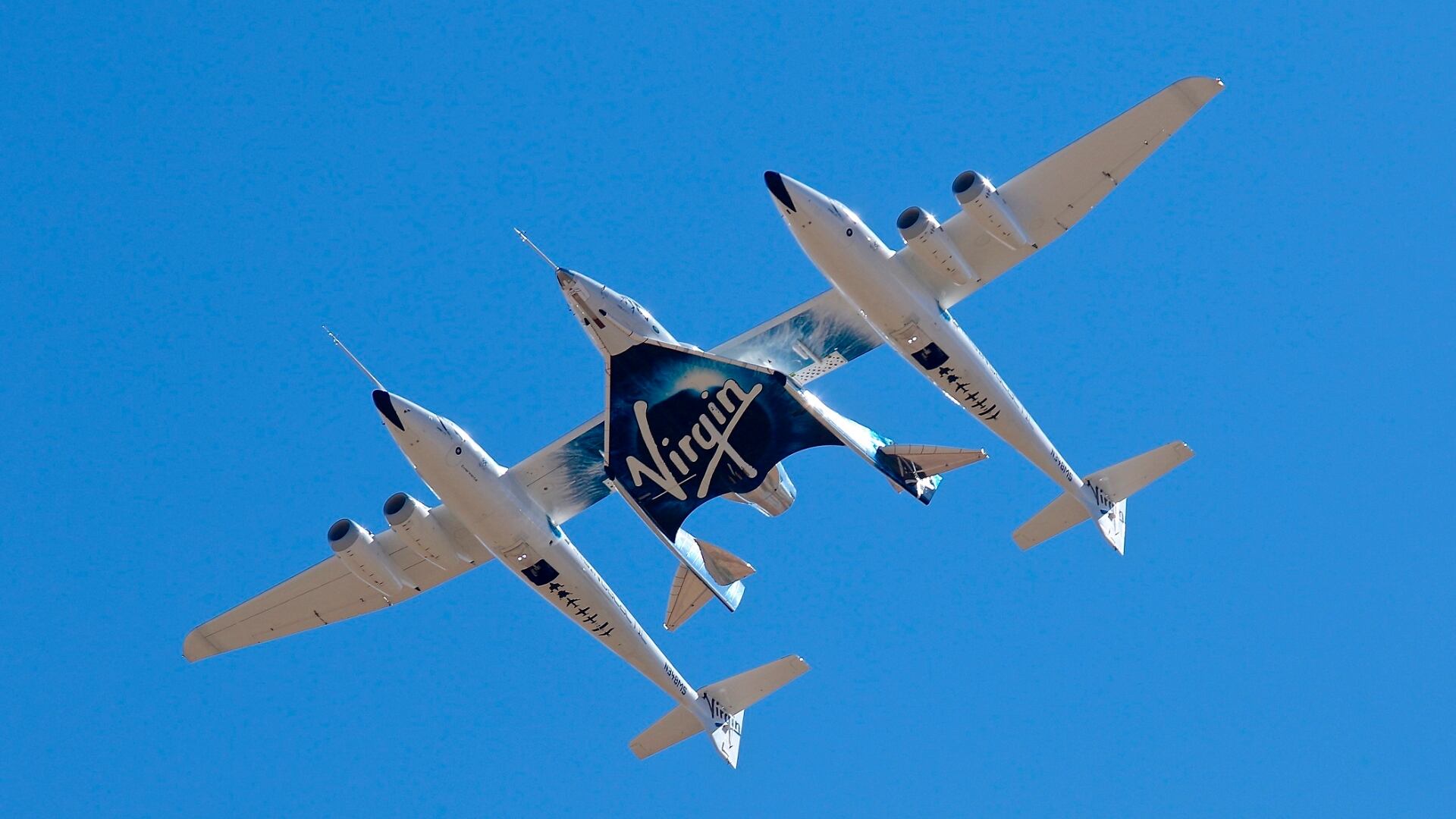
Richard Branson’s Virgin Galactic is delaying its launch date for commercial space flights to Q4 of 2022 following a rescheduled test flight. Shares for the aerospace company fell on the news.
The NIH released findings of a study that say recipients of the Johnson & Johnson COVID-19 vaccine may benefit from getting Pfizer or Moderna boosters as the antibody levels from those shots were seen as more robust than from a Johnson & Johnson booster.
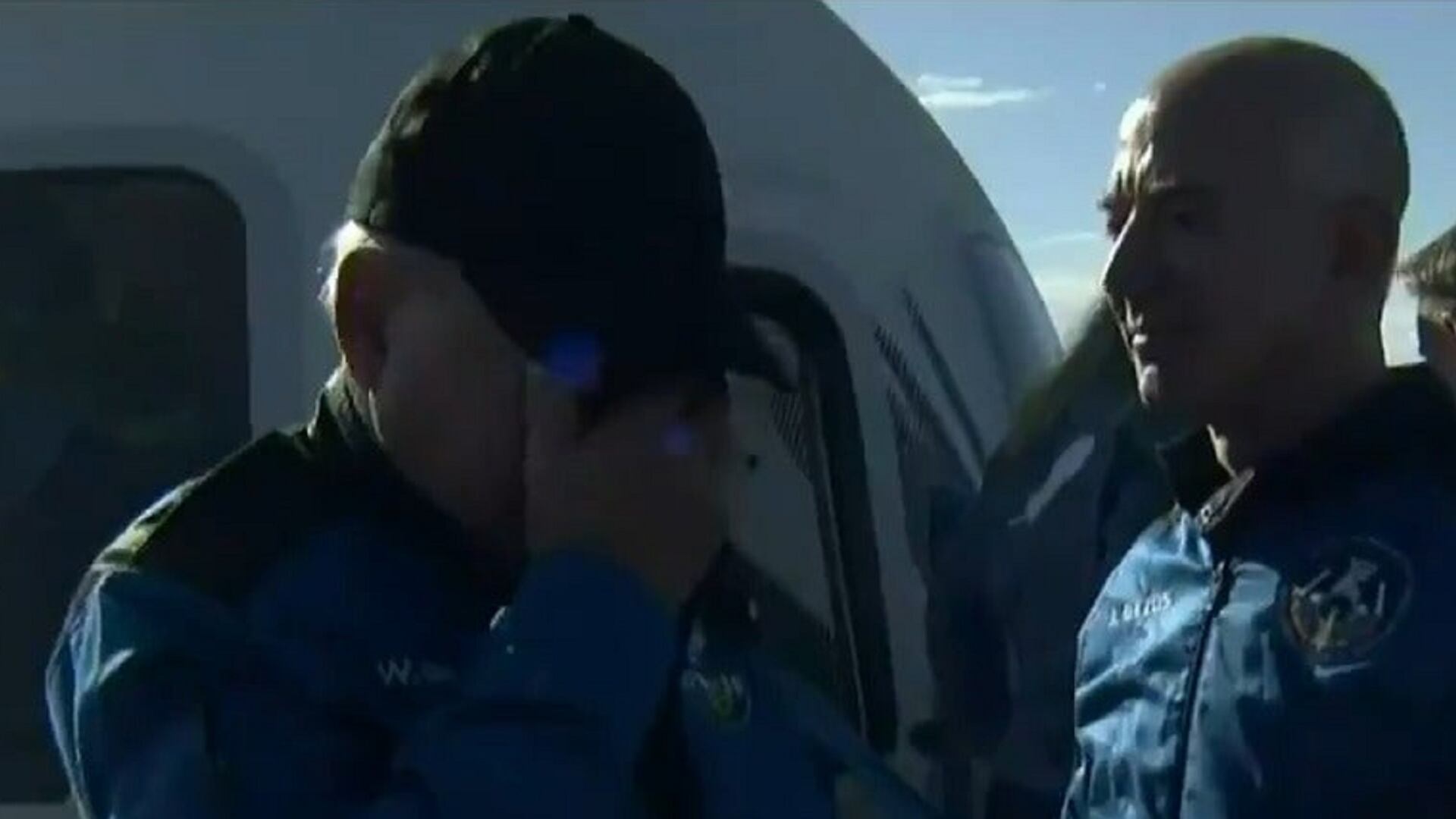
"Star Trek" actor William Shatner's voice broke with emotion as he recounted his trip into space on the Blue Origin New Shepard rocket to Jeff Bezos on October 13, 2021.