Dina Fine Maron, Editor of Health & Medicine at Scientific American, joins Cheddar to discuss some of the biggest changes to science regulations we'll see in 2018. From food labels to nonaddictive cigarettes, people need to be aware of what might affect their everyday lives.
A revamped nutrition label was slated to debut in July of 2018, however the Trump administration is giving companies a longer window. Major companies now have until 2020 and smaller companies have until 2021. The new labels will have more detail on added sugar and calorie count. However, critics say the delay could be a major blow to the public's health.
Plus, the U.S. Food and Drug Administration aims to create a nonaddictive cigarette with lower nicotine levels. It hopes this will help smokers quit. However, the agency opened up the conversation to the public for input which will ellicit some strong views from the tobacco industry.
Cheddar News breaks down how China's population declined for the first time in 10 years.
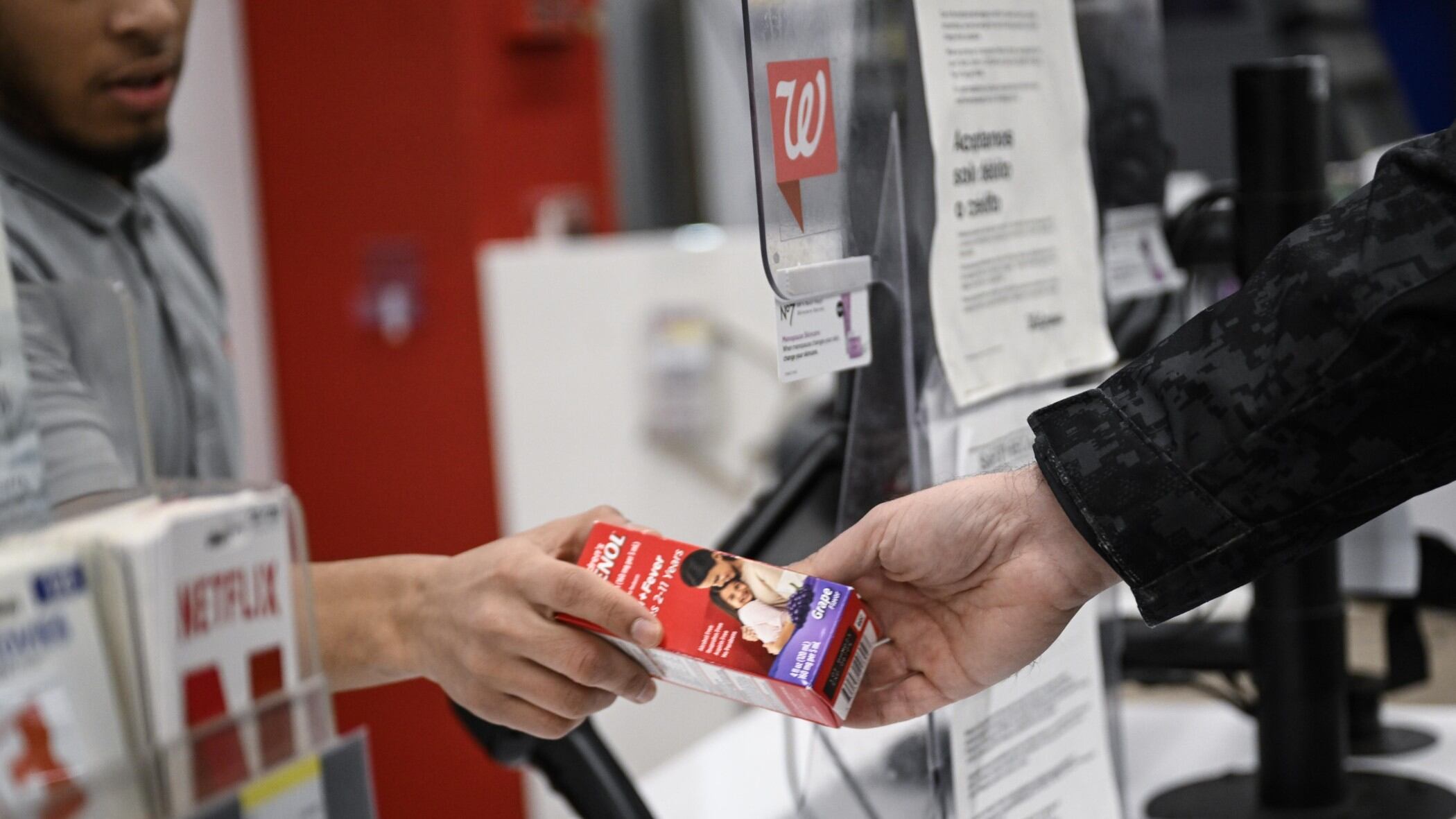
Walgreens is no longer limiting the online sales of children's fever medicines after respiratory infections earlier send demand soaring.
Thousands in Spain lined up outside of their churches to have their pets blessed.
India is expected to become the world's most populous nation, according to the UN.
UFO sightings have jumped in the past two years, and half of them remain unexplained.
The deadline to sign up for the Affordable Care Act ends on Sunday.
Sweden has discovered what is believed to be Europe's biggest deposit of rare earth metals.
Woman checks out at a grocery store. Credit: Luis Alvarez via Getty Images
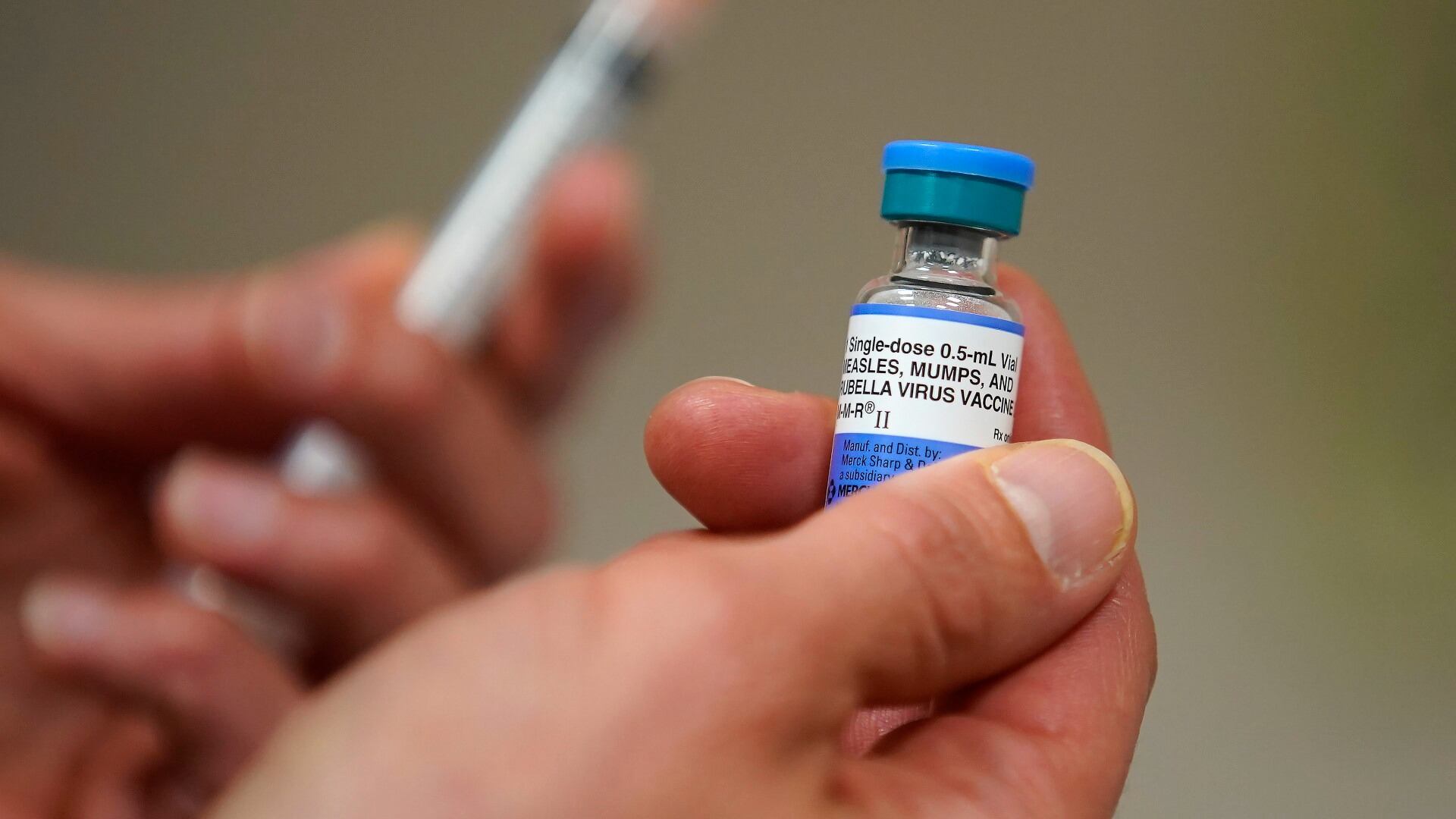
Vaccination rates have dropped again among U.S. kindergarteners.
The Pentagon has now received 510 reports of unidentified flying objects. Many of those reports, 366, were added to the total in just the last two years. The other 144 sightings were reported over a 17-year period.