Dina Fine Maron, Editor of Health & Medicine at Scientific American, joins Cheddar to discuss some of the biggest changes to science regulations we'll see in 2018. From food labels to nonaddictive cigarettes, people need to be aware of what might affect their everyday lives.
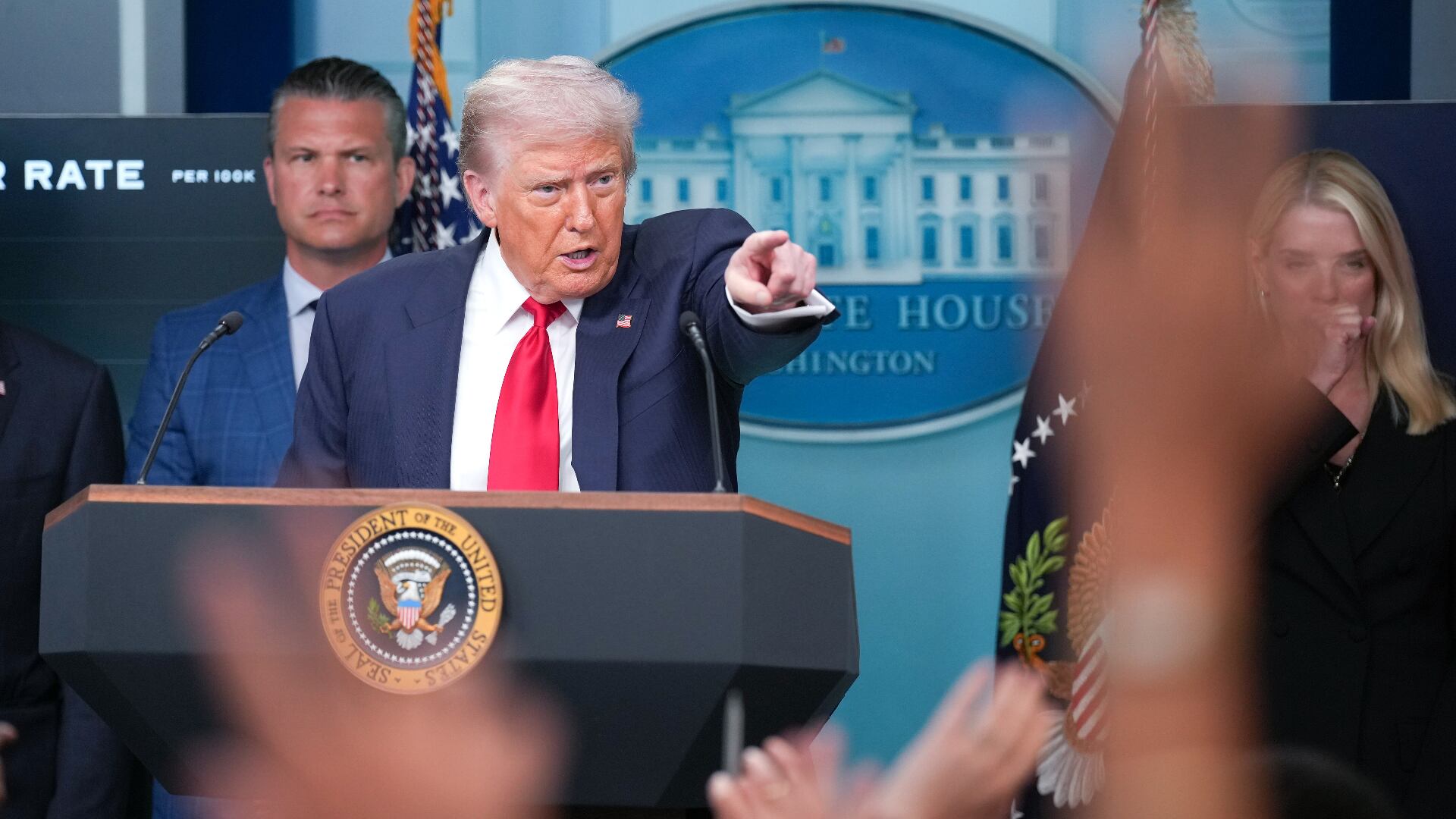
A revamped nutrition label was slated to debut in July of 2018, however the Trump administration is giving companies a longer window. Major companies now have until 2020 and smaller companies have until 2021. The new labels will have more detail on added sugar and calorie count. However, critics say the delay could be a major blow to the public's health.
Plus, the U.S. Food and Drug Administration aims to create a nonaddictive cigarette with lower nicotine levels. It hopes this will help smokers quit. However, the agency opened up the conversation to the public for input which will ellicit some strong views from the tobacco industry.
AI technology is increasing health awareness from the comfort of your smartphone. Cheddar News dives deep into how selfies can track health vitals.
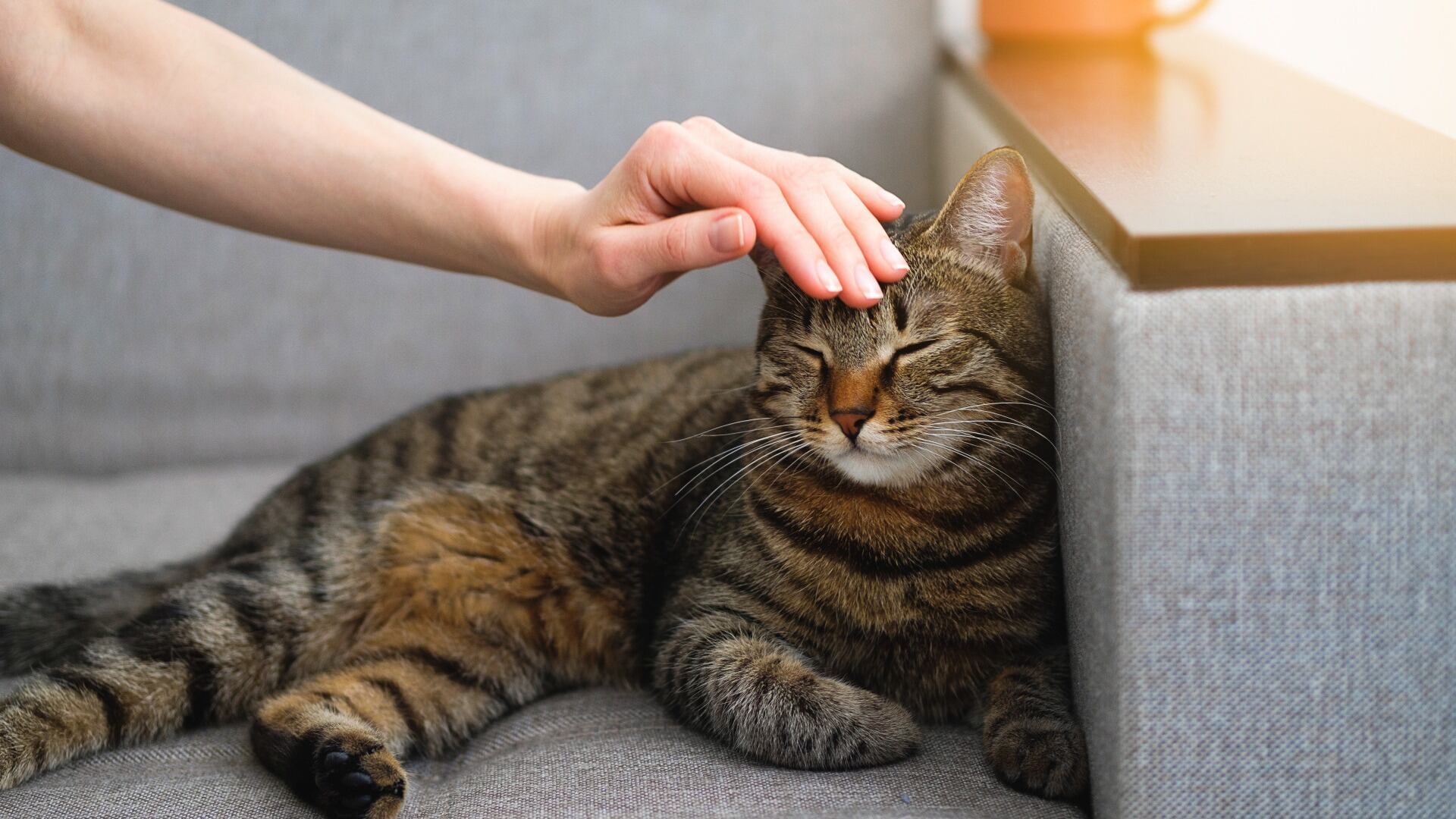
Alina Hauptman, a communications strategist at the Best Friends Animal Society, joined Cheddar News to discuss how pets can actually give a boost to your mental health.
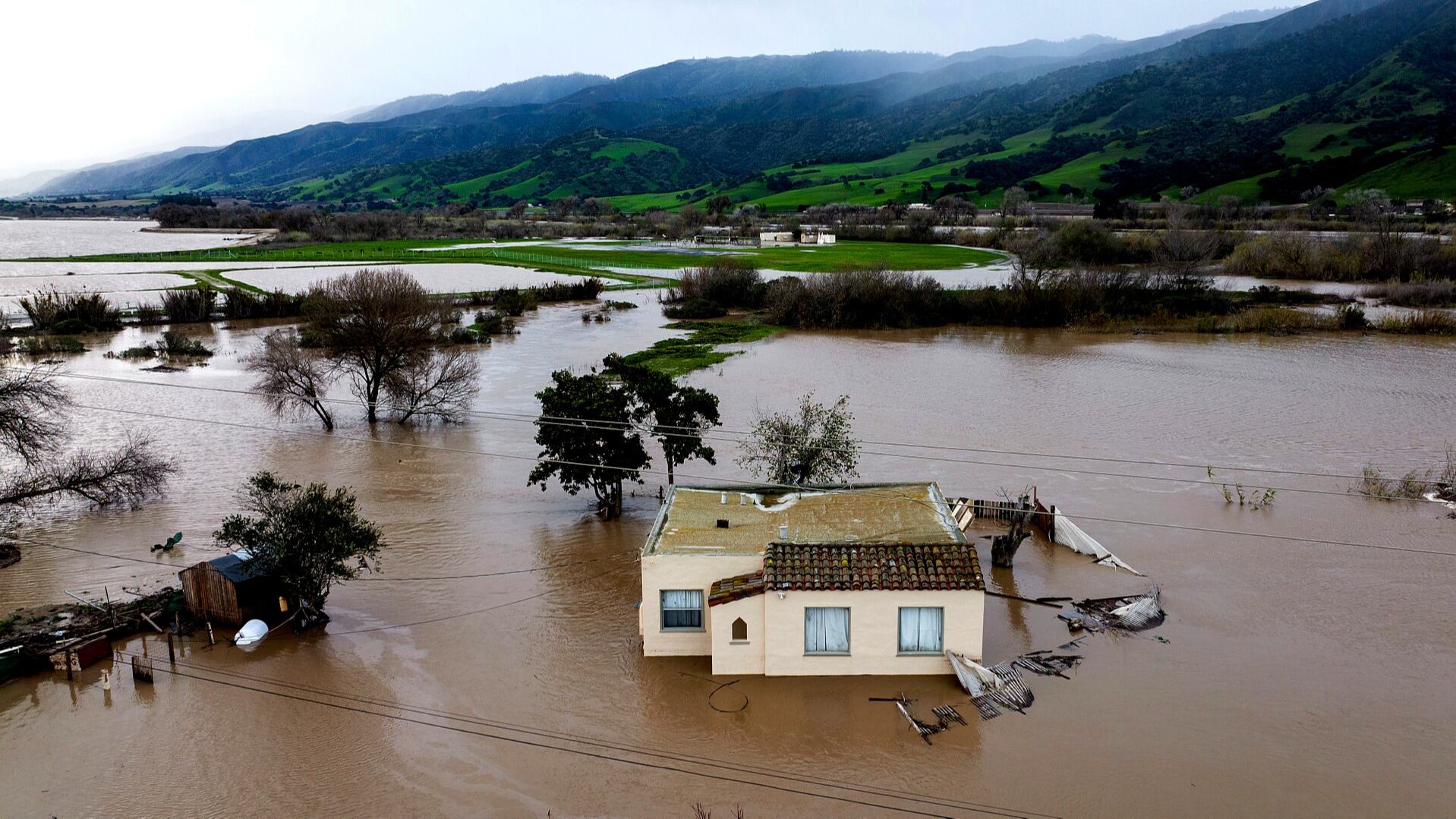
Michele Power, a meteorologist for News12, said that one explanation for this "parade of storms," at least in the United States, is a phenomenon called the "atmospheric river,:
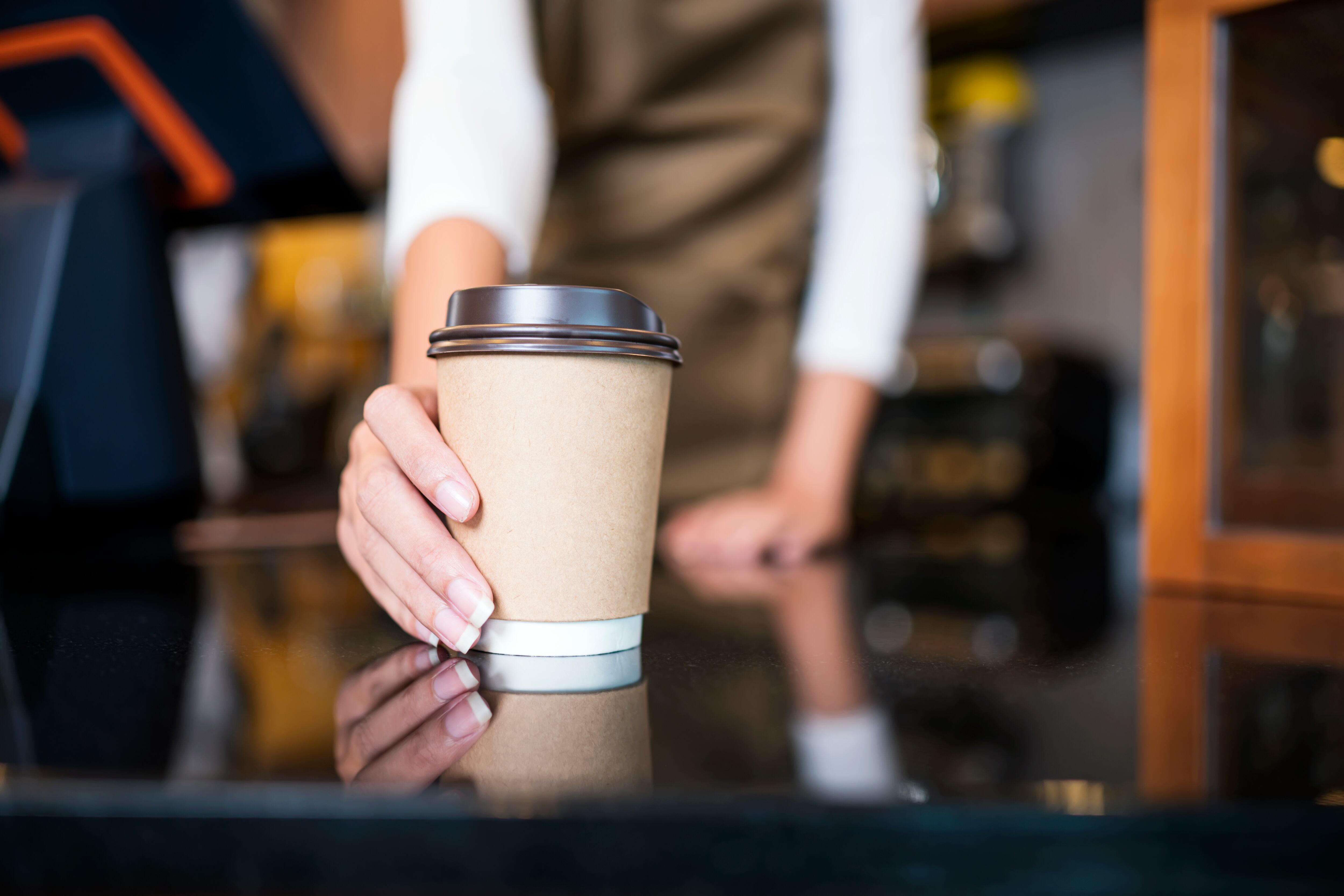
Cheddar News explains how the way you brew coffee could contribute to global warming.
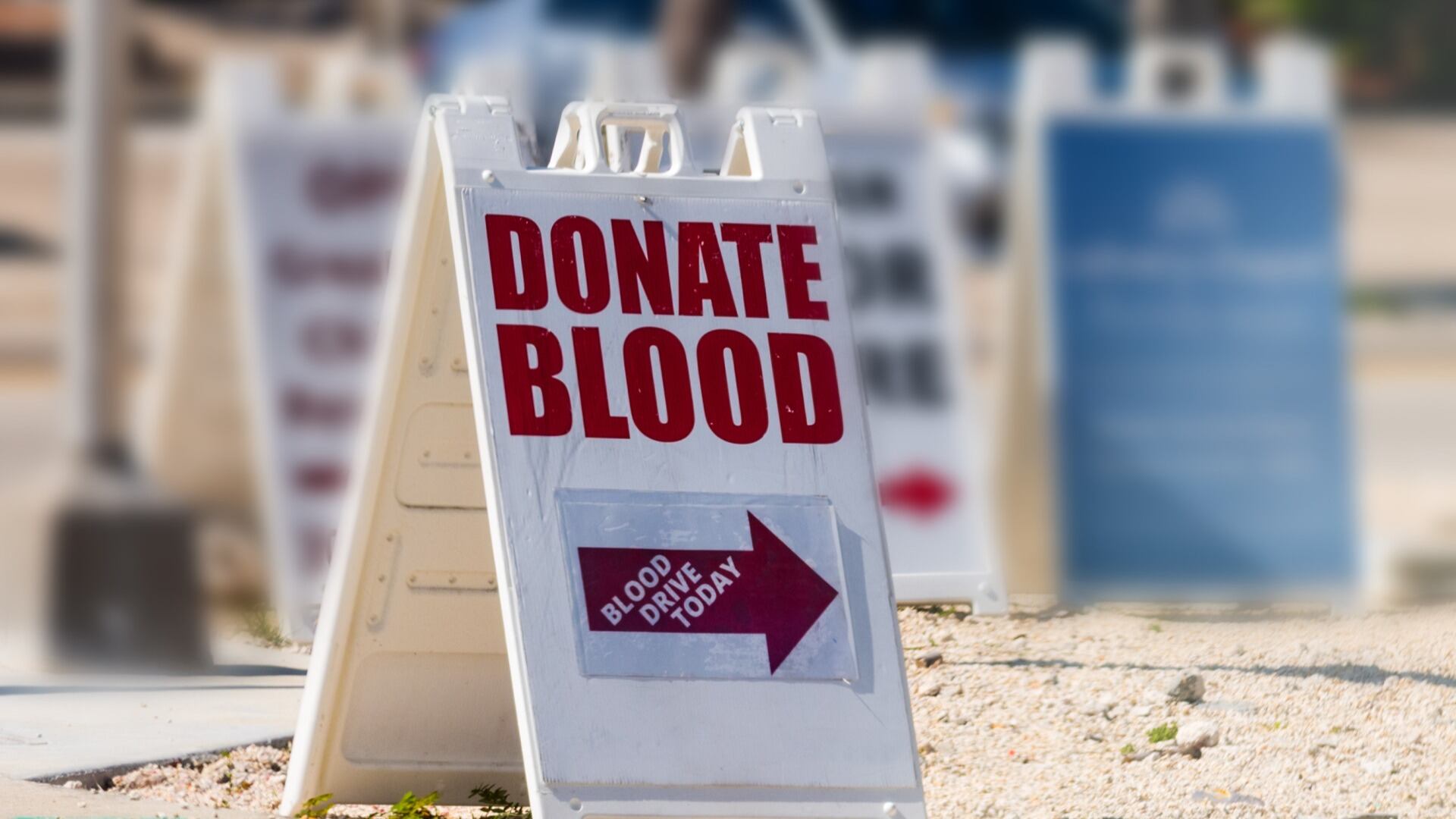
The beginning of the year is critical for those in need of blood transfusions as people tend to stop donating during the holidays. The winter in general also experiences a dropoff as donors get sick more frequently.
Dry January doesn't have to mean sober January — at least for the 21 percent of participants turning to cannabis or CBD to make it through the month.
SpaceX launched its Falcon 9 rocket to bring a powerful GPS satellite into orbit for the U.S. Space Force.
Moderna is applying for regulatory approval for its RSV vaccine, which it says has shown to be effective against the respiratory virus.
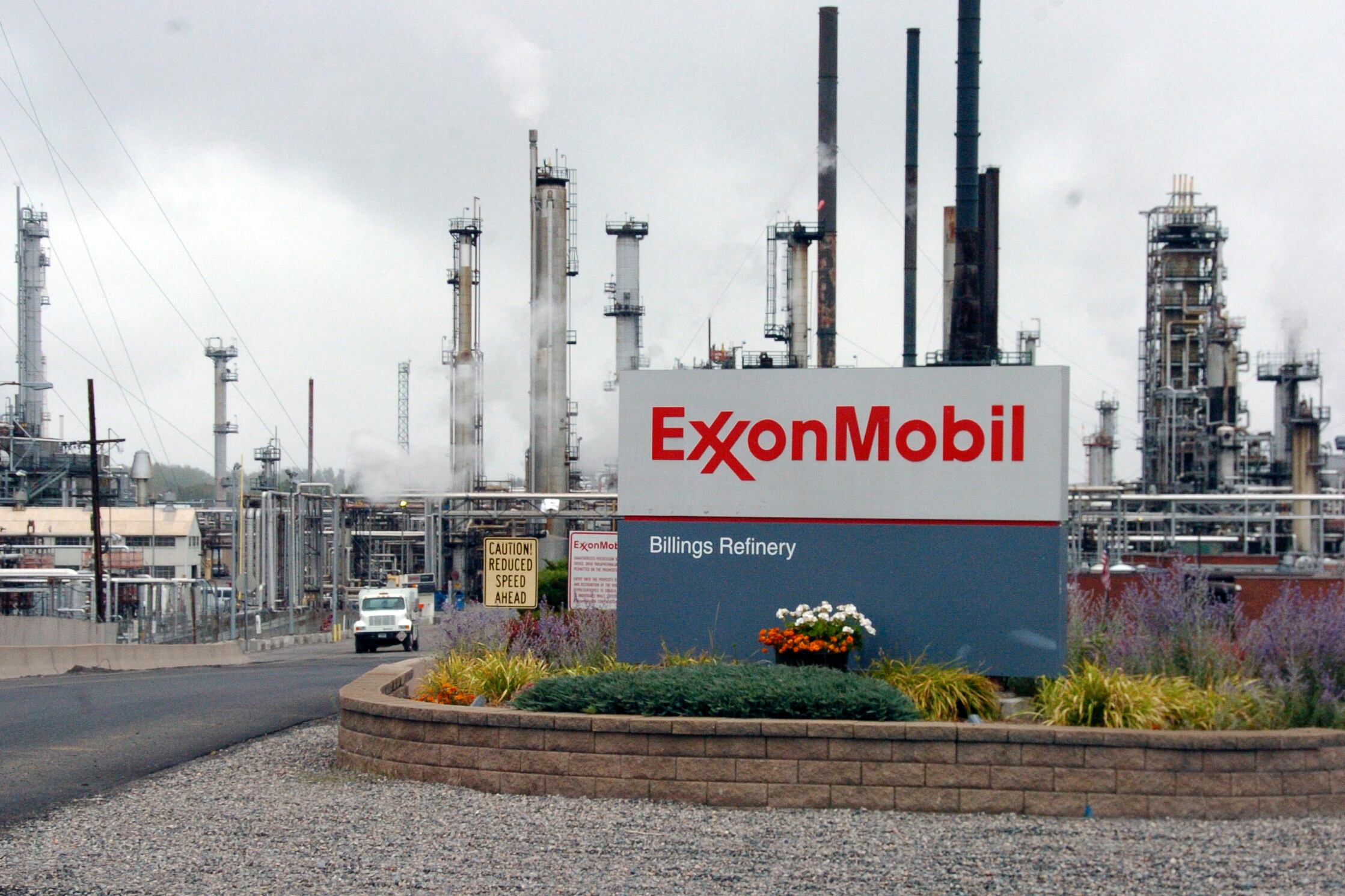
UN Secretary-General António Guterres on Wednesday called out ExxonMobil for withholding highly accurate predictions about the impact of climate change.
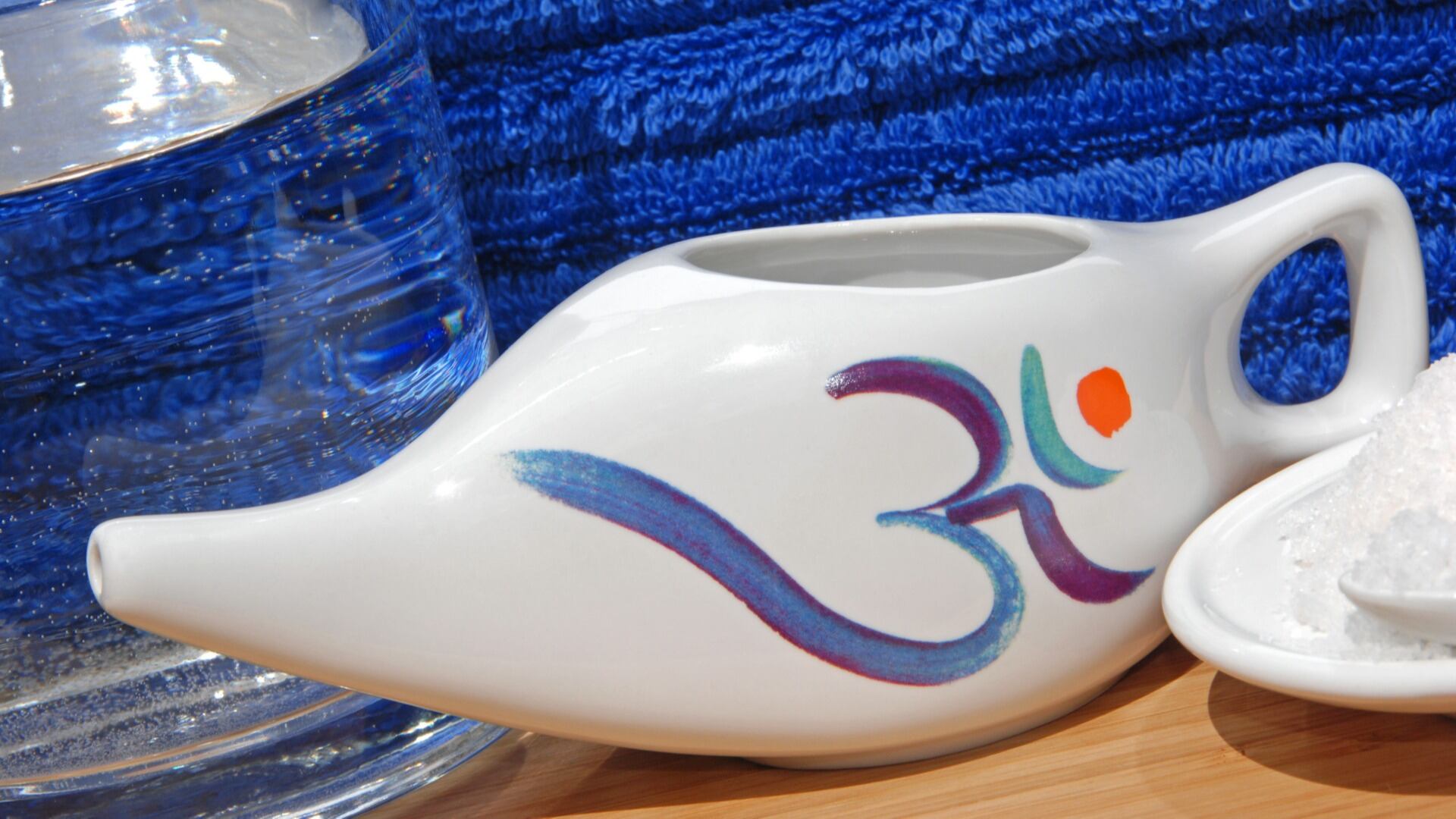
A new study has found that most Americans think it is okay to put tap water in medical devices such as humidifiers and neti pots, but experts say this is unsafe.