Dina Fine Maron, Editor of Health & Medicine at Scientific American, joins Cheddar to discuss some of the biggest changes to science regulations we'll see in 2018. From food labels to nonaddictive cigarettes, people need to be aware of what might affect their everyday lives.
A revamped nutrition label was slated to debut in July of 2018, however the Trump administration is giving companies a longer window. Major companies now have until 2020 and smaller companies have until 2021. The new labels will have more detail on added sugar and calorie count. However, critics say the delay could be a major blow to the public's health.
Plus, the U.S. Food and Drug Administration aims to create a nonaddictive cigarette with lower nicotine levels. It hopes this will help smokers quit. However, the agency opened up the conversation to the public for input which will ellicit some strong views from the tobacco industry.
The Food and Drug Administration is meeting on Thursday to plan a long-term strategy for Covid-19.
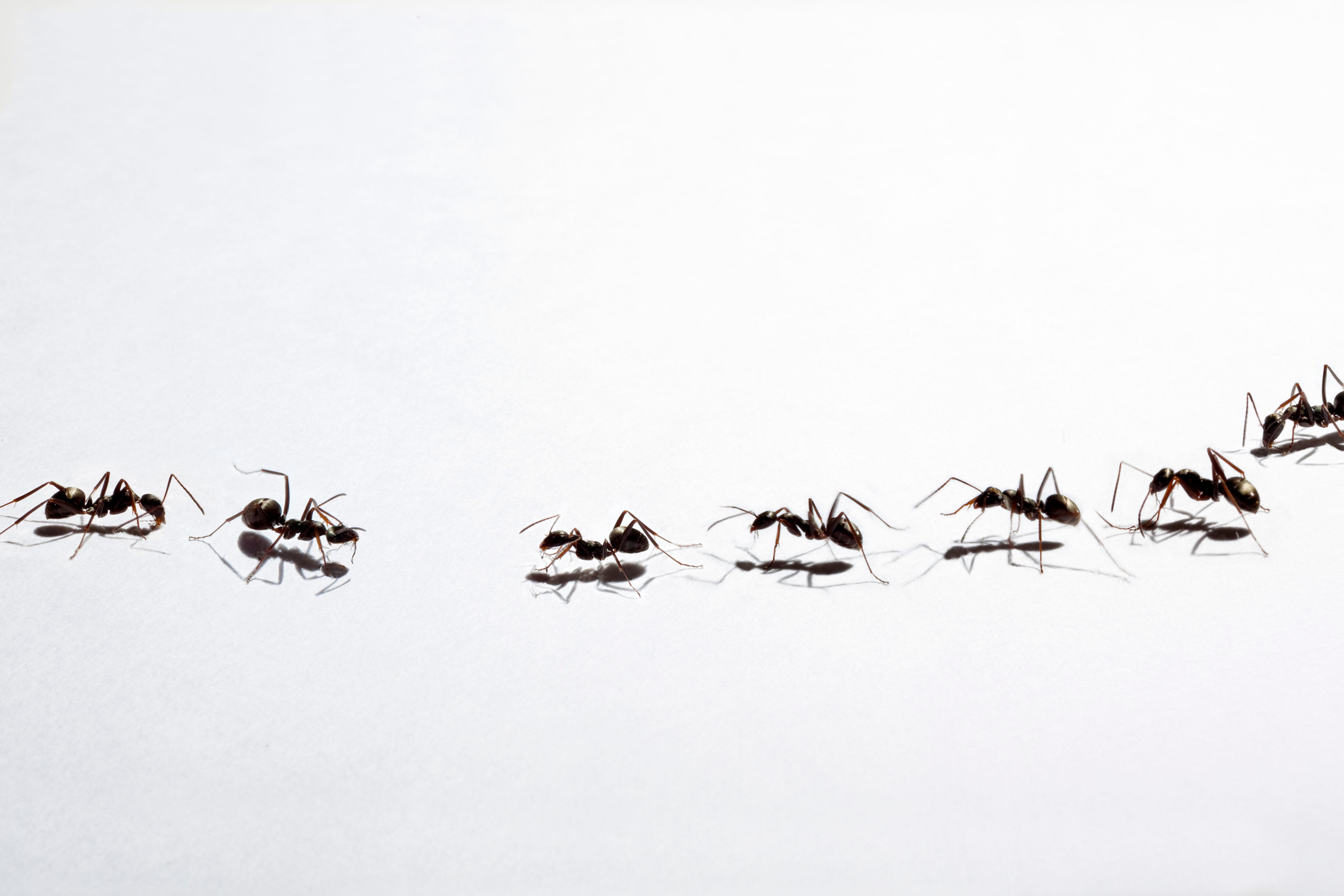
A study shows ants could be key to detecting human cancer.
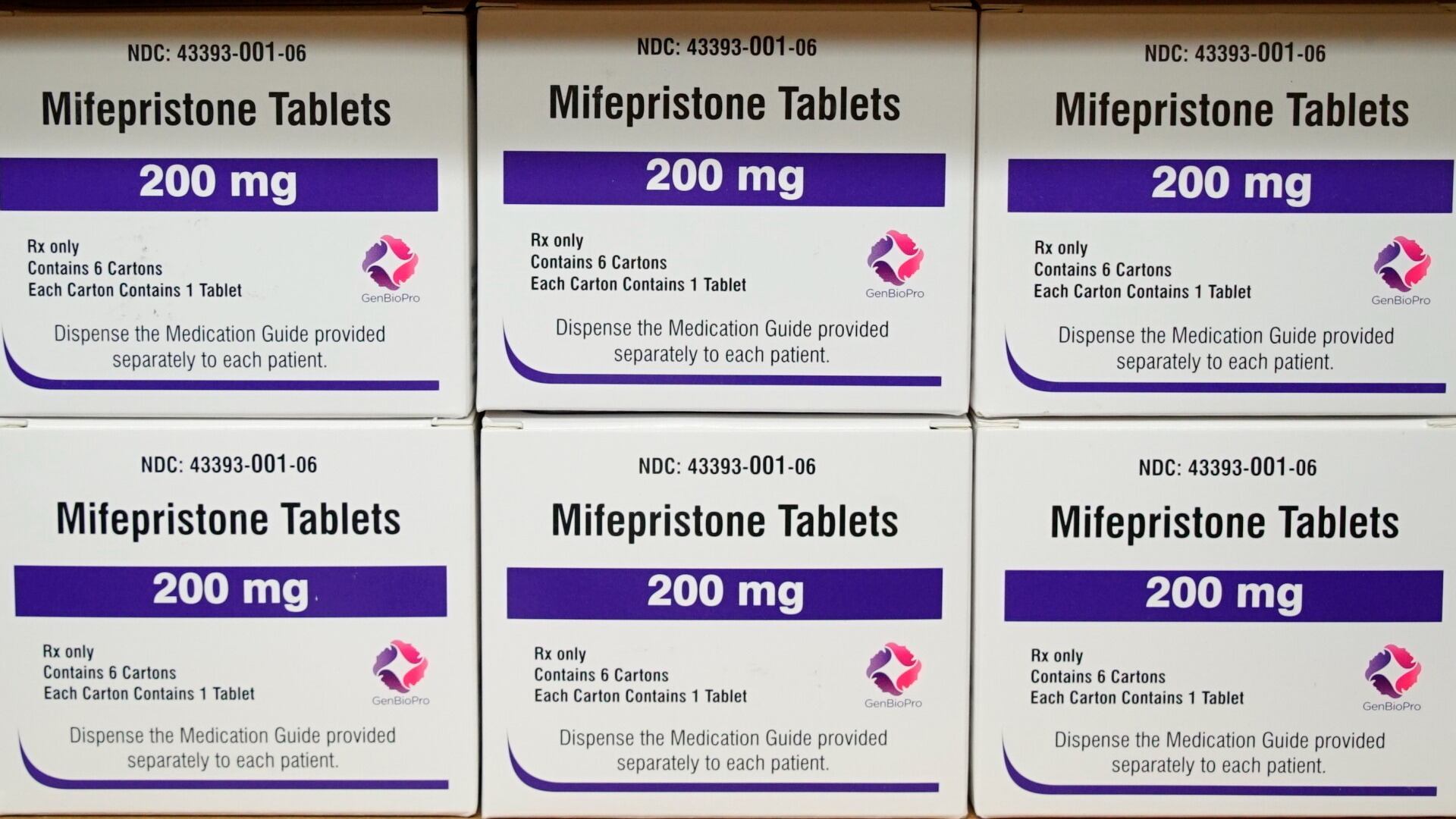
GenBioPro, an abortion pill maker, is suing West Virginia over its abortion ban.
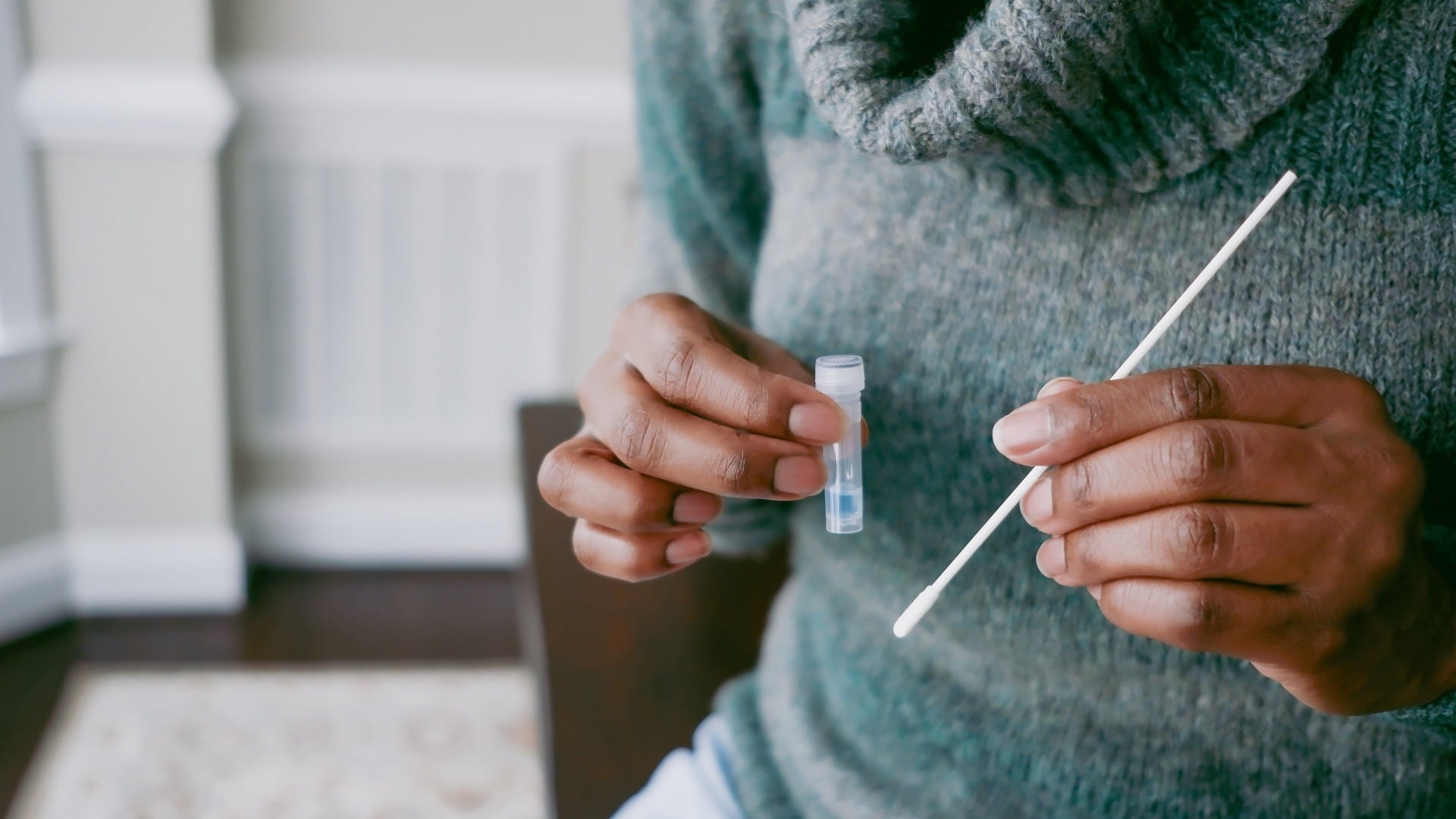
A surge in COVID-19 infections overseas in places like China has prompted the U.S. Centers for Disease and Control to consider testing airplane wastewater for the virus.
A new study shows that ants may be able to detect human cancer with their highly-developed sense of smell.
Rocket Lab launched its Electron rocket for its first liftoff from U.S. soil.
New guidance, proposed by the Food and Drug Administration (FDA), seeks to limit levels of the dangerous heavy metal lead in food for babies and toddlers.
Pope Francis, in an interview with the Associated Press, said being gay is not a crime but called it "a sin."
The Centers for Disease Control and Prevention is shaking up its internal structure, due in part to the criticism over its pandemic response.
The Food and Drug Administration released draft guidance that limits the amount of lead allowed in baby food.