President Donald Trump may have just lost an important battle in his fight to keep his tax documents under wraps.
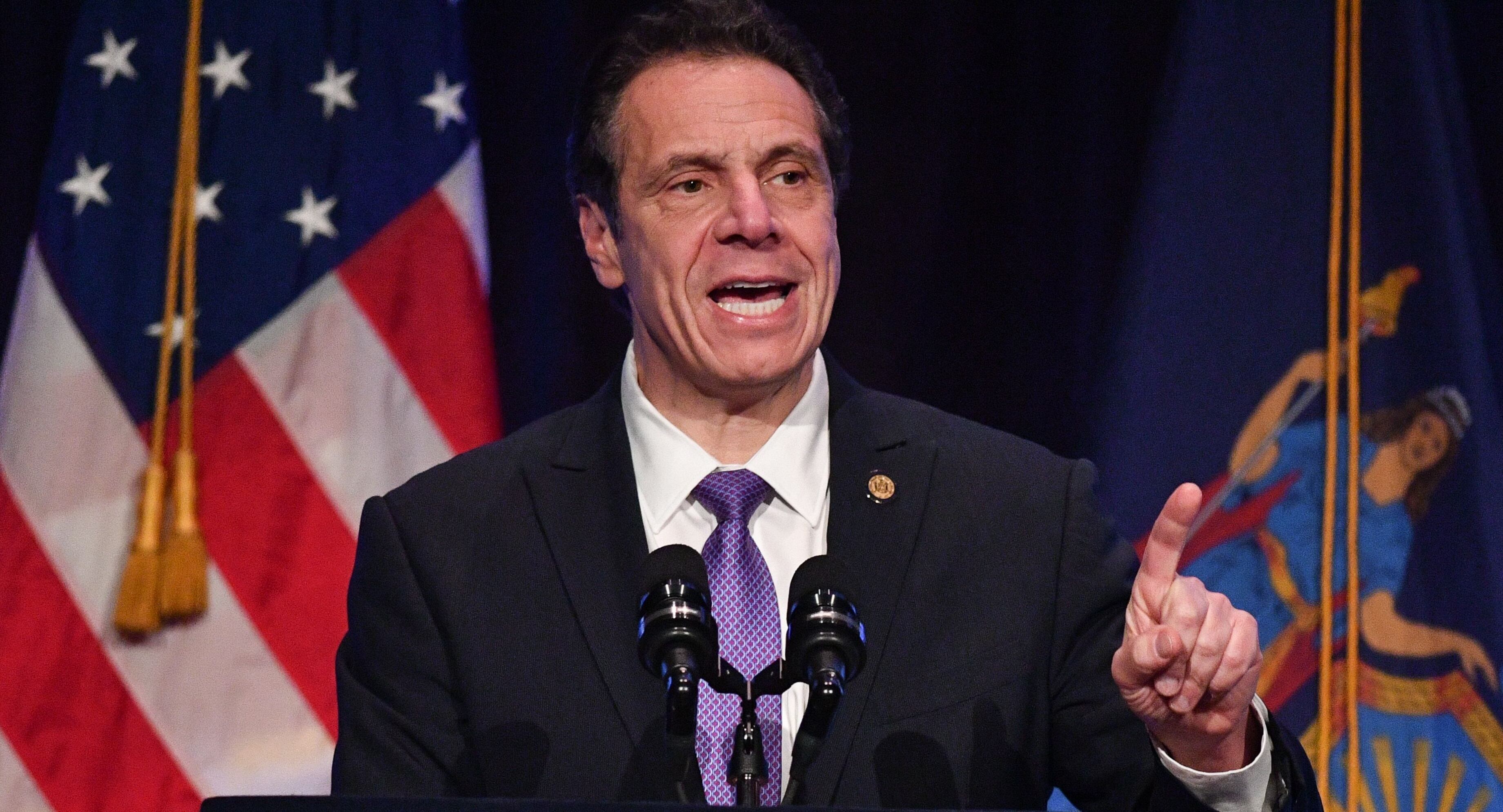
New York Gov. Andrew Cuomo signed a bill into law on Monday that will allow Democratic lawmakers in Washington access to the president's highly sought after state tax returns.
The law — titled the TRUST Act — requires New York's commissioner of taxation to cooperate with investigations into elected officials by Congressional tax writing committees, which include the House Ways and Means Committee, the Senate Finance Committee, and the Joint Committee on Taxation.
"Tax secrecy is paramount — the exception being for bonafide investigative and law enforcement purposes," Cuomo said in a statement. "This bill gives Congress the ability to fulfill its Constitutional responsibilities, strengthen our democratic system and ensure that no one is above the law."
Under the law, New York will only be able to fulfill requests from Congress for Trump's state filings, which would, nonetheless, provide federal lawmakers and the public with significant insight into the New York real estate developer's financial holdings.
The bill was passed by the New York State Senate and Assembly in May.
"This is a momentous step in upholding the principle that top elected officials have a responsibility to be more transparent and accountable," State Assemblyman David Buchwald, who co-sponsored the legislation, said on Twitter. "It's a great day for transparency in government."
Breaking with a long standing norm, Trump first refused to release his taxes during the 2016 election, claiming he was under audit and then alleging that his taxes were not of concern to the American people. The White House has since bucked several attempts from congressional Democrats and activist organizations to obtain the president's taxes and examine possible foreign entanglements and fraud.
"For far too long, the Trump administration has attempted to hide Donald Trump's deeply concerning conflicts of interest by illegally blocking the release of his tax returns," Ryan Thomas, the spokesperson for the progressive advocacy group Stand Up America, said. "But now, New York has provided Congress a new route for getting answers on behalf of the American people—and all they have to do is ask."
Thomas urged Rep. Richard Neal (D-Mass.), who chairs the Ways and Means Committee, to immediately request the New York tax returns, adding that any "delay is an injustice to the American people who deserve transparency about Trump's foreign entanglements and massive conflicts of interest."
Meanwhile the New York Republican party claimed that the TRUST Act is a "brazen overreach" and is "a violation of the privacy rights" for all Americans, which would set a concerning precedent. "Assembly Democrats can warm to this illegal bill of attainder all they want but it will be met with a lawsuit," the Republican state committee added in a tweet in May.
The bill had been amended multiple times since its introduction to broaden its scope over elected official and policial party leaders, as well as to limit its application to average citizens.
The six-week delay from when the bill passed the state legislature to Monday’s signing was due to an extensive review of the legislation conducted by the governor’s office, Dani Lever, Cuomo’s communications director, said in a statement to Cheddar.
"Any responsible government would thoroughly review this bill … especially after this process and given how high the stakes are of this particular legislation," Lever said.
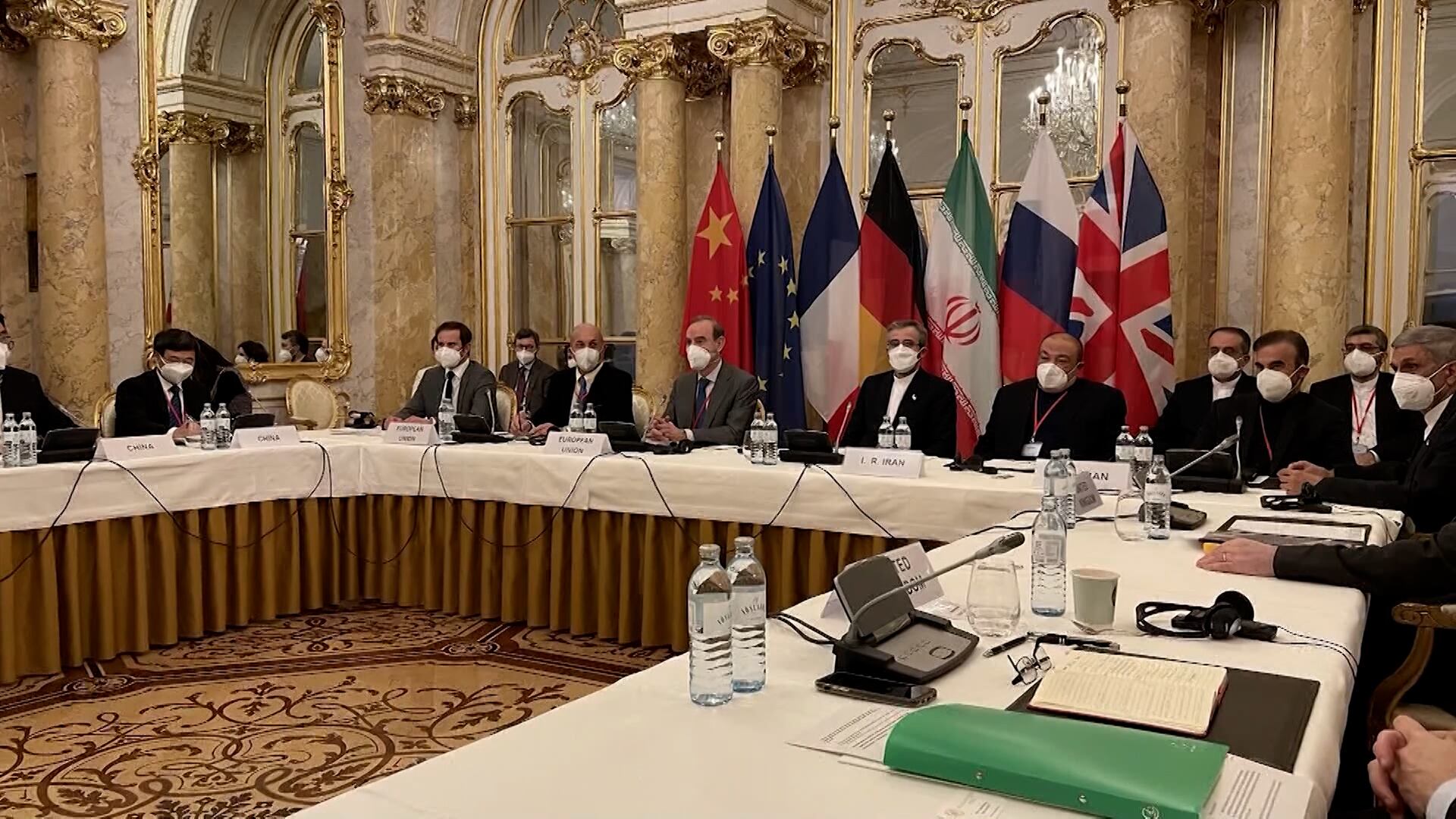
The U.S. is back in negotiations for a nuclear deal with Iran, years after former President Donald Trump withdrew the country from the Joint Comprehensive Plan of Action (JCPOA), which had been meant to curtail the Middle Eastern nation's nuclear ambitions. Former State Department senior advisor to the George W. Bush and Trump administrations, Christian Whiton, joined Cheddar News Wrap to discuss. “It appears to be very similar to the original JCPOA, which does put some constraints on Iran's nuclear program, but also has sunset provisions, including some that in the original plan were expected to take effect in 2025," he said. "And so, if we just reenter that plan, really it just buys perhaps a few years of slowing down, stopping, whatever you want to say, Iran's nuclear program."
The U.S. has announced the first of what could be multiple levels of sanctions against Russia after Moscow recognized two regions of Ukraine as independent. This comes as Britain imposes sanctions on five Russian banks and two oligarchs, and Germany freezes the Nord Stream gas pipeline. Terrell Star, a foreign affairs reporter at The Atlantic Council, joins from Kyiv to discuss.
Growing tensions in Ukraine might soon be impacting consumers in the United States. With Russia on an invasion footing in the region, gas prices are predicted to go up 10 to 15 cents a gallon in the next coming weeks, according to Robert Sinclair, spokesperson for AAA. Sinclair joined Cheddar to break down what could happen even further. "We've been seeing prices go up, and there's been nothing that's happened to affect supplies," he said. "But it's something known as the fear tax where just the talk of something that might interfere with supplies leads to prices going up speculatively."
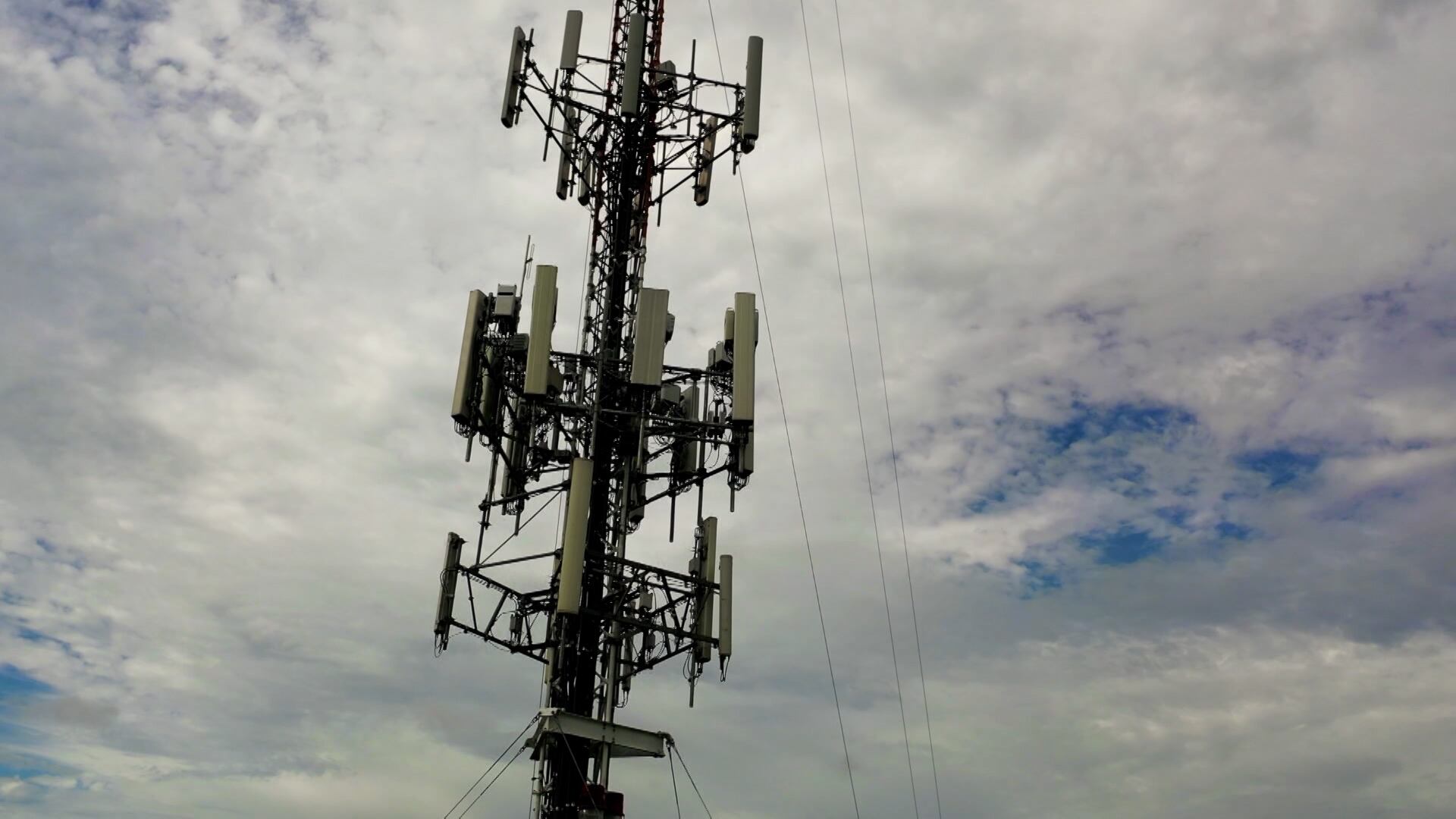
The end of 3G is upon us. On Tuesday, AT&T became the first major provider to disable its 3G services, and T-Mobile and Verizon plan to follow suit later this year. The shutdowns are expected to impact millions of vehicles that use 3G networks for updates, remote connection, and certain emergency and convenience features. Lance Ulanoff, the U.S. Editor-in-Chief of TechRadar, joined Cheddar's Closing Bell to discuss the ramifications of the changeover.
A new report shows nearly 240 former officials in Congress, the White House, and regulatory agencies have changed careers to work in the crypto industry.
President Biden unveiled new economic sanctions on Russia for what he called "the beginning of a Russian invasion". This came one day after Putin sent troops into two breakaway regions of eastern Ukraine. Alex Ward, national security reporter for POLITICO, explains what these sanctions might do to the global economy.
U.S. stocks ended today's session sharply lower on the heels of rising geopolitical tensions between Russia and Ukraine. Melissa Brown, Managing Director of Applied Research at Qontigo, joins Cheddar News' Closing Bell to discuss.
President Joe Biden said Tuesday that the U.S. will begin to impose sanctions on Russia, calling recent troop movement into Ukraine an 'invasion.' Biden and other government officials including from the State Department have begun to classify the Russian troop movement as an invasion after Russian President Vladimir Putin ordered troops to two independent Ukrainian areas in an alleged "peacekeeping" mission — which the West considers an act of aggression. Biden said Russia will continue to pay 'an even steeper price' if it continues sending troops into Ukraine. What happens next? Will Putin find a way around these sanctions? Ariel Cohen, senior fellow at the Atlantic Council, joins Closing Bell to discuss Biden's remarks, how the West will protect Ukraine since it doesn't belong to NATO, and more.