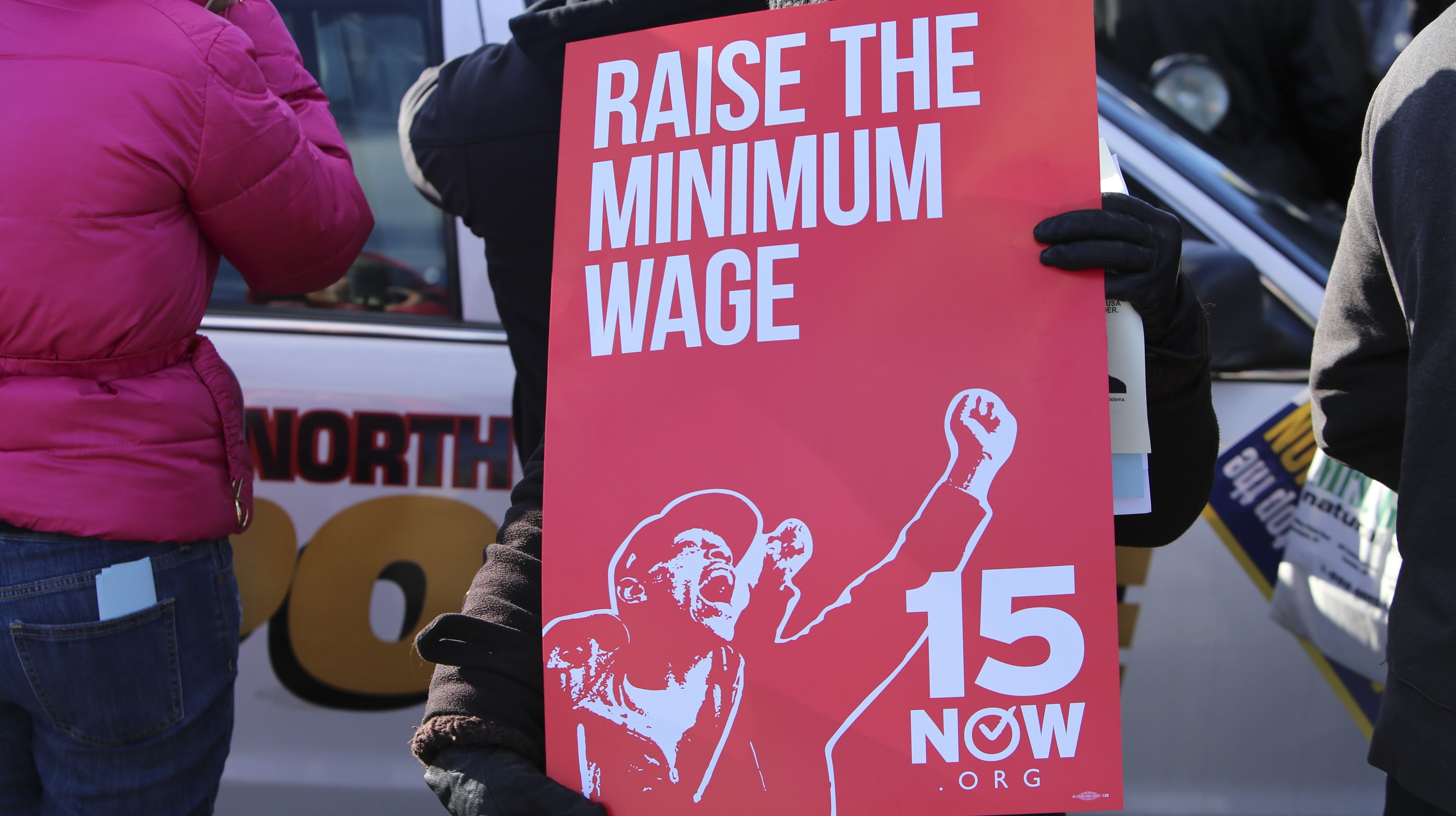
Minimum wage is on the rise in New Jersey. The Garden State enacted the increase — from $8.85 to $10 — on Monday, the first in a series of pay hikes meant to bring the state to a $15 minimum wage by 2024.
Governor Phil Murphy signed the increase into law in February, and it's expected to impact more than one million New Jersey residents.
Both of the state's senators, Bob Menedez and Cory Booker, supported the legislation.
Seven states have passed similar “Fight for 15” laws, and this year, 18 states have raised their minimum wage ー though not necessarily to $15-an-hour -- according to the National Conference of State Legislators.
Still, on the federal level, the campaign for a $15 minimum wage has not seen success.
The Raise the Wage Act, which would increase that benchmark by 2024, is stalled in the legislature without Republican support.
Today, more than 80 million Americans are paid by the hour, according to the Bureau of Labor Statistics.
Meanwhile, more than half a million Americans make the current federal minimum wage, which has hovered at just above $7 an hour since 2009.
Neiman Marcus Group CEO Geoffroy van Raemdonck talks luxury shopping and TikTok, why the company prefers to be private for now, and the benefits of flexible work arrangements.
Rebecca Walser, founder and CEO of Walser Wealth Management, discusses how geopolitical conditions, the bifurcated economy, and other volatility could weigh on markets.
The video announcement Friday came after weeks of speculation spread on social media about her whereabouts and health since she was hospitalized in January for unspecified abdominal surgery.
Chip Giller, co-founder, and Amy Seidenwurm, Chief of Programs and Strategy at Agog: The Immersive Media Institute, discuss how the organization uses the virtual world to make real change.
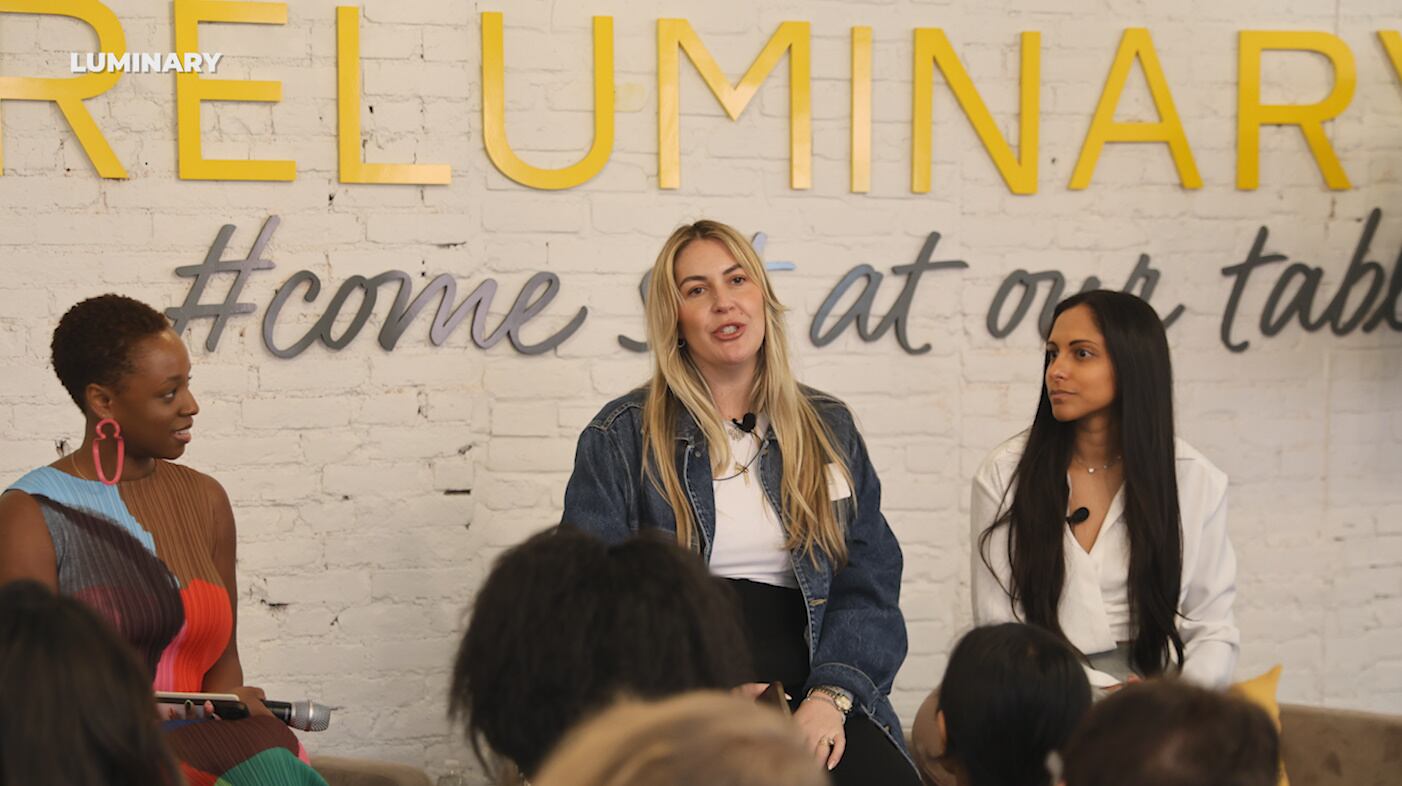
Luminary founder and CEO Cate Luzio shares some of the company’s latest Women’s History Month events and why there’s so much to celebrate about women in the workplace.
WSJ reporter Ray Smith breaks down why more companies are offering ‘dry’ promotions – a responsibility or title bump with no pay raise – and the pros and cons of accepting them.