A Call of Duty character hangs on the wall in a stairwell on Friday, Oct. 21, 2022, at Activision Blizzard, Infinity Ward Division, in Woodland Hills, Calif. (AP Photo/Allison Dinner)
Microsoft has struck a deal with Nintendo to make Call of Duty available across its platforms.
"We’ve now signed a binding 10-year contract to bring Xbox games to Nintendo’s gamers," Microsoft president Brad Smith tweeted Tuesday.
The deal ensures that Nintendo gamers will have access to the latest Call of Duty titles on "the same day as Xbox, with full feature and content parity." The company came to a similar agreement with Sony to ensure access to the popular franchise for PlayStation gamers as well.
Following Microsoft's $69 billion acquisition of Activision Blizzard, which is the video game publisher behind Call of Duty, competitors such as Sony have expressed concern that the merger would curb competition in the console market.
In what appears to be an effort to assuage these concerns and get regulatory approval for the purchase, Microsoft is entering agreements to make Call of Duty available across different consoles for at least the next decade.
Fresh off a successful funding round, co-founder of Lapse Dan Silvertown shares thoughts on regulation, privacy, and why the money for great startups is still out there.
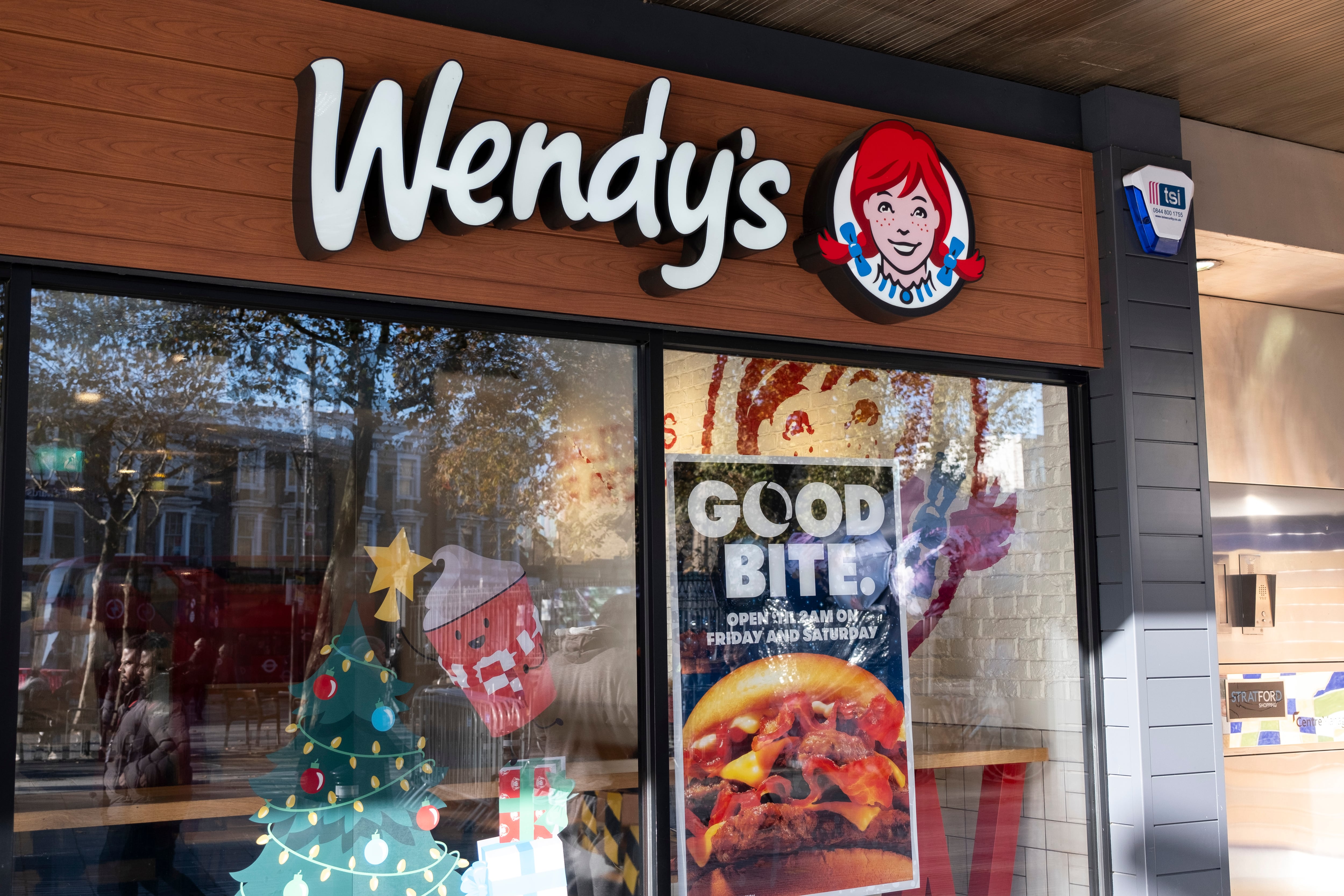
Wendy's announced they are testing out fluctuating prices throughout the day for certain products based on demand. Who will groan the most: lunch-breakers, dinner drivers or late-night goblins?
Shubha Dasgupta, CEO of Pineapple Financial, discusses incorporating artificial intelligence with its newly announced ‘Maui’ tool, plus plans for expansion.
Chair of Penn Engineering’s Department of Computer and Information Science Zachary Ives shares how the department is building its artificial intelligence degree program.
Frances Stacy, Optimal Capital Director of Strategy, breaks down why the latest data indicates the economy may be struggling more than expected, plus some sectors she’s watching.
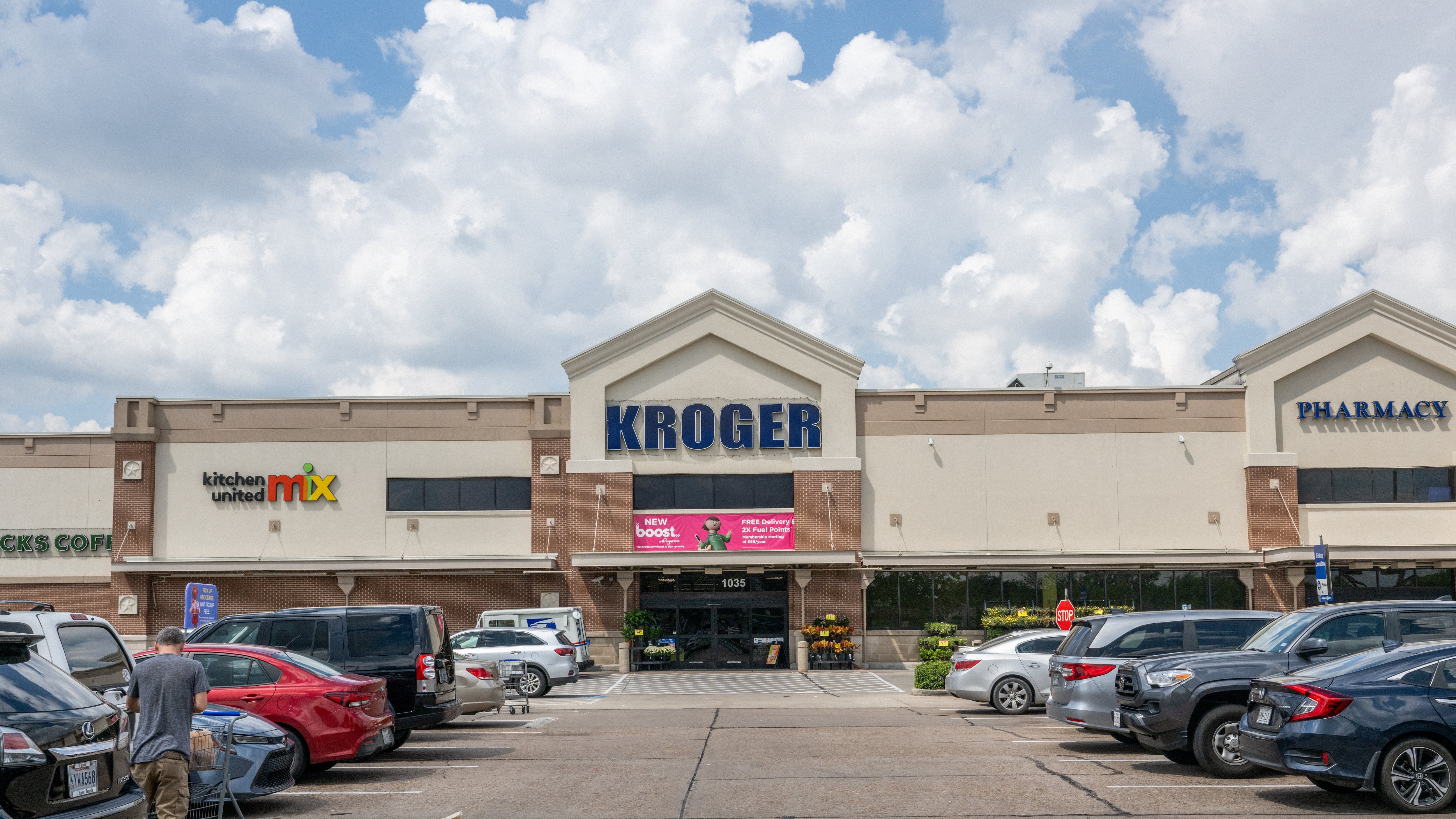
The Federal Trade Commission is suing to block a proposed merger between the two grocery stores. The FTC says the $24.6 billion deal would eliminate competition and lead to higher prices for millions of Americans.