By Steve Peoples
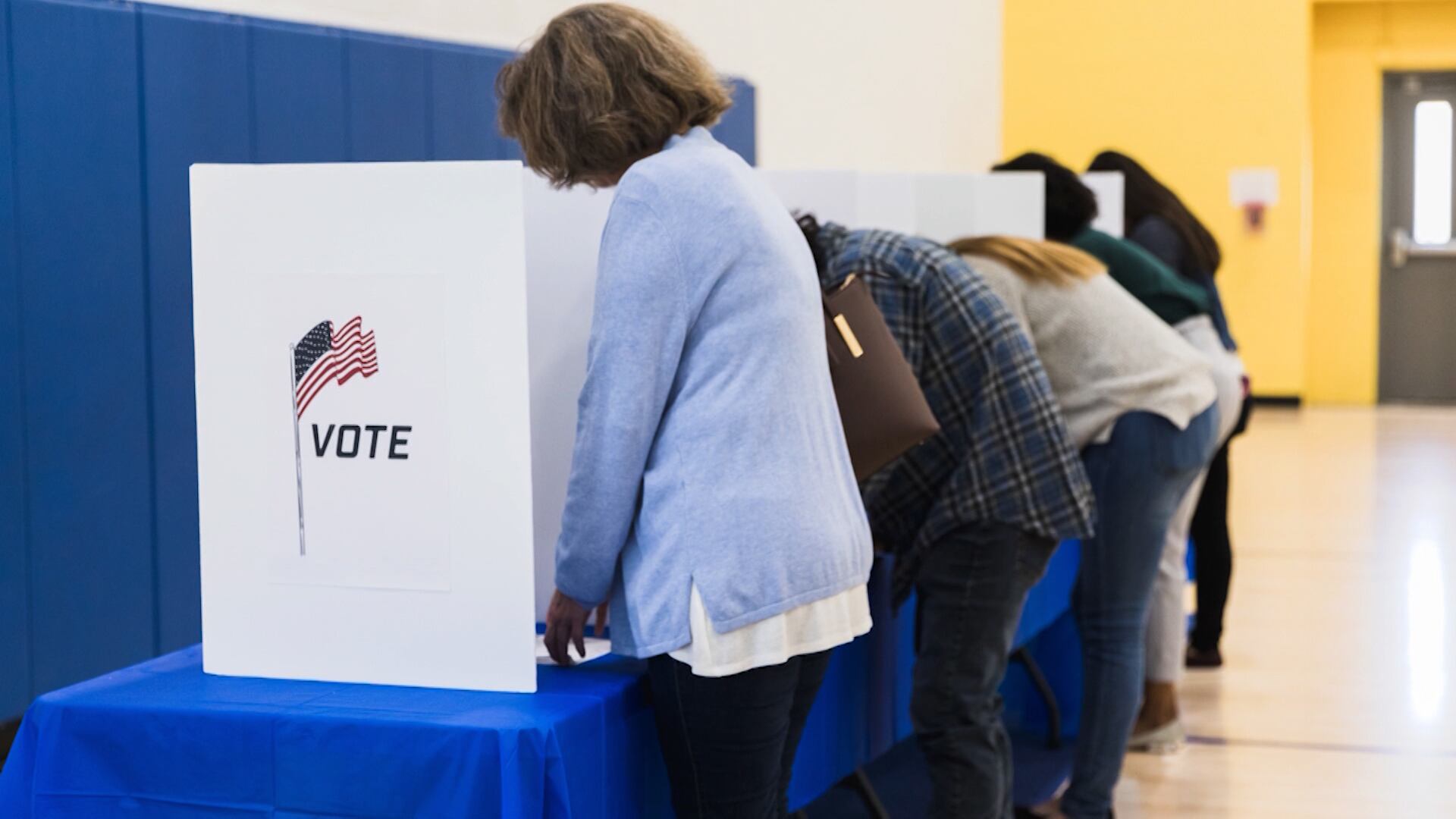
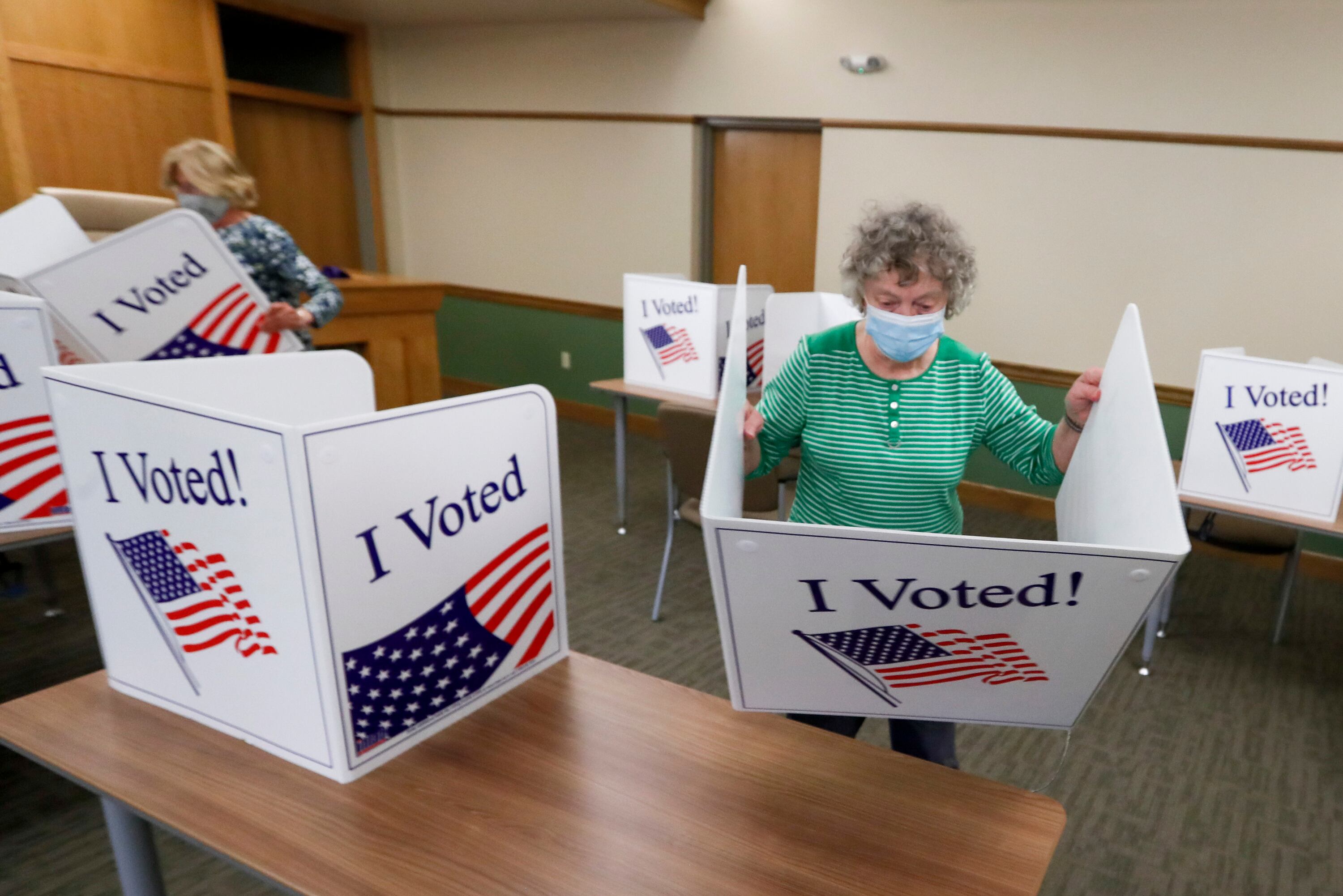
Voters are navigating curfews, health concerns, and a sharp increase in mail balloting on Tuesday as elections take place from Maryland to Montana.
Four states were originally scheduled to vote in April but delayed their contests because of the coronavirus outbreak. Pennsylvania offers the day's biggest trove of delegates and represents a high-profile test case for Republicans and Democrats working to strengthen their operations in one of the most important general election battlegrounds.
“We think we’re prepared,” Pennsylvania Democratic Party Chairwoman Nancy Patton Mills said. “Thank goodness we have the opportunity of working this out in the primary because we don’t know where we’ll be with the pandemic in November.”
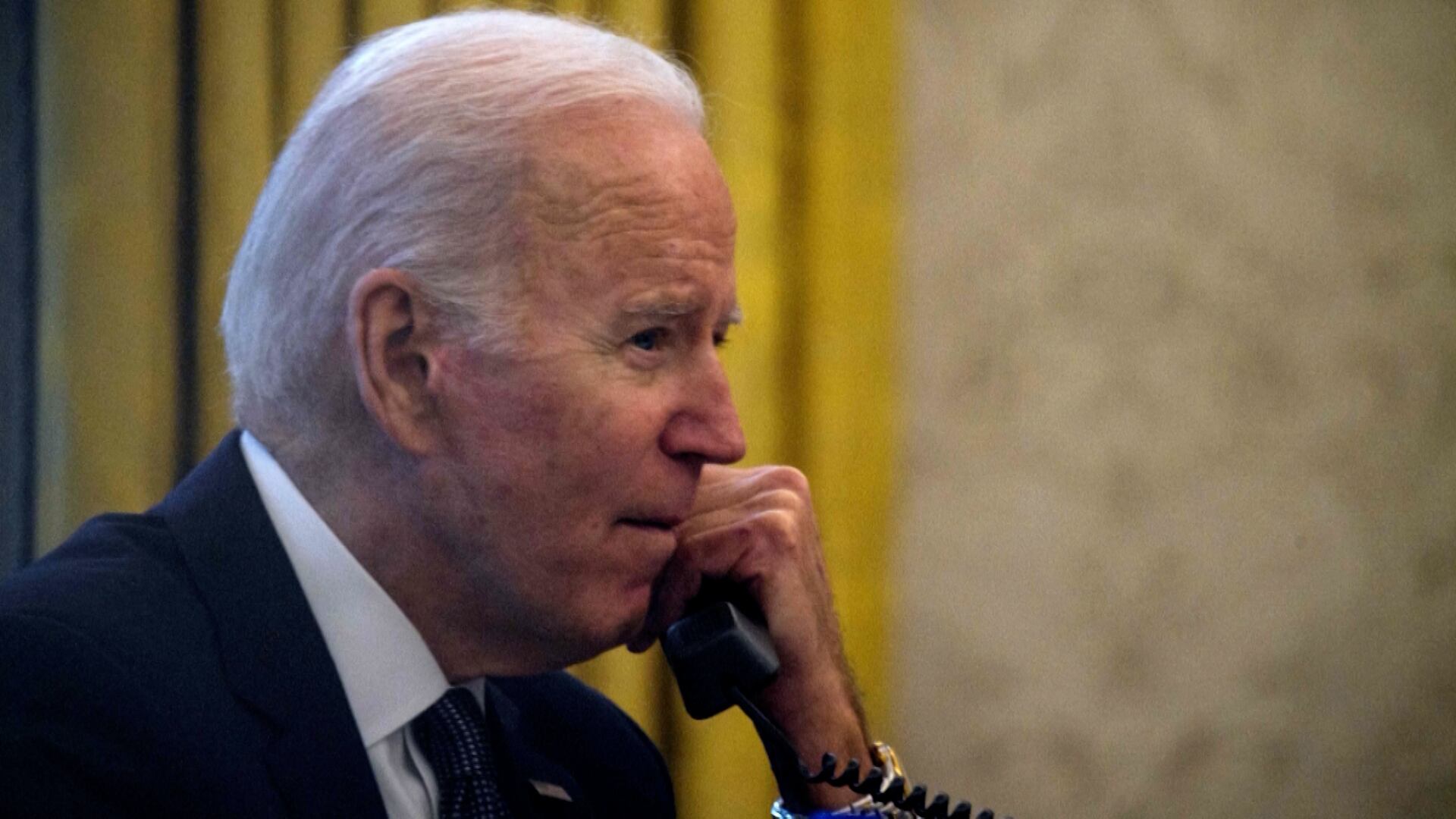
Joe Biden was in Philadelphia on Tuesday morning to deliver remarks about the civil unrest that has erupted across the nation after the police killing of George Floyd. He didn't talk about the primary, instead, focusing his attention on President Donald Trump, whom Biden blasted as “more interested in power than in principle.”
Biden is already the presumptive Democratic presidential nominee and needs to win 89% of all delegates at stake on Tuesday to formally clinch the nomination. With a dominant showing on Super Tuesday in early March, the former vice president pushed out all his major opponents. He will almost certainly secure the needed delegates later in the month, if necessary.
Vermont Sen. Bernie Sanders is not actively campaigning, having suspended his operation and endorsed Biden, but his name will appear on the ballots. On the eve of Tuesday's primaries, senior adviser Jeff Weaver encouraged progressives to vote for Sanders anyway.
“People who support Bernie Sanders and his agenda, who want to maximize the influence of progressives at the convention, should cast their vote for Bernie Sanders,” Weaver said, reminding voters that the Vermont senator is seeking leverage to shape the party's platform and rules.
The comments serve as a reminder that Biden may have no legitimate Democratic rivals remaining but must still win over skeptical activists from his party’s far-left flank, who worry he’s too close to the political establishment.
Party unity will likely be an afterthought this week, however, as more immediate health and safety concerns dominate the national conversation. The coronavirus death toll has surged past 100,000 nationwide, and thousands of new cases are reported each day.
At the same time, several major cities, including some voting Tuesday, are grappling with protests.
Some voters said Trump’s increasingly tough tone toward protesters inspired them to participate in the democratic process. Nicholas Autiello, who works in finance in Rhode Island, said he was disturbed by police driving back peaceful demonstrators near the White House on Monday.
“Last night, we have a president who is acting like a dictator,” Autiello said. “So being able to come out here this morning and fill in a circle next to a name for someone who I know will restore honor and decency to the presidency was so important.”
Washington, D.C., Mayor Muriel Bowser ordered a 7 p.m. curfew on Tuesday, though voting places will be open until 8 p.m. Voting has been deemed essential, and city officials say voters will not be subject to arrest if they cast ballots during the curfew. Philadelphia moved its 6 p.m. curfew back to 8:30 p.m. for Tuesday to accommodate voting.
“We are in unique times, and voting is a unique challenge for people,” said Josh Schwerin, chief strategist for the pro-Democrat super PAC Priorities USA. He said that his organization and others will be watching closely on Tuesday “to see how well it works, where issues are and where obstacles have been put in place.”
Political groups have had to adjust as some states move to a system that relies largely on voting by mail. They include Montana, where all 56 counties decided to vote entirely by mail. Voting rights watchdogs in multiple states have expressed concerns about access to mail ballots, confusion about deadlines, and a shortage of poll workers that could lead to long lines.
Those voting Tuesday include the District of Columbia, Idaho, Indiana, Maryland, Montana, New Mexico, Pennsylvania, Rhode Island, and South Dakota. Another state holding primary elections, Iowa, chose its presidential nominee early in the year and focused on other offices.
___
Associated Press writer Rodrique Ngowi in Providence, R.I., contributed to this report.