*By Michael Teich*
At a time when misinformation floods digital news platforms, and internet trolls take over comment sections, online news platform NewsPicks is turning to high-profile curators for quality content.
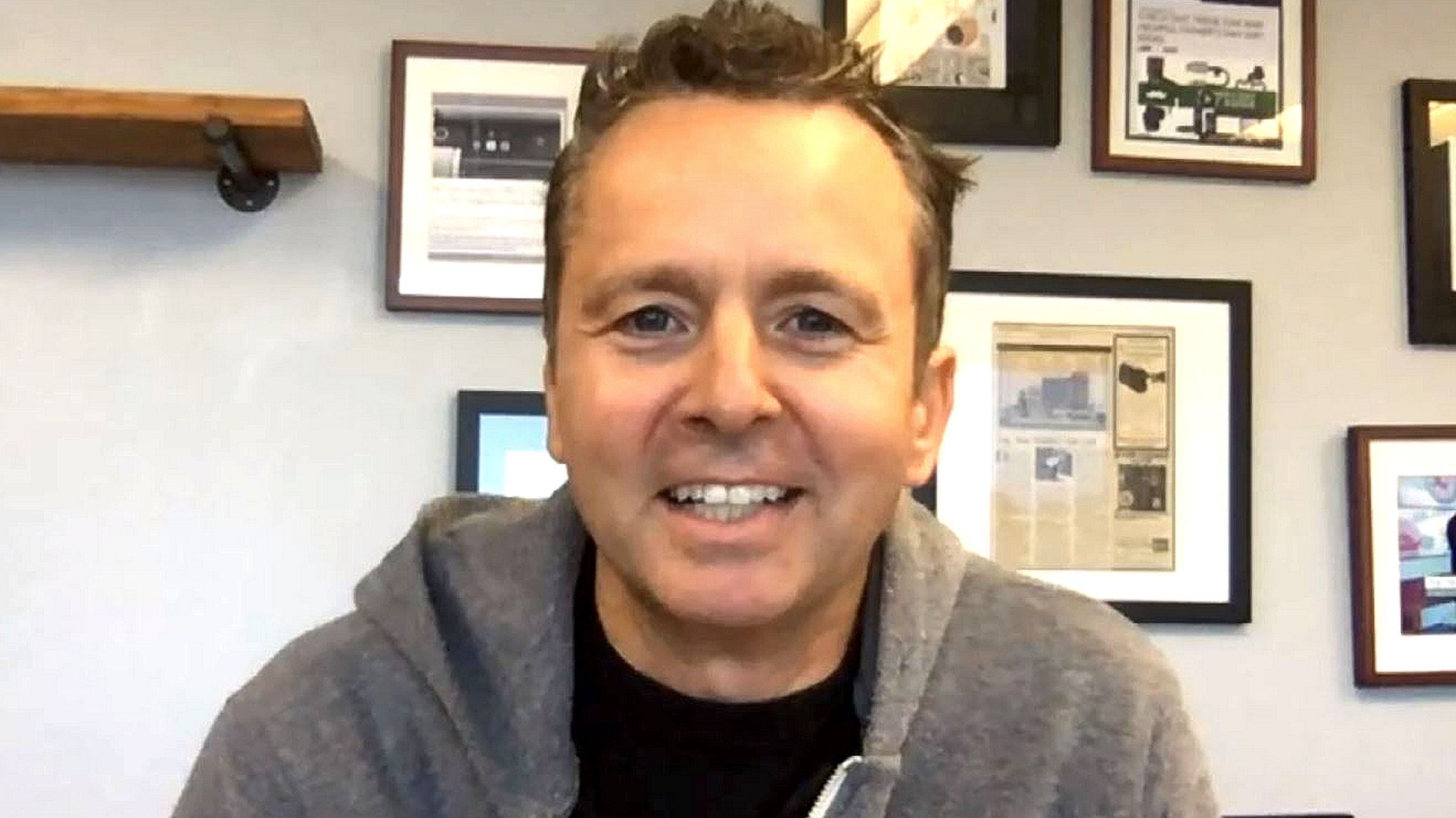
Curation led by trusted sources increases the "chance of bringing in the best content that's obviously not fake," said CEO Ian Myers.
The growing need to purge tech sites of potentially problematic content was highlighted most recently by Twitter which, [according to the Washington Post](https://www.washingtonpost.com/technology/2018/07/06/twitter-is-sweeping-out-fake-accounts-like-never-before-putting-user-growth-risk/), suspended 70 million fake accounts over the last two months and was banning more than a million accounts a day.
Fears that such a culling would cut into user growth sent shares of Twitter reeling Monday, though the stock was about to pare losses after CFO Ned Segal [tweeted](https://twitter.com/nedsegal/status/1016371745933033472) that such accounts were not counted in the company's metrics.
Still, the way news is digested and delivered is undergoing a period of disruption, and tech companies such as Apple, Google, and Facebook are looking to seize the market. But the aggregation by Silicon Valley natives lacks originality, Myers told Cheddar.
“It’s commodity news. Doesn’t matter where you get it. It’s just where you click first.”
NewsPicks is owned by a Japanese media company that also acquired Quartz last week for up to $110 million.
For the full segment, [click here.](https://cheddar.com/videos/newspicks-ceos-key-to-winning-digital-news-quality-over-quantity)
The smart location company that manufacturers a Bluetooth tracker to incorporate with your precious objects recently raised $45 million in funding.
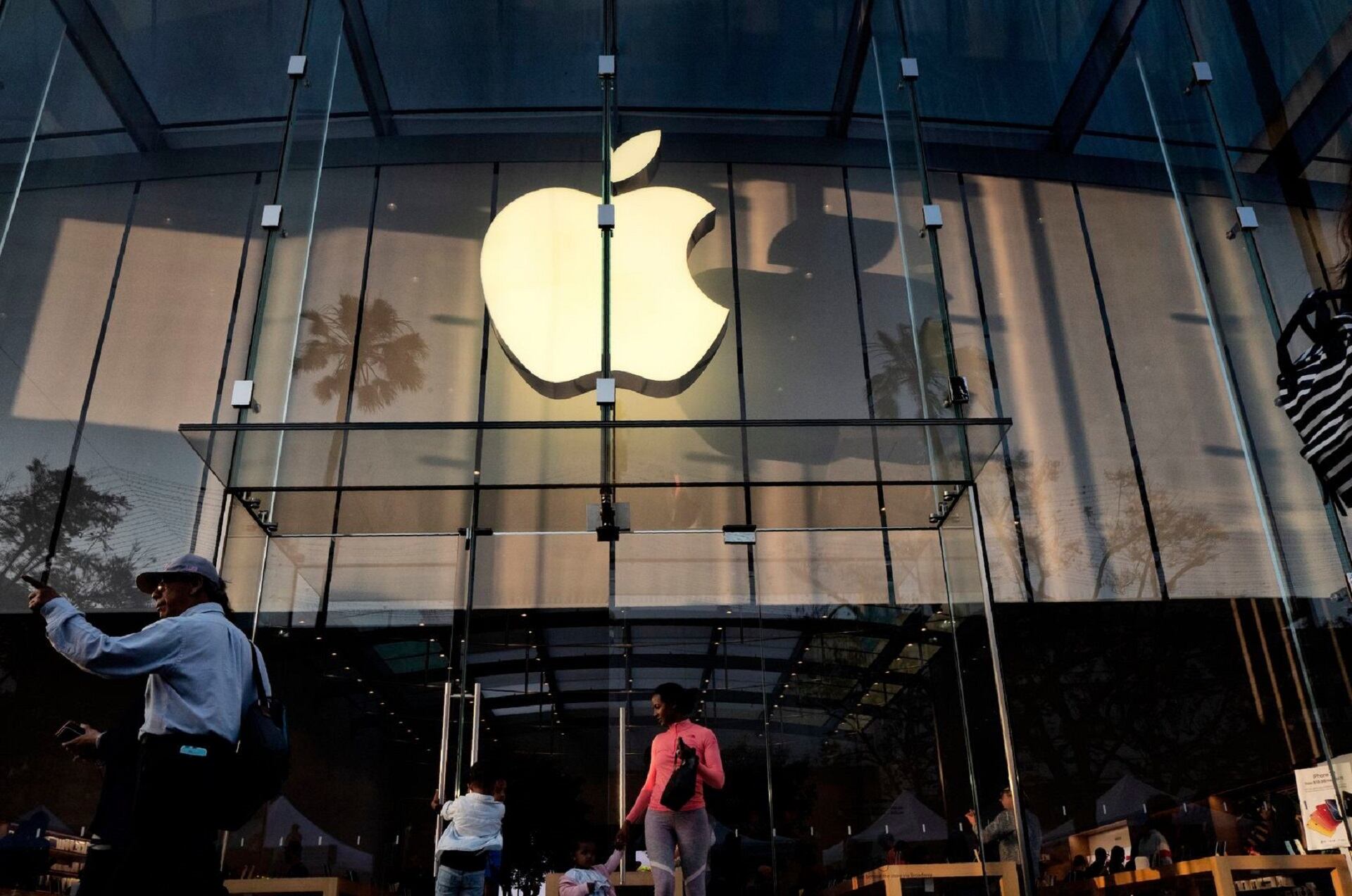
Apple released its third quarter earnings on Tuesday after the bell, slightly beating expectations despite slowing iPhone sales.
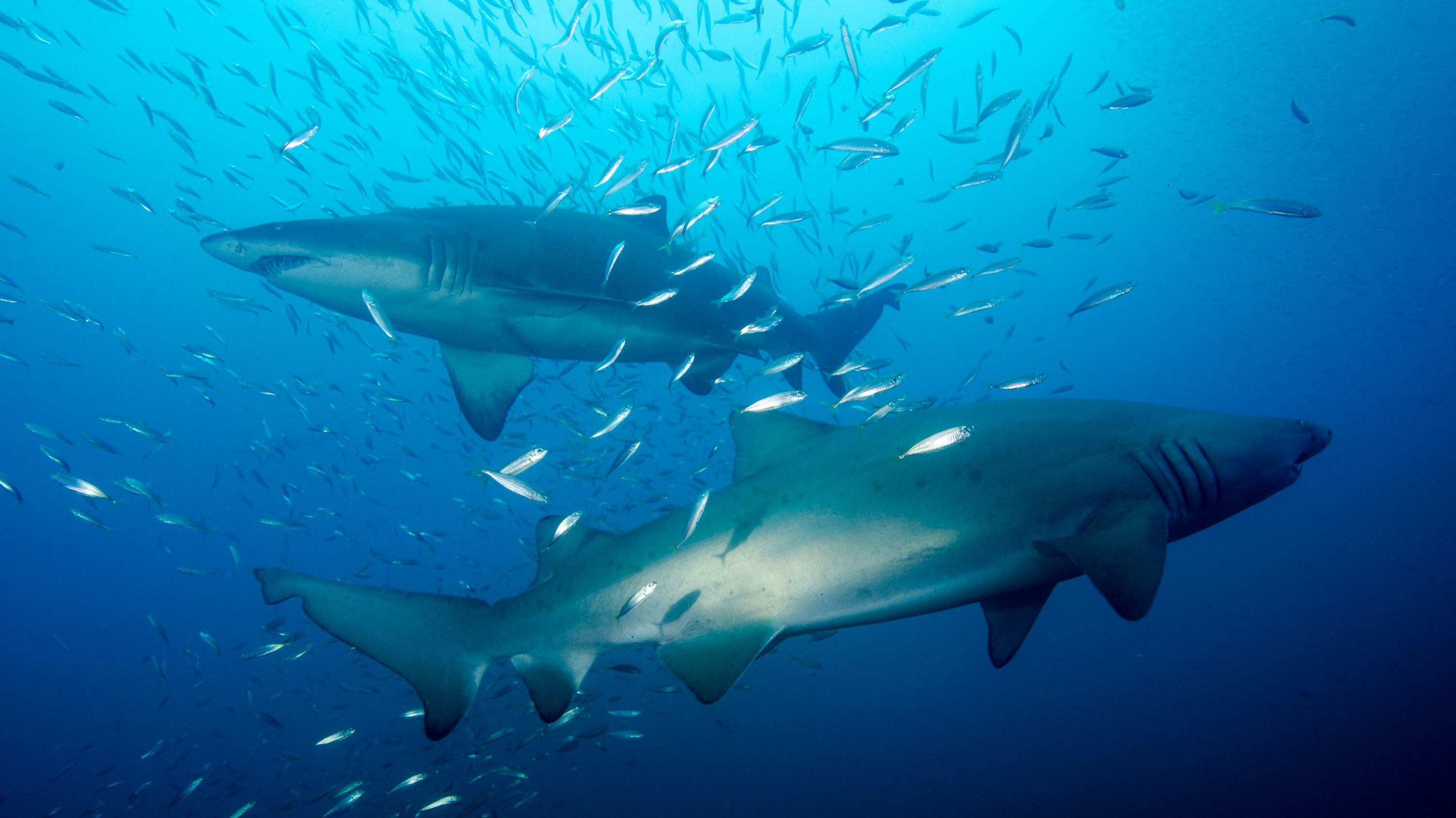
Shark Week is back for its 31st year and fans can bite into a new lineup of shows featuring some of the ocean's fiercest predators.
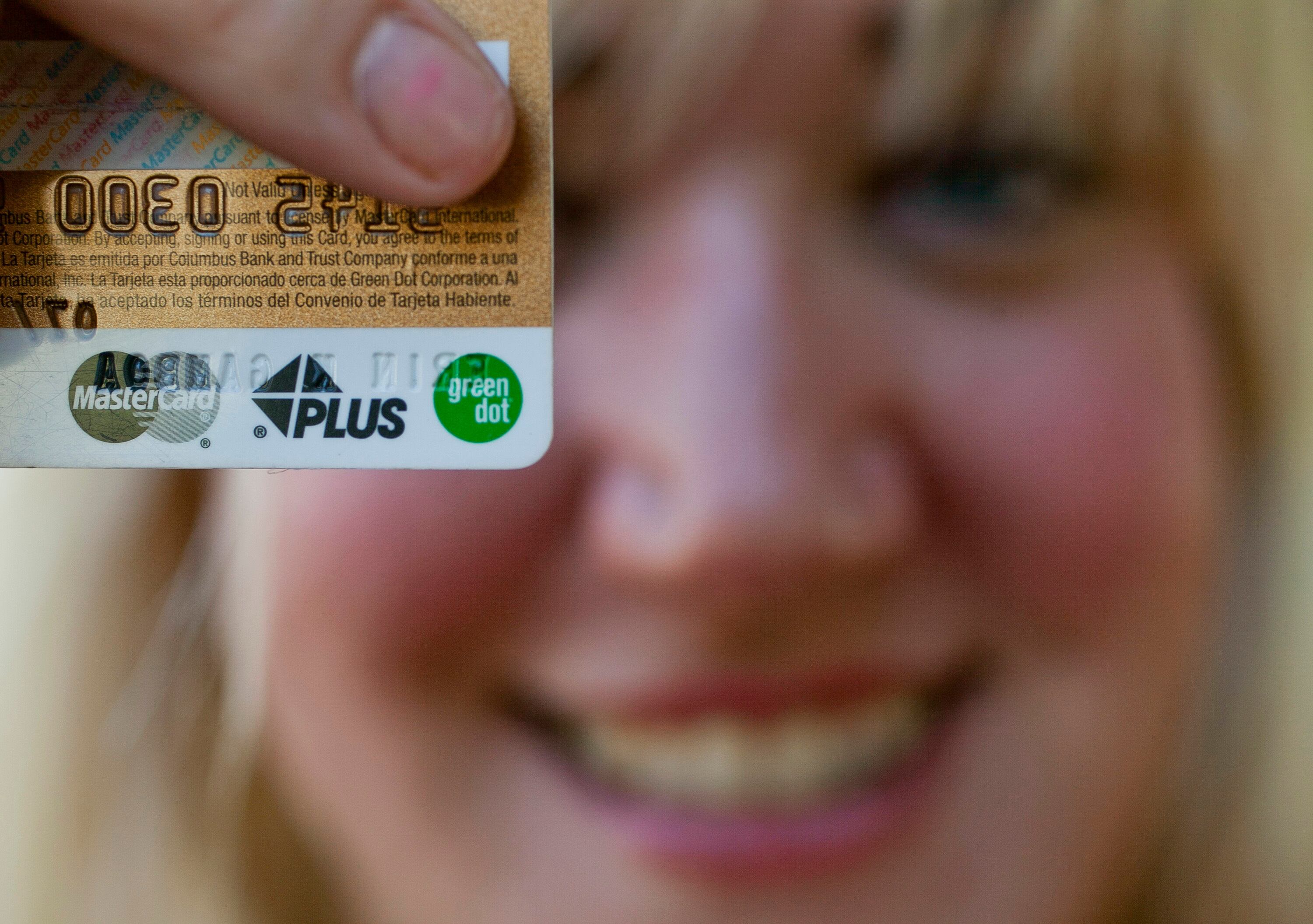
Green Dot, the inventor of prepaid debit cards and the invisible banking platform behind fintech startups and brands like Uber and Apple Pay, is becoming a direct-to-consumer brand with the launch of (yet another) high-yield savings account and a cash-back checking account.
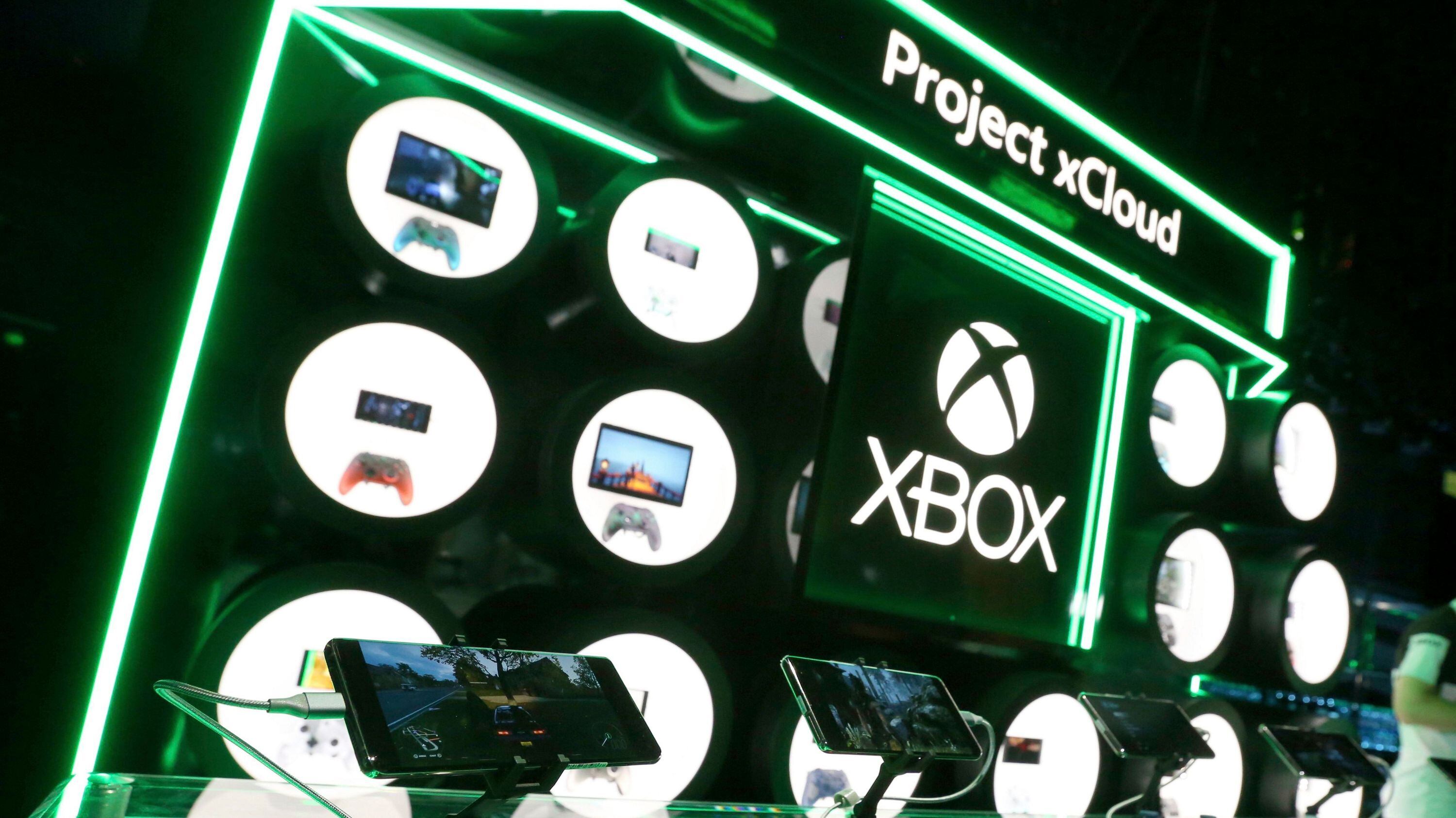
With Project xCloud, Microsoft throws its hat in the ring against the upcoming Google Stadia and the already-existing PlayStation Now service, allowing games to stream from hardware located in the cloud network.
Chicago-based cannabis company Cresco Labs unveiled a new dispensary and retail cannabis shop concept on Monday. Called Sunnyside, the concept emphasizes health and wellness and aims to create an accessible, immersive retail environment that pushes Cresco along on its mission of creating a nationally-recognizable cannabis brand.
Cheddar spoke to Twitter's head of global operations and emerging businesses Yannis Dosios after the social media platform shared strong earnings with the number of monetizable daily active users going up.
From Wall Street to Silicon Valley, these are the top stories that moved markets and had investors, business leaders, and entrepreneurs talking this week on Cheddar.
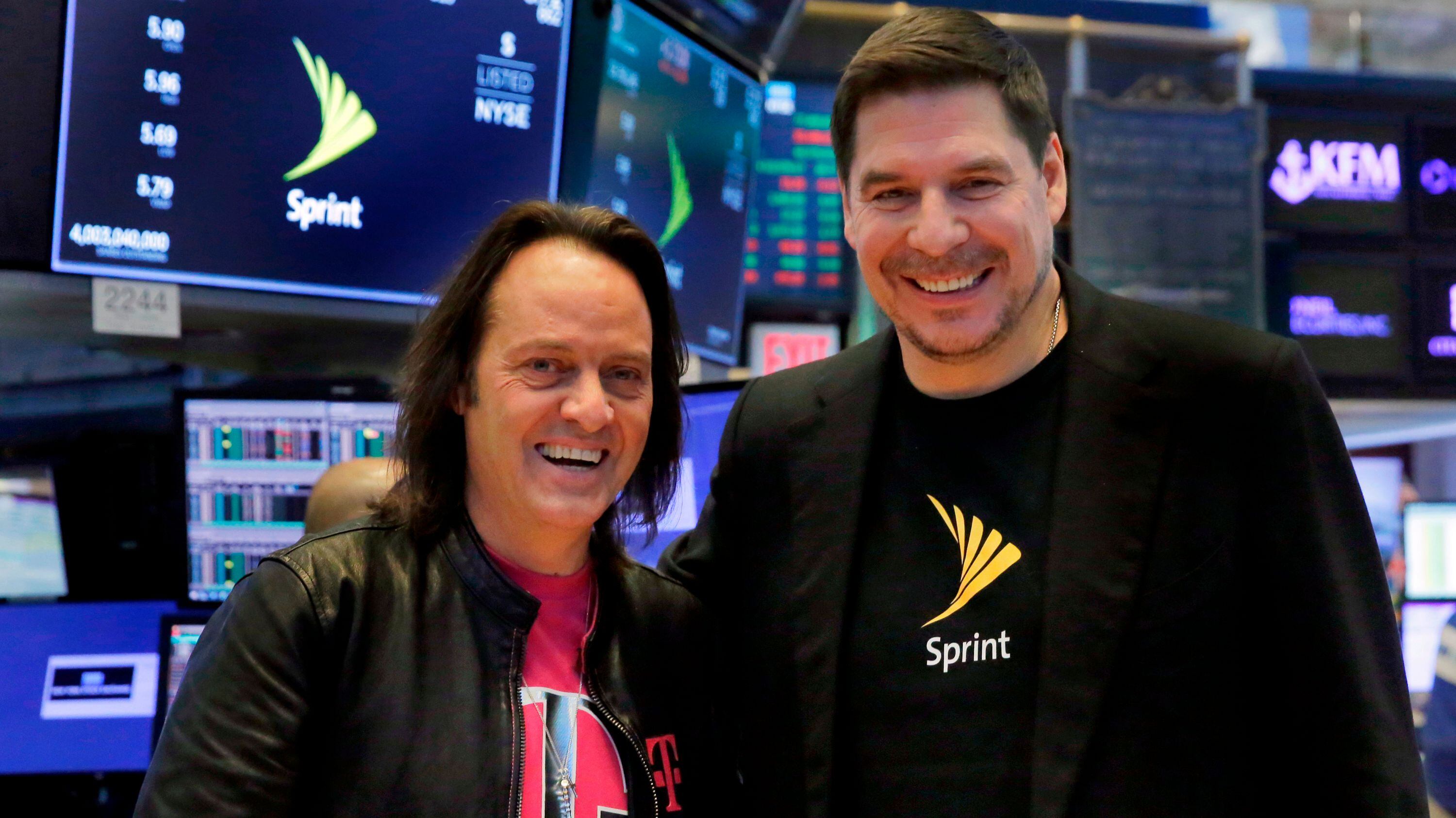
The Department of Justice has required that Sprint divest its prepaid division to Dish in a move worth about $1.4 billion. Sprint and T-Mobile must also make 200,000 cell sites available to that provider as well.
Digital health company Livongo had a successful public debut Thursday on the Nasdaq. It's the latest in a wave of digital health companies entering the public markets. Hemant Taneja, managing director at General Catalyst, joins Cheddar to discuss.