*By Michael Teich*
At a time when misinformation floods digital news platforms, and internet trolls take over comment sections, online news platform NewsPicks is turning to high-profile curators for quality content.
Curation led by trusted sources increases the "chance of bringing in the best content that's obviously not fake," said CEO Ian Myers.
The growing need to purge tech sites of potentially problematic content was highlighted most recently by Twitter which, [according to the Washington Post](https://www.washingtonpost.com/technology/2018/07/06/twitter-is-sweeping-out-fake-accounts-like-never-before-putting-user-growth-risk/), suspended 70 million fake accounts over the last two months and was banning more than a million accounts a day.
Fears that such a culling would cut into user growth sent shares of Twitter reeling Monday, though the stock was about to pare losses after CFO Ned Segal [tweeted](https://twitter.com/nedsegal/status/1016371745933033472) that such accounts were not counted in the company's metrics.
Still, the way news is digested and delivered is undergoing a period of disruption, and tech companies such as Apple, Google, and Facebook are looking to seize the market. But the aggregation by Silicon Valley natives lacks originality, Myers told Cheddar.
“It’s commodity news. Doesn’t matter where you get it. It’s just where you click first.”
NewsPicks is owned by a Japanese media company that also acquired Quartz last week for up to $110 million.
For the full segment, [click here.](https://cheddar.com/videos/newspicks-ceos-key-to-winning-digital-news-quality-over-quantity)
Cheddar's Need2Know Podcast for Tues., June 16, 2020.
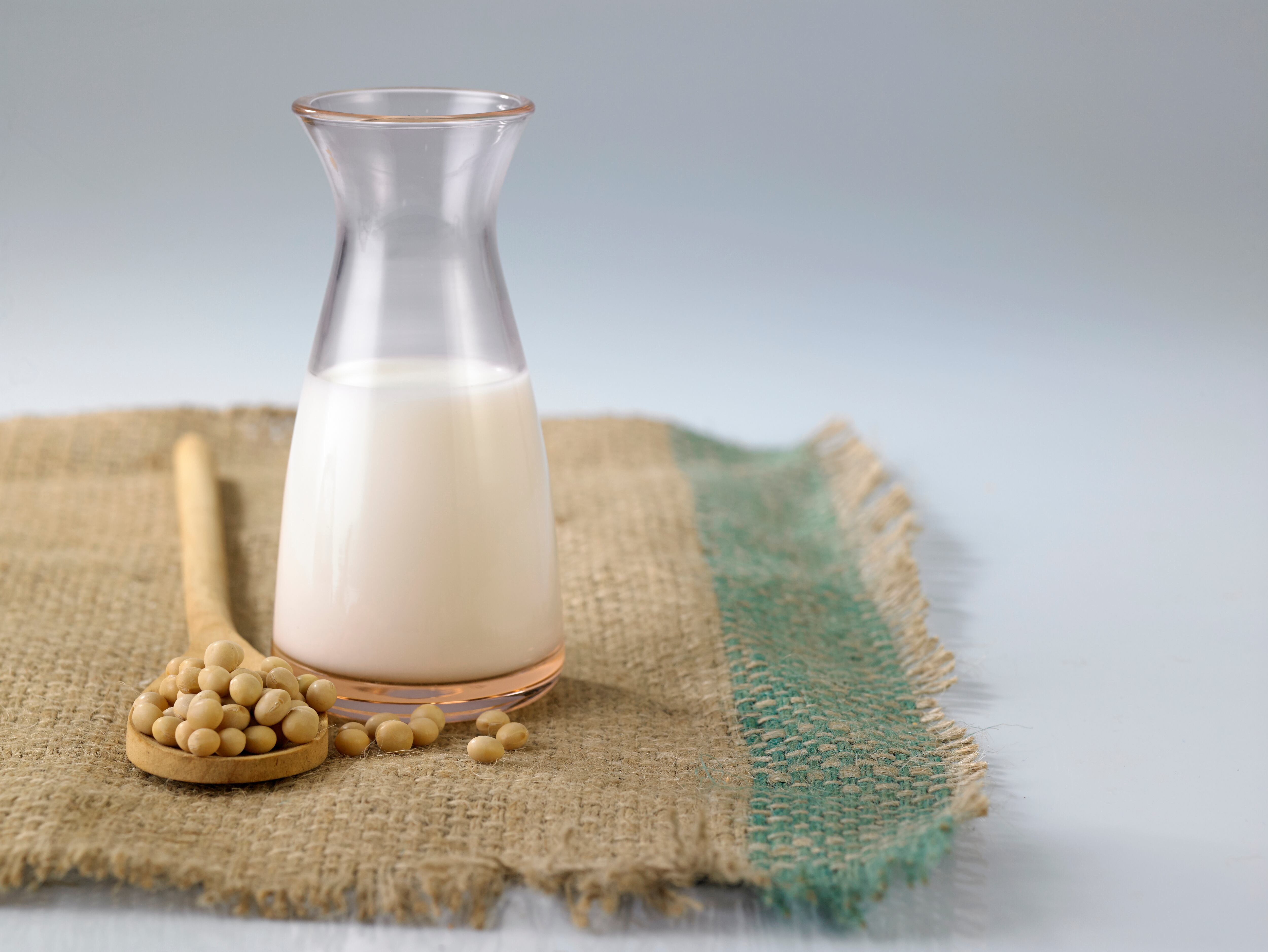
From milk to canned tuna to shampoo, soy is in a good majority of our day-to-day products. It’s added to around 60% of the nation’s processed foods. Soy has been known to provide some real health benefits, like high protein. But there are legitimate health and environmental consequences that raise the question: why do we use so much soy? And should we?
Recent data shows that Quibi isn't gaining as much traction with viewers as one might expect, especially with the initial subscribers' three-month free trial period wrapping up in a few weeks.
From Wall Street to Silicon Valley, these are the top stories that moved markets and had investors, business leaders, and entrepreneurs talking this week on Cheddar.
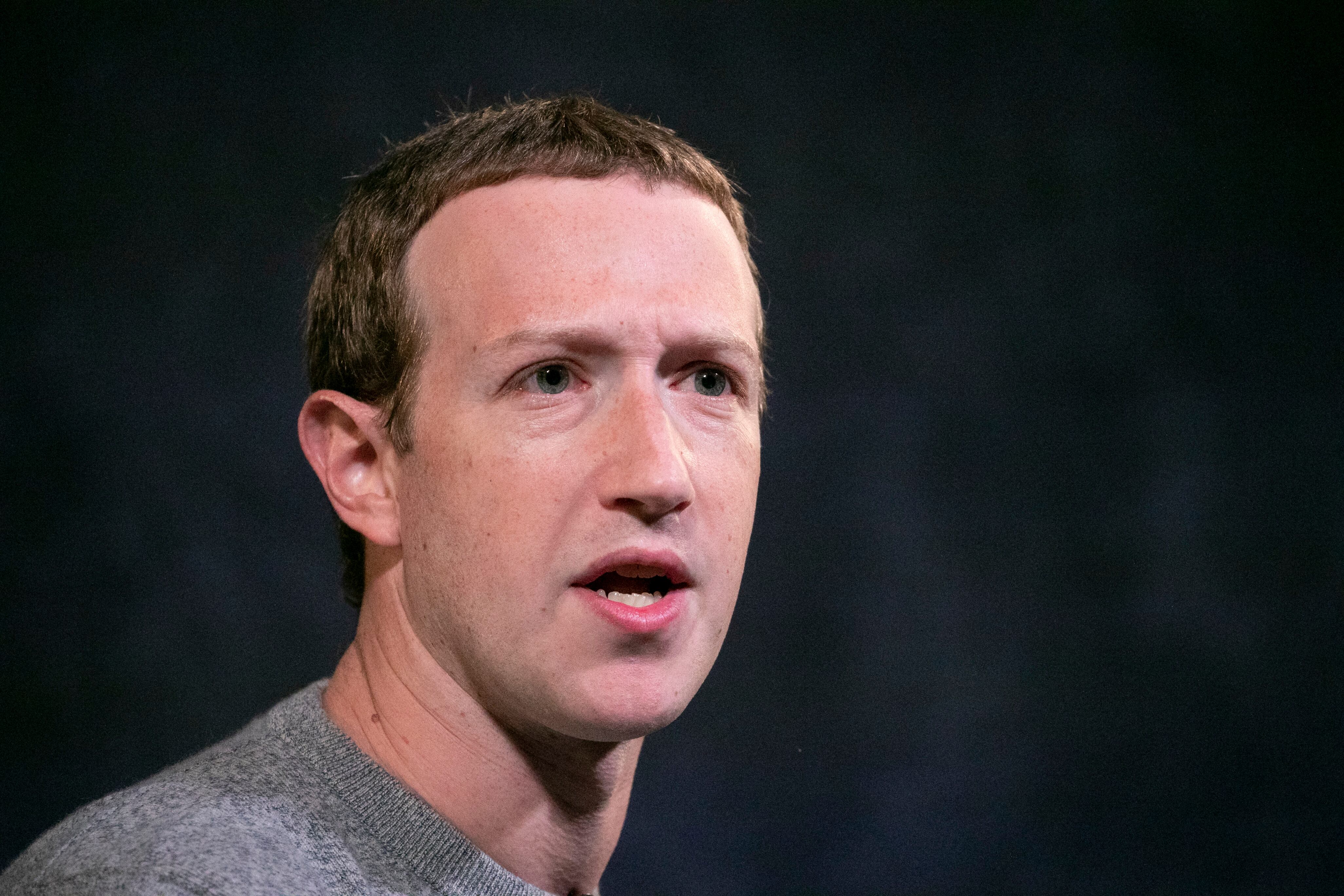
As Twitter waded into controversy for taking steps to fight misinformation and controversial remarks from perhaps its most famous tweeter, President Donald Trump, Facebook has taken the opposite tack, but with no less backlash.
Nikola Motor Company, the hydroge-electric truck manufacturer,
If you lived in a big city in the 90s, you're probably one of the unlucky people who was kept up at night on a regular basis by errant car alarms. But today, those in that same big city hear alarms far less often than you did. So where did car alarms go? How have they evolved, and did we ever need them to begin with?
The online used-car marketplace, Vroom, began trading on Nasdaq on Tuesday, doubling its IPO price.
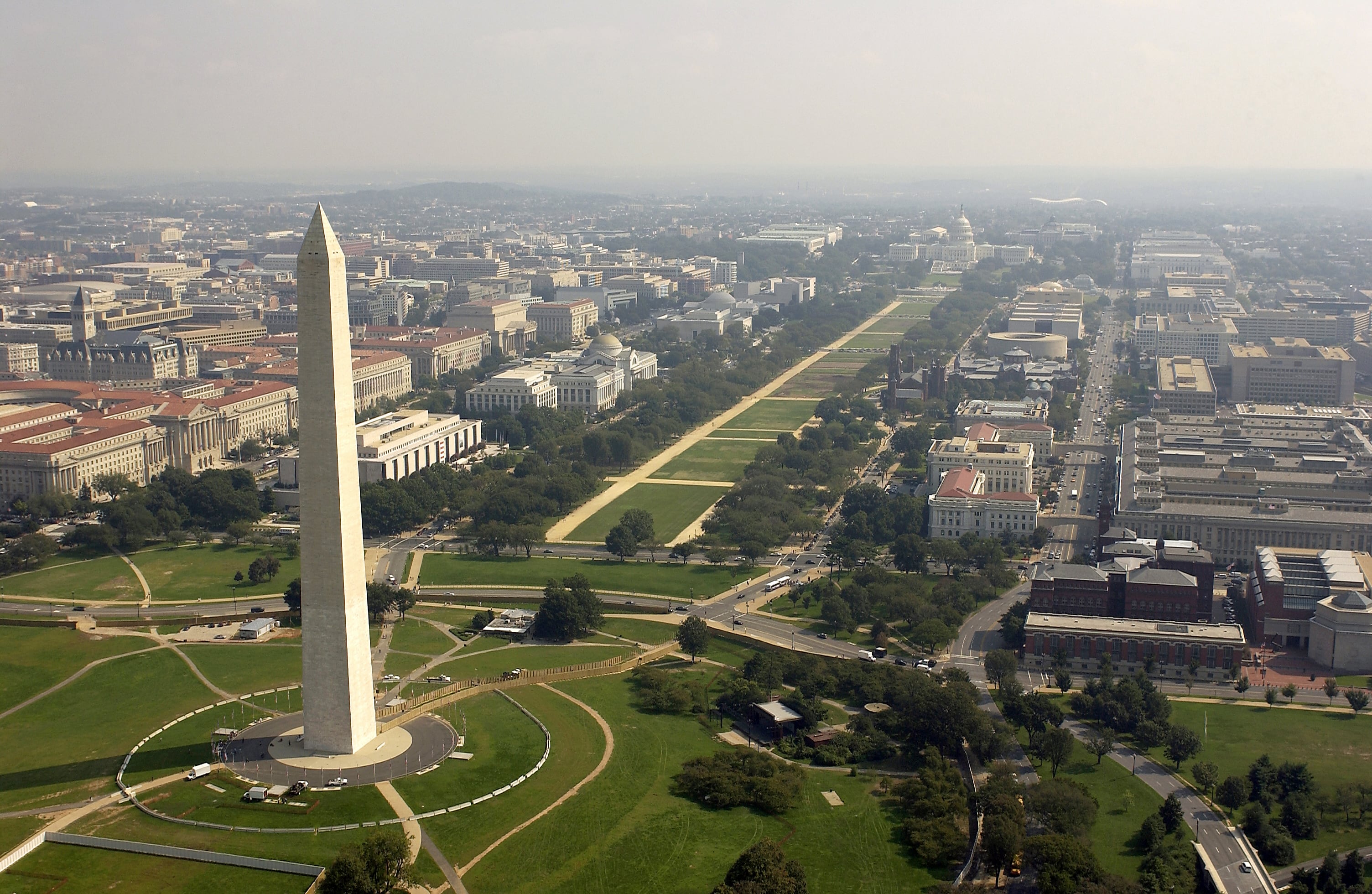
The skyline of Washington D.C. is stunted. You've probably heard that D.C. can't build skyscrapers taller than the U.S. Capital Building or the Washington Monument. But those are both myths from a bygone era. Cheddar tells the real story.
IBM says it is getting out of the facial recognition business over concern about how it can be used for mass surveillance and racial profiling.