As scrutiny into the practices of large tech firms increases, the House Judiciary Antitrust Subcommittee on Tuesday held a hearing on the impact platforms like Google and Facebook have on the media.
“All of these companies say the right things ー and they’ve put some charitable money behind trying to make publishers happy,” David Chavern, the president and CEO of the News Media Alliance, told Cheddar after testifying at the hearing. “We don’t need or want charity. What we want is a sustainable business relationship. And we haven’t gotten there yet.”
The News Media Alliance, formerly known as the Newspaper Association of America, is a trade association that represents about 2,000 newspapers in North America. Others who testified at the hearing included David Pitofsky, general counsel for News Corp and Sally Hubbard, the director of enforcement strategy at the Open Markets Institute.
At the hearing, lawmakers discussed the online advertising market, fact-checking, and fake news, among other topics.
Journalism, and even digital-first outlets, have for years struggled to sustain profitable business models. Outlets have typically relied on a combination of ad-revenue and subscriptions, but social media platforms and search engines, namely Facebook ($FB) and Google ($GOOGL), have forced publishers to compete with free content available across the entire internet, and not just their media peers.
Newsroom jobs have declined by nearly a quarter in the past decade, according to Pew.
Meanwhile, the Bureau of Labor Statistics reports that since the start of the millennium, newspaper industry jobs more broadly have been cut by half.
The power of tech platforms has motivated some politicians, and some journalists, to call for their breakup (though that may not be the only antitrust remedy available).
There’s also proposed legislation for the journalism industry specifically, titled the Journalism Competition and Preservation Act, that would allow news organizations to organize collectively against large tech companies without facing pricing collusion violations themselves.
"Companies like Facebook and Google swallow up 60 percent of digital ad revenue, and so it doesn't leave much of the pie for the actual content creators, and for news publishers, which is why I got laid off in January, it's why local newspapers are going under," Laura Bassett, a former culture and political reporter for nearly 10 years at HuffPost, told Cheddar Tuesday.
The News Media Alliance has estimated that Google makes $4.7 billion from news every year, a number, which gained attention through a New York Times article just before the hearing.
But the Alliance’s calculations have faced pushback from media commentators and outlets like Nieman Lab and Intelligencer, since the eye-opening figure appears to be based on a single quote from 2008 from then Google vice president Marissa Mayer.
In an email to Cheddar, a Google spokesperson called these numbers “inaccurate” and “back of the envelope calculations.” The company argues that the study ignored what Google provides news sources, such as driving clicks ー Google says around 10 billion ー to publisher websites, which help develop outlets’ subscriptions and ad businesses.
“If you don’t like the study, there's two things that could happen. One, Google could actually — they have the information — they could reveal whatever they think the number is. Or, if somebody has a critique, talk about how else you could get at the number,” said Chavern. “But some of the critique seems to imply that we shouldn’t even ask, and I don’t get that at all.”
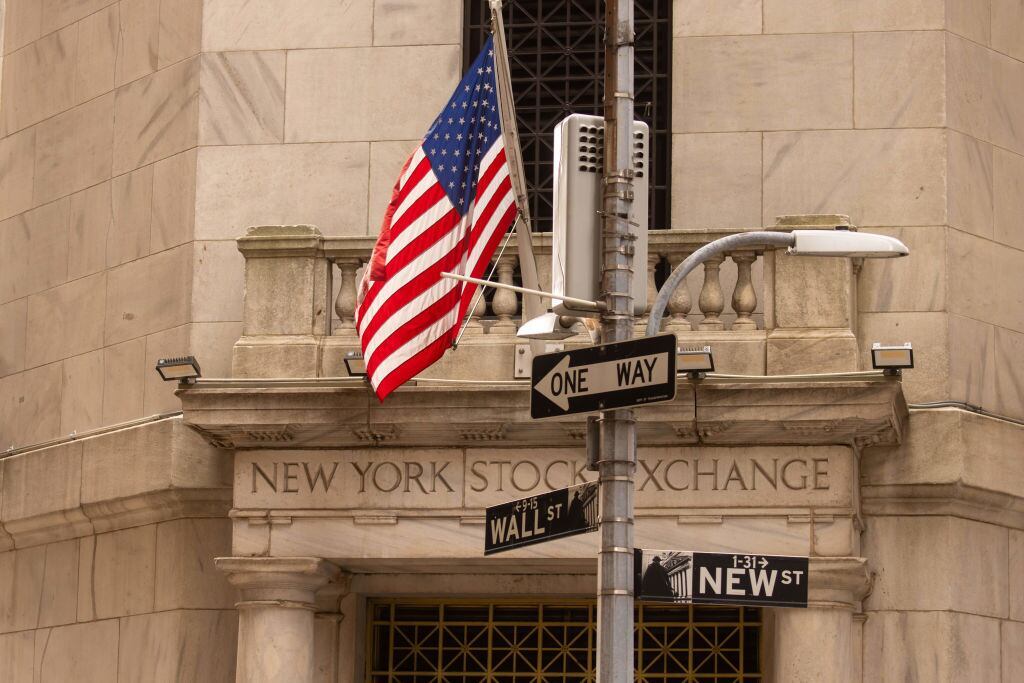
Concerns over inflation have become one of the biggest worries for executives. A survey from The Conference Board shows that more than 900 CEOs consider inflation a top tier concern, a major shift from last year's survey that had it as a low-level concern. Rebecca Ray, Executive Vice President, Human Capital, The Conference Board joined Cheddar's Opening Bell for more.
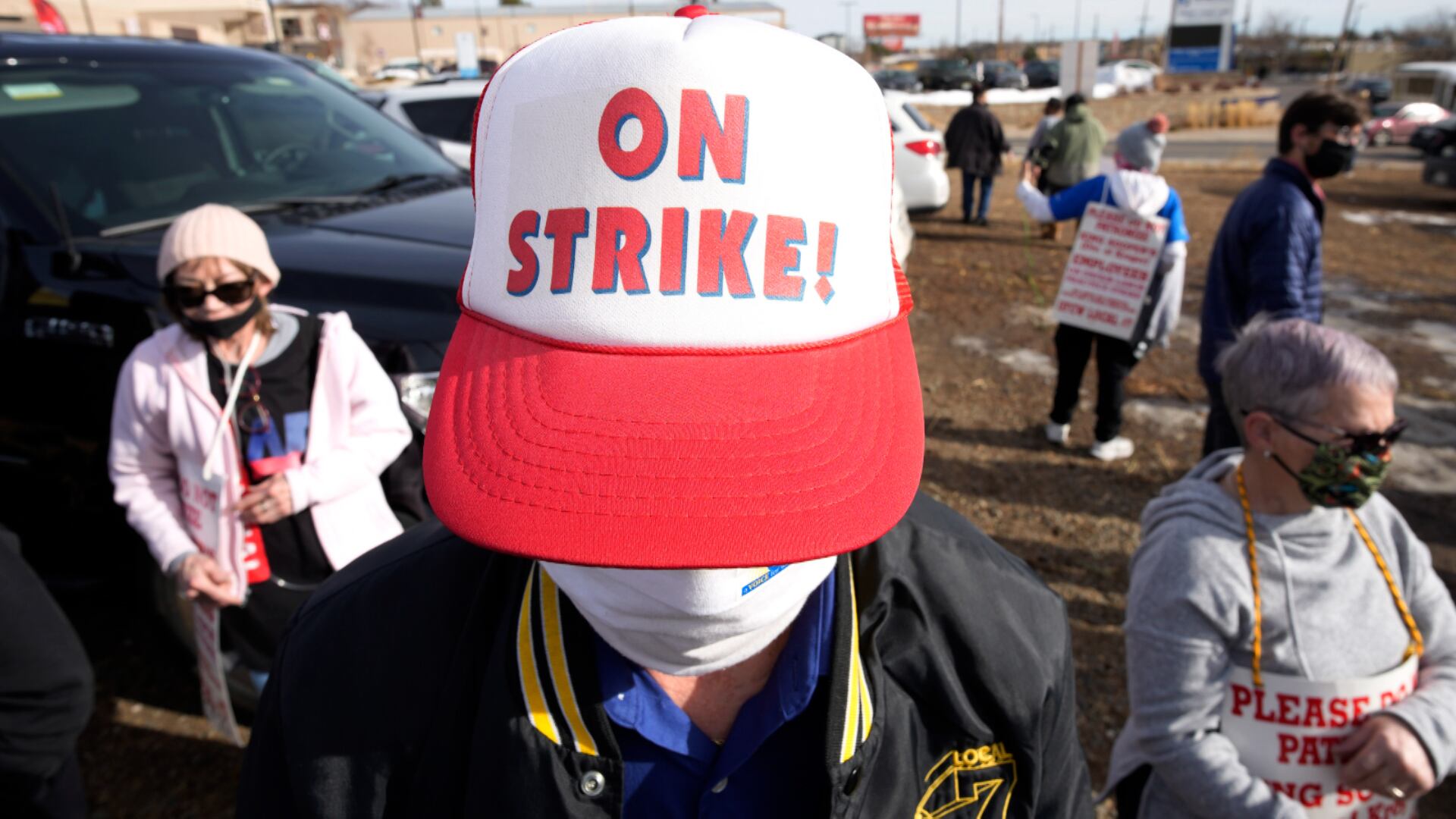
Jordan Zakarin, Media Producer at A More Perfect Union, joined Cheddar News to break down the latest from Colorado, where at least 8,700 Kroger employees walked off the job in demand of increased benefits and wages.
With the 2022 Winter Olympics in Beijing rapidly approaching, clouds of controversy continue to swirl around China's treatment of the Uyghur Muslim minority population, its surveillance state, and security for visiting athletes. Phelim Kine, China correspondent for Politico, joined Cheddar to break down the big storylines surrounding the Beijing Games and highlight what he saw as the complete disregard by top corporate sponsors like P&G, Airbnb, Intel, Visa, and Coca-Cola, for the controversies. "They spend $100 million for every Olympics that they sponsor, and they have frankly shown absolute willful indifference to any type of entreaty to essentially be more vocal about their concerns about human rights in China," he said. Kine also touched on the data privacy fears for athletes as visiting contingents are being told to carry burner phones to avoid security risks.
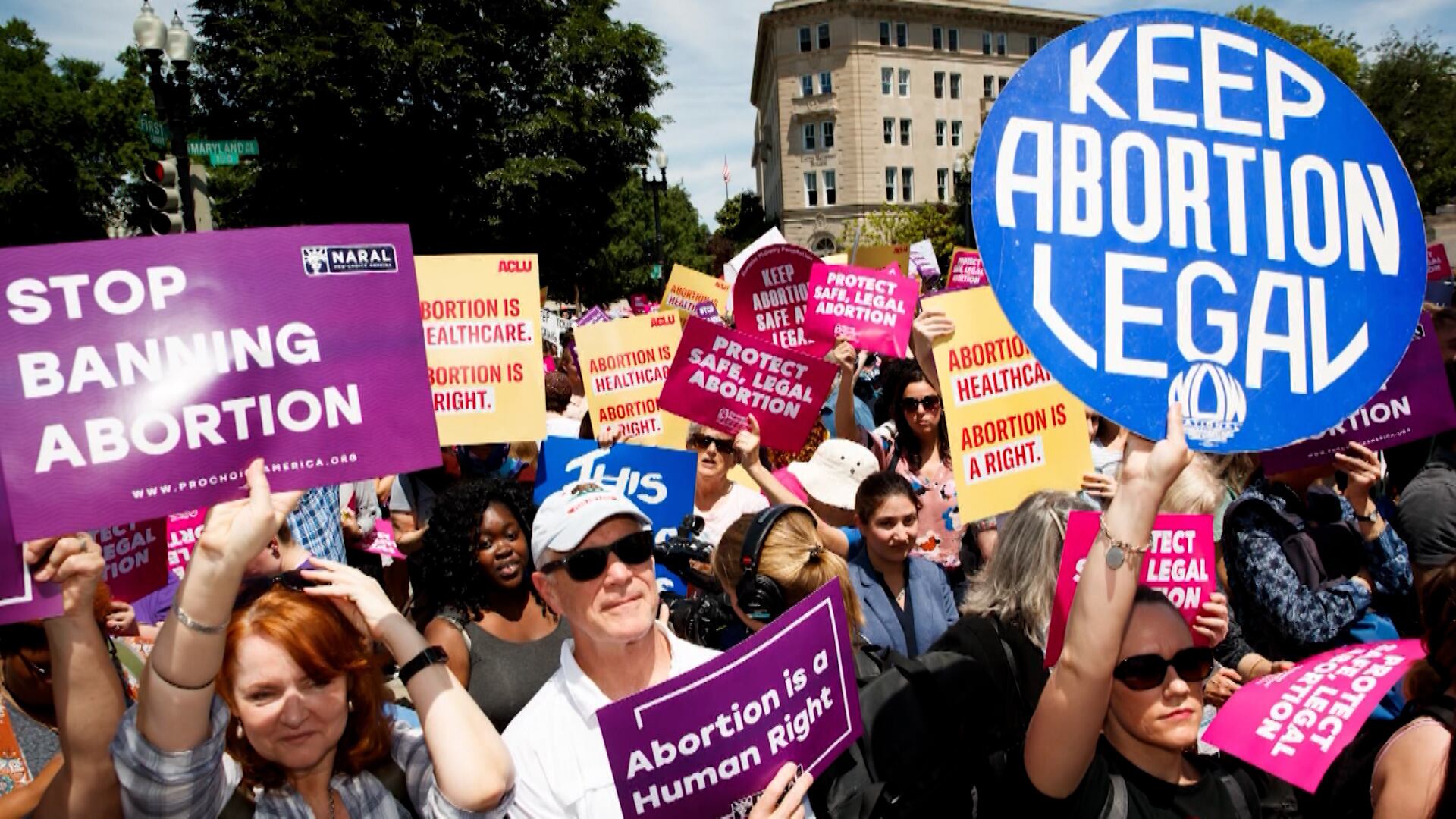
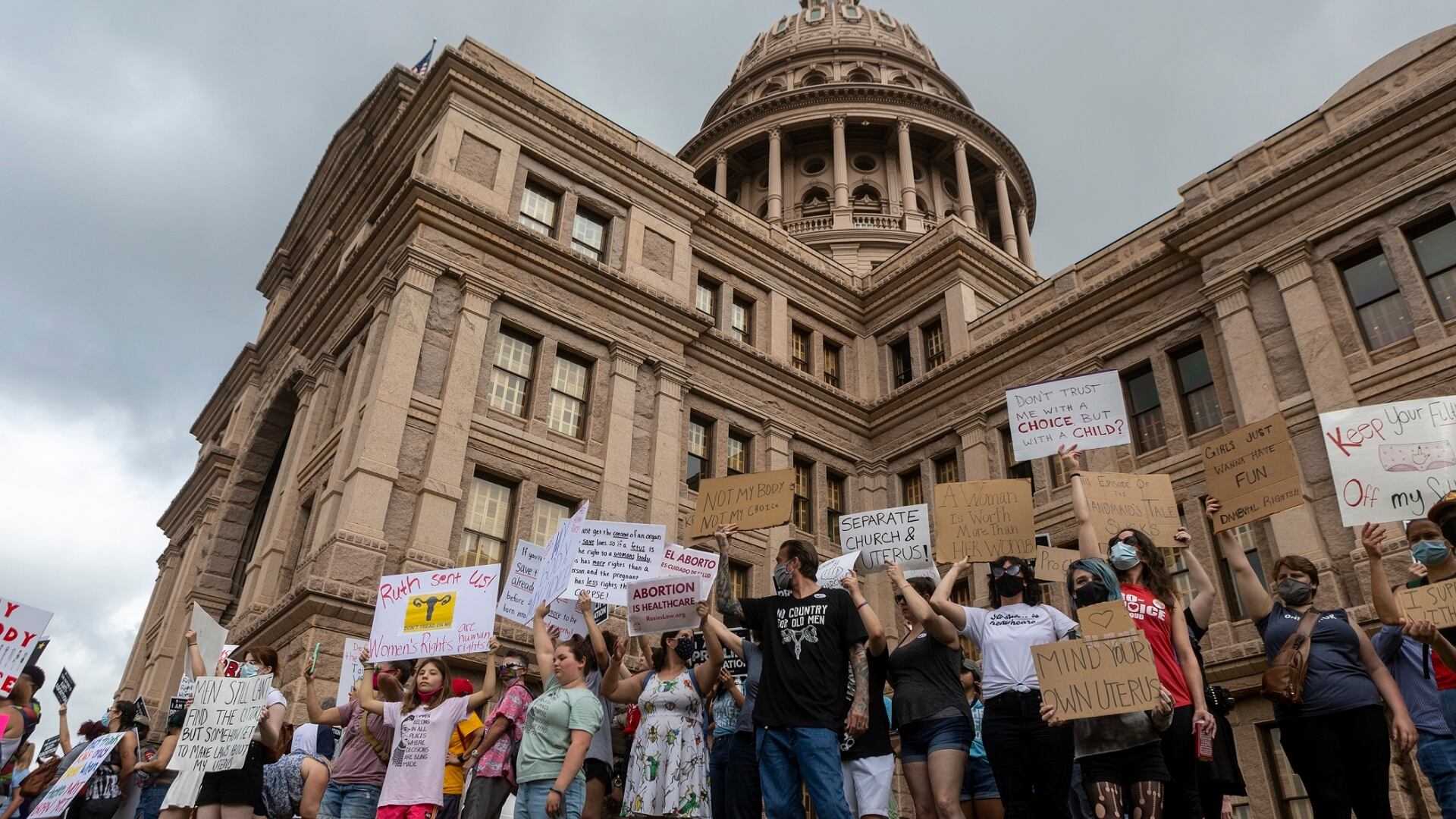
Texas's six-week abortion ban remains in effect after a federal appeals court ruling on Monday. The U.S. court of appeals for the fifth circuit temporarily transferred the case to the Texas Supreme Court, which is expected to leave the dispute in limbo for months to come. Katie Barlow, attorney and media editor of SCOTUSblog, joins Cheddar News to discuss.
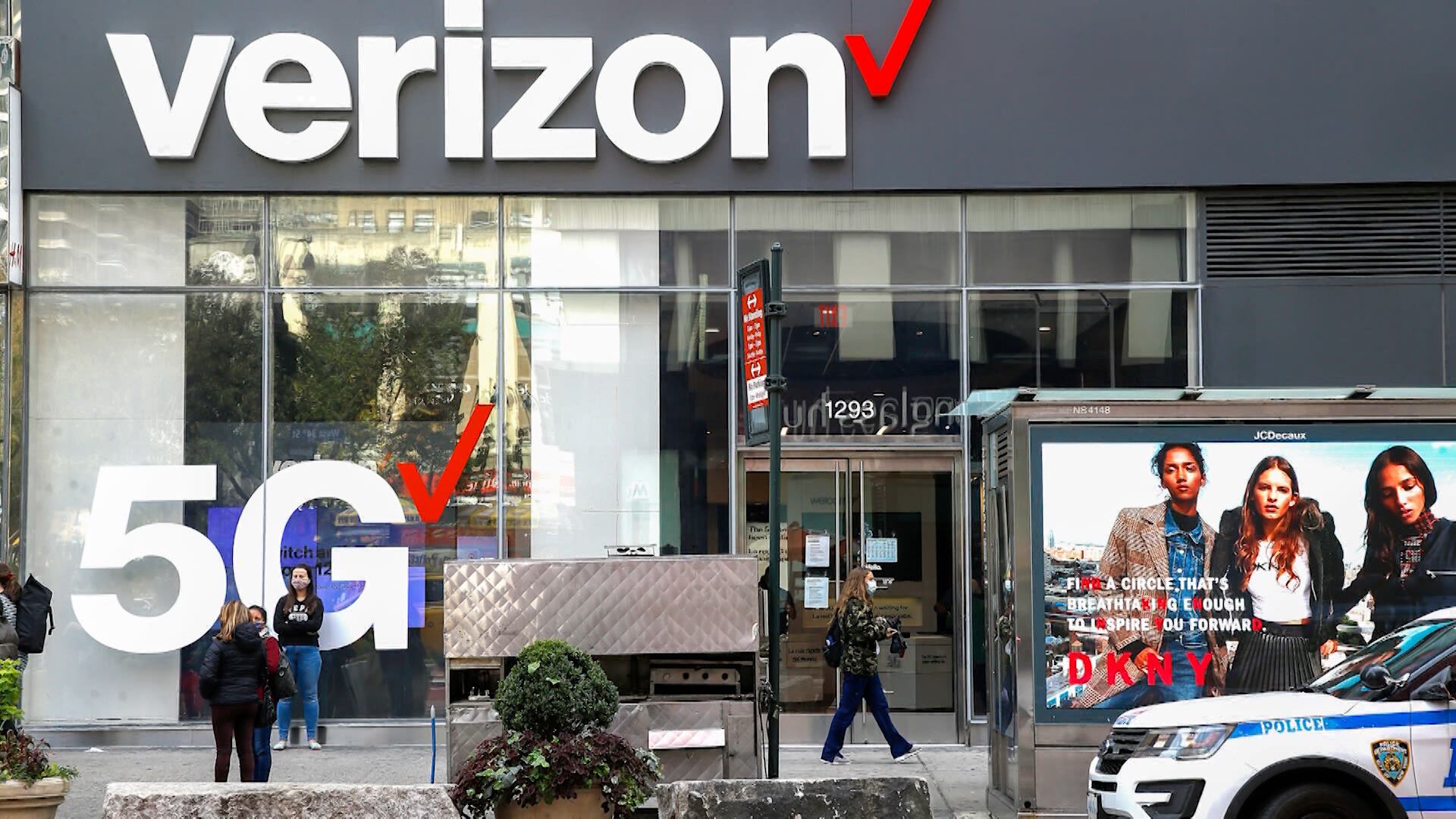
Hugh Odom, founder and president of Vertical Consultants, shared his expertise on telecommunications with Cheddar on the safety issue raised about 5G deployment by airlines. The installation was partially delayed again on Tuesday as the airlines warned of potentially catastrophic delays in a letter to the Biden administration. Later, both Verizon and AT&T relented and put a pause on some of the implementations. "The first thing the Biden administration needs to do is get everybody in the room and say, look, aviation industry, identify the problem — wireless industry, come up with a solution," said Odom.
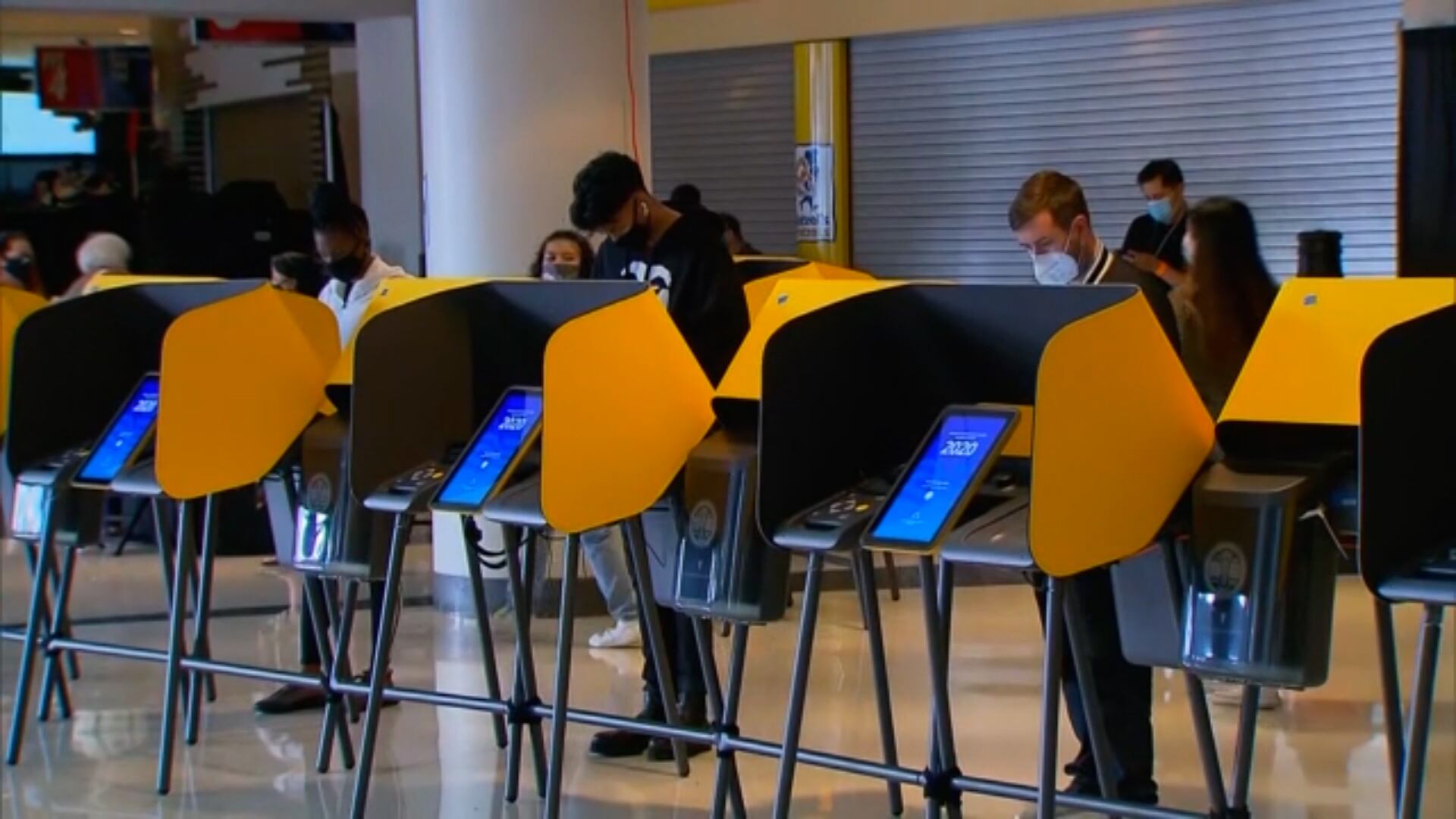
Dave Levinthal, deputy Washington Bureau chief at Insider, joins Cheddar News to discuss Gallup's new survey that reveals more Americans leaned Republican by the end of 2021.
Women's March ATX rally, Saturday, Oct., 2, 2021, at the Texas State Capitol in Austin, Texas. An expected decision by the U.S. Supreme Court in the coming year to severely restrict abortion rights or overturn Roe v. Wade entirely is setting off a renewed round of abortion battles in state legislatures. (AP Photo/Stephen Spillman, File)
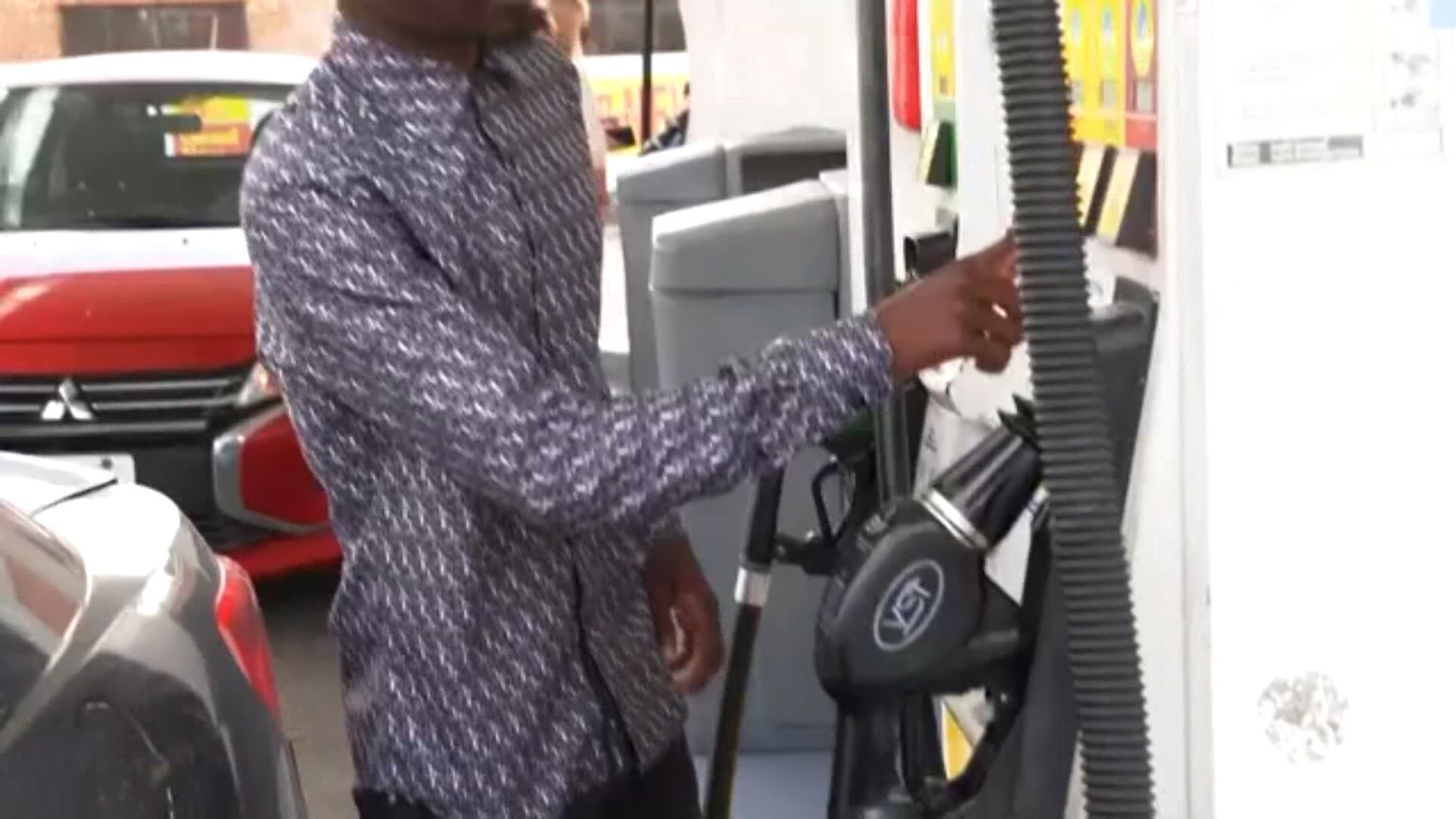
Inflation in the U.S. is only getting hotter. The 12-month inflation rate for December 2021 was the highest in nearly 40 years - continuing the trend seen at the close of 2021.
The Consumer Price Index increased 7% in the 12-month period ending in December, marking the fastest increase since 1982. Scott Wren, Senior Global Market Strategist at Wells Fargo Investment Institute, joined Cheddar's Movers for more.
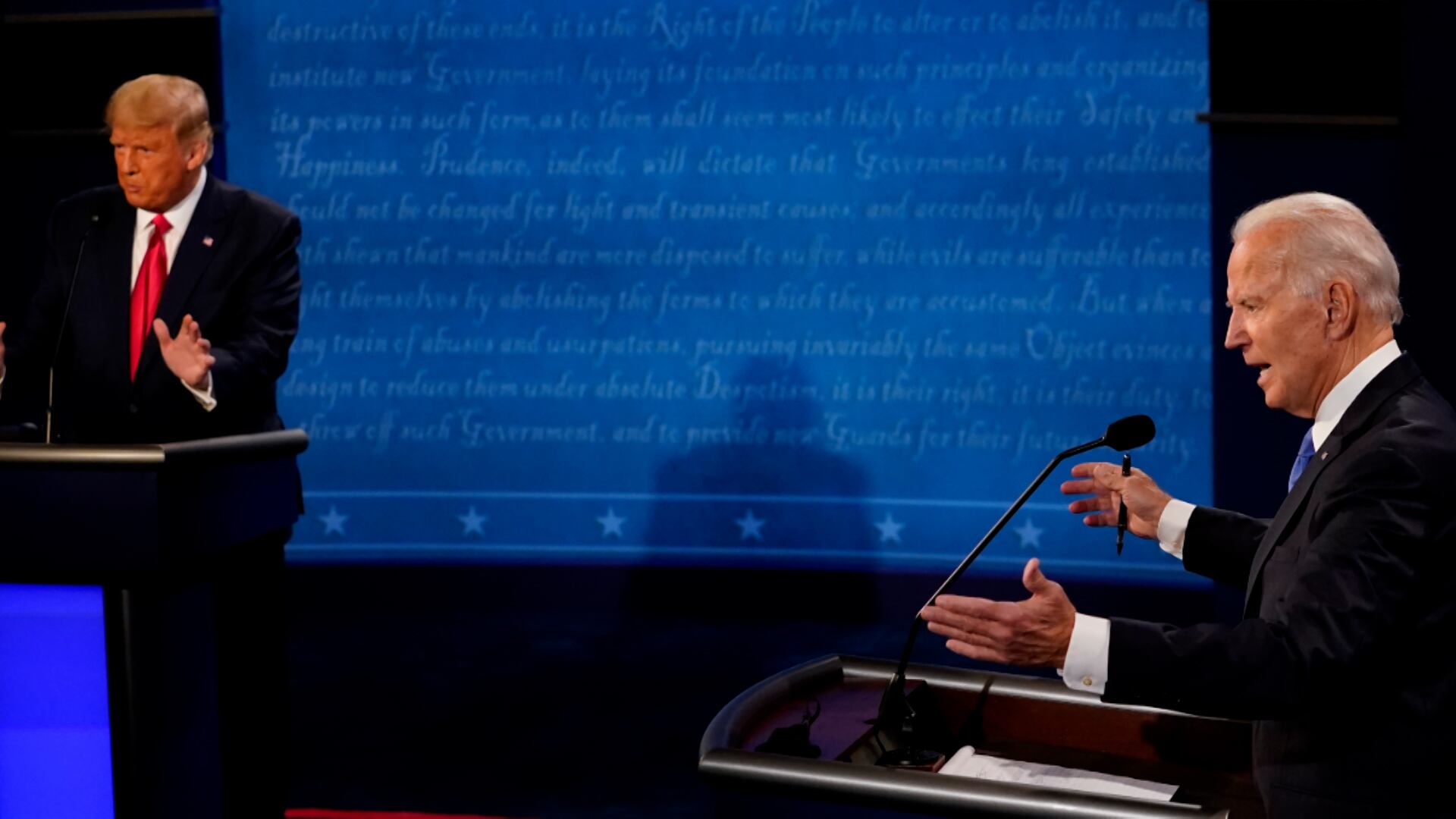
If President Biden runs for re-election in 2024, he may not have anyone to debate. The Republican National Committee sent a letter to the commission on presidential debates, saying the RNC will require candidates to pledge not to participate in those general election debates. Paris Dennard, RNC national spokesperson, joins Cheddar News to discuss.