As scrutiny into the practices of large tech firms increases, the House Judiciary Antitrust Subcommittee on Tuesday held a hearing on the impact platforms like Google and Facebook have on the media.
“All of these companies say the right things ー and they’ve put some charitable money behind trying to make publishers happy,” David Chavern, the president and CEO of the News Media Alliance, told Cheddar after testifying at the hearing. “We don’t need or want charity. What we want is a sustainable business relationship. And we haven’t gotten there yet.”
The News Media Alliance, formerly known as the Newspaper Association of America, is a trade association that represents about 2,000 newspapers in North America. Others who testified at the hearing included David Pitofsky, general counsel for News Corp and Sally Hubbard, the director of enforcement strategy at the Open Markets Institute.
At the hearing, lawmakers discussed the online advertising market, fact-checking, and fake news, among other topics.
Journalism, and even digital-first outlets, have for years struggled to sustain profitable business models. Outlets have typically relied on a combination of ad-revenue and subscriptions, but social media platforms and search engines, namely Facebook ($FB) and Google ($GOOGL), have forced publishers to compete with free content available across the entire internet, and not just their media peers.
Newsroom jobs have declined by nearly a quarter in the past decade, according to Pew.
Meanwhile, the Bureau of Labor Statistics reports that since the start of the millennium, newspaper industry jobs more broadly have been cut by half.
The power of tech platforms has motivated some politicians, and some journalists, to call for their breakup (though that may not be the only antitrust remedy available).
There’s also proposed legislation for the journalism industry specifically, titled the Journalism Competition and Preservation Act, that would allow news organizations to organize collectively against large tech companies without facing pricing collusion violations themselves.
"Companies like Facebook and Google swallow up 60 percent of digital ad revenue, and so it doesn't leave much of the pie for the actual content creators, and for news publishers, which is why I got laid off in January, it's why local newspapers are going under," Laura Bassett, a former culture and political reporter for nearly 10 years at HuffPost, told Cheddar Tuesday.
The News Media Alliance has estimated that Google makes $4.7 billion from news every year, a number, which gained attention through a New York Times article just before the hearing.
But the Alliance’s calculations have faced pushback from media commentators and outlets like Nieman Lab and Intelligencer, since the eye-opening figure appears to be based on a single quote from 2008 from then Google vice president Marissa Mayer.
In an email to Cheddar, a Google spokesperson called these numbers “inaccurate” and “back of the envelope calculations.” The company argues that the study ignored what Google provides news sources, such as driving clicks ー Google says around 10 billion ー to publisher websites, which help develop outlets’ subscriptions and ad businesses.
“If you don’t like the study, there's two things that could happen. One, Google could actually — they have the information — they could reveal whatever they think the number is. Or, if somebody has a critique, talk about how else you could get at the number,” said Chavern. “But some of the critique seems to imply that we shouldn’t even ask, and I don’t get that at all.”
A new report by the Foreign Correspondents Club of China warns that press freedom in the most populous country in the world is declining at an alarming speed. Cheddar News speaks with Steven Butler, Asia Program Coordinator at the Committee to Protect Journalists, about the hardships journalists face in China.
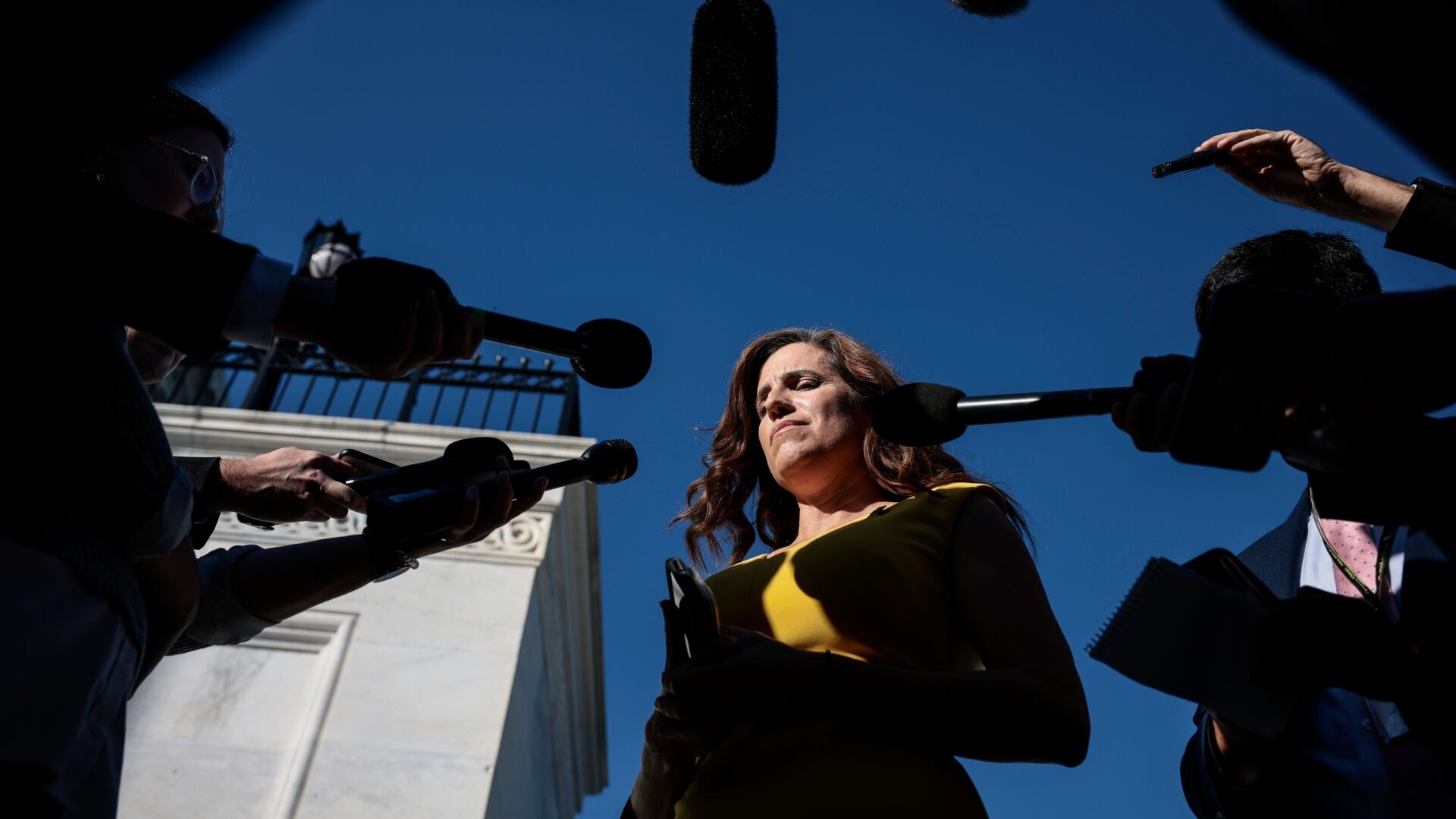
Rep. Nancy Mace (R-S.C. 1st District) joined Cheddar to discuss her cannabis legalization bill, the States Reform Act, and the prospects for gaining bipartisan support for a bill that has garnered the endorsement of e-commerce giant Amazon. This legislation is supported by businesses large and small, Amazon obviously being the most recent and largest business to support it," Mace said. "They don't want to sell pot. But what it does do is it affects their working employment pool." She stated that 10 percent of eligible new hires for Amazon are affected by restrictive marijuana laws. The representative also explained that the bill leaves equity provisions up to the states rather than mandating them on a federal level.
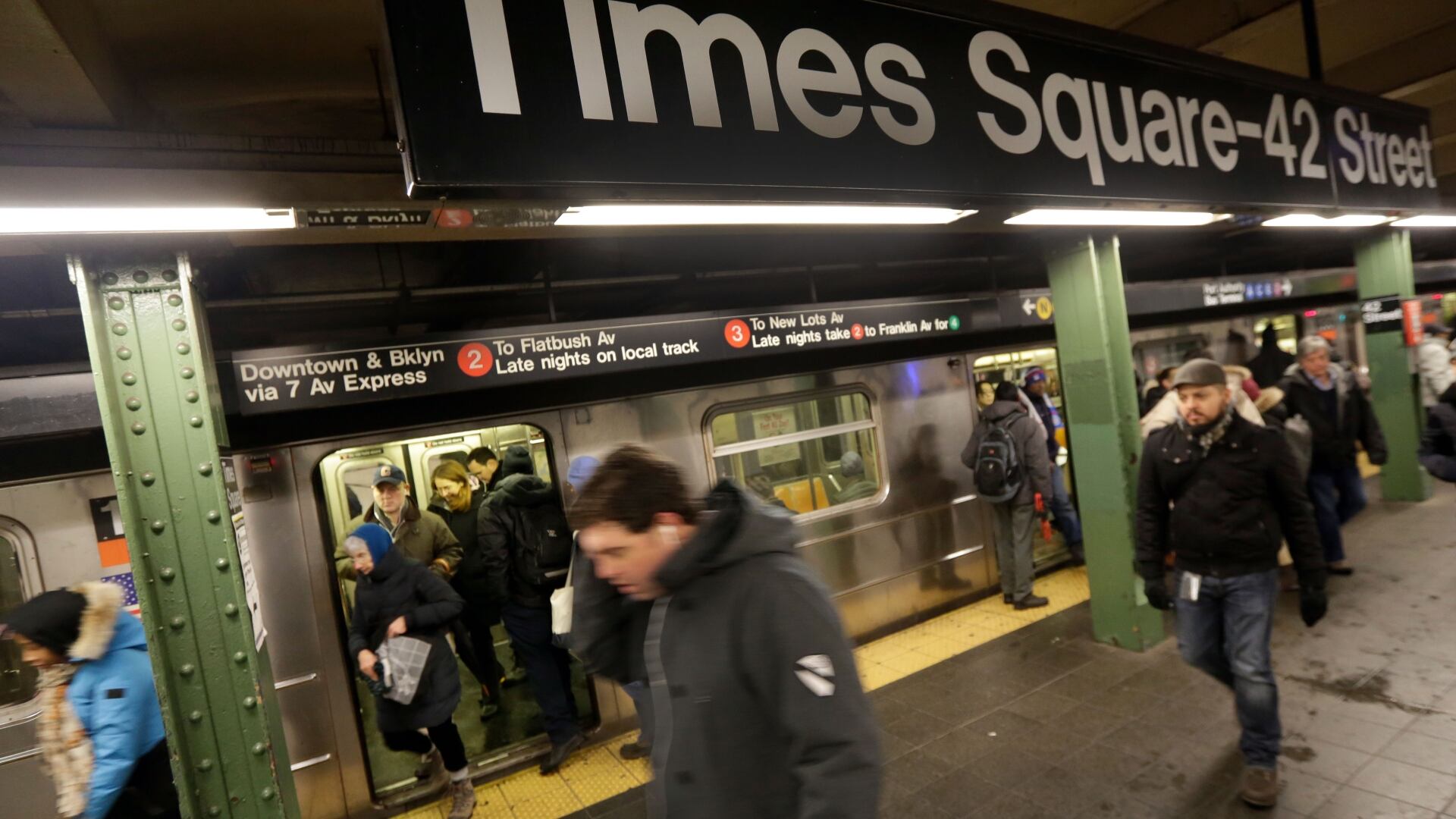
After a number of tragic subway incidents, the MTA is facing increased pressure to install subway platform screens to help prevent injury or death. However, according to an earlier report from the MTA, installing these prevented measures isn't feasible. New York City Council Member Keith Powers, joined Cheddar to discuss more.
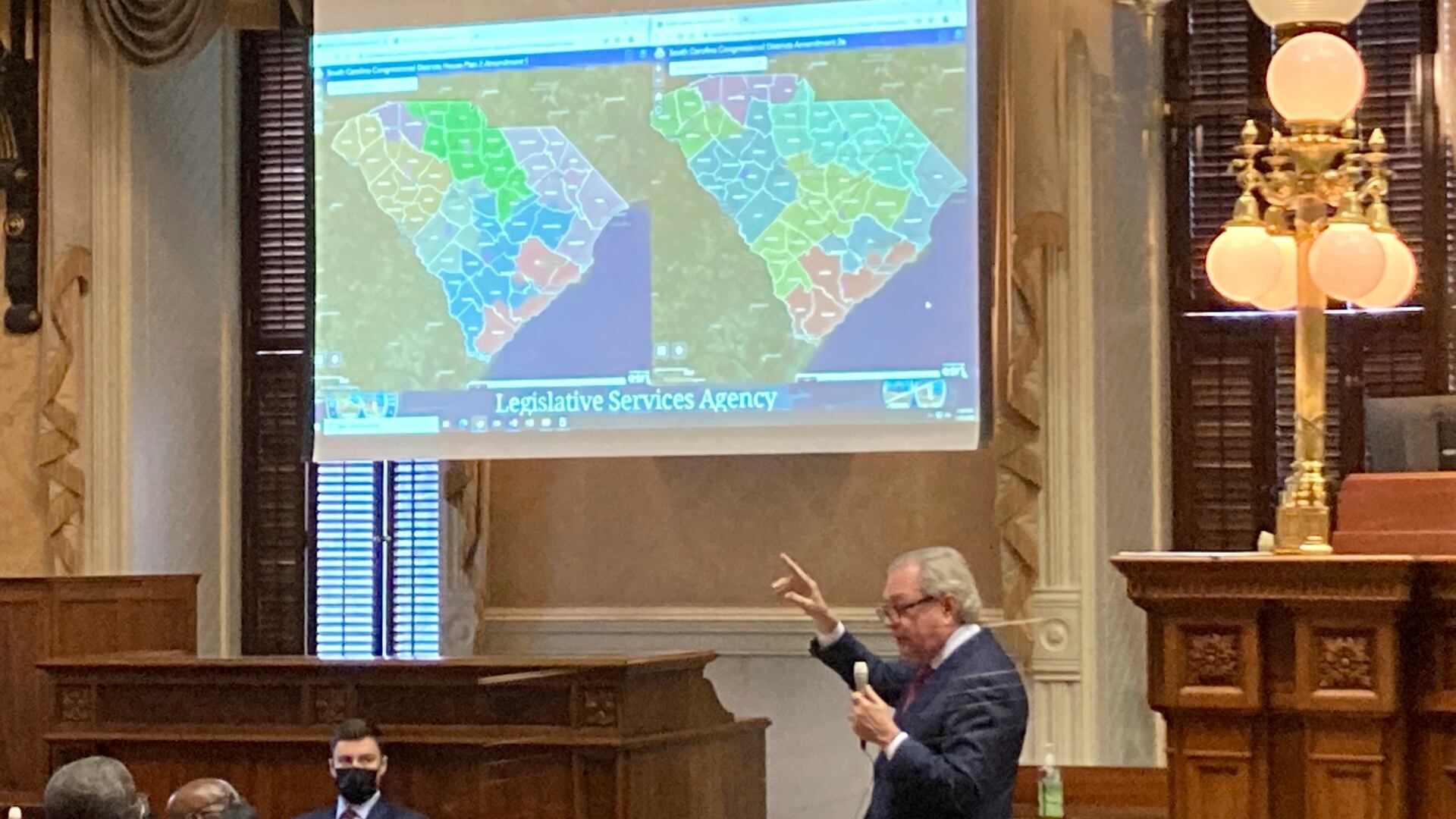
Across the country, states are working to redraw their congressional lines in what is often known as gerrymandering. These news lines are expected to determine the balance of power between Democrats and Republicans within the next decade. Senior Counsel for the Brennan Center's Democracy Program, Michael Li, joined Cheddar to discuss more.
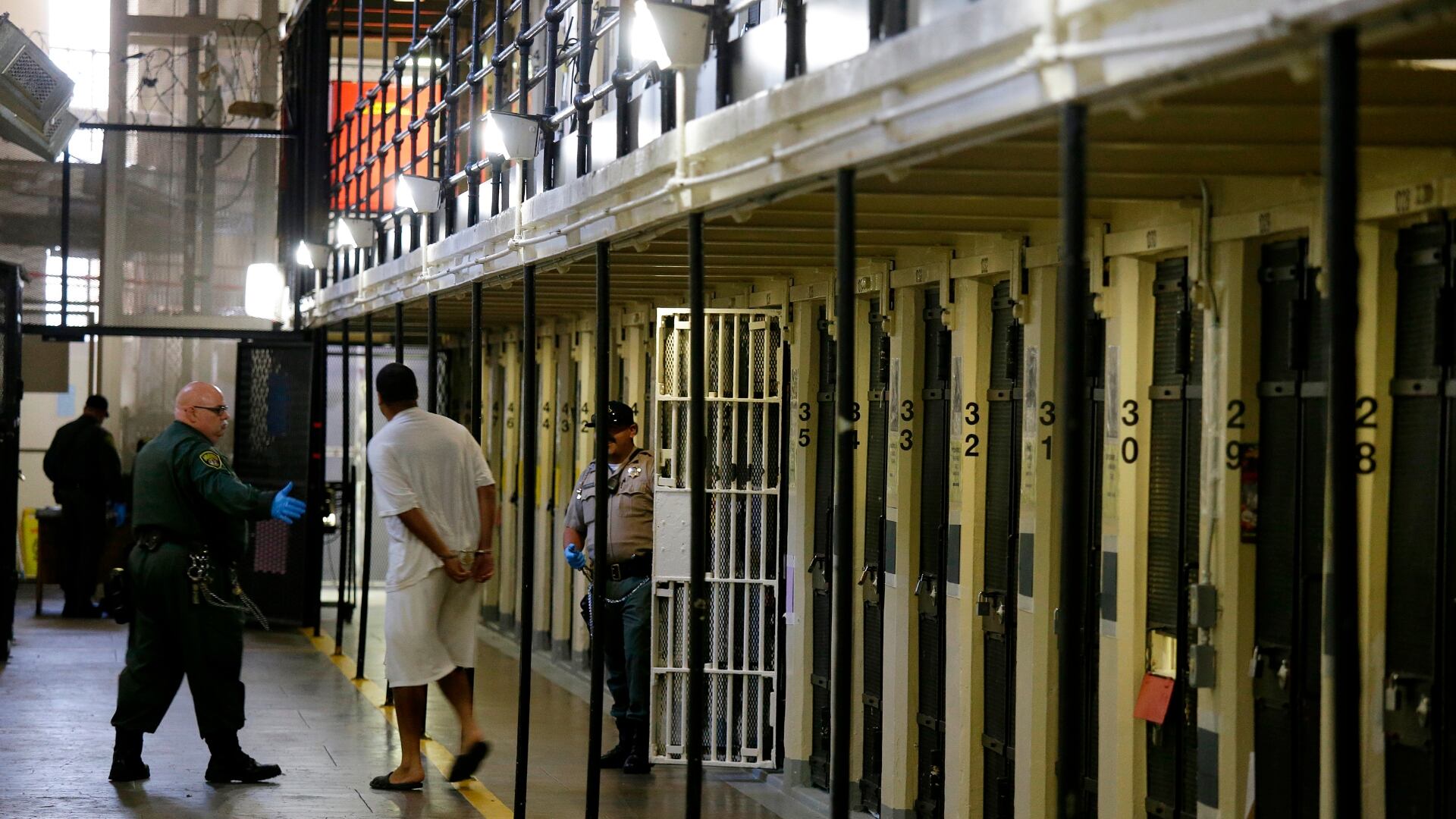
The state of California is officially planning to close its death row in the next two years. That state's governor Democrat Gavin Newsom says the plan is now to move all condemned inmates to other prisons and turn it into, as he calls it, a positive healing environment. Former U. S. Assistant Attorney and Legal Analyst, David Katz, joined Cheddar to discuss more.
Anthony Saccaro, Founder and President of Providence Financial, joins Cheddar News' Closing Bell, where he elaborates on why he is excited that the market is beginning to rebound and believes February has the potential to be a good month after a turbulent January.
Cryptocurrency is expected to become a part of our daily lives — but what sort of environmental impact does it have? As the U.S. becomes the crypto mining capital of the world, climate advocates are worried about mining companies reopening old coal plants, using massive amounts of energy, wasteful hardware, and more. Congressional Democrats led by Senator Elizabeth Warren are demanding answers from mining firms about their electricity use and waste levels. John Belizaire, CEO of Soluna Computing, joins Cheddar Climate to discuss the congressional letters, how crypto mining can become a green industry, and more.
The Supreme Court will reconsider race-based affirmative action in college admissions. The court will examine admissions policies at Harvard University and The University of North Carolina Chapel Hill, which count the race of applicants as a factor in admissions. The court has upheld affirmative action policies in the past, saying it helps to create more diverse student bodies. However, the conservative Supreme Court could be skeptical and even possibly hostile to such policies. Nick Anderson, Higher Education Writer, Washington Post joined Cheddar's Opening Bell to discuss.